

 Send
Send Share
Share
 Details

 Download
 Similars
 Diaporama
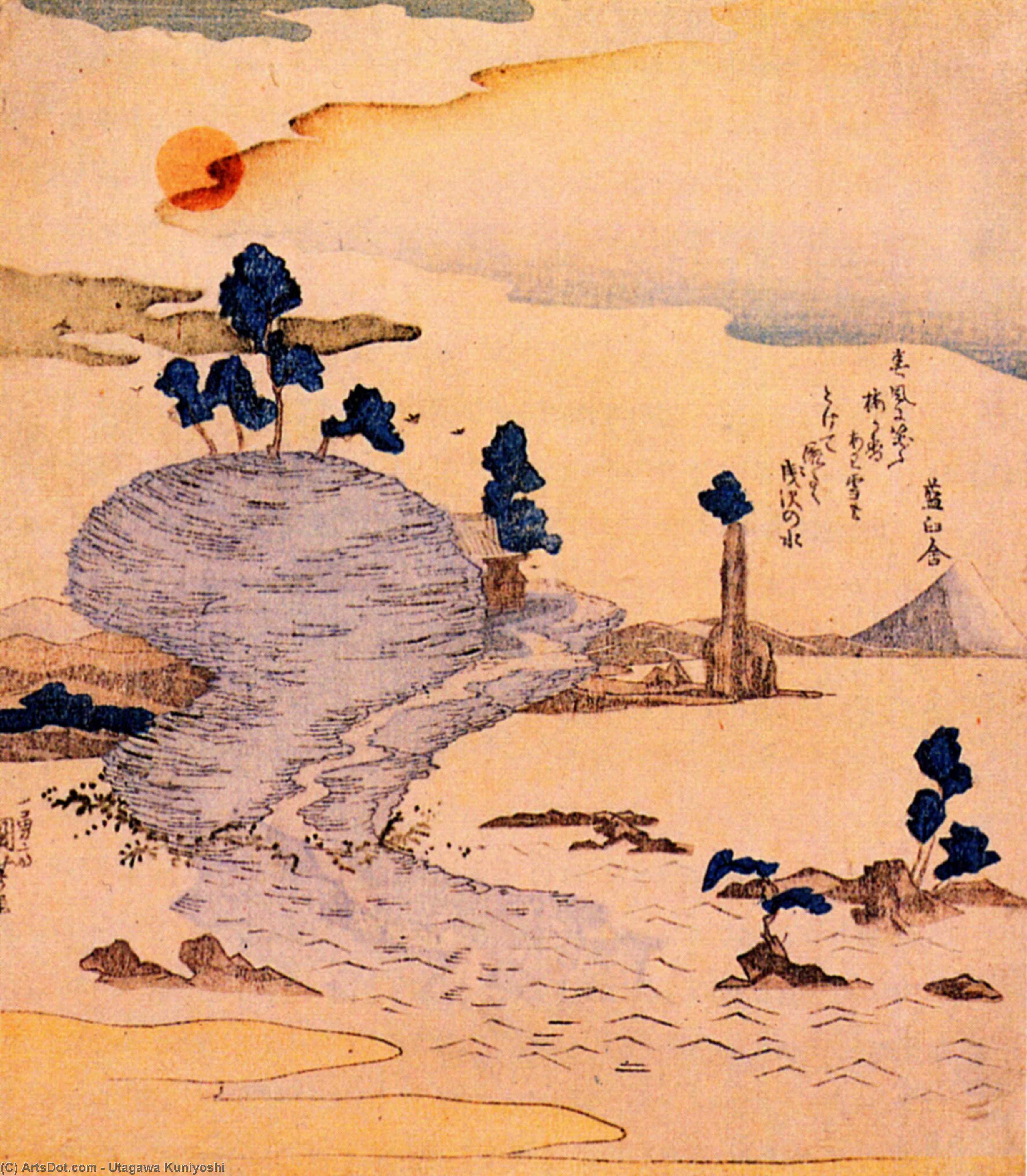
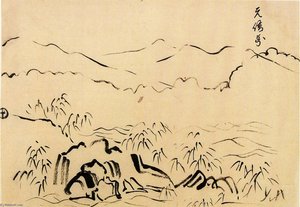
Island Enoshima. The Fuji can be seen far away


 Read More
Purchase a high-resolution, enhanced digital image, far superior to the online preview.
Each file is meticulously prepared by our in-house specialists using advanced tools and expert manual retouching. We ensure every image has exceptional clarity, precise color accuracy, and fine detail.
The final file is delivered via email within 72 hours, optimized for immediate use in professional, editorial, and print environments. This is the same quality trusted by top-tier design studios, publishers, and galleries.
Digital Image
Download a high-resolution file for personal display, printing, and creative projects. ( Buy Print Buy Hand Made Painting)
Included in Every Digital Image Order
Expert Digital Delivery, Guaranteed
When you choose ArtsDot.com, you're not just getting an image - you're receiving a professionally enhanced digital artwork, crafted with precision and backed by a satisfaction guarantee. Here's everything that comes with your order, automatically:

Fast Email Delivery
Your high-resolution digital image file will be emailed to you within 72 hours of ordering - ready for immediate use.

AI-Enhanced Digital File
Your artwork is professionally optimized using advanced AI tools and manual editing, ensuring maximum detail, clarity, and color accuracy.

Free Lifetime Re-Delivery
Accidentally deleted or lost your file? No worries - we'll resend it to you anytime, free of charge.

No Import Fees - Ever
Enjoy your artwork instantly with zero customs, duties, or delivery fees - digital downloads are always tax-free.

Color Accuracy Guarantee
We ensure your digital image reflects the original colors as closely as possible using professional tools and color management.

60-Day Satisfaction Guarantee
If you're not satisfied with your digital image, we'll revise it or refund 100% within 60 days - no questions asked.

100% Money-Back Guarantee
Not satisfied? Get a full refund within 60 days of receiving your digital file - no questions asked.

Bulk Order Discounts
Buy 3 images, save 10% - Buy 5, save 15% - Buy 10+, save 20%. Great for creative projects, galleries, and agencies.
Island Enoshima: A Masterpiece of Ukiyo-e – Kuniyoshi’s Vision
Utagawa Kuniyoshi's “Island Enoshima. The Fuji can be seen far away” is more than a landscape print; it’s a profound meditation on nature, spirituality, and the enduring power of Japanese artistic tradition. Created in the late Edo period (1798-1861), this iconic Ukiyo-e work exemplifies Kuniyoshi's mastery of capturing both the sublime beauty of the natural world and the deeply rooted symbolism within Japanese culture. The scene depicts Enoshima Island, a small, wooded island off the coast of Kanagawa Prefecture, with Mount Fuji – revered as a sacred deity – appearing in the distant background. This juxtaposition immediately establishes a powerful dialogue between the earthly and the divine, a central theme throughout Kuniyoshi’s oeuvre.
Kuniyoshi's skill lies not just in his technical proficiency but also in his ability to imbue the scene with a palpable sense of atmosphere. The artist employs a muted color palette – predominantly blues, whites, and grays – that evokes a feeling of tranquility and serenity. This restrained approach is characteristic of Ukiyo-e’s emphasis on mood and suggestion rather than photographic realism. Notice how the vibrant white of the crashing wave contrasts dramatically with the cool blues of the sea and sky, drawing the viewer's eye into the heart of the composition.
The Art of Ukiyo-e: Technique and Style
As a quintessential example of Ukiyo-e (literally “pictures of the floating world”), this print demonstrates several key aspects of the style. The image was created using woodblock printing, a complex process involving multiple blocks carved by skilled artisans. Each block – for sky, water, figures, and Mount Fuji – was inked separately, layered meticulously to achieve the final effect. This layering technique is particularly evident in the depiction of Mount Fuji, where subtle gradations of color create an illusion of depth and atmospheric perspective.
The composition itself adheres closely to Ukiyo-e conventions. The large wave dominates the foreground, a recurring motif symbolizing both chaos and renewal – a common theme in Japanese art. The small figures scattered throughout the scene represent humanity’s place within nature's grand scheme, adding a layer of narrative without overwhelming the landscape. Kuniyoshi’s use of perspective, while not entirely accurate by Western standards, is skillfully employed to create a sense of vastness and distance, emphasizing Mount Fuji’s imposing presence.
Symbolism and Spiritual Resonance
Beyond its aesthetic beauty, “Island Enoshima” is rich in symbolic meaning. The inclusion of Mount Fuji – known as *Fujisan* – immediately connects the scene to Shinto beliefs, associating it with deities and spiritual power. The island itself, often associated with shrines and sacred sites, further reinforces this connection. The wave, as previously mentioned, represents both destructive forces and the potential for new beginnings.
Kuniyoshi frequently incorporated mythological and historical narratives into his Ukiyo-e prints, and while this particular print doesn’t explicitly depict a story, it embodies the spirit of many of his works – a harmonious blend of nature, spirituality, and human experience. The overall effect is one of profound contemplation, inviting the viewer to reflect on their own relationship with the natural world and the enduring mysteries of existence.
A Legacy of Artistic Innovation
Utagawa Kuniyoshi stands as one of the last great masters of Ukiyo-e, pushing the boundaries of the style while remaining true to its core principles. His innovative use of color, his dramatic compositions, and his ability to capture both the beauty and the spiritual significance of Japan’s landscapes cemented his place in art history. A reproduction of “Island Enoshima” offers a window into this remarkable artistic tradition, allowing you to experience firsthand the genius of Kuniyoshi's vision – a timeless masterpiece that continues to captivate audiences today.
Related Artworks
Artist Biography
A Life Immersed in the Floating World
Utagawa Kuniyoshi, born Yoshisaburō on January 1, 1798, in Edo (modern-day Tokyo), stands as a towering figure at the close of the *ukiyo-e* tradition – the “pictures of the floating world” that so vividly captured Japanese life during the Edo period. His journey began not amidst artistic circles, but within the practical realm of his father’s silk-dyeing business. This early exposure to color and pattern would subtly inform his later work, imbuing it with a distinctive vibrancy. Even as a young boy, however, Kuniyoshi was captivated by the dramatic world of *ukiyo-e*, particularly the heroic imagery of warriors and artisans that populated popular prints. These formative impressions ignited within him a passion that would define his life’s pursuit. He entered the studio of Utagawa Toyokuni I in 1811, adopting the name Kuniyoshi and embarking on a rigorous apprenticeship that honed his skills and introduced him to the conventions of the Utagawa school.From Humble Beginnings to Masterful Innovation
Kuniyoshi’s early career was marked by a period of relative obscurity. While proficient in the established styles, he struggled to find his unique voice amidst the crowded landscape of Edo printmaking. His initial works largely mirrored those of his teacher, offering little that distinguished him from his contemporaries. However, this period of exploration proved crucial. He experimented with various genres and techniques, gradually developing a distinctive approach characterized by dynamic compositions, bold colors, and an increasingly sophisticated understanding of narrative storytelling. The breakthrough came in 1827 with the release of *The One Hundred and Eight Heroes of the Popular Suikoden*, a monumental series based on the Chinese novel *Shui Hu Zhuan*. This work catapulted Kuniyoshi to fame, establishing him as a master of *musha-e* – warrior prints. The series wasn’t merely an illustration of heroic tales; it was a showcase for Kuniyoshi's burgeoning talent for dramatic composition and characterization. He didn’t simply depict warriors; he brought them to life with compelling emotion and intricate detail.A Synthesis of Tradition and Western Influence
What truly sets Kuniyoshi apart is his willingness to embrace innovation while remaining deeply rooted in Japanese artistic traditions. As the Edo period drew to a close, Japan experienced increasing contact with the West, and Kuniyoshi was among the first *ukiyo-e* artists to incorporate elements of Western perspective and shading into his work. This wasn’t simply imitation; he skillfully integrated these techniques to enhance depth, realism, and dramatic impact. His landscapes, in particular, demonstrate a masterful command of atmospheric effects and spatial relationships, often evoking a sense of grandeur and awe. Beyond technique, Kuniyoshi expanded the subject matter of *ukiyo-e*. While traditional themes like beautiful women and Kabuki actors remained popular, he ventured into new territory, depicting historical scenes, mythological creatures, and even satirical commentaries on contemporary society. His triptych *In Minamoto’s Residence the Earth Spider Appears as a Monster* (1843) is a prime example of this daring approach, cleverly disguising political criticism within a fantastical narrative.Legacy of a Visionary
Kuniyoshi's influence on subsequent generations of artists is undeniable. He left behind a vast and diverse body of work – estimated to number over 5,000 designs – that continues to inspire awe and admiration today. His innovative blending of traditional Japanese aesthetics with Western techniques paved the way for new artistic possibilities, while his willingness to challenge conventions broadened the scope of *ukiyo-e*. He trained numerous students, including Yoshitoshi, who would carry on his legacy into the Meiji period.- Notable series: *The One Hundred and Eight Heroes of the Popular Suikoden*, a landmark achievement in warrior printmaking.
- Masterful compositions: His ability to create dynamic, visually arresting scenes remains unparalleled.
- Innovative techniques: The integration of Western perspective and shading revolutionized *ukiyo-e* landscape painting.
- Broadened subject matter: He expanded the boundaries of *ukiyo-e*, exploring new themes and narratives.
Utagawa Kuniyoshi
1797 - 1861 , Japan
Quick Facts
- Artistic Movement Or Style: Ukiyo-e
- Artists Or Movements Influenced By This Artist: ['Ozawa Tsuyoshi']
- Artists Who Influenced This Artist: ['Utagawa Toyokuni']
- Date Of Birth: January 1, 1798
- Date Of Death: April 14, 1861
- Full Name: Utagawa Kuniyoshi
- Nationality: Japanese
- Notable Artworks:
- One hundred and eight heroes...
- The ghost of taira no tomomori
- The gōjō bridge
- Place Of Birth: Tokyo, Japan

