 Preview
 Send
Send Share
Share
 Details

 Download
 Similars
 X-Ray
X-Ray Diaporama
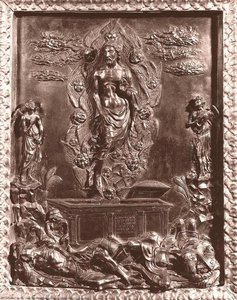
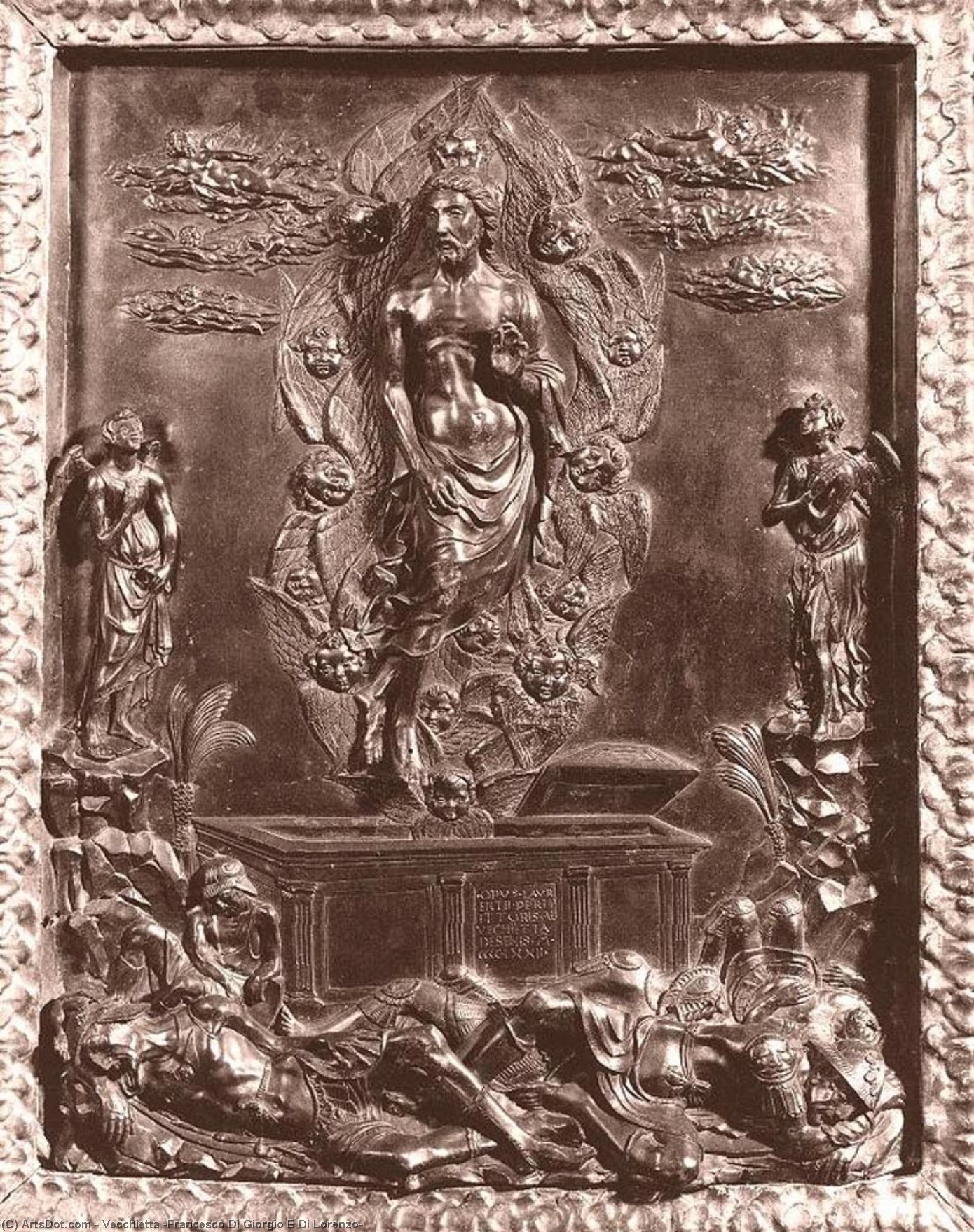
Resurrection
 Painting
- Early Renaissance
 1472
1472- Renaissance
 54.0 x 41.0 cm
 Frick Collection
 Read More
Hand Made Oil Reproduction
Hand-painted oil on canvas in your size and frame, made to order by our artists. ( Buy Print Buy Image)




P118B $10

P118H $10

P118W $10

P438Z $10

P508JH $12

P508YH $12

P805H $10

P805Z $10

P919BZ $10

P919G $10

P919XJ $10

P959ZH $10

P968JZ $12

W106C $8

W218G $10

W218JH $8

W218Y $10

W307PJ $10

W316G $10

W316PJ $8

W316Y $10

W398PJ $8

W4111J $10

W500HY $15

W500JH $15

W692G $12

W849H $8

W940BG $15

W953PJ $8




Pick from our preset sizes that match the artwork's original proportions.

You may enter your own dimensions to fit a specific frame or space. If your selected size does not match the original image's proportions, we will either crop the artwork or extend the painting with additional hand-painted elements. A digital mockup will be sent for your approval before production begins.
Please note that the on-screen preview does not reflect the actual cropping or extension. Only the mockup will accurately show the final composition.
While custom sizes are available, we recommend selecting a dimension from the predefined list to preserve the original proportions.
After order, ArtsDot.com team will email client for instructions and provide a mockup preview
Worldwide Delivery () in 3/4 weeks instead of standard 5 weeks. (17 August). No compromise on quality.

Free Worldwide Express Shipping

High-Quality Linen Canvas

Full Shipping Insurance

Customs Tax Refund Guarantee

True Color Matching Guarantee

60-Day Return Policy (Defects Only)

100% Money-Back Guarantee

Bulk Discount Offer
 Glass option is only available in size under 110 CM

Resurrection
Reproduction Medium
Reproduction Size
-


Total Price
$ 263
Artwork Description
The Triumph Over Mortality in Vecchietta's Resurrection
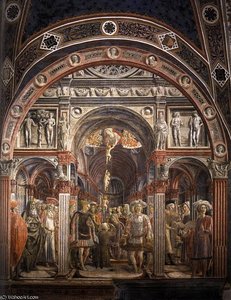
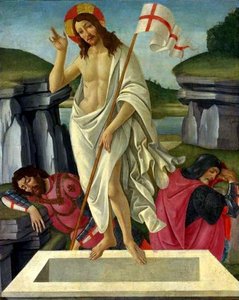
To gaze upon Vecchietta’s "Resurrection" is to confront one of humanity's most enduring spiritual yearnings: the promise of eternal life beyond earthly decay. Painted in 1472, this work transcends a mere depiction of an event; it captures a moment of sublime, breathtaking transition. The composition immediately draws the eye to the central figure, standing victoriously atop the bier—the very symbol of death itself. His raised arms are not merely gestures, but declarations of triumph, radiating an almost palpable energy that seems to lift the viewer out of the somber reality of the scene and into a realm of divine promise.
A Glimpse into Early Renaissance Spirituality
The artist, Lorenzo di Pietro, known by his evocative moniker Vecchietta, anchors this piece firmly within the rich tapestry of the early Italian Renaissance. While some might view the period through the lens of grand Florentine humanism, Vecchietta’s genius lay in imbuing sacred narratives with a profound sense of intimate spirituality, deeply connected to the life and soul of Siena. His technique, characteristic of his time, blends meticulous detail with an emotional immediacy that feels both timeless and startlingly personal. The surrounding angels, positioned at various points around the central drama—some near the left, others guiding from the right—act as celestial witnesses, their presence amplifying the monumental weight of the resurrection.
Symbolism Woven into Form and Figure
Every element within "Resurrection" pulses with symbolic meaning. The coffin beneath the triumphant figure represents the finality of physical existence, a stark contrast to the spiritual vitality emanating from above it. The surrounding figures, each placed thoughtfully in their corner—the one near the left, the second closer to the center, and the others completing the circle—guide our understanding of this sacred moment. These are not just bystanders; they are participants in the miracle, embodying faith, awe, and the gradual dawning of divine grace. The black and white nature of the photograph only serves to heighten the dramatic contrast between shadow and illuminated spirit.
Bringing Sacred Drama Home
For the collector or designer seeking an object that speaks volumes without uttering a word, this reproduction offers unparalleled depth. Owning a piece inspired by Vecchietta’s mastery allows one to incorporate a focal point of profound contemplation into any space. It is art that demands quiet reverence, transforming a wall from mere surface into a portal for reflection. The enduring power of this composition—the struggle against oblivion and the ultimate embrace of light—makes it not just decoration, but a spiritual anchor for the modern dwelling.
Related Artworks
Artist Biography
Lorenzo di Pietro, Known as Vecchietta: The Painter of Siena’s Soul
Lorenzo di Pietro, more commonly known as Vecchietta – a name that translates roughly to “little old one” – remains a captivating enigma within the landscape of early Renaissance art. Born in Asciano, near Siena, around 1410 and passing away in 1480, he wasn’t a flamboyant figure who dominated courtly circles or received lavish commissions like some of his contemporaries. Instead, Vecchietta carved out a unique legacy through his deeply rooted connection to the city of Siena and its institutions – particularly the Hospital of Santa Maria della Scala. His work isn't defined by grand narratives or heroic figures; rather, it’s imbued with a quiet spirituality and an intimate understanding of everyday life, making him one of the most compelling and subtly powerful artists of his time.
Vecchietta’s artistic lineage is complex and fascinatingly intertwined. While often associated with Sassetta, Taddeo di Bartolo, and Jacopo della Quercia – masters who shaped the Sienese School – he seems to have absorbed elements from a broader range of influences. Vasari, in his *Lives*, notes Vecchietta’s apprenticeship under Sassetta, but also highlights the impact of Florentine innovation, particularly the burgeoning realism championed by Masaccio. This synthesis is evident in his work: a delicate balance between Sienese tradition and the emerging dynamism of the Renaissance.
The Painter of the Hospital
Vecchietta’s most enduring fame stems from his extensive work within the walls of the Hospital of Santa Maria della Scala, a sprawling complex that served as both a hospital and a civic center. This wasn't merely a commission; it was a vocation. He became known as *pittor dello spedale* – “painter of the hospital” – reflecting his role in documenting the institution’s history, celebrating its charitable works, and providing solace to its patients. The frescoes he created within the Pellegrinaio (Pilgrim Hall) are particularly significant, depicting scenes like "The Founding of the Spedale" and "The Vision of Santa Sorore," a dream vision that established the hospital's foundation. These aren’t merely decorative paintings; they’re imbued with a profound sense of piety and community.
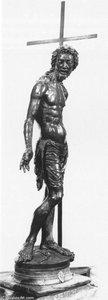
Beyond the Pellegrinaio, Vecchietta continued to contribute to the Hospital complex, including the Cappella del Sacro Chiodo – “The Old Sacristy.” This small chapel showcases his versatility, featuring a stunning bronze Risen Christ sculpture (1476), demonstrating an influence from Donatello’s dynamic approach to depicting the human form. The Arliquiera, a painted wardrobe designed to house sacred relics, further exemplifies his skill in combining painting and craftsmanship.
Sculptural Contributions and Artistic Style
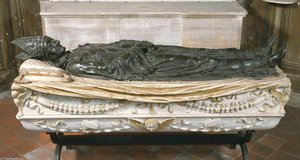
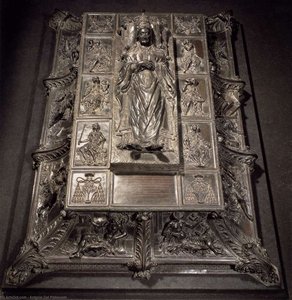
Vecchietta's artistic output extended beyond fresco into sculpture. He crafted a monumental bronze ciborium for the Hospital of Santa Maria della Scala around 1467-72, a testament to his technical mastery and a work that garnered considerable acclaim. His sculptural contributions also included a tomb statue of Marianus Soccinus the Elder for San Domenico in Siena and life-size figures of St. Peter and St. Paul for the Loggia della Mercanzia in Siena – works praised by Vasari for their grace and execution.
Vecchietta’s style is characterized by a remarkable restraint and a subtle emotional depth. His figures are often rendered with a delicate realism, avoiding the overly stylized approach of some of his contemporaries. He employed muted colors and a restrained palette, prioritizing clarity of form and composition over elaborate ornamentation. His work possesses a quiet dignity and an intimate connection to the spiritual life – qualities that resonate deeply within the context of his role as “painter of the hospital.”
Legacy and Historical Significance
Despite not achieving widespread fame during his lifetime, Vecchietta’s legacy has been steadily recognized in recent decades. His work offers a unique window into the social and religious life of Siena during the early Renaissance. He wasn't interested in creating grand historical narratives or celebrating heroic figures; instead, he focused on capturing the everyday experiences of ordinary people – patients, caregivers, and members of the community – within the context of their faith.
Vecchietta’s enduring appeal lies in his ability to convey a profound sense of humanity and spirituality through his art. He remains a vital figure in understanding the artistic landscape of Siena during the early Renaissance, a testament to the power of quiet observation, skillful craftsmanship, and an unwavering commitment to serving his community.
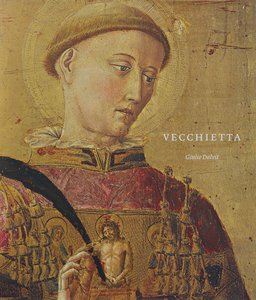
vecchietta (francesco di giorgio e di lorenzo)
1412 - 1480 , Italy
Quick Facts
- Artistic Movement Or Style: Early Renaissance
- Artists Or Movements Influenced By This Artist:
- Francesco di Giorgio
- Neroccio de’ Landi
- Artists Who Influenced This Artist:
- Sassetta
- Taddeo di Bartolo
- Jacopo della Quercia
- Date Of Birth: Aug 11, 1410
- Date Of Death: June 6, 1480
- Full Name: Lorenzo di Pietro
- Nationality: Italian
- Notable Artworks:
- Storie dei ss. Lorenzo e Stefano martiri
- Risen Christ
- Cappella del Sacro Chiodo
- Arliquiera
- Place Of Birth: Siena, Italy
Related Articles

Giclée Prints: Archival Quality & Aesthetic Nuances for the Discerning Collector
Explore the world of giclée prints with ArtsDot. Learn about archival quality, aesthetic nuances & investment potential. Expert guidance for discerning art collectors seeking museum-quality reproductions and lasting value.

Echoes of Time: Exploring the Enduring Appeal & Historical Context of Vintage Art Prints
Explore the captivating world of vintage art prints! Discover their history, collecting tips & enduring appeal. Expert insights on chromolithography and building a legacy collection with ArtsDot.

The Enduring Legacy of Fine Art Prints: Technique, History & Aesthetic Impact
Explore the rich history & techniques of fine art prints. Discover investment potential, assess authenticity, and learn how to preserve your collection with expert guidance. Trusted insights for discerning collectors.
The Enduring Legacy of Printmaking: Techniques, Themes & Artistic Innovation Across Centuries
Explore the rich history of printmaking with ArtsDot. Discover techniques from intaglio to lithography, learn about collecting valuable prints & find museum-quality reproductions. Expert insights for art enthusiasts and collectors.
The Enduring Legacy of Woodblock Printmaking: Technique, History & Artistic Expression
Explore the rich history of woodblock printmaking – from ancient techniques to Ukiyo-e masterpieces. Discover expert insights on collecting, preserving & appreciating this enduring art form.