 Preview
 Send
Send Share
Share
 Details

 Download
 Similars
 X-Ray
X-Ray Diaporama
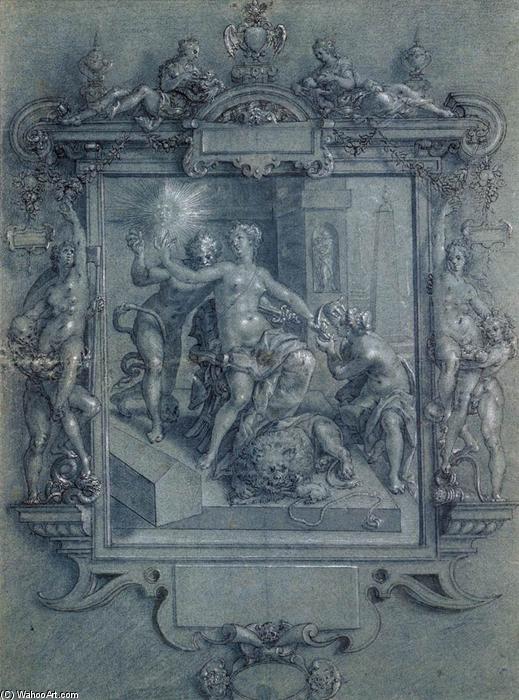
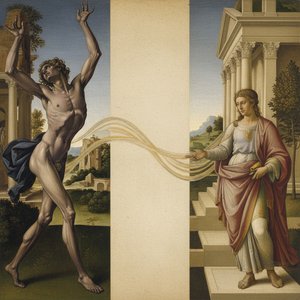
The Mirror of Virtue
 Acrylic On Canvas
- WallArt
- Northern Mannerism
 1595
1595 515.0 x 376.0 cm
 Rijksmuseum
 Read More
Hand Made Oil Reproduction
Hand-painted oil on canvas in your size and frame, made to order by our artists. ( Buy Print Buy Image)




P118B $10

P118H $10

P118W $10

P438Z $10

P508JH $12

P508YH $12

P805H $10

P805Z $10

P919BZ $10

P919G $10

P919XJ $10

P959ZH $10

P968JZ $12

W106C $8

W218G $10

W218JH $8

W218Y $10

W307PJ $10

W316G $10

W316PJ $8

W316Y $10

W398PJ $8

W4111J $10

W500HY $15

W500JH $15

W692G $12

W849H $8

W940BG $15

W953PJ $8




Pick from our preset sizes that match the artwork's original proportions.

You may enter your own dimensions to fit a specific frame or space. If your selected size does not match the original image's proportions, we will either crop the artwork or extend the painting with additional hand-painted elements. A digital mockup will be sent for your approval before production begins.
Please note that the on-screen preview does not reflect the actual cropping or extension. Only the mockup will accurately show the final composition.
While custom sizes are available, we recommend selecting a dimension from the predefined list to preserve the original proportions.
After order, ArtsDot.com team will email client for instructions and provide a mockup preview
Worldwide Delivery () in 3/4 weeks instead of standard 5 weeks. (16 August). No compromise on quality.

Free Worldwide Express Shipping

High-Quality Linen Canvas

Full Shipping Insurance

Customs Tax Refund Guarantee

True Color Matching Guarantee

60-Day Return Policy (Defects Only)

100% Money-Back Guarantee

Bulk Discount Offer
 Glass option is only available in size under 110 CM

The Mirror of Virtue
Reproduction Medium
Reproduction Size
-


Total Price
$ 263
Artwork Description
A Glimpse of Virtue: Cornelis Ketel’s “The Mirror of Virtue”
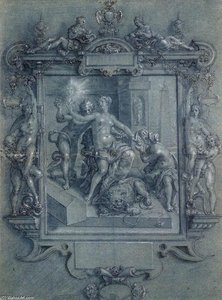
Cornelis Ketel's "The Mirror of Virtue," painted in 1595, is not merely a depiction of mythological figures; it’s a carefully constructed allegory brimming with moral and philosophical weight. This remarkable work, now meticulously reproduced, offers a window into the turbulent intellectual landscape of late Renaissance Europe – a period grappling with religious reformation, shifting artistic tastes, and a fervent desire to imbue art with profound meaning. Ketel, transitioning from the opulent courts of France to the burgeoning civic identity of Amsterdam, masterfully blended Mannerist elegance with emerging Dutch sensibilities, creating an image that continues to resonate with its complex symbolism and arresting beauty. The painting’s muted palette – dominated by earthy browns, ochres, and subtle blues – contributes to a sense of contemplative solemnity, drawing the viewer into a world both familiar and subtly unsettling.The Composition: A Dance of Allegory
At the heart of “The Mirror of Virtue” stands a nude woman, positioned centrally within an elaborate architectural framework reminiscent of classical Roman temples. This figure isn’t simply a decorative element; she embodies virtue itself, radiating an aura of serene dignity and intellectual contemplation. Surrounding her are a cast of figures – both male and female, some clothed in classical attire, others left partially unclothed – engaged in a complex dance of interaction. To her right, Gratitude extends a hand to the central figure, while Ingratitude recoils in disapproval, illustrating the duality inherent in human experience. Flanking Gratitude are two winged figures, representing Kindness and Prudence, suggesting that genuine gratitude is rooted in wisdom and discernment. Above them, further figures ascend towards the heavens, their movements conveying aspiration and a yearning for spiritual enlightenment – an echo of the classical motif of ascending souls. The architectural setting, with its columns and arches, reinforces the painting’s allegorical nature, acting as a stage upon which these moral lessons are enacted.A Bridge Between Styles: Ketel's Transitional Vision
Cornelis Ketel occupies a fascinating position in art history – a transitional figure bridging the Mannerist style of his early career with the emerging civic group portraits that would define the Dutch Golden Age. Initially trained to paint grand historical scenes, he found himself increasingly drawn to portraiture, particularly those commissioned by burgeoning merchant guilds and city councils. “The Mirror of Virtue” exemplifies this shift, retaining elements of Mannerism – elongated figures, dramatic poses, and intricate drapery – while incorporating a distinctly Dutch sensibility in its focus on civic virtue and moral instruction. The painting’s meticulous detail, from the textures of the clothing to the subtle nuances of expression, speaks to Ketel's technical skill, honed through years of experience working under diverse artistic influences. His journey reflects the broader cultural shifts occurring within the Netherlands – a nation forging its own identity amidst religious upheaval and political conflict.Symbolism and Emotional Resonance
Beyond its formal elements, “The Mirror of Virtue” is rich in symbolic meaning. The central figure’s nudity represents vulnerability and purity, while her contemplative gaze invites viewers to engage with the painting's moral themes on a deeper level. The winged figures symbolize aspiration and divine guidance, suggesting that virtue is not merely an innate quality but also a path cultivated through faith and contemplation. The overall composition evokes a sense of quiet solemnity, prompting reflection on the complexities of human nature and the importance of ethical conduct. Ketel’s work isn't simply decorative; it’s a visual sermon, designed to inspire viewers to strive for moral excellence. The painting’s enduring appeal lies in its ability to tap into universal themes of virtue, temptation, and spiritual aspiration – qualities that continue to resonate with audiences centuries after its creation.Reproductions: Bringing the Vision to Life
Today, “The Mirror of Virtue” is brought to life through meticulously crafted hand-painted reproductions. These faithful recreations capture not only the painting’s visual details but also its underlying emotional resonance and symbolic depth. Whether adorning a grand salon or a more intimate space, this artwork offers a timeless reminder of the enduring power of art to inspire contemplation and elevate the human spirit. The reproduction process ensures that the muted palette and dramatic lighting are faithfully reproduced, allowing viewers to fully appreciate Ketel’s masterful use of color and composition.- Size Options: Available in a range of sizes to suit any space.
- Materials: Printed on archival-quality canvas for lasting beauty.
- Hand-Painted Detail: Each reproduction is meticulously hand-painted by skilled artisans, ensuring an authentic and nuanced representation of the original.
Related Artworks

Artist Biography
A Life Bridging Mannerism and Dutch Portraiture
Cornelis Ketel, born in Gouda, Netherlands in 1548, occupies a fascinating, transitional space within the history of Dutch art. His life unfolded during a period of immense upheaval – religious reformation, political revolt, and shifting artistic tastes – and his career reflects this dynamic era with remarkable adaptability. Initially aspiring to the grandeur of history painting, Ketel ultimately found renown as a portraitist, becoming a pivotal figure in the development of civic group portraits that would come to define the Dutch Golden Age. His journey took him from the refined courts of France and England back to the burgeoning artistic landscape of Amsterdam, where he left an indelible mark on the nation’s visual identity.Early Training and Continental Influences
Ketel's artistic foundations were laid within a family deeply connected to the world of art. His apprenticeship began at the young age of eleven with his uncle, Cornelis Jacobsz., a painter who instilled in him the fundamentals of the craft. Encouragement also came from Dirck Crabeth, a celebrated stained-glass artist and brother to Wouter Crabeth, whose wife may have been related to Ketel – suggesting a network of familial support within the artistic community. Around 1565, he further honed his skills under Anthonie Blocklandt in Delft, absorbing the stylistic nuances of the region. However, it was his travels abroad that truly broadened his horizons and shaped his early aesthetic sensibilities. He spent time in Paris with Jean de la Hame, a glass-painter serving King Charles IX, before securing a position at Fontainebleau during the twilight years of the School of Fontainebleau. This exposure to French Mannerism – characterized by elongated figures, dramatic poses, and allegorical complexity – profoundly influenced his artistic vision, imbuing his early works with a sense of refined elegance and intellectual depth.Years in England and Return to the Low Countries
The turbulent political climate of the late 16th century forced Ketel’s departure from France in 1567, as citizens of the Habsburg Netherlands were expelled. After a brief return to Gouda, he sought opportunity across the English Channel, arriving in London in 1573. He quickly established himself as a highly sought-after portraitist within Elizabethan court circles. His patrons included prominent figures such as Sir Christopher Hatton and, most notably, Queen Elizabeth I herself, who sat for him in 1578. Ketel’s ability to capture the likenesses of noblemen, their wives, and children with both accuracy and a touch of aristocratic flair cemented his reputation as a successful artist in London. Yet, despite this success, he found England lacking in demand for the large-scale history paintings that remained his true ambition. This realization, coupled with the growing instability in the Low Countries, prompted his return to Amsterdam before 1581.Pioneering Civic Group Portraits and Lasting Legacy
Upon settling in Amsterdam, Ketel’s artistic trajectory took a decisive turn. He recognized a burgeoning demand for civic group portraits – depictions of local militia companies and prominent citizens – and seized the opportunity to innovate within this genre. He pioneered the full-length format for these portraits, presenting burghers with their weapons and regalia in a dynamic and imposing manner. This approach contrasted sharply with earlier, more formal representations, injecting a sense of vitality and civic pride into his compositions. While his ambition to create grand history paintings remained largely unfulfilled due to prevailing Dutch tastes – which favored simpler subjects over Mannerist allegory – Ketel’s influence on portraiture was undeniable. He trained several pupils, including Cornelis van der Voort and Pieter Isaacsz, who continued his legacy as successful portraitists in their own right. Although many of his earlier allegorical works have been lost to time, the rediscovery of a fragment of “The Triumph of Wisdom and Prudence over Force” (painted around 1580) at the Tate Museum in London offers a tantalizing glimpse into his early artistic aspirations. Cornelis Ketel died in Amsterdam in 1616, leaving behind a body of work that stands as a testament to his adaptability, skill, and enduring contribution to Dutch art history. His ability to bridge the traditions of late Renaissance Mannerism with the emerging aesthetic sensibilities of the Dutch Golden Age secures his place as a crucial figure in the evolution of portraiture and civic representation. He served as an important link between artistic eras.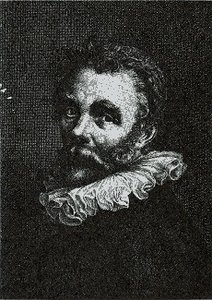
Cornelis Ketel
1548 - 1616 , Netherlands
Quick Facts
- Artistic Movement Or Style: Mannerism
- Artists Or Movements Influenced By This Artist:
- Cornelis van der Voort
- Pieter Isaacsz
- Artists Who Influenced This Artist:
- Jean de la Hame
- Anthonie Blocklandt
- Date Of Birth: 1548
- Date Of Death: 1616
- Full Name: Cornelis Ketel
- Nationality: Dutch
- Notable Artworks:
- Portrait of Adam Wachendorff
- The Company of Captain Rosecrans
- Portrait of Hendrick de Keyser
- Place Of Birth: Gouda, Netherlands
Related Articles
Cornelis van Poelenburch: Bridging Mannerism & the Dutch Baroque Landscape
Discover Cornelis van Poelenburch, a pivotal Dutch Baroque landscape painter bridging Mannerism & Italianate styles. Explore his life, key works, and lasting influence on 17th-century art with ArtsDot.
Cornelis Springer: A Dutch Master of Cityscapes & Intimate Reflections
Explore the captivating world of Cornelis Springer (1817-1891), a Dutch master renowned for his detailed cityscapes and atmospheric paintings. Discover his life, style & available artworks at ArtsDot.
Echoes of Olympus: Mythological Narratives in Western Art Through the Ages
Explore the captivating history of mythological narratives in Western art! From ancient Greece to modern masterpieces, discover iconic artworks & symbolism. Expert analysis and high-quality reproductions at ArtsDot.

Dutch Masters: 10 Golden Age Paintings That Still Inspire |
Journey into the Dutch Golden Age! Explore 10 iconic paintings by Rembrandt, Vermeer & Hals. Discover the stories behind these Baroque masterpieces and find museum-quality art reproductions to elevate your home decor on .
Maerten van Heemskerck: Bridging Mannerism & Renaissance Ideals
Explore the captivating world of Maerten van Heemskerck, a pivotal Dutch Renaissance painter bridging Mannerism & Italian influence. Discover his masterpieces and legacy with ArtsDot.