 Preview
 Send
Send Share
Share
 Details

 Download
 Similars
 X-Ray
X-Ray Diaporama
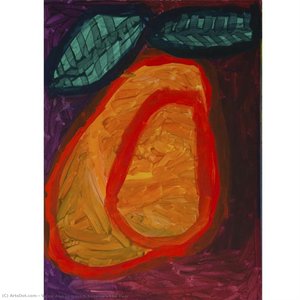
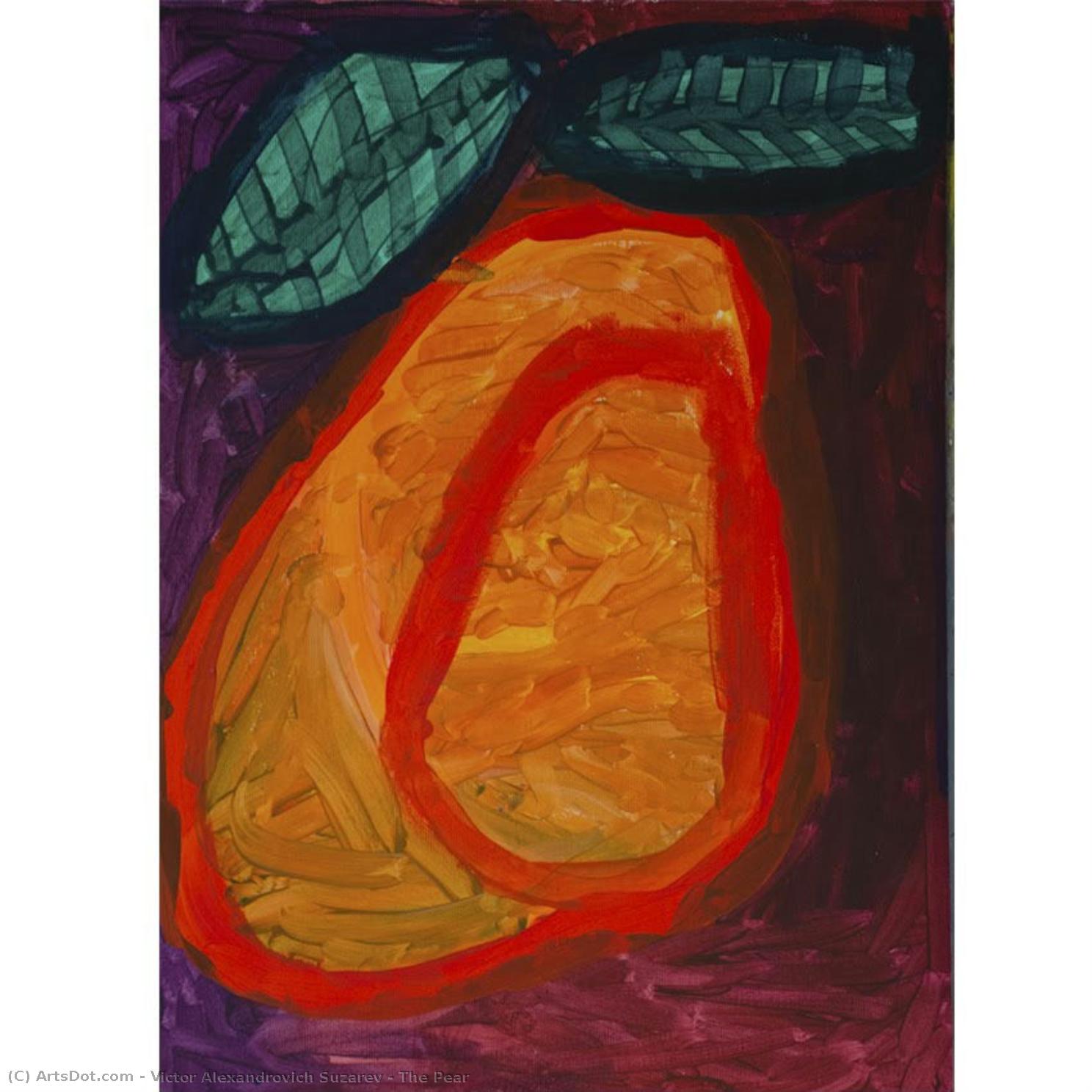
The Pear


 Read More
Hand Made Oil Reproduction
Hand-painted oil on canvas in your size and frame, made to order by our artists. ( Buy Print Buy Image)




P118B $10

P118H $10

P118W $10

P438Z $10

P508JH $12

P508YH $12

P805H $10

P805Z $10

P919BZ $10

P919G $10

P919XJ $10

P959ZH $10

P968JZ $12

W106C $8

W218G $10

W218JH $8

W218Y $10

W307PJ $10

W316G $10

W316PJ $8

W316Y $10

W398PJ $8

W4111J $10

W500HY $15

W500JH $15

W692G $12

W849H $8

W940BG $15

W953PJ $8




Pick from our preset sizes that match the artwork's original proportions.

You may enter your own dimensions to fit a specific frame or space. If your selected size does not match the original image's proportions, we will either crop the artwork or extend the painting with additional hand-painted elements. A digital mockup will be sent for your approval before production begins.
Please note that the on-screen preview does not reflect the actual cropping or extension. Only the mockup will accurately show the final composition.
While custom sizes are available, we recommend selecting a dimension from the predefined list to preserve the original proportions.
After order, ArtsDot.com team will email client for instructions and provide a mockup preview
Worldwide Delivery () in 3/4 weeks instead of standard 5 weeks. (21 August). No compromise on quality.

Free Worldwide Express Shipping

High-Quality Linen Canvas

Full Shipping Insurance

Customs Tax Refund Guarantee

True Color Matching Guarantee

60-Day Return Policy (Defects Only)

100% Money-Back Guarantee

Bulk Discount Offer
 Glass option is only available in size under 110 CM

The Pear
Reproduction Medium
Reproduction Size
-


Total Price
$ 263
Artwork Description
A Silent Conversation: Viktor Suzarev’s “The Pear”
Viktor Alexandrovich Suzarev's "The Pear" isn’t merely a still life; it’s an intimate tableau, a quiet meditation on loneliness and connection rendered in thick, luminous strokes. Painted in 2020, this work immediately draws the eye with its bold simplicity – two pears dominating the canvas against a vibrant, almost aggressively red background. Yet, beneath this initial impact lies a complex layering of meaning, hinting at themes of isolation, companionship, and the artist’s own internal landscape.
Suzarev's style is distinctly expressive, leaning heavily into the traditions of Russian avant-garde painting while simultaneously forging his own unique voice. He employs an impasto technique – applying paint thickly with visible brushstrokes – that imbues the canvas with a remarkable tactile quality. The red isn’t just color; it’s energy, a pulsating force that seems to emanate from the fruit itself, demanding attention and creating a dramatic contrast with the pear's pale flesh. This deliberate use of color speaks to a desire to capture not just appearance but also feeling – the raw emotion embedded within each object.
The Weight of Solitude
The subject matter—two pears—is deceptively profound. In his biography, Kerry James Marshall’s influence is noted, suggesting an awareness of representation and the often-overlooked narratives within everyday scenes. Here, however, the pears aren't presented as subjects for observation but rather as silent witnesses to a solitary existence. The arrangement feels deliberately unbalanced, mirroring the emotional state of the artist – perhaps a yearning for connection amidst a pervasive sense of isolation.
Suzarev’s background in Moscow further informs this interpretation. Russian art history is rich with depictions of loneliness and introspection, particularly during periods of political and social upheaval. The painting subtly echoes these themes, inviting viewers to contemplate the quiet moments of reflection that often define human experience. It's a poignant reminder that even within the most familiar objects—a simple fruit—lies the potential for profound emotional resonance.
A Glimmer of Shared Existence
Interestingly, Suzarev’s process reveals an element of serendipity. The artist recounts how one pear seemingly appeared on the canvas “by itself,” suggesting a spontaneous creation born from intuition and perhaps even a subconscious desire for duality. This anecdote adds another layer to the work's meaning – a suggestion that connection can emerge unexpectedly, transforming solitude into something resembling companionship.
The thick application of paint, almost glassy in its sheen, contributes significantly to this sense of shared existence. It’s as if the artist has poured his very essence onto the canvas, creating a tangible link between himself and the subject matter. The light seems to *overflow* from the painting, suggesting an abundance of feeling and a willingness to share that emotion with the viewer.
Collecting the Moment
"The Pear" is more than just a beautiful image; it’s a carefully constructed meditation on human experience. Suzarev's masterful use of color, texture, and composition invites viewers to contemplate themes of loneliness, connection, and the quiet beauty found in everyday objects. This piece would be an exceptional addition to any collection, offering both aesthetic pleasure and intellectual stimulation – a timeless reminder that even in silence, there is always something to say.
Consider commissioning a high-quality reproduction to bring this evocative artwork into your home or office. It’s a powerful statement of artistic vision, guaranteed to spark conversation and inspire reflection.
Related Artworks
Artist Biography
Kerry James Marshall: A Voice of the Unseen
Born in Birmingham, Alabama, on October 17, 1955, Kerry James Marshall’s life and artistic journey are inextricably linked to the experiences of being Black in America – specifically, the legacy of the Great Migration and the realities of urban life in the mid-20th century. Raised in Los Angeles's South Central neighborhood and later residing in Chicago, Marshall’s work emerged from a profound engagement with history, representation, and the persistent invisibility of African American figures within Western art traditions. His career, spanning decades, has been marked by a deliberate challenge to established norms, a commitment to portraying Black subjects with dignity and complexity, and an ongoing exploration of the power of image.
Marshall’s early artistic influences were shaped by several key factors. He began his training under Charles White, a prominent social realist painter who instilled in him a deep appreciation for figurative representation and a sense of social responsibility. This mentorship, coupled with his childhood experiences witnessing the Black Panther Party's activities in Los Angeles, fueled a desire to confront issues of race, identity, and power within his art. He studied at the Otis Art Institute of Los Angeles County, where he honed his skills in painting, ultimately earning a BFA in 1978. It was during this period that Marshall began to develop his distinctive style – large-scale paintings characterized by meticulous detail, bold colors, and a deliberate invocation of historical art conventions.
The Language of Painting
Marshall’s artistic language is instantly recognizable. He frequently references the traditions of European painting—particularly Renaissance portraiture and history painting—but subverts these established forms to depict Black subjects in ways that were historically absent. His figures are often posed with a formal dignity, reminiscent of classical sculptures or portraits, yet they are firmly rooted in contemporary African American life. He meticulously recreates the compositional elements of traditional paintings – elaborate backgrounds, dramatic lighting, and carefully constructed narratives – but fills them with scenes of Black families, workers, and everyday activities. This juxtaposition creates a powerful tension between the familiar and the unfamiliar, forcing viewers to confront their own assumptions about representation and history.
A key element of Marshall’s work is his use of color. He employs vibrant hues – reds, yellows, blues – with an almost operatic intensity, drawing inspiration from the traditions of African textiles and the visual culture of Black communities. These colors are not merely decorative; they carry symbolic weight, conveying emotion, history, and cultural significance. Furthermore, Marshall’s meticulous attention to detail—from the texture of clothing to the expressions on his subjects' faces—creates a sense of realism that is both captivating and unsettling.
Themes and Historical Context
Marshall’s work consistently grapples with themes of identity, representation, and social justice. He directly addresses the historical exclusion of Black people from the canon of Western art, challenging the notion that European aesthetics represent universal standards of beauty or truth. His paintings are not simply portraits; they are acts of reclamation—a deliberate effort to bring Black subjects into the narrative of art history. The influence of the Great Migration and the experiences of urban Black communities in Chicago are central to his work, as he depicts scenes of daily life – from family gatherings to industrial labor – with a keen eye for detail and social commentary.
In 1987, Marshall famously wrote “Looking at Pictures,” an essay published in *Artforum*, where he articulated his artistic philosophy. He argued that the absence of Black figures in art history was not merely a matter of oversight but a reflection of systemic racism and cultural bias. Marshall’s work can be seen as a direct response to this critique, a deliberate attempt to fill the void left by centuries of exclusion.
Major Achievements and Legacy
Kerry James Marshall's career has been marked by numerous significant achievements. He has held solo exhibitions at major museums around the world, including the Museum of Contemporary Art Chicago, The Metropolitan Museum of Art, and the Royal Academy of Arts in London. His work is included in prominent collections such as those of the Smithsonian American Art Museum, the Whitney Museum of American Art, and the National Gallery of Art. In 2017, he was recognized as one of *Time* magazine’s 100 most influential people in the world, a testament to his profound impact on contemporary art and culture.
Marshall's legacy extends far beyond his individual artworks. He has inspired generations of artists—particularly Black artists—to explore themes of identity, representation, and social justice. His work continues to provoke critical dialogue about the role of art in shaping our understanding of history and society. He remains a vital voice in contemporary art, reminding us of the importance of confronting uncomfortable truths and celebrating the richness and complexity of human experience.
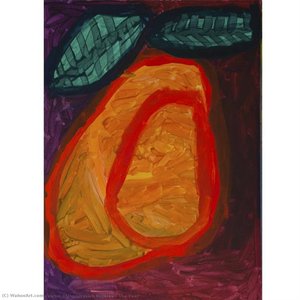
victor alexandrovich suzarev
1955 - , Russia
Quick Facts
- Artistic Movement Or Style: Narrative realism
- Artists Or Movements Influenced By This Artist: ['Social Realism']
- Artists Who Influenced This Artist: ['Charles White']
- Date Of Birth: October 17, 1955
- Full Name: Kerry James Marshall
- Nationality: American
- Notable Artworks:
- Small Arches
- The Pavilion
- Christmas Tree
- Pastimes
- Place Of Birth: Birmingham, Alabama
Related Articles
Silent Narratives: Exploring the Enduring Appeal of Still Life Painting Across Centuries
Explore the rich history of still life painting with ArtsDot. Discover Dutch Masters, decode vanitas symbolism & learn about collecting timeless art. Expert insights and museum-quality reproductions.
Clyfford Still's Abstract Expressionism: A Study of Color, Form & the Existential Landscape
Explore the profound world of Clyfford Still's Abstract Expressionism with ArtsDot. Discover his unique style, existential themes & investment potential. Expert analysis for discerning collectors.
The Enduring Appeal of Still Life: A Historical & Contemporary Exploration
Explore the rich history & symbolism of still life painting with ArtsDot. Discover masterpieces from the Dutch Golden Age, learn about vanitas art, and find expert guidance for collecting timeless artworks.
From Classical Still Life to Contemporary Abstraction: Elevating Villa Entertaining Spaces Through Artful Reproduction
Explore the history of still life painting & discover how artful reproductions elevate villa entertaining spaces. Expert guidance, museum-quality prints & custom artwork at ArtsDot.com.
Abraham Hendricksz van Beyeren: Pioneering Dutch Still Life & the Banquet Tradition
Explore the captivating world of Dutch Golden Age still life with Abraham van Beyeren. Discover his innovative techniques, symbolic banquet scenes & lasting influence on art history. Learn about collecting these masterpieces.