 Preview
 Send
Send Share
Share
 Details

 Download
 Similars
 X-Ray
X-Ray Diaporama
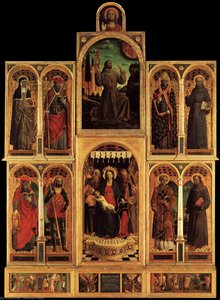
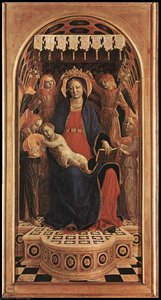
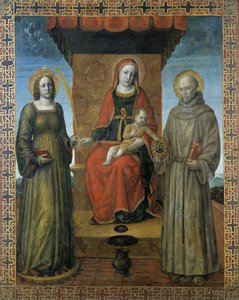
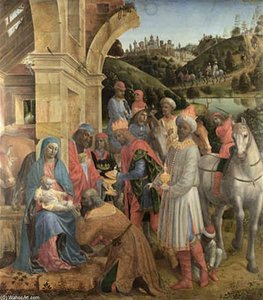
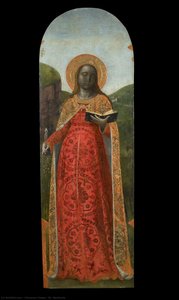
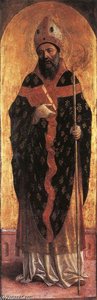
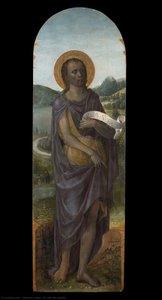
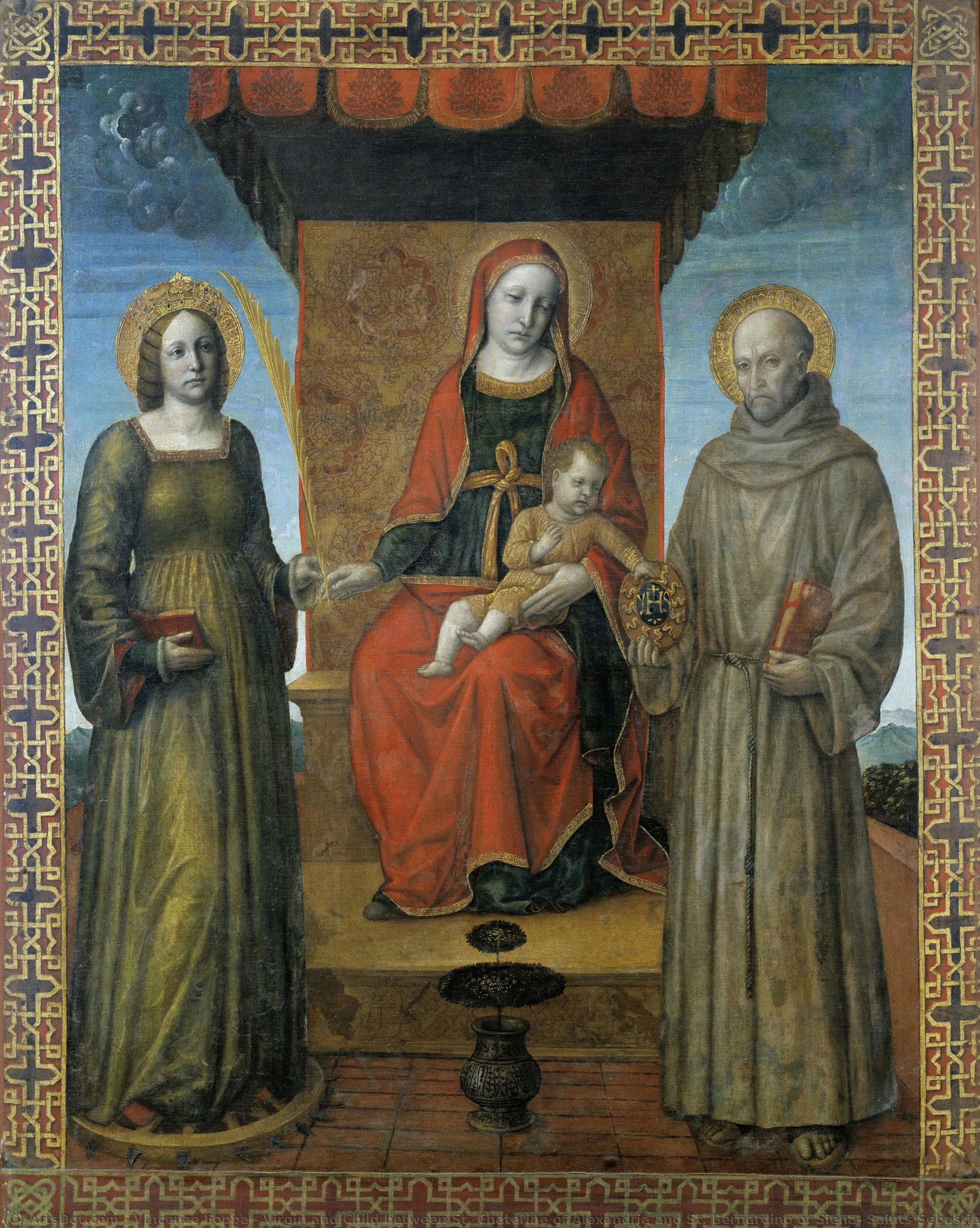
Virgin and Child between St. Chaterine of Alexandria and St. Bernardino of Siena, Saints Sebastian, George and Roch


 Read More
Hand Made Oil Reproduction
Hand-painted oil on canvas in your size and frame, made to order by our artists. ( Buy Print Buy Image)




P118B $10

P118H $10

P118W $10

P438Z $10

P508JH $12

P508YH $12

P805H $10

P805Z $10

P919BZ $10

P919G $10

P919XJ $10

P959ZH $10

P968JZ $12

W106C $8

W218G $10

W218JH $8

W218Y $10

W307PJ $10

W316G $10

W316PJ $8

W316Y $10

W398PJ $8

W4111J $10

W500HY $15

W500JH $15

W692G $12

W849H $8

W940BG $15

W953PJ $8




Pick from our preset sizes that match the artwork's original proportions.

You may enter your own dimensions to fit a specific frame or space. If your selected size does not match the original image's proportions, we will either crop the artwork or extend the painting with additional hand-painted elements. A digital mockup will be sent for your approval before production begins.
Please note that the on-screen preview does not reflect the actual cropping or extension. Only the mockup will accurately show the final composition.
While custom sizes are available, we recommend selecting a dimension from the predefined list to preserve the original proportions.
After order, ArtsDot.com team will email client for instructions and provide a mockup preview
Worldwide Delivery () in 3/4 weeks instead of standard 5 weeks. (17 August). No compromise on quality.

Free Worldwide Express Shipping

High-Quality Linen Canvas

Full Shipping Insurance

Customs Tax Refund Guarantee

True Color Matching Guarantee

60-Day Return Policy (Defects Only)

100% Money-Back Guarantee

Bulk Discount Offer
 Glass option is only available in size under 110 CM

Virgin and Child between St. Chaterine of Alexandria and St. Bernardino of Siena, Saints Sebastian, George and Roch
Reproduction Medium
Reproduction Size
-


Total Price
$ 263
Artwork Description
A Testament to Faith: Vincenzo Foppa’s ‘Virgin and Child’
Vincenzo Foppa's “Virgin and Child between St. Chaterine of Alexandria and St. Bernardino of Siena, Saints Sebastian, George and Roch” stands as a poignant emblem of devotion and a remarkable testament to the evolving artistic sensibilities of early 16th-century Italy. Commissioned by the Comune di Orzinuovi as an ex voto – a votive offering – intended to halt the devastating plague that ravaged the region, this painting transcends mere religious iconography; it embodies a profound human response to suffering and a burgeoning engagement with the realities of mortality.
- A Masterful Blend: Foppa’s work represents a crucial juncture in his artistic trajectory. Departing from the more flamboyant styles prevalent at the time, he embraced a restrained aesthetic, a move often characterized as “grisaille” – a technique employing muted tones to create depth and atmosphere. This approach, meticulously documented by Longhi, allowed him to "velare, avvolgere, abbassare tutta la gamma" of the painting’s colors, imbuing the scene with an almost ethereal quality.
- Humanity in Form: The figures themselves are rendered with a startling honesty. Gone are the idealized, flawlessly proportioned forms favored by some of his contemporaries. Instead, Foppa presents us with a disarmingly realistic depiction of human vulnerability – sgraziate and slightly disjointed bodies that speak to the raw emotion of the scene. This deliberate imperfection wasn’t a flaw; it was a profound exploration of reality.
Symbolism and Devotional Context
The composition is layered with potent religious symbolism, reflecting the anxieties and spiritual needs of 15th-century Orzinuovi. The central figures – the Virgin Mary and Child – are universally recognized symbols of hope and salvation, while the presence of St. Catherine of Alexandria (known for her wisdom and martyrdom) and St. Bernardino of Siena (a fervent preacher and mystic) underscores the invocation of divine protection against disease and despair. The inclusion of Sebastian, George, and Roch, each bearing their respective emblems – a pouncing cat, a dragon, and a club – further reinforces this plea for intercession.
- The Saints as Protectors: These saints were not merely decorative elements; they represented tangible forces against the plague. Their presence served as a powerful reminder of faith’s ability to combat earthly suffering.
- A Scene of Prayer: The arrangement of the figures, particularly in the scene with the three saints, suggests a moment of fervent prayer and supplication – a collective act of devotion aimed at securing divine mercy.
Technique and Artistic Innovation
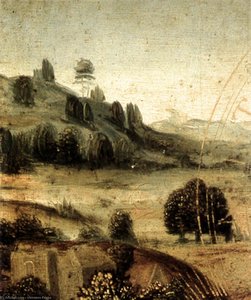
Foppa’s technical skill is evident in his meticulous rendering of textures and details. The artist's use of oil paint, combined with his innovative approach to light and shadow, creates a remarkable sense of depth and volume. Note the subtle gradations of color, particularly in the drapery, which adds to the painting’s realism. The landscape background, rendered with an economy of means, is illuminated by a diffused light that further enhances the scene's emotional impact.
- A Study in Light: Foppa’s exploration of light – its ability to both reveal and conceal – is central to the painting’s power. The carefully placed highlights draw attention to key figures, while the shadows contribute to a sense of solemnity and mystery.
- The Power of Simplicity: Despite his technical mastery, Foppa's greatest achievement lies in his ability to convey profound emotion through simplicity. He eschewed elaborate ornamentation in favor of directness and sincerity, creating an image that resonates with timeless beauty and spiritual depth.
Emotional Impact and Legacy
"Virgin and Child" is more than just a religious painting; it’s a window into the anxieties and aspirations of a community grappling with unimaginable suffering. The raw emotion conveyed by Foppa's figures – their vulnerability, their faith, their hope – continues to captivate viewers centuries later. This work represents a pivotal moment in Vincenzo Foppa’s artistic development, solidifying his position as a key figure in the transition from Gothic to Renaissance painting and demonstrating a profound understanding of human emotion within a deeply spiritual context.
Related Artworks

Artist Biography
A Lombard Visionary: The Life and Art of Vincenzo Foppa
Vincenzo Foppa, a name perhaps less instantly recognizable than those of his Renaissance contemporaries, nevertheless stands as a pivotal figure in Italian art history. Born around 1427 in Bagnolo Mella, near Brescia, Foppa emerged as the leading light of the early Lombard school of painting, forging a distinctive style that blended Gothic traditions with burgeoning humanist ideals. His career unfolded primarily under the patronage of the powerful Sforza family, Dukes of Milan, and his influence resonated throughout Lombardy and Liguria before he returned to his native Brescia for his final years, passing away in 1515. While the surviving body of work is relatively small—a lamentable consequence of time and circumstance—the impact of Foppa’s artistic vision remains profoundly evident in the subsequent development of painting across Northern Italy.Formative Years and Artistic Pilgrimage
The art scene in Brescia during Foppa's youth was not particularly vibrant, necessitating a search for training elsewhere. The precise details of his apprenticeship remain shrouded in some mystery, but it’s clear he embarked on an artistic pilgrimage to absorb the prevailing styles and techniques of the era. Early influences are readily apparent in his work: the delicate lyricism of Gentile da Fabriano's frescoes in Brescia’s Broletto Chapel, and the refined elegance of Jacopo Bellini’s woven *Annunciation*. The latter artist appears to have exerted a particularly strong pull, with some scholars suggesting Foppa may even have been directly apprenticed to him. Other potential mentors include Bonifacio Bembo, while speculation also points towards early training in Padua under Francesco Squarcione. However, his earliest works reveal stylistic affinities with Pisanello and Gentile da Fabriano, leading many to believe that formal instruction likely took place in Verona—a city then flourishing as a center of artistic innovation. This period of absorption and experimentation laid the foundation for Foppa’s unique synthesis of diverse influences.The Sforza Patronage and Lombard Innovations
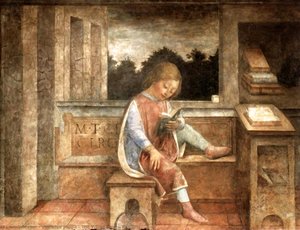
Foppa's fortunes dramatically shifted when he came to the attention of Duke Francesco Sforza in Pavia around 1458. His skills quickly secured commissions, including a prestigious project in Genoa—frescoes for the Chapel of St. John the Baptist in the cathedral, sadly lost during 16th-century renovations. A glowing letter of recommendation from Sforza opened doors to further opportunities, and in 1463, Foppa was summoned to Milan itself. Here, he undertook significant projects such as frescoes for the portico of the new Ospedale Maggiore and a series of elaborate decorations within the Medici Bank of Milan. These latter works are particularly noteworthy, depicting eight Roman emperors—including a detailed sketch of Trajan—alongside a striking portrait of Francesco Sforza and his family. It is during this period that Foppa truly established the hallmarks of the Lombard school. His paintings began to exhibit a distinctive grayish tonality in skin tones, a characteristic that would become widely imitated by subsequent generations of artists. He masterfully blended Gothic elegance with emerging Renaissance principles of perspective and naturalism, creating compositions that were both visually captivating and intellectually engaging. The Young Cicero Reading, the sole surviving secular fragment from the Medici Bank frescoes—now housed in the Wallace Collection in London—exemplifies this synthesis, showcasing Foppa’s ability to convey psychological depth and narrative complexity.Legacy and Historical Significance
Despite the loss of many of his works, Vincenzo Foppa's influence on Lombard painting was profound. He established a regional style that served as a bridge between the late Gothic period and the High Renaissance. His emphasis on realistic depiction, coupled with a refined sense of color and composition, paved the way for artists such as Vincenzo Civerchio and Girolamo Romanino. Giorgio Vasari, the celebrated art historian, recognized Foppa as one of the greatest painters of his era—a testament to his skill and reputation during his lifetime. Foppa’s artistic legacy extends beyond mere stylistic imitation. He demonstrated a remarkable ability to adapt and synthesize diverse influences, creating a uniquely Lombard aesthetic that reflected the cultural and political landscape of his time. His work embodies a spirit of innovation and experimentation, making him not only a master craftsman but also a visionary artist who helped shape the course of Italian Renaissance painting. Vincenzo Foppa, though perhaps less celebrated than some of his more famous contemporaries, remains an essential figure for understanding the rich tapestry of 15th-century art in Northern Italy.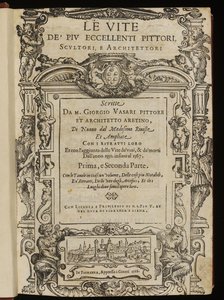
Vincenzo Foppa
1427 - 1515 , Italy
Quick Facts
- Artistic Movement Or Style: Early Renaissance
- Artists Or Movements Influenced By This Artist:
- Vincenzo Civerchio
- Girolamo Romanino
- Artists Who Influenced This Artist:
- Jacopo Bellini
- Gentile da Fabriano
- Date Of Birth: 1427
- Date Of Death: 1515
- Full Name: Vincenzo Foppa
- Nationality: Italian
- Notable Artworks:
- Madonna and Child
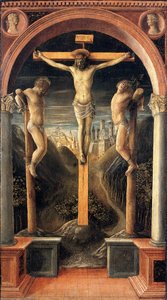
- Crucifixion (1456)
- The Young Cicero Reading
- Place Of Birth: Bagnolo Mella, Italy
Related Articles

El Greco's Masterpieces: Explore 25 Iconic Paintings & Spiritual Visions | ArtsDot
Journey through El Greco's 25 most iconic paintings! Explore the spiritual depth & dramatic beauty of this Spanish Renaissance master. Discover art history, techniques & find museum-quality reproductions for your home at ArtsDot.com.
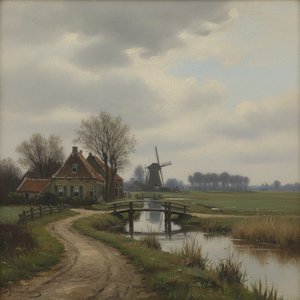
Jacob Henricus Maris: A Master of Dutch Atmospheric Realism & the Intimate Landscape
Explore the captivating world of Jacob Henricus Maris, a leading figure of the Dutch Hague School. Discover his atmospheric landscapes, signature brushstrokes & lasting influence on 19th-century art. Learn more at ArtsDot.
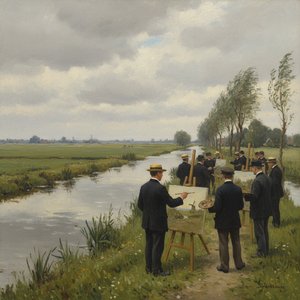
The Hague School: Realism, Atmosphere & the Dawn of Dutch Impressionism
Explore the Hague School's pivotal role in Dutch art history. Discover realism, atmospheric landscapes & its influence on Impressionism. Learn about key artists like Mauve & Maris with ArtsDot.
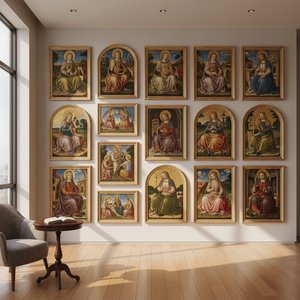
Fra Angelico's Masterpieces: 25 Renaissance Paintings for Your Home | ArtsDot
Explore 25 breathtaking masterpieces by Fra Angelico, a Renaissance master. Discover the stories behind his iconic frescoes, Annunciations & religious art. Find museum-quality reproductions and elevate your home decor with ArtsDot.com.
Giotto's Masterpieces: 25 Renaissance Artworks for Your Home | ArtsDot
Explore 25 breathtaking artworks by Giotto di Bondone, a Renaissance master. Discover the stories behind iconic frescoes & paintings like the Scrovegni Chapel cycle. Find museum-quality Giotto reproductions and elevate your home decor with ArtsDot.com.