

 Preview
 Send
Send Share
Share
 Details

 Download
 Similars
 X-Ray
X-Ray Diaporama
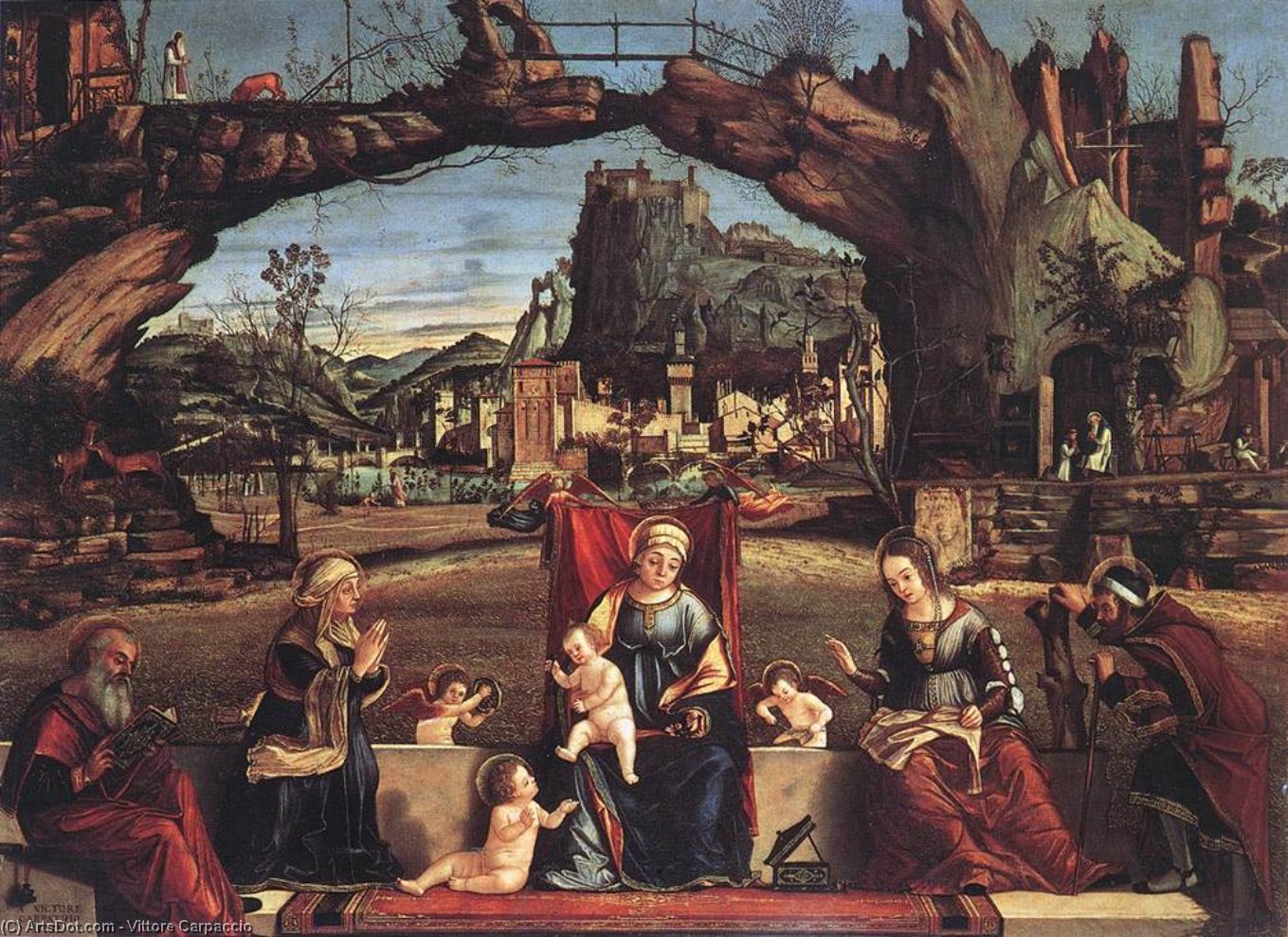
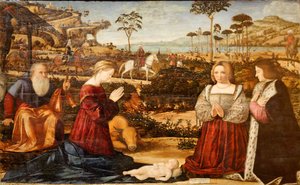
Holy Conversation
 Acrylic On Canvas
- WallArt
- High Renaissance
 1505
1505 92.0 x 126.0 cm
 Musée du Petit Palais
 Read More
Purchase a high-resolution, enhanced digital image, far superior to the online preview.
Each file is meticulously prepared by our in-house specialists using advanced tools and expert manual retouching. We ensure every image has exceptional clarity, precise color accuracy, and fine detail.
The final file is delivered via email within 72 hours, optimized for immediate use in professional, editorial, and print environments. This is the same quality trusted by top-tier design studios, publishers, and galleries.
Digital Image
Download a high-resolution file for personal display, printing, and creative projects. ( Buy Print Buy Hand Made Painting)
Included in Every Digital Image Order
Expert Digital Delivery, Guaranteed
When you choose ArtsDot.com, you're not just getting an image - you're receiving a professionally enhanced digital artwork, crafted with precision and backed by a satisfaction guarantee. Here's everything that comes with your order, automatically:

Fast Email Delivery
Your high-resolution digital image file will be emailed to you within 72 hours of ordering - ready for immediate use.

AI-Enhanced Digital File
Your artwork is professionally optimized using advanced AI tools and manual editing, ensuring maximum detail, clarity, and color accuracy.

Free Lifetime Re-Delivery
Accidentally deleted or lost your file? No worries - we'll resend it to you anytime, free of charge.

No Import Fees - Ever
Enjoy your artwork instantly with zero customs, duties, or delivery fees - digital downloads are always tax-free.

Color Accuracy Guarantee
We ensure your digital image reflects the original colors as closely as possible using professional tools and color management.

60-Day Satisfaction Guarantee
If you're not satisfied with your digital image, we'll revise it or refund 100% within 60 days - no questions asked.

100% Money-Back Guarantee
Not satisfied? Get a full refund within 60 days of receiving your digital file - no questions asked.

Bulk Order Discounts
Buy 3 images, save 10% - Buy 5, save 15% - Buy 10+, save 20%. Great for creative projects, galleries, and agencies.
Collectible Description
Holy Conversation by Vittore Carpaccio
Vittore Carpaccio’s “Holy Conversation,” completed around 1505 in Venice, stands as a testament to the enduring influence of early Netherlandish art blended seamlessly with Venetian Renaissance sensibilities. More than just a depiction of religious iconography—specifically Saint Ursula and her companions—the painting embodies a profound meditation on faith, humility, and the quiet dignity of spiritual contemplation.
Style & Technique: Carpaccio’s approach diverges markedly from the flamboyant grandeur favored by many contemporaries. Unlike artists such as Raphael or Michelangelo, he eschewed dramatic poses and opulent ornamentation, opting instead for a restrained palette and meticulous attention to detail. Influenced heavily by Antonello da Messina's masterful use of oil paint—a technique still emerging in Venice at the time—Carpaccio employed tempera on canvas, achieving remarkable luminosity and capturing subtle gradations of color. The artist’s painstaking layering of glazes creates an ethereal atmosphere, reminiscent of Flemish landscapes.
Historical Context: Created during a period marked by burgeoning humanist scholarship and artistic innovation, “Holy Conversation” reflects the broader intellectual currents shaping Renaissance Venice. However, Carpaccio's stylistic choices represent a deliberate rejection of prevailing trends, prioritizing psychological realism over stylized grandeur. The painting’s genesis can be traced back to the fervent piety of the Venetian Republic—a society deeply invested in religious pilgrimage and devotion—particularly following the miraculous apparition of Saint Ursula’s relics.
Symbolism & Narrative: At its core, the artwork portrays Saint Ursula and her attendants engaged in a solemn dialogue – hence the title – reflecting on their arduous journey to Cologne Cathedral. Carpaccio meticulously renders every aspect of the scene—the weathered stone cathedral itself, the humble pilgrims huddled around a bench—creating an immersive experience for the viewer. The inclusion of symbolic elements—such as the solitary hermit and the rocky landscape—underscores themes of asceticism, contemplation, and communion with God. Carpaccio’s masterful storytelling elevates the painting beyond mere visual representation, inviting viewers to contemplate profound spiritual truths.
Emotional Impact: “Holy Conversation” possesses a remarkable ability to evoke feelings of serenity and reverence. The muted colors—primarily blues and browns—combined with the diffused light contribute to an atmosphere of solemn beauty. Carpaccio’s meticulous rendering of human emotion—captured in subtle expressions and gestures—resonates deeply with viewers, prompting reflection on faith, compassion, and the enduring power of spiritual contemplation.
Provenance & Display: Currently housed in the Musée du Petit Palais in Avignon, “Holy Conversation” continues to captivate audiences worldwide. Its luminous tempera technique and evocative composition exemplify Carpaccio’s artistic legacy—a legacy characterized by unwavering devotion to detail and a profound understanding of human psychology.
Related Artworks
Artist Biography
early life and training
vittore carpaccio, a prominent italian painter, was born in venice around 1465. he studied under the tutelage of gentile bellini, a renowned artist of the venetian school. this apprenticeship laid the foundation for carpaccio's future success.artistic style and influences
carpaccio's style was characterized by its conservative nature, showing minimal influence from the humanist trends that transformed italian renaissance painting during his lifetime. his work was influenced by antonello da messina's style and early netherlandish art. this unique blend of styles resulted in a distinctive approach to venetian painting.notable works
- the legend of saint ursula, a cycle of nine paintings, is carpaccio's most famous work. this series, now housed in the gallerie dell'accademia, showcases his mastery of narrative painting.
- glory of st. ursula altarpiece (1491) demonstrates carpaccio's skill in capturing light and color, reminiscent of giovanni bellini's style.
- miracle of the relic of the cross at the ponte di rialto (1494) highlights carpaccio's ability to balance composition and narrative.
career highlights and legacy
- carpaccio's principal works were executed between 1490 and 1519, ranking him among the early masters of the venetian renaissance.
- his orientalist style, as seen in st. george baptizing the selenites, reflects a new fascination with the levant.
- carpaccio's work has been somewhat overlooked in comparison to his contemporaries, such as giovanni bellini or giorgione.
references and further reading
discover more about vittore carpaccio and the venetian school on ArtsDot.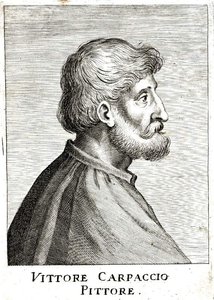
Vittore Carpaccio
1465 - 1526 , Italy
Quick Facts
- Artistic Movement Or Style: Early Venetian Renaissance
- Artists Or Movements Influenced By This Artist: ['Early Netherlandish Painting']
- Artists Who Influenced This Artist:
- Antonello da Messina
- Gentile Bellini
- Date Of Birth: Venice, Italy (c. 1465)
- Date Of Death: 1526
- Full Name: Vittore Carpaccio
- Nationality: Italian
- Notable Artworks:
- The Legend of Saint Ursula
- Glory of St. Ursula Altarpiece
- Miracle of the Relic of the Cross at the Ponte di Rialto
- Place Of Birth: Venice

