 Preview
 Send
Send Share
Share
 Details

 Download
 Similars
 X-Ray
X-Ray Diaporama
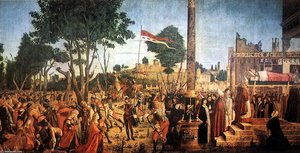
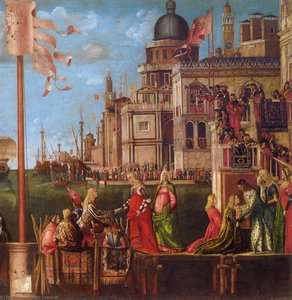
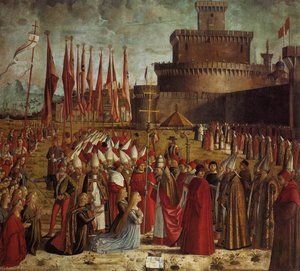
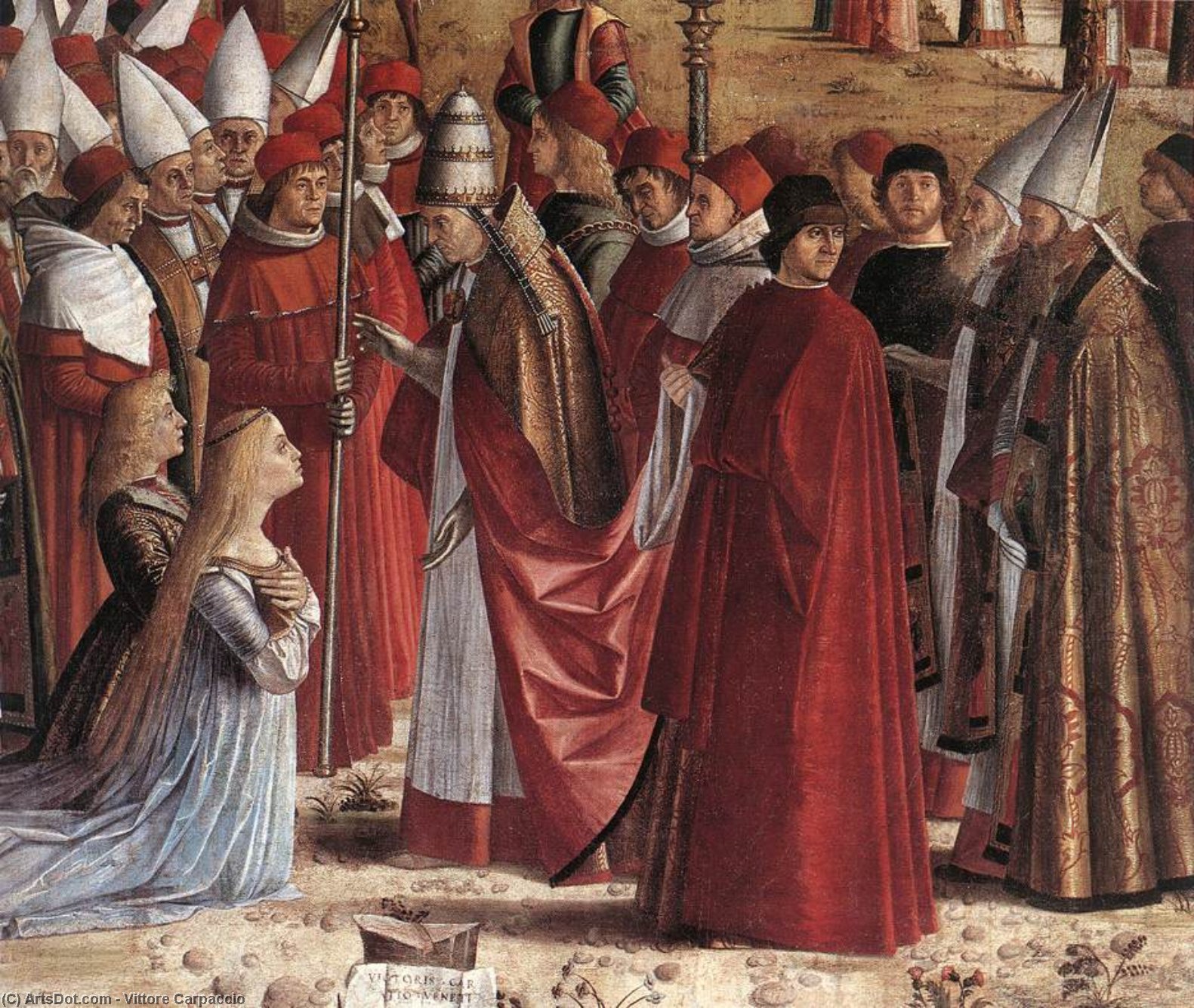
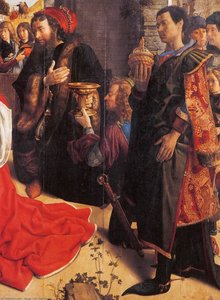
The Pilgrims Meet the Pope (detail)


 Read More
Hand Made Oil Reproduction
Hand-painted oil on canvas in your size and frame, made to order by our artists. ( Buy Print Buy Image)




P118B $10

P118H $10

P118W $10

P438Z $10

P508JH $12

P508YH $12

P805H $10

P805Z $10

P919BZ $10

P919G $10

P919XJ $10

P959ZH $10

P968JZ $12

W106C $8

W218G $10

W218JH $8

W218Y $10

W307PJ $10

W316G $10

W316PJ $8

W316Y $10

W398PJ $8

W4111J $10

W500HY $15

W500JH $15

W692G $12

W849H $8

W940BG $15

W953PJ $8




Pick from our preset sizes that match the artwork's original proportions.

You may enter your own dimensions to fit a specific frame or space. If your selected size does not match the original image's proportions, we will either crop the artwork or extend the painting with additional hand-painted elements. A digital mockup will be sent for your approval before production begins.
Please note that the on-screen preview does not reflect the actual cropping or extension. Only the mockup will accurately show the final composition.
While custom sizes are available, we recommend selecting a dimension from the predefined list to preserve the original proportions.
After order, ArtsDot.com team will email client for instructions and provide a mockup preview
Worldwide Delivery () in 3/4 weeks instead of standard 5 weeks. (16 August). No compromise on quality.

Free Worldwide Express Shipping

High-Quality Linen Canvas

Full Shipping Insurance

Customs Tax Refund Guarantee

True Color Matching Guarantee

60-Day Return Policy (Defects Only)

100% Money-Back Guarantee

Bulk Discount Offer
 Glass option is only available in size under 110 CM

The Pilgrims Meet the Pope (detail)
Reproduction Medium
Reproduction Size
-


Total Price
$ 263
Artwork Description
A Window into Venetian Life: The Pilgrims Meet the Pope
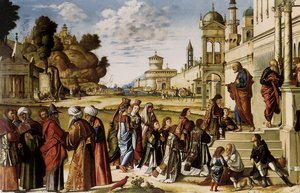
Vittore Carpaccio’s “The Pilgrims Meet the Pope” (detail) is not merely a depiction of a historical event; it's a meticulously crafted tableau vivant, a vibrant snapshot of 15th-century Venice brimming with religious fervor and civic pride. Painted around 1492, this tempera on canvas panel offers an intimate glimpse into the heart of Venetian society – a world where art, faith, and commerce intertwined seamlessly. The scene unfolds within the grand setting of Rome’s Castel Sant'Angelo, a fortress transformed into a stage for a momentous encounter between pilgrims and the Pope. Carpaccio masterfully utilizes perspective and light to draw the viewer into this bustling gathering, creating an illusion of depth and immediacy that transcends the limitations of the medium.
- Composition & Perspective: Carpaccio’s genius lies in his calculated arrangement of figures and his innovative use of perspective. The scene is dominated by a central pyramid formed by Pope Cyriacus, flanked by the English Prince and Ursula, creating a sense of stability and importance. Notice how Carpaccio employs atmospheric perspective – distant figures are rendered paler and less detailed, reinforcing the illusion of space.
- Color Palette: The painting’s rich palette—a harmonious blend of reds, blues, and golds—immediately captivates the eye. The vibrant red robes of the papal court contrast sharply with the cooler tones of the pilgrims' garments, drawing attention to the central figures.
- Detail & Ornamentation: Carpaccio’s meticulous attention to detail is remarkable. From the intricate folds of the drapery to the delicate rendering of facial features, every element contributes to the painting’s overall realism and sense of immediacy. The sheer number of details—the clarion players on the castle's bastions, the ivy clinging to the walls—demonstrates Carpaccio’s commitment to capturing the richness and complexity of Venetian life.
The Legacy of Early Netherlandish Influence
Carpaccio’s style is often described as a synthesis of early Netherlandish painting – particularly the work of Antonello da Messina – with the more conservative tendencies of Venetian art during his time. Unlike the burgeoning Renaissance humanism that was transforming Italy, Carpaccio remained rooted in a more traditional approach, prioritizing narrative clarity and meticulous detail over idealized beauty or dramatic emotion. This influence is evident in his use of precise linear perspective, his careful observation of natural forms, and his penchant for depicting scenes with a sense of realism and immediacy. He absorbed the lessons of artists like Jan van Eyck and Rogier van der Weyden, incorporating their techniques into his own distinctive style.
Carpaccio’s work stands apart from the more flamboyant styles of his contemporaries, such as Giovanni Bellini, due to its restrained palette and focus on narrative detail. He eschewed the use of bright colors and dramatic lighting in favor of a more subdued and contemplative approach.Symbolism & Religious Narrative
“The Pilgrims Meet the Pope” is not simply a historical record; it’s a complex allegory laden with religious symbolism. The painting depicts a pivotal moment in the legend of Saint Ursula, recounting her journey to Rome to receive relics from the Pope. Each figure—the pilgrims, the clergy, and the papal court—represents a specific role within the Christian community. The presence of the English Prince underscores England’s allegiance to the papacy, while the numerous bishops and prelates symbolize the authority and power of the Church. The scene itself is imbued with a sense of pilgrimage – a journey of faith undertaken for spiritual enlightenment. The inclusion of figures like Ermolao Barbaro, a prominent humanist scholar and Venetian ambassador, highlights the intersection of religious belief and intellectual inquiry during this period.
A Window into 15th-Century Venice
Beyond its religious significance, “The Pilgrims Meet the Pope” offers a valuable glimpse into the vibrant culture of 15th-century Venice. The painting captures the city’s wealth, power, and civic pride – its bustling markets, magnificent palaces, and thriving artistic community. Carpaccio's meticulous depiction of Venetian architecture, fashion, and social customs provides a rich source of information for art historians and scholars alike. Reproducing this artwork allows us to experience a moment in time, transporting us back to the heart of Renaissance Venice. The painting’s enduring appeal lies not only in its artistic merit but also in its ability to connect us to a distant past.
Related Artworks
Artist Biography
early life and training
vittore carpaccio, a prominent italian painter, was born in venice around 1465. he studied under the tutelage of gentile bellini, a renowned artist of the venetian school. this apprenticeship laid the foundation for carpaccio's future success.artistic style and influences
carpaccio's style was characterized by its conservative nature, showing minimal influence from the humanist trends that transformed italian renaissance painting during his lifetime. his work was influenced by antonello da messina's style and early netherlandish art. this unique blend of styles resulted in a distinctive approach to venetian painting.notable works
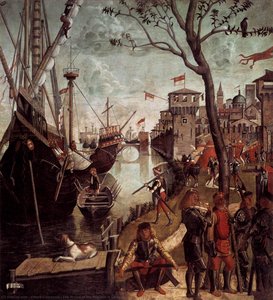
- the legend of saint ursula, a cycle of nine paintings, is carpaccio's most famous work. this series, now housed in the gallerie dell'accademia, showcases his mastery of narrative painting.
- glory of st. ursula altarpiece (1491) demonstrates carpaccio's skill in capturing light and color, reminiscent of giovanni bellini's style.
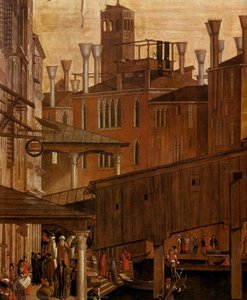
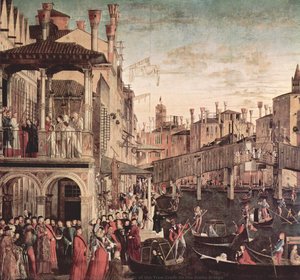
- miracle of the relic of the cross at the ponte di rialto (1494) highlights carpaccio's ability to balance composition and narrative.
career highlights and legacy
- carpaccio's principal works were executed between 1490 and 1519, ranking him among the early masters of the venetian renaissance.
- his orientalist style, as seen in st. george baptizing the selenites, reflects a new fascination with the levant.
- carpaccio's work has been somewhat overlooked in comparison to his contemporaries, such as giovanni bellini or giorgione.
references and further reading
discover more about vittore carpaccio and the venetian school on ArtsDot.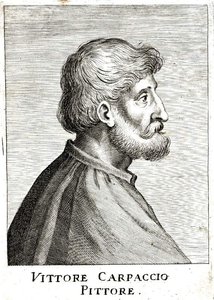
Vittore Carpaccio
1465 - 1526 , Italy
Quick Facts
- Artistic Movement Or Style: Early Venetian Renaissance
- Artists Or Movements Influenced By This Artist: ['Early Netherlandish Painting']
- Artists Who Influenced This Artist:
- Antonello da Messina
- Gentile Bellini
- Date Of Birth: Venice, Italy (c. 1465)
- Date Of Death: 1526
- Full Name: Vittore Carpaccio
- Nationality: Italian
- Notable Artworks:
- The Legend of Saint Ursula
- Glory of St. Ursula Altarpiece
- Miracle of the Relic of the Cross at the Ponte di Rialto
- Place Of Birth: Venice
Related Articles
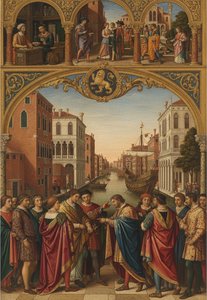
Vittore Carpaccio: Venetian Renaissance Narrative & the Poetics of Detail
Explore the captivating world of Vittore Carpaccio, a master storyteller of the Venetian Renaissance. Discover his intricate details, narrative cycles like 'The Legend of St. Ursula,' and unique artistic style.
Francis Bacon's Masterpieces: Exploring 25 Iconic Paintings | ArtsDot
Delve into the haunting world of Francis Bacon with ArtsDot. Explore 25 iconic paintings, from his visceral portraits to powerful triptychs. Discover the stories behind these masterpieces & find museum-quality art reproductions for your home. Explore the full collection online!

Thomas Stothard: Bridging Neoclassical Ideals with Romantic Sensibility – A Reassessment
Explore the life & art of Thomas Stothard (1755-1834), a pivotal figure bridging Neoclassicism and Romanticism. Discover his exquisite book illustrations, iconic paintings like 'The Canterbury Pilgrims,' and lasting influence on British art.