 Preview
 Send
Send Share
Share
 Details

 Download
 Similars
 X-Ray
X-Ray Diaporama
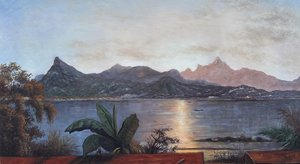
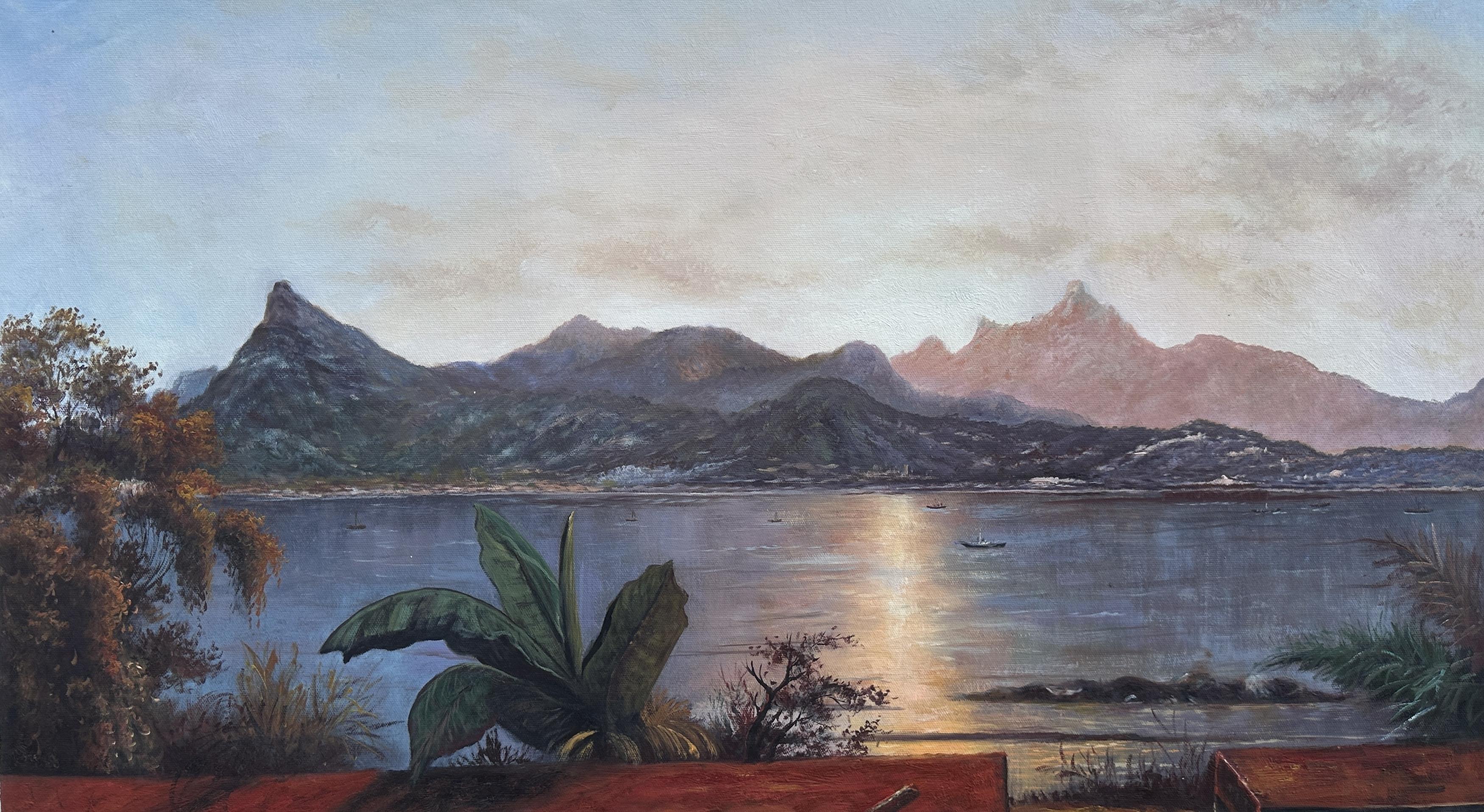
Sunset Harbor at Rio - Martin Johnson Heade
 Acrylic
- WallArt
- Luminism
 2026
2026- Studio Hand Painted Art Available Now
 51 x 92 cm
- Artwork Reference (Famous): Sunset: Harbor at Rio
 Read More
Stock Discount Oil Painting Available
In-stock hand-painted oil work ready to ship; add framing when you check out. ()






































 Glass option is only available in size under 110 CM

Sunset Harbor at Rio - Martin Johnson Heade
Stock Discount Oil Painting Available
Reproduction Size
-


Express Shipping
Express Worldwide Shipping. One week. (27 July).
Included
Total Price
$ 102
Artwork Description
A Glimpse of Paradise: Heade’s Brazilian Serenity
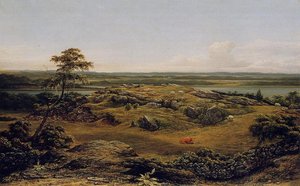
Martin Johnson Heade's “Sunset Harbor at Rio” (1864) is more than just a landscape; it’s an invitation to escape, a whisper of the exotic carried on the warm breath of a tropical evening. Painted during his sojourn in Brazil, this work exemplifies the artist’s mastery of Luminism – a distinctly American style that sought to capture the ephemeral qualities of light and atmosphere with almost scientific precision, yet imbued with a profound sense of poetic feeling. Heade wasn't merely documenting a scene; he was distilling an *experience* of nature, a moment of sublime tranquility.
The painting depicts the harbor of Rio de Janeiro bathed in the golden hues of either sunrise or sunset. The composition is beautifully balanced: lush foliage frames the foreground, leading the eye towards the distant city shimmering on the water. Two small boats, almost lost in the vastness, suggest human presence without disrupting the overwhelming sense of nature’s power and beauty. Heade's choice of subject matter reflects a broader fascination with South America during this period – seen both as a new Eden ripe for exploration and a source of valuable natural resources.
What truly sets this painting apart is its emotional resonance. The soft, diffused light creates an atmosphere of peace and contemplation. The warm color palette—golds, oranges, and pinks—evokes feelings of warmth, serenity, and even nostalgia. It’s a scene that invites the viewer to pause, breathe deeply, and reconnect with the natural world.
Technically, Heade's skill is remarkable. His brushwork is subtle yet precise, creating a sense of depth and realism without sacrificing the overall atmospheric effect. The reflections on the water are particularly captivating, demonstrating his ability to capture the play of light and shadow with astonishing accuracy. This hand-painted acrylic reproduction faithfully captures these nuances, bringing Heade’s vision to life in vibrant detail.
Collectors will value this artwork not only for its aesthetic beauty but also for its historical significance. Heade is considered a pivotal figure in American landscape painting, and his Luminist works are highly sought after by museums and private collectors alike. Owning “Sunset Harbor at Rio” is owning a piece of art history—a testament to the power of light, color, and atmosphere.
Bring the Brazilian Sunset Home
At ArtsDot.com, we’re passionate about bringing exceptional art into your home. This stunning reproduction of Martin Johnson Heade's masterpiece is meticulously hand-painted by our talented artists, ensuring a level of quality that rivals the original. Whether you’re a seasoned collector or simply looking to add a touch of elegance to your space, “Sunset Harbor at Rio” is sure to become a cherished heirloom.
Don't miss this opportunity to own a piece of American art history! Visit ArtsDot.com today and explore our extensive collection of hand-painted reproductions. Framing options are available to perfectly complement your décor. Let us help you transform your walls into windows to the world.
Related Artworks






Artist Biography
A Luminist’s Quiet Vision: The Life and Art of Martin Johnson Heade
Martin Johnson Heade, born in the tranquil Pennsylvania countryside in 1819, remains a captivating figure in American art history—a painter whose luminous landscapes and intimate depictions of nature gradually emerged from relative obscurity to claim their rightful place among the nation’s most significant artistic achievements. His early life in Lumberville, along the Delaware River, instilled within him a deep appreciation for the natural world, an affection nurtured by initial studies under local artists Edward and possibly Thomas Hicks. These foundational lessons provided Heade with the technical skills that would later blossom into a distinctive style, though his path to recognition was far from direct. Initially focused on portraiture, his early works demonstrate a competent hand but lack the singular vision that would define his mature oeuvre. A period of travel in Europe broadened his artistic horizons, exposing him to diverse influences and setting the stage for his eventual embrace of landscape painting.From Portraiture to Panoramic Light
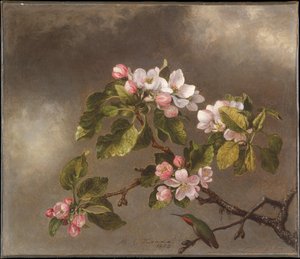
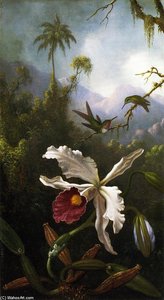
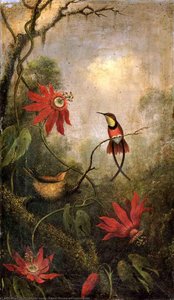
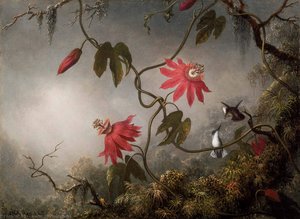
The pivotal shift in Heade’s artistic direction occurred through encounters with members of the Hudson River School—artists like John Frederick Kensett and Benjamin Champney—who awakened within him a passion for capturing the grandeur and subtle beauty of the American landscape. This influence, combined with his own innate sensitivity to light and atmosphere, led him to develop a style characterized by serene compositions and meticulous attention to detail. Heade’s work began to distinguish itself through its quiet intensity, eschewing the dramatic narratives favored by some of his contemporaries in favor of contemplative studies of marshlands, seascapes, and eventually, tropical flora and fauna. A defining moment came with his travels to Brazil in 1863-1864, a journey that profoundly impacted his artistic output. Immersed in the vibrant colors and exotic forms of the Brazilian rainforest, Heade embarked on a series of small paintings depicting hummingbirds amidst lush orchids—works that showcase both his technical mastery and his fascination with the delicate interplay between life and environment. These “gems of Brazil,” as he called them, were initially intended for publication but remained largely unrealized during his lifetime, yet they stand today as some of his most celebrated creations. Subsequent trips to Central America and Jamaica further fueled his exploration of tropical subjects, enriching his palette and expanding his artistic vocabulary.Marshlands, Magnolias, and the Rediscovery of a Master
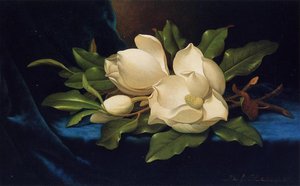
In later years, Heade settled in St. Augustine, Florida, where he turned his attention to still life—particularly exquisite depictions of magnolia blossoms arranged against rich velvet backgrounds. These paintings, with their velvety textures and luminous light, exemplify his mastery of color and form. However, despite producing a substantial body of work throughout his career, Heade remained largely unknown during his lifetime. It wasn’t until the 1940s that scholars began to recognize the significance of his contributions to American art. A remarkable series of rediscoveries—paintings surfacing in unexpected places like garage sales and flea markets—brought renewed attention to his work, revealing a previously overlooked master of Luminism. The term “Luminism” itself, coined to describe the style shared by Heade and artists such as Fitz Henry Lane, captures the essence of his artistic vision: an emphasis on atmospheric effects, subtle gradations of light, and a sense of stillness and tranquility.A Legacy of Quiet Contemplation
Martin Johnson Heade’s legacy extends beyond his technical skill and aesthetic sensibilities. His paintings offer viewers a space for quiet contemplation—an invitation to immerse themselves in the beauty and serenity of the natural world. While he may not have achieved widespread fame during his lifetime, his work has resonated deeply with audiences since its rediscovery, solidifying his position as a major figure in American art. Today, his paintings are held in prominent museum collections worldwide, including the Martin Johnson Heade collection at ArtsDot, and continue to inspire awe and admiration for their luminous beauty and enduring power. Heade’s ability to capture the ephemeral qualities of light and atmosphere—to transform ordinary scenes into moments of transcendent beauty—ensures his place among the most beloved and influential American painters of the 19th century. His art serves as a poignant reminder of the importance of preserving and appreciating the natural world, and of finding solace in its quiet splendor.Key Characteristics of Heade’s Style
- Luminism: A defining characteristic, emphasizing atmospheric effects and subtle light gradations.
- Serene Compositions: Avoiding dramatic narratives in favor of peaceful scenes.
- Meticulous Detail: Precise rendering of natural forms and textures.
- Subject Matter: Salt marshes, seascapes, tropical birds (especially hummingbirds), magnolias, and still lifes.
- Romantic Approach: A focus on the emotional impact of nature and its beauty.
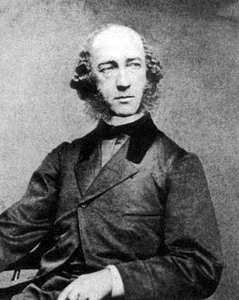
Martin Johnson Heade
1819 - 1904 , United States of America
Quick Facts
- Artistic Movement Or Style: Luminism
- Artists Who Influenced This Artist:
- Edward Hicks
- John F. Kensett
- Date Of Birth: August 11, 1819
- Date Of Death: September 4, 1904
- Full Name: Martin Johnson Heade
- Nationality: American
- Notable Artworks:
- Orchids & Hummingbird
- Salt Marsh Landscapes
- Hummingbird Blossoms
- Place Of Birth: Lumberville, USA
Related Articles
Golden Glow: How to Use Metallic Gold Artworks to Elevate Your Home Decor with Timeless Luxury
Discover how to elevate your home with the timeless elegance of metallic gold artworks. From sculptural metal pieces to gilded oil paintings, learn expert interior design tips for integrating luxurious gold accents into your space with sophistication and grace.
Acrylic Painting: A Comprehensive Exploration of Technique, History & Contemporary Applications
Explore the world of acrylic painting! Discover its rich history, essential techniques, contemporary applications & renowned artists. Expert guide for beginners to professionals.
Acrylic on Paper: A Modern Canvas for Contemporary Expression
Explore the versatility of acrylic painting on paper! Discover expert techniques, artist insights & archival practices for creating stunning contemporary art. Learn more at ArtsDot.
The Return of the Fresco: Why Wall Murals Are the New Luxury Statement
Elevate your space with bespoke wall murals & frescoes. Explore the resurgence of this luxury art form. Expert design guidance & seamless installation – .

Golden Masterpieces: 10 Paintings That Define Art History | ArtsDot
Explore 10 breathtaking paintings where gold leaf shines! From Klimt to Byzantine icons, discover art history’s most gilded masterpieces. Find museum-quality reproductions & elevate your home decor with ArtsDot. Explore the full collection online.