 Preview
 Send
Send Share
Share
 Details

 Download
 Similars
 X-Ray
X-Ray Diaporama
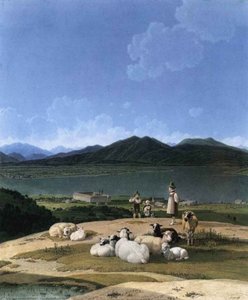
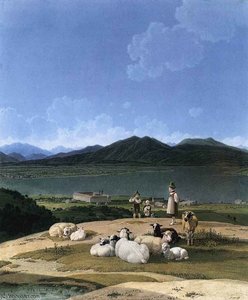
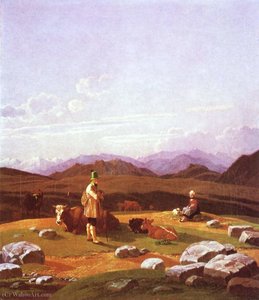
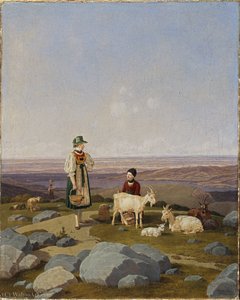
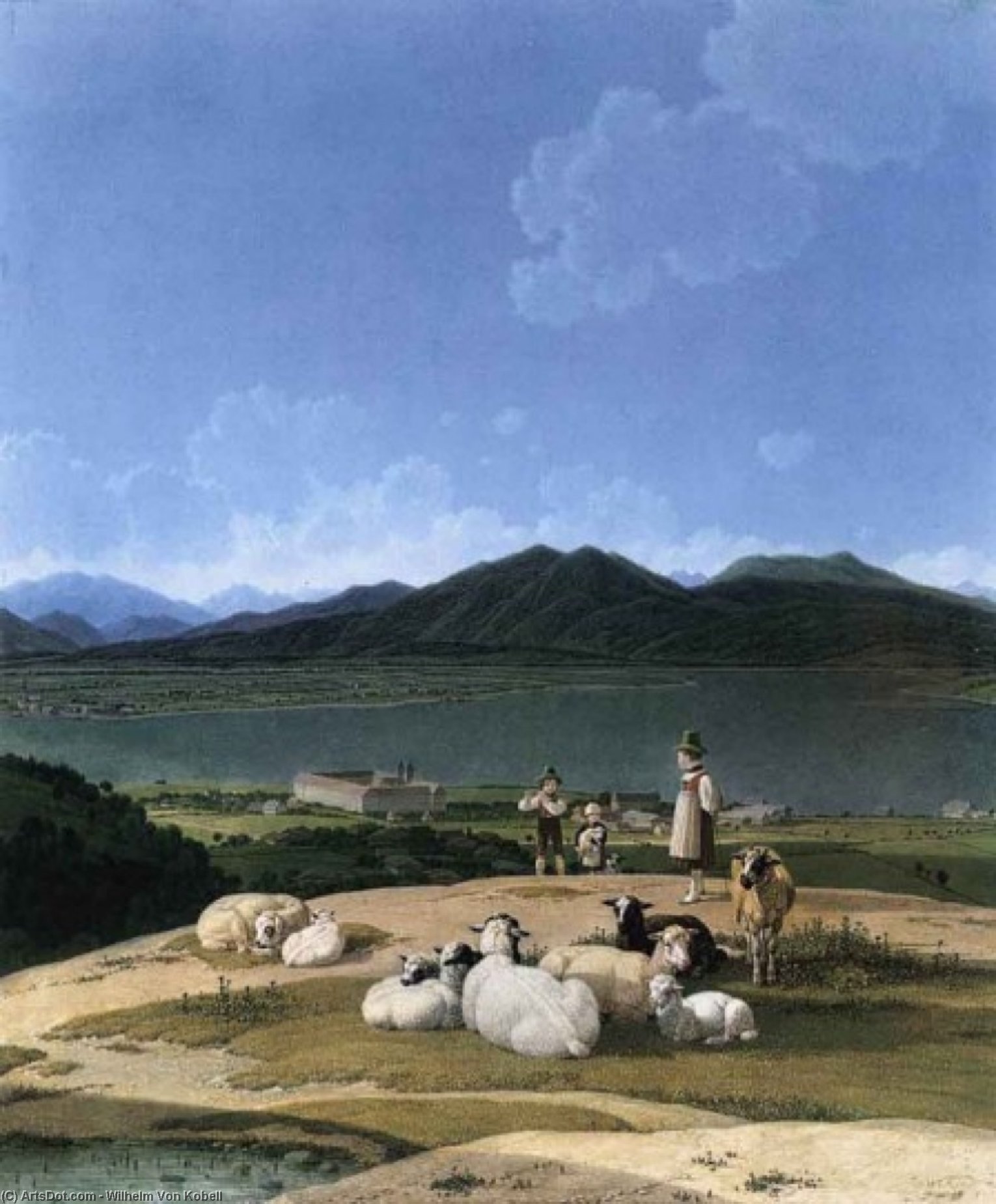
View of Tegernsee
 Acrylic On Canvas
- WallArt
- Romantic Landscape Painting
 1833
1833 38.0 x 33.0 cm
 Neue Pinakothek
 Read More
Hand Made Oil Reproduction
Hand-painted oil on canvas in your size and frame, made to order by our artists. ( Buy Print Buy Image)




P118B $10

P118H $10

P118W $10

P438Z $10

P508JH $12

P508YH $12

P805H $10

P805Z $10

P919BZ $10

P919G $10

P919XJ $10

P959ZH $10

P968JZ $12

W106C $8

W218G $10

W218JH $8

W218Y $10

W307PJ $10

W316G $10

W316PJ $8

W316Y $10

W398PJ $8

W4111J $10

W500HY $15

W500JH $15

W692G $12

W849H $8

W940BG $15

W953PJ $8




Pick from our preset sizes that match the artwork's original proportions.

You may enter your own dimensions to fit a specific frame or space. If your selected size does not match the original image's proportions, we will either crop the artwork or extend the painting with additional hand-painted elements. A digital mockup will be sent for your approval before production begins.
Please note that the on-screen preview does not reflect the actual cropping or extension. Only the mockup will accurately show the final composition.
While custom sizes are available, we recommend selecting a dimension from the predefined list to preserve the original proportions.
After order, ArtsDot.com team will email client for instructions and provide a mockup preview
Worldwide Delivery () in 3/4 weeks instead of standard 5 weeks. (16 August). No compromise on quality.

Free Worldwide Express Shipping

High-Quality Linen Canvas

Full Shipping Insurance

Customs Tax Refund Guarantee

True Color Matching Guarantee

60-Day Return Policy (Defects Only)

100% Money-Back Guarantee

Bulk Discount Offer
 Glass option is only available in size under 110 CM

View of Tegernsee
Reproduction Medium
Reproduction Size
-


Total Price
$ 263
Artwork Description
A Tranquil Vista into Bavarian Romanticism
Wilhelm von Kobell’s “View of Lake Tegernsee from the path to Neureuth” stands as a quintessential example of German landscape painting during the Romantic era—a movement that prioritized emotion and imagination over strict academic realism. Executed in 1833, this oil on canvas captures not merely a picturesque scene but also embodies the spirit of its time: a fascination with unspoiled nature and an aspiration to convey profound feelings about the sublime.
Style and Technique – Embracing Atmospheric Impressionism
- Kobell’s approach aligns closely with Dutch landscape painting traditions, particularly those championed by artists like Jacob Maris and Anton Mauve. He eschewed elaborate detail in favor of capturing the essence of light and air—a technique that anticipates the burgeoning Impressionist movement.
- The artist skillfully employs a muted palette dominated by blues, greens, and browns, creating an atmosphere of serene stillness. Brushstrokes are loose and expressive, blending seamlessly to depict the undulating contours of the mountainsides and the shimmering surface of Tegernsee Lake.
- Kobell’s meticulous observation is evident in the accurate representation of geological formations and vegetation—however, these elements serve primarily as vehicles for conveying mood rather than documenting precise topographical accuracy.
Historical Context – Bavaria Under Ludwig I
The painting emerged during a period of significant artistic flourishing in Bavaria under King Ludwig I., who actively fostered the arts and established Königliches Kunstgebäude (Royal Art Building) in Munich—a landmark institution dedicated to promoting German Romanticism. Kobell’s work reflects this cultural dynamism, aligning with the broader aesthetic sensibilities of the era.
Symbolism – The Sublime Beauty of Nature
“View of Lake Tegernsee” embodies the Romantic concept of *das Erhabenheit*—the sublime—a term popularized by Edmund Burke and Friedrich Nietzsche. Kobell’s depiction aims to inspire awe and contemplation, prompting viewers to confront the grandeur and majesty of the natural world. The tranquil lake reflects the mountains above, symbolizing harmony and balance—themes central to Romantic thought.
Emotional Impact – A Moment Frozen in Time
Kobell's masterful rendering evokes a palpable sense of peace and serenity. The composition invites contemplation, transporting the viewer back to a bygone era where artistic expression prioritized emotional resonance over scientific precision. It’s a painting that speaks to our enduring fascination with landscapes that inspire wonder and evoke feelings of profound beauty—a testament to Kobell’s ability to capture not just what he saw but also what he felt.
Related Artworks

Artist Biography
Jean-Marc Nattier: The Painter of Courtly Grace
Jean-Marc Nattier, a name perhaps less familiar than those of his Rococo contemporaries, stands as a pivotal figure in the history of French art. Born in Paris in 1685, he wasn’t destined for the grand stage of the Academy in Rome, yet through meticulous observation and an uncanny ability to capture the essence of aristocratic life, Nattier became *the* painter of Louis XV's court. His legacy isn’t one of dramatic historical scenes or sweeping landscapes; rather, it resides in his exquisitely rendered portraits – a delicate dance of elegance, mythology, and subtle social commentary. His work offers a unique window into the world of 18th-century France, revealing not just the outward appearance of its elite but also the carefully constructed atmosphere of courtly grace. Nattier’s artistic journey began under the tutelage of his father, Marc Nattier, a respected portrait painter himself, and later with Jean Jouvenet, a prominent history painter. He initially sought admission to the prestigious Royal Academy in Rome, but was ultimately passed over – a decision that ironically propelled him towards a more lucrative path: painting for the court. This shift proved transformative. Rather than tackling ambitious historical narratives, Nattier focused on creating idealized portraits of young women, often depicted in classical mythological settings. These weren’t simply likenesses; they were carefully orchestrated fantasies, imbued with symbolism and reflecting the prevailing aesthetic ideals of the time. His subjects – known as “ladies of fashion” or “artificial ladies” – were presented not as individuals but as embodiments of virtue, beauty, and grace, frequently associated with goddesses like Venus, Minerva, and Diana.- Rococo Style: Nattier’s work is quintessential Rococo, characterized by its delicate pastel palette, flowing lines, and emphasis on ornamentation and frivolousness.
- Mythological Allegory: He masterfully blended portraiture with mythological themes, creating a visual language that conveyed social status, moral values, and the prevailing fashions of the day.
- Technical Skill: Nattier’s technical prowess is undeniable – his ability to capture texture, light, and movement with remarkable precision contributed significantly to the allure of his portraits.
The Art of Artificiality: Symbolism and Social Commentary
Nattier's portraits are far more than simple representations of beauty; they are intricate works of art laden with symbolism. The mythological settings he chose were not arbitrary but carefully selected to convey specific virtues and ideals. Venus, for example, represented love and fertility, while Minerva symbolized wisdom and strategic thinking – qualities highly valued in aristocratic women. The choice of clothing, jewelry, and accessories further reinforced these symbolic meanings. Nattier’s meticulous attention to detail extended beyond the visual realm; he was acutely aware of the social conventions governing courtly behavior and skillfully incorporated them into his paintings. The poses, gestures, and expressions of his subjects reflected the expected etiquette and demeanor of young women within the aristocratic circles.A Changing Taste: Decline and Legacy
Despite his initial success, Nattier’s popularity waned in the later years of his career. The extravagance of Rococo style fell out of favor as tastes shifted towards a more restrained and classical aesthetic. Some critics accused him of employing “make-up” to enhance his subjects' beauty, a charge that reflected a broader skepticism about the artificiality of courtly life. Nevertheless, Nattier’s influence on French portraiture remained significant. His meticulous technique, graceful compositions, and ability to capture the essence of aristocratic elegance set a standard for generations of artists to follow. His work continues to be admired today for its exquisite beauty, subtle symbolism, and enduring appeal as a window into the world of 18th-century France.Catharina Backer: A Parallel Artistic Voice
While Nattier’s fame rested on his courtly portraits, another significant figure in Dutch art during this period was Catharina Backer (1689–1766). Unlike Nattier, who received formal training and worked within the established artistic circles of Paris, Backer developed her talent independently. She began painting as a hobby, inspired by her family’s extensive collection of artworks and the influence of her father, Willem Backer, a respected art collector and painter. Backer's oeuvre primarily consists of flower still lifes – delicate and meticulously rendered depictions of blossoms, fruits, and insects. Her work demonstrates a remarkable sensitivity to color, texture, and form, showcasing her keen observational skills and artistic talent. While her style differed from Nattier’s in terms of subject matter and context, both artists shared a dedication to capturing beauty and reflecting the values of their respective societies. Backer's legacy lies in her contribution to Dutch art history as one of the few female artists who achieved recognition during the 18th century.
wilhelm von kobell
1766 - 1853 , Germany
Quick Facts
- Artistic Movement Or Style: Rococo
- Artists Or Movements Influenced By This Artist: ["Louis XV's court"]
- Artists Who Influenced This Artist:
- Jean Jouvenet
- Peter the Great
- Date Of Birth: March 17, 1685
- Date Of Death: November 7, 1766
- Full Name: Jean-Marc Nattier
- Nationality: French
- Notable Artworks:
- Petrification of Phineus
- Mlle de Lambesc as Minerva
- Place Of Birth: Paris, France
Related Articles

Romantic Landscapes: 10 Masterpieces for Your Home | ArtsDot
Journey through 10 Romantic landscape masterpieces by Friedrich, Turner & Cole. Explore emotional art, sublime nature scenes & iconic 19th-century paintings. Find museum-quality reproductions for your home at ArtsDot.com – discover the full collection online!

Beyond the Horizon: 10 Landscape Masterpieces for Your Home Decor
Journey through 10 breathtaking landscape paintings by Monet, Van Gogh & more! Explore iconic artworks, artistic techniques & find inspiration for your home decor. Museum-quality reproductions at ArtsDot.com. Discover all masterpieces on ArtsDot.com

Evocations of Place: A Historical Journey Through Landscape Art
Explore the rich history of landscape art with ArtsDot. Discover renowned artists, movements like Impressionism & Romanticism, and expert guidance for collecting timeless pieces. Find your perfect serene escape today!

The Sublime and the Picturesque: Exploring Emotion & Nature in Romantic Landscape Painting
Explore the emotional power of Romantic landscape painting! Discover the sublime & picturesque traditions, key artists like Friedrich & Cole, and find your perfect artwork at ArtsDot.

John Constable's Masterpieces: Explore 25 Iconic Landscapes for Your Home
Journey through John Constable's 25 most celebrated landscapes. Explore Romanticism, Dedham Vale & his masterful use of light in iconic paintings like 'Hay Wain'. Find museum-quality art reproductions and elevate your home decor on ArtsDot.com.