 Preview
 Send
Send Share
Share
 Details

 Download
 Similars
 X-Ray
X-Ray Diaporama
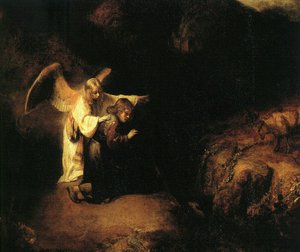
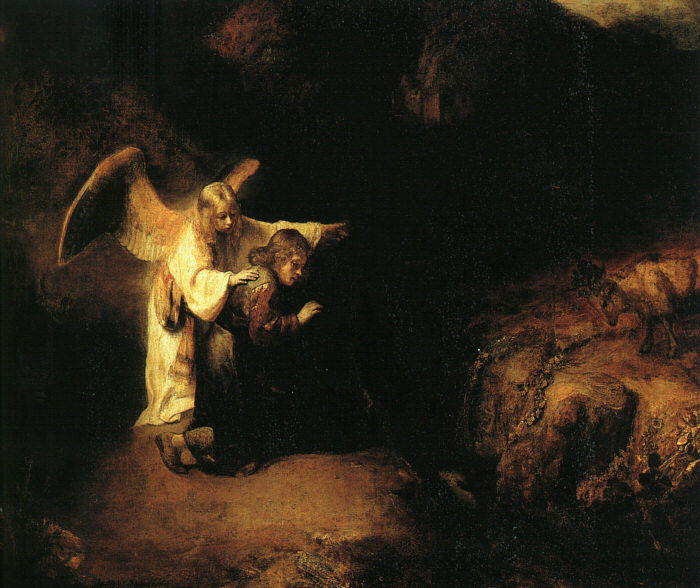
The Vision of Daniel


 Read More
Hand Made Oil Reproduction
Hand-painted oil on canvas in your size and frame, made to order by our artists. ( Buy Print Buy Image)




P118B $10

P118H $10

P118W $10

P438Z $10

P508JH $12

P508YH $12

P805H $10

P805Z $10

P919BZ $10

P919G $10

P919XJ $10

P959ZH $10

P968JZ $12

W106C $8

W218G $10

W218JH $8

W218Y $10

W307PJ $10

W316G $10

W316PJ $8

W316Y $10

W398PJ $8

W4111J $10

W500HY $15

W500JH $15

W692G $12

W849H $8

W940BG $15

W953PJ $8




Pick from our preset sizes that match the artwork's original proportions.

You may enter your own dimensions to fit a specific frame or space. If your selected size does not match the original image's proportions, we will either crop the artwork or extend the painting with additional hand-painted elements. A digital mockup will be sent for your approval before production begins.
Please note that the on-screen preview does not reflect the actual cropping or extension. Only the mockup will accurately show the final composition.
While custom sizes are available, we recommend selecting a dimension from the predefined list to preserve the original proportions.
After order, ArtsDot.com team will email client for instructions and provide a mockup preview
Worldwide Delivery () in 3/4 weeks instead of standard 5 weeks. (17 August). No compromise on quality.

Free Worldwide Express Shipping

High-Quality Linen Canvas

Full Shipping Insurance

Customs Tax Refund Guarantee

True Color Matching Guarantee

60-Day Return Policy (Defects Only)

100% Money-Back Guarantee

Bulk Discount Offer
 Glass option is only available in size under 110 CM

The Vision of Daniel
Reproduction Medium
Reproduction Size
-


Total Price
$ 263
Artwork Description
A Descent into Darkness and Divine Guidance: Unveiling “The Vision of Daniel”
Willem Drost’s “The Vision of Daniel,” painted around 1650, is not merely a depiction of biblical prophecy; it's an immersive experience in shadow and light, a profound meditation on faith, despair, and the promise of salvation. Housed within the esteemed collection of the Staatliche Museen in Berlin, this painting immediately commands attention with its dramatic chiaroscuro – a masterful manipulation of light and dark that dominates the Baroque aesthetic, yet hints at the somber realism characteristic of Dutch Golden Age art. The scene unfolds on a desolate plane, strewn with what appears to be rubble, suggesting a world ravaged by chaos and uncertainty. At its heart stands Daniel, kneeling in apparent distress, his posture conveying an urgent plea for guidance – a figure both vulnerable and resolute.
The central drama is anchored by the angel’s outstretched hand, a beacon of hope piercing through the oppressive darkness. The angel's wings, vast and luminous, aren’t simply decorative; they represent divine intervention, a tangible manifestation of God’s grace reaching out to offer solace and direction. Drost skillfully employs perspective to draw the viewer into this intimate tableau, creating a sense of immediacy and emotional connection with Daniel’s plight. The muted palette – predominantly deep browns, grays, and blacks – reinforces the atmosphere of sorrow and impending doom, while subtle highlights on the angel's wings and Daniel’s face provide crucial focal points, guiding our gaze towards the source of potential redemption.
The Artist and His Master: Drost in Rembrandt’s Shadow
Willem Drost (1633-1659) remains a captivating enigma within the pantheon of Dutch Golden Age painters. Born into Amsterdam's artistic milieu, his tragically short life – just twenty-six years – yielded a remarkably small but increasingly recognized body of work. For decades, Drost’s talent was largely obscured, frequently misattributed to the towering figure of Rembrandt van Rijn. Recent scholarship has painstakingly illuminated Drost’s unique style and established him as an artist deserving of independent recognition—a student whose voice, though subtle, possesses a distinct quality. The story of Drost is inextricably linked to Rembrandt; he was apprenticed to the master, absorbing his techniques and stylistic sensibilities. However, Drost developed a more restrained approach, favoring a darker palette and a greater emphasis on psychological intensity than Rembrandt often displayed. The painting’s composition echoes Rembrandt's use of dramatic lighting, but with a heightened sense of claustrophobia and emotional vulnerability.
Interestingly, the stylistic similarities to Rembrandt extend beyond mere technique. Drost’s “Vision of Daniel” shares a thematic preoccupation with religious allegory and the human condition—a common thread in both artists' work. The painting’s narrative draws directly from the Book of Daniel, specifically chapters 10-12, which detail prophetic visions of impending judgment and the ultimate triumph of God’s kingdom. The angel’s gesture is a direct reference to biblical accounts, symbolizing divine intervention and the promise of salvation for those who remain faithful.
Symbolism and Historical Context: A Window into 17th-Century Faith
Beyond its immediate visual impact, “The Vision of Daniel” offers a rich tapestry of symbolic meaning. The rubble scattered across the ground represents not just physical destruction but also spiritual decay—a world teetering on the brink of collapse. Daniel’s kneeling posture signifies humility and supplication before God, while his anguished expression embodies the anxieties and uncertainties faced by individuals grappling with profound questions of faith and destiny. The angel's presence is a powerful affirmation of divine protection and guidance, suggesting that even in times of darkness, hope remains within reach.
Painted around 1650, during a period of religious upheaval and social change in the Netherlands, “The Vision of Daniel” reflects the prevailing anxieties and spiritual concerns of the era. The Dutch Republic was navigating complex political and religious landscapes, grappling with questions of Calvinist orthodoxy and the legacy of the Reformation. The painting’s somber tone and its focus on divine judgment resonate deeply within this context, offering a visual meditation on mortality, faith, and the enduring power of God's grace. It is a poignant reminder of humanity’s vulnerability in the face of overwhelming forces and the need for spiritual solace.
Bringing “The Vision of Daniel” Home: A Reproduction to Cherish
ArtsDot offers meticulously crafted, hand-painted reproductions of Willem Drost's "The Vision of Daniel," allowing you to bring this extraordinary artwork into your own space. Our skilled artisans replicate the painting’s dramatic chiaroscuro and evocative symbolism with unparalleled accuracy, capturing every nuance of light and shadow. Available in a range of sizes and mediums – from luxurious canvas to elegant framed prints – our reproductions provide an authentic representation of this masterpiece while preserving its emotional depth and historical significance. Invest in a ArtsDot reproduction of “The Vision of Daniel” and transform your home into a sanctuary of beauty, contemplation, and spiritual resonance.
Related Artworks
Artist Biography
A Shadow in Rembrandt’s Light: The Enigmatic World of Willem Drost
Willem Drost remains one of the more elusive figures within the celebrated constellation of Dutch Golden Age painters. Born in Amsterdam in 1633 and tragically dying at barely twenty-six years old in 1659, his artistic output is small, yet increasingly recognized for its quality and significance. For centuries, Drost existed largely in the shadow of his master, Rembrandt van Rijn, with many of his works mistakenly attributed to the more famous artist. Recent scholarship, however, has begun to illuminate Drost’s unique talent and establish him as a compelling artist in his own right—a painter whose work offers a fascinating lens through which to examine the dynamics of artistic apprenticeship and attribution during this pivotal period in art history. The story of Willem Drost is not merely one of rediscovery; it's a testament to the complexities inherent in understanding artistic influence, individual style, and the often-tenuous nature of historical record.Formative Years and Apprenticeship with Rembrandt
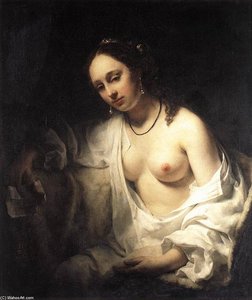
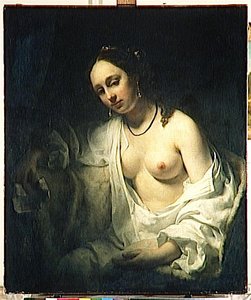
Details surrounding Drost’s early life are scarce, shrouded in the typical mysteries that often accompany artists from this era. What is known centers around his relationship with Rembrandt. Around 1650, he entered Rembrandt's studio, becoming a dedicated pupil and absorbing the master’s techniques and artistic sensibilities. This was a period of profound influence for Drost, shaping not only his technical skills but also his preferred subject matter. He embraced history painting, biblical narratives, introspective studies of solitary figures, and portraiture—all hallmarks of Rembrandt's prolific oeuvre. However, even in these early works, hints of Drost’s individual voice begin to emerge. His 1654 interpretation of “Bathsheba,” for example, undertaken while still under Rembrandt’s tutelage, demonstrates a distinct approach to the same subject matter explored by his mentor. Both paintings reside today in the Louvre Museum, offering a compelling side-by-side comparison of two artists grappling with a shared theme but expressing it through uniquely personal visions. Drost's Bathsheba possesses a certain coolness and restraint that differentiates it from Rembrandt’s more emotionally charged rendering.Italian Sojourn and Collaborative Ventures
Around 1655, Drost embarked on a journey that took him to Italy—a common destination for Dutch artists seeking further training and exposure to different artistic traditions. In Rome, he forged connections with fellow painters Karel Lot and Joan van der Meer, the latter being a wealthy patron of the arts from Utrecht who had previously traveled extensively throughout Italy. Historical accounts suggest Drost collaborated with Johann Carl Loth on a series of paintings depicting the Four Evangelists in Venice, though these works have sadly been lost to time. This period in Italy appears to have broadened his artistic horizons and subtly influenced his style, introducing new elements into his compositions. However, documentation from this phase of his life remains limited, making it difficult to fully assess the extent of Italian influence on his development. He eventually returned to Amsterdam before settling permanently in Venice, where he met an untimely end in 1659.The Long Road to Recognition and Reattribution
For many years, numerous paintings were confidently ascribed to Rembrandt based on stylistic similarities—a testament to the profound impact of his artistic authority. However, as art historical scholarship advanced, particularly through the meticulous work of the Rembrandt Research Project, a critical reassessment began. This project systematically examined countless works previously attributed to Rembrandt, leading to a gradual but significant reattribution process. Drost emerged as a central figure in this scholarly shift. Paintings such as “Portrait of a Young Man on Horseback” – famously known as "The Polish Rider" – and “Portrait of a Young Woman with her Hands Folded on a Book,” once considered masterpieces by Rembrandt, are now increasingly recognized as the work of Drost. The attribution of “The Polish Rider” remains a subject of debate among scholars—some believe Rembrandt initiated the painting but left it unfinished for Drost to complete—but the growing consensus supports Drost’s authorship for many pieces previously misattributed. This reevaluation has not only shed light on Drost's artistry but also deepened our understanding of workshop practices and collaborative art production during the Dutch Golden Age.A Legacy Reclaimed: Drost’s Place in Art History
Willem Drost’s legacy is complex, shaped by his short career, limited output, and the historical tendency to overshadow lesser-known artists with those of greater renown. However, recent scholarship has rightfully illuminated his significant role within Rembrandt's circle and highlighted his unique contributions to Dutch Golden Age painting. The reattribution of key works has not only revealed Drost’s artistic talent but also provided valuable insights into the dynamics of artistic training and collaboration during this period. While he may never achieve the widespread recognition enjoyed by Rembrandt, Willem Drost is increasingly acknowledged as a gifted artist deserving greater attention for his evocative portraits, compelling historical scenes, and contributions to the rich tapestry of 17th-century Dutch art. His story serves as a potent reminder that art history is an ongoing process—a continuous cycle of discovery, reevaluation, and the unveiling of hidden narratives. His paintings offer a quiet intensity, a psychological depth that resonates with modern viewers, making his work increasingly sought after by collectors and admired by scholars alike.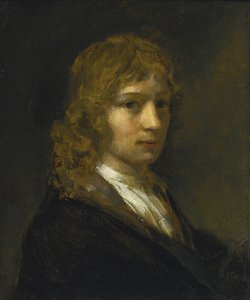
Willem Drost
1633 - 1659 , Netherlands
Quick Facts
- Artistic Movement Or Style: Dutch Golden Age painting
- Artists Who Influenced This Artist: ['Rembrandt van Rijn']
- Date Of Birth: 1633
- Date Of Death: 1659
- Full Name: Willem Drost
- Nationality: Dutch
- Notable Artworks:
- Bathsheba
- Portrait of a Lady
- Portrait of a Young Man
- The Philosopher
- Place Of Birth: Amsterdam, Netherlands
Related Articles

Golden Age Reflections: Dutch Baroque Painting & Cultural Innovation
Explore the Dutch Golden Age of painting! Discover key artists like Vermeer & ter Borch, their innovative techniques, and the rich cultural context behind these Baroque masterpieces. Learn about collecting & appreciating this iconic art period.

Dutch Masters: 10 Golden Age Paintings That Still Inspire |
Journey into the Dutch Golden Age! Explore 10 iconic paintings by Rembrandt, Vermeer & Hals. Discover the stories behind these Baroque masterpieces and find museum-quality art reproductions to elevate your home decor on .

Dutch Baroque Masters: 10 Paintings That Shaped an Era | ArtsDot
Journey through the Golden Age with our guide to the Top 10 Dutch Baroque masterpieces! Explore iconic paintings by Rembrandt, Vermeer & Frans Hals. Find museum-quality art reproductions and elevate your home decor at ArtsDot.com.

Illuminating Innovation: Exploring the Dutch Golden Age of Painting
Explore the Dutch Golden Age of painting with ArtsDot. Discover Rembrandt, Vermeer & other Masters. Learn about key characteristics, iconic artworks, and lasting influence. Expert insights for collectors & enthusiasts.
Illuminating Realism: Exploring the Dutch Golden Age of Painting (1600-1700)
Explore the Dutch Golden Age of painting (1600-1700) with ArtsDot. Discover Rembrandt, Vermeer & other masters. Learn about techniques, history & find museum-quality reproductions.