 Preview
 Send
Send Share
Share
 Details

 Download
 Similars
 X-Ray
X-Ray Diaporama
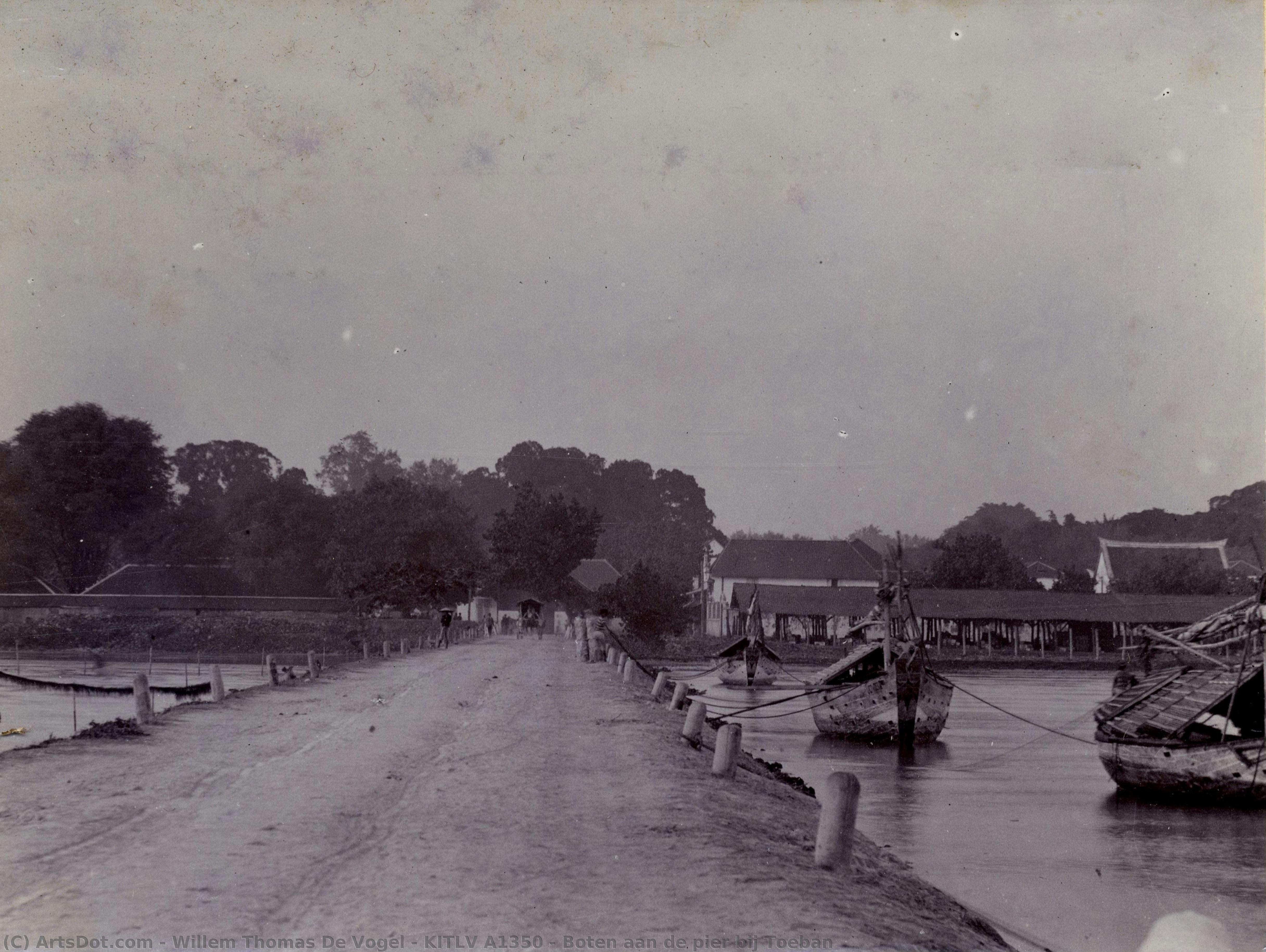
KITLV A1350 - Boten aan de pier bij Toeban


 Read More
Hand Made Oil Reproduction
Hand-painted oil on canvas in your size and frame, made to order by our artists. ( Buy Print Buy Image)




P118B $10

P118H $10

P118W $10

P438Z $10

P508JH $12

P508YH $12

P805H $10

P805Z $10

P919BZ $10

P919G $10

P919XJ $10

P959ZH $10

P968JZ $12

W106C $8

W218G $10

W218JH $8

W218Y $10

W307PJ $10

W316G $10

W316PJ $8

W316Y $10

W398PJ $8

W4111J $10

W500HY $15

W500JH $15

W692G $12

W849H $8

W940BG $15

W953PJ $8




Pick from our preset sizes that match the artwork's original proportions.

You may enter your own dimensions to fit a specific frame or space. If your selected size does not match the original image's proportions, we will either crop the artwork or extend the painting with additional hand-painted elements. A digital mockup will be sent for your approval before production begins.
Please note that the on-screen preview does not reflect the actual cropping or extension. Only the mockup will accurately show the final composition.
While custom sizes are available, we recommend selecting a dimension from the predefined list to preserve the original proportions.
After order, ArtsDot.com team will email client for instructions and provide a mockup preview
Worldwide Delivery () in 3/4 weeks instead of standard 5 weeks. (23 August). No compromise on quality.

Free Worldwide Express Shipping

High-Quality Linen Canvas

Full Shipping Insurance

Customs Tax Refund Guarantee

True Color Matching Guarantee

60-Day Return Policy (Defects Only)

100% Money-Back Guarantee

Bulk Discount Offer
 Glass option is only available in size under 110 CM

KITLV A1350 - Boten aan de pier bij Toeban
Reproduction Medium
Reproduction Size
-


Total Price
$ 263
Related Artworks

Artist Biography
Edvard Munch: A Soul Exposed in Color
Edvard Munch (December 12, 1863 – January 23, 1944) was a Norwegian painter and printmaker whose intensely evocative art profoundly shaped the course of modern art. More than simply depicting scenes, Munch sought to externalize inner emotional states—an obsession with illness, death, anxiety, and love that permeated his entire oeuvre. His most iconic work, *The Scream*, remains a potent symbol of the anxieties inherent in the modern human condition, solidifying his place as one of the pivotal figures bridging Symbolism and Expressionism. Born into a family burdened by tragedy and illness, Munch’s early life profoundly influenced his artistic vision, driving him to explore the darkest corners of the human psyche through bold color and distorted forms.Early Life and Influences: A Cradle of Sorrow
Munch's childhood was marked by profound loss and a pervasive sense of unease. His mother died when he was only five years old, followed by the deaths of his father and an older sister from tuberculosis within a few years. These early traumas instilled in him a lifelong preoccupation with mortality and suffering—themes that would become central to his artistic expression. He also experienced periods of severe illness himself, often confined to bed for extended stretches, which afforded him time for drawing and fostered a deep connection with the natural world. Crucially, Munch’s artistic development was shaped by the Kristiania Bohème, a vibrant circle of artists and writers in Oslo who challenged conventional bourgeois values. This environment exposed him to new ideas about art and life, encouraging him to break free from traditional academic constraints. Influences from French Impressionism, particularly the use of color and light, combined with the raw emotionality of Post-Impressionists like Vincent van Gogh and Paul Gauguin, provided a crucial foundation for his distinctive style.The Development of a Unique Style: Soul Painting
Munch’s artistic journey wasn't linear; he experimented with various styles before arriving at his recognizable aesthetic. Initially influenced by Impressionism, he quickly moved beyond mere representation to explore the subjective experience of emotion. He coined the term “soul painting” ( *sjelmaleri* in Norwegian) to describe his approach—a deliberate attempt to capture not just what he saw but how he felt. This involved distorting reality and employing exaggerated colors and lines to convey psychological states. His early works, such as *The Vampire* (1893), demonstrate this preoccupation with themes of sexuality, guilt, and death. A pivotal moment came in 1893 when Munch experienced a powerful vision during a walk at sunset—an overwhelming sense of “the great scream in nature” that directly inspired *The Scream*. This experience solidified his commitment to expressing inner turmoil through art.Key Works and Recurring Themes
Munch’s body of work is vast and varied, encompassing paintings, prints, drawings, and sculptures. However, certain themes recur consistently throughout his oeuvre: death, illness, anxiety, love, loneliness, and the experience of alienation. *The Scream* (1893), arguably his most famous painting, captures a moment of existential dread—a primal cry against the perceived indifference of the universe. Other significant works include *Madonna*, a deeply personal depiction of motherhood infused with melancholy; *Despair*, a haunting portrayal of isolation and hopelessness; and *Völva* (1893), inspired by Norse mythology and exploring themes of fate and prophecy. His series *The Frieze of Life* (1897-1905) offered a powerful, unflinching exploration of the major stages of human existence—love, joy, suffering, anxiety, and death.Legacy and Historical Significance
Edvard Munch’s influence on 20th-century art is undeniable. His willingness to confront difficult emotions and explore the darker aspects of the human psyche paved the way for Expressionism and other movements that prioritized subjective experience over objective representation. *The Scream*, in particular, has become a universally recognized symbol of modern anxiety—a visual shorthand for feelings of alienation, fear, and despair. Despite facing censorship and personal struggles throughout his life, Munch’s work continues to resonate deeply with audiences today, reminding us of the enduring power of art to illuminate the complexities of the human condition. His legacy extends beyond the realm of painting; he remains a potent symbol of artistic innovation and emotional honesty, forever linked to the anxieties and aspirations of the modern world.
willem thomas de vogel
1863 - 1955 , Indonesia
Quick Facts
- Artistic Movement Or Style: Expressionism, Symbolism
- Artists Or Movements Influenced By This Artist: ['German Expressionism']
- Artists Who Influenced This Artist:
- Vincent van Gogh
- Paul Gauguin
- Date Of Birth: December 12, 1863
- Date Of Death: January 23, 1944
- Full Name: Edvard Munch
- Nationality: Norwegian
- Notable Artworks:
- The Scream
- Madonna
- Vierge
- Despair
- Place Of Birth: Løten, Norway
Related Articles
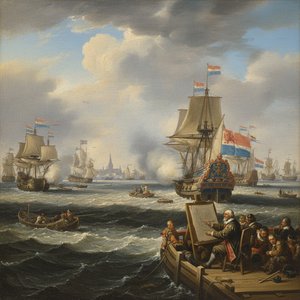
Willem van de Velde the Elder: Master of Maritime Painting & Chronicler of the Dutch Golden Age
Discover the captivating maritime paintings of Willem van de Velde the Elder, a master chronicler of the Dutch Golden Age. Explore his unparalleled realism and lasting influence on naval art history.

Dutch Masters: 10 Golden Age Paintings That Still Inspire |
Journey into the Dutch Golden Age! Explore 10 iconic paintings by Rembrandt, Vermeer & Hals. Discover the stories behind these Baroque masterpieces and find museum-quality art reproductions to elevate your home decor on .
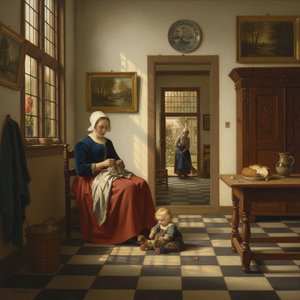
Pieter de Hooch: Illuminating Dutch Domestic Life & Golden Age Charm
Explore the captivating world of Pieter de Hooch, a master of Dutch Golden Age painting. Discover his innovative use of light, intimate domestic scenes, and lasting influence on art history. Learn more at ArtsDot.

Golden Age Reflections: Dutch Baroque Painting & Cultural Innovation
Explore the Dutch Golden Age of painting! Discover key artists like Vermeer & ter Borch, their innovative techniques, and the rich cultural context behind these Baroque masterpieces. Learn about collecting & appreciating this iconic art period.

Illuminating Innovation: Exploring the Dutch Golden Age of Painting
Explore the Dutch Golden Age of painting with ArtsDot. Discover Rembrandt, Vermeer & other Masters. Learn about key characteristics, iconic artworks, and lasting influence. Expert insights for collectors & enthusiasts.