 Preview
 Send
Send Share
Share
 Details

 Download
 Similars
 X-Ray
X-Ray Diaporama
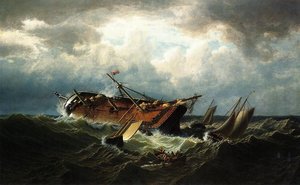
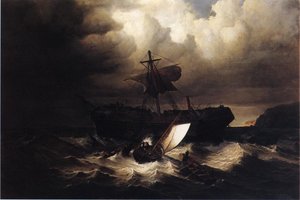
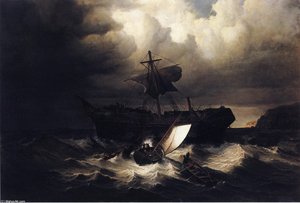
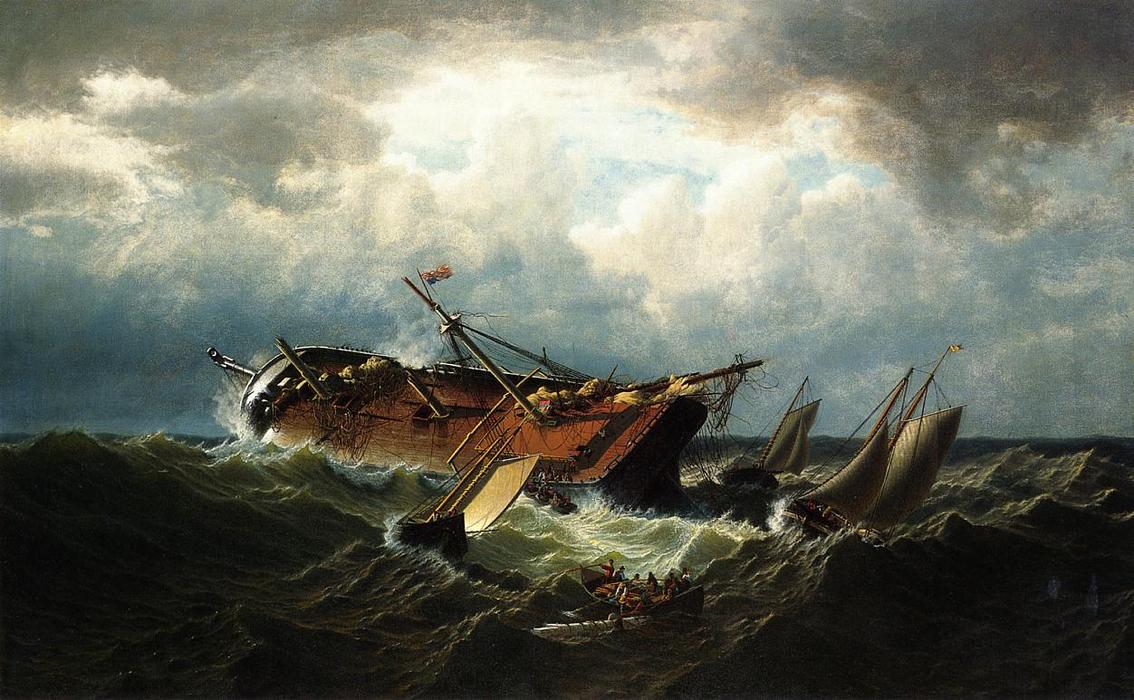
Shipwreck off Nantucket (also known as Wreck off Nantucket, after a Storm)


 Read More
Giclée / Art Print
Museum-quality giclée or canvas print with fast production and flexible finish options. ( Buy Hand Made Painting Buy Image)




P118B $10

P118H $10

P118W $10

P438Z $10

P508JH $12

P508YH $12

P805H $10

P805Z $10

P919BZ $10

P919G $10

P919XJ $10

P959ZH $10

P968JZ $12

W106C $8

W218G $10

W218JH $8

W218Y $10

W307PJ $10

W316G $10

W316PJ $8

W316Y $10

W398PJ $8

W4111J $10

W500HY $15

W500JH $15

W692G $12

W849H $8

W940BG $15

W953PJ $8




Pick from our preset sizes that match the artwork's original proportions.

You may enter your own dimensions to fit a specific frame or space. If your selected size does not match the original image's proportions, we will either crop the artwork or extend the image with a mirrored or solid-fill edge. A digital mockup will be sent for your approval before production begins.
Please note that the on-screen preview does not reflect the actual cropping or extension. Only the mockup will accurately show the final composition.
While custom sizes are available, we recommend selecting a dimension from the predefined list to preserve the original proportions.
Worldwide Delivery () in 2 weeks instead of standard 4/5 weeks. (17 August)

Free Worldwide Express Shipping

High-Quality Linen Canvas

Full Shipping Insurance

Customs Tax Refund Guarantee

True Color Matching Guarantee

60-Day Return Policy (Defects Only)

100% Money-Back Guarantee

Bulk Discount Offer
 Glass option is only available in size under 110 CM

Shipwreck off Nantucket (also known as Wreck off Nantucket, after a Storm)
Giclée / Art Print
Reproduction Size
-


Total Price
$ 63
Collectible Description
A Tempestuous Vision of Resilience: William Bradford’s Shipwreck Off Nantucket
William Bradford's "Shipwreck off Nantucket," painted in 1861, stands as a cornerstone of American Romanticism—a testament to both artistic innovation and the profound connection between artist and subject. More than just a depiction of maritime disaster, it embodies Bradford’s fascination with the sublime beauty of nature confronting human vulnerability, capturing a moment frozen in time against the backdrop of a dramatic Arctic expedition. This painting isn't merely aesthetically pleasing; it speaks volumes about the spirit of exploration and the enduring allure of confronting overwhelming forces.The Scene: A Chaotic Dance of Light and Motion
The canvas explodes with turbulent energy. Bradford meticulously rendered a sailboat, battered by a ferocious storm off Nantucket Island—a scene vividly recreated from photographic documentation of his harrowing Arctic voyage. Scattered amongst the wreckage are smaller vessels battling the waves, populated by figures desperately attempting to survive. The artist’s masterful use of chiaroscuro – dramatic contrasts between light and dark – intensifies the sense of urgency and danger, pulling the viewer into the heart of the storm's fury. Notice how Bradford skillfully captures the shifting hues of the ocean under a bruised sky, conveying not just visual information but palpable emotion.Romanticism’s Embrace: Bradford’s Artistic Influences
Bradford’s style firmly anchors itself within the Romantic movement, mirroring the broader artistic preoccupation with emotional intensity and awe-inspiring landscapes. Heavily influenced by the Hudson River School's emphasis on capturing grandeur and sublime beauty, Bradford sought to convey not just what he saw but *how* it felt—the terror of exposure, the exhilaration of confronting nature’s power. The painting reflects a fascination with scientific observation blended seamlessly with imaginative interpretation – a hallmark of Romantic artists who aimed to elevate art beyond mere representation.Symbolism Within the Storm: Facing Adversity and Triumph
Beyond its visual drama, “Shipwreck Off Nantucket” carries symbolic weight. The wrecked sailboat represents humanity’s precarious position against the immensity of nature—a confrontation with mortality and vulnerability. Yet, amidst the chaos, there's a glimmer of hope embodied in the figures striving to rescue their comrades; they symbolize resilience and determination in overcoming obstacles. Bradford’s depiction aligns perfectly with Romantic ideals: acknowledging suffering but ultimately affirming the human spirit’s capacity for courage and perseverance.A Legacy of Impressionistic Technique
Bradford employed an impressionistic technique, prioritizing capturing fleeting moments of light and atmosphere over precise detail. This approach is evident in the textured brushstrokes that convey the movement of the waves and the turbulent sky—a deliberate departure from academic conventions. The artist’s focus on conveying feeling rather than factual accuracy underscores the Romantic impulse to transcend mere observation and tap into deeper emotional truths. Bradford's meticulous attention to light and color elevates "Shipwreck Off Nantucket" beyond a simple seascape, transforming it into an unforgettable experience for the viewer.Related Artworks







Artist Biography
A Pioneer of American Romanticism
William Bradford, born around 1590 in Austerfield, England, occupies a unique and pivotal position in the narrative of American art. He wasn’t merely a painter; he was a chronicler of transition—a figure bridging the meticulous documentation demanded by scientific exploration with the burgeoning emotional currents of Romanticism. His life unfolded as a testament to resilience, an odyssey from humble rural beginnings to becoming a visual interpreter of both human endeavor and the sublime power of the natural world, particularly the icy majesty of the Arctic regions. Bradford’s journey wasn't simply about artistic skill; it was about a profound connection forged with the sea and the landscapes he would immortalize on canvas, driven by an innate desire to capture not just *what* he saw, but *how* it felt—the atmosphere, the light, the sheer immensity of nature’s grandeur. Initially focused on detailed depictions of ships within New Bedford Harbor, his artistic vision rapidly expanded, fueled by a yearning to convey the emotional resonance of these scenes.From Maritime Scenes to Arctic Visions
Bradford's early work reveals a keen eye for detail and a mastery of maritime subjects. These paintings weren’t simply topographical records; they were imbued with a sense of realism that resonated deeply with the burgeoning commercial interests of New Bedford, a prominent whaling port. However, it was his association with Dr. Isaac Israel Hayes and subsequent Arctic expeditions that truly defined his artistic trajectory. Becoming the first American painter to venture into and depict the frozen regions of the North, Bradford entered uncharted territory—both geographically and artistically. These voyages weren't merely opportunities for scientific observation; they were immersive experiences that fundamentally altered his perception of light, color, and form. The Arctic presented a unique challenge: how to convey the ethereal beauty of icebergs under the midnight sun, the vastness of frozen floes, and the inherent dangers lurking beneath the surface? Bradford rose to this challenge with remarkable skill, translating his firsthand observations into paintings that were both scientifically accurate and emotionally evocative. He meticulously documented these expeditions, publishing “The Arctic Regions,” a detailed account accompanied by photographs, further solidifying his role as an explorer-artist. This publication wasn’t just a scientific report; it was a testament to the power of visual storytelling, bringing the remote Arctic to life for audiences back home.Influences and Artistic Style
While not formally affiliated with the Hudson River School, William Bradford absorbed its core tenets—particularly the emphasis on depicting light’s interaction with water and atmospheric conditions. This influence is readily apparent in his work, where subtle gradations of color and masterful use of chiaroscuro create a sense of depth and realism. However, Bradford's style transcends mere imitation; he infused it with a unique sensibility shaped by his Arctic experiences. His compositions often balance subjects carefully, strategically employing light and shadow to draw the viewer’s eye and enhance the emotional impact. A characteristic feature of his paintings is the use of darker colors around the edges, framing the central subject and creating a sense of dramatic focus. Works like “Looking Out Battle Harbor” (1877) exemplify this technique, demonstrating a compositional balance that draws the viewer into the scene while simultaneously emphasizing its inherent isolation. His skill in depicting maritime activity within dramatic natural settings is showcased beautifully in "Whaler and Fishing Vessels near the Coast of Labrador" (c. 1880). He wasn’t simply painting what he saw; he was conveying a feeling—a sense of awe, vulnerability, and the sublime power of nature.Legacy and Lasting Impact
William Bradford’s artistic legacy extends far beyond his stunning depictions of Arctic landscapes and maritime scenes. Elected an associate member of the National Academy of Design in 1874, he gained recognition for his contributions to American art. His paintings weren't simply aesthetic creations; they were visual records of a rapidly changing world—documenting scientific expeditions, capturing the spirit of exploration, and fostering a growing appreciation for the natural environment. Major works such as “New Bedford Harbor at Sunset” demonstrate his early mastery, while "Ice Floes under the Midnight Sun" encapsulates the ethereal beauty he discovered in the Arctic. Perhaps most powerfully, paintings like “The ‘Panther’ among the Icebergs in Melville Bay” convey both the grandeur and peril of polar exploration, reminding viewers of humanity's fragile relationship with nature. Bradford’s published account of his Arctic travels further popularized knowledge about these remote regions, inspiring future generations of artists and explorers. He remains a significant figure in American art history—a pioneer of Romanticism who dared to venture into the unknown and translate its wonders onto canvas, leaving behind a body of work that continues to captivate and inspire today.Key Works
- Icebergs in the Arctic (1882): A dramatic seascape capturing the beauty and danger of glacial formations.
- Ice Floes under the Midnight Sun: Showcases the ethereal light and vastness of the Arctic landscape.
- The Schooner 'Jane' of Bath, Maine: Demonstrates his skill in depicting maritime vessels within their natural environment.
- Looking Out Battle Harbor (1877): Exemplifies his compositional balance and dramatic use of light and shadow.
- Whaler and Fishing Vessels near the Coast of Labrador (c. 1880): Highlights his ability to portray maritime activity within a dynamic natural setting.

William Bradford
1590 - 1657 , United Kingdom
Quick Facts
- Artistic Movement Or Style: Romanticism
- Artists Or Movements Influenced By This Artist: ['American Romanticism']
- Artists Who Influenced This Artist: ['Hudson River School artists']
- Date Of Birth: c. 1590
- Date Of Death: 1657
- Full Name: William Bradford
- Nationality: American
- Notable Artworks:
- Looking Out Battle Harbor
- Ice Floes under Midnight Sun
- Whaler near Labrador Coast
- New Bedford Harbor at Sunset
- The 'Panther' among Icebergs
- Place Of Birth: Austerfield, UK
Related Articles
William Bradford: Navigating Faith, Landscape & Artistic Innovation in Early American Painting
Explore the captivating world of William Bradford, American Romanticist painter renowned for his dramatic Arctic seascapes & ship portraits. Discover his artistic evolution, influences, and lasting legacy with ArtsDot.
The Allure of the Horizon: A Comprehensive Exploration of Seascape Art Through History & Emotion
Explore the captivating world of seascape art! Discover its history, key artists & movements – from Dutch Masters to Impressionism. Expert insights for collectors and enthusiasts at ArtsDot.

Romantic Realism's Finest: 10 Masterpieces for Your Home | ArtsDot
Explore 10 defining masterpieces of Romantic Realism! Discover Courbet, Millet & Daumier's powerful paintings—capturing emotion and social realities. Find museum-quality reproductions for your home at ArtsDot.com.

William Blake: Romantic Visionary & Mystical Genius of the Imagination
Explore the mystical art & poetic genius of William Blake (1757-1827). Discover his revolutionary illuminated printing, rich symbolism, and lasting influence on Romanticism. Find handmade reproductions at ArtsDot.

Romantic Landscapes: 10 Masterpieces for Your Home | ArtsDot
Journey through 10 Romantic landscape masterpieces by Friedrich, Turner & Cole. Explore emotional art, sublime nature scenes & iconic 19th-century paintings. Find museum-quality reproductions for your home at ArtsDot.com – discover the full collection online!