 Preview
 Send
Send Share
Share
 Details

 Download
 Similars
 X-Ray
X-Ray Diaporama
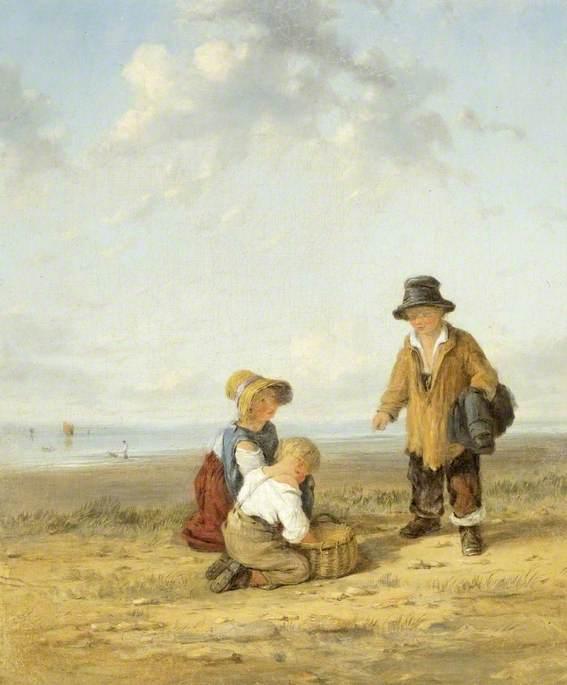
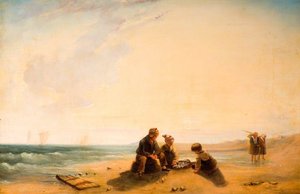
Figures on the Seashore
 Acrylic On Canvas
- WallArt
- Romantic Realism
 1835
1835 29.0 x 24.0 cm
 Russell
 Read More
Hand Made Oil Reproduction
Hand-painted oil on canvas in your size and frame, made to order by our artists. ( Buy Print Buy Image)




P118B $10

P118H $10

P118W $10

P438Z $10

P508JH $12

P508YH $12

P805H $10

P805Z $10

P919BZ $10

P919G $10

P919XJ $10

P959ZH $10

P968JZ $12

W106C $8

W218G $10

W218JH $8

W218Y $10

W307PJ $10

W316G $10

W316PJ $8

W316Y $10

W398PJ $8

W4111J $10

W500HY $15

W500JH $15

W692G $12

W849H $8

W940BG $15

W953PJ $8




Pick from our preset sizes that match the artwork's original proportions.

You may enter your own dimensions to fit a specific frame or space. If your selected size does not match the original image's proportions, we will either crop the artwork or extend the painting with additional hand-painted elements. A digital mockup will be sent for your approval before production begins.
Please note that the on-screen preview does not reflect the actual cropping or extension. Only the mockup will accurately show the final composition.
While custom sizes are available, we recommend selecting a dimension from the predefined list to preserve the original proportions.
After order, ArtsDot.com team will email client for instructions and provide a mockup preview
Worldwide Delivery () in 3/4 weeks instead of standard 5 weeks. (18 August). No compromise on quality.

Free Worldwide Express Shipping

High-Quality Linen Canvas

Full Shipping Insurance

Customs Tax Refund Guarantee

True Color Matching Guarantee

60-Day Return Policy (Defects Only)

100% Money-Back Guarantee

Bulk Discount Offer
 Glass option is only available in size under 110 CM

Figures on the Seashore
Reproduction Medium
Reproduction Size
-


Total Price
$ 263
Artwork Description
A Moment of Pastoral Tranquility: Exploring William Collins’ “Figures on the Seashore”
William Collins' "Figures on the Seashore," completed in 1835, stands as a quintessential embodiment of Romantic idealism—a scene meticulously crafted to capture not merely visual beauty but also profound emotional resonance. Painted with remarkable sensitivity and imbued with subtle stylistic nuances, this artwork transcends its depiction of a simple seaside tableau, offering viewers an invitation into a realm of contemplative serenity and idealized human connection.The Scene Embodied: Realism Touched by Romantic Idealization
The painting’s composition immediately establishes a harmonious balance between observation and emotion. Collins skillfully employs a soft focus technique—a hallmark of the Romantic movement—to diffuse harsh light, creating an atmosphere that feels both luminous and inviting. The artist's gaze is firmly fixed on capturing the essence of rural life, prioritizing emotional impact over photographic accuracy. This deliberate choice reflects the broader Romantic preoccupation with sublime landscapes and the exploration of human psychology within natural settings. Unlike earlier artistic traditions focused on grand narratives or heroic figures, Collins’ work centers on intimate moments—a family enjoying a leisurely day by the sea—emphasizing the beauty of everyday experience.Technique and Material Considerations: Watercolor Mastery
Collins executed “Figures on the Seashore” primarily in watercolor, demonstrating exceptional control over pigment dispersion and layering. Watercolor's inherent transparency allows for nuanced gradations of color and texture, contributing significantly to the painting’s ethereal quality. The artist meticulously blended hues—primarily muted blues and greens—to recreate the shifting tones of the ocean and sky, capturing the subtle nuances of atmospheric conditions. Furthermore, Collins skillfully utilized dry brush techniques to render the sandy beach surface, conveying a tactile sense of realism while maintaining an overall impression of softness and delicacy. Attention to detail is evident in the rendering of clothing fabrics and facial expressions, furthering the painting’s expressive power.Historical Context: Victorian Sentimentality and Artistic Influences
“Figures on the Seashore” emerged during the Victorian era—a period characterized by a fervent belief in moral virtue and an idealized vision of domestic life. Collins' work aligns perfectly with this cultural sensibility, reflecting the Victorian fascination for pastoral landscapes and sentimental depictions of childhood innocence. The painting draws inspiration from artists like Eugène Delacroix and J.M.W Turner, whose explorations of dramatic natural phenomena—particularly stormy seas—influenced Collins’ stylistic choices. However, unlike Turner’s turbulent canvases, Collins prioritizes tranquility and harmony, conveying a message of comfort and contentment amidst the grandeur of nature.Symbolism Beyond Surface Beauty: Reflections on Family Bonds
Beyond its aesthetic appeal, “Figures on the Seashore” carries symbolic weight—a testament to Collins' artistic prowess in communicating deeper meanings. The central figures—the woman seated, the woman walking, and the child playing—represent idealized notions of familial affection and domestic harmony. Their postures convey a sense of peaceful contemplation and shared joy, symbolizing the importance of human connection within the context of natural surroundings. The toy boat serves as a poignant emblem of childhood curiosity and wonder, reminding viewers of the simple pleasures that enrich human experience. Ultimately, Collins’ masterpiece invites us to contemplate not just what we see but also what these images communicate about our values and aspirations.Related Artworks




Artist Biography
A Life Immersed in Sentiment: The World of William Collins
Born in London in 1788, William Collins emerged as a significant voice within the British Romantic tradition, though his path to artistic recognition was subtly interwoven with familial and societal currents. His father, also named William Collins, was a respected painter and writer, providing young William with an early immersion into the world of art. This foundational exposure shaped his aesthetic sensibilities, yet his journey wasn’t simply one of direct imitation. While initially intended for a career mirroring his father's, Collins ultimately carved out a distinctive niche for himself, focusing on scenes that resonated deeply with Victorian audiences – idyllic portrayals of rural life and tender depictions of childhood innocence. His early education included time spent in Italy and France, experiences which instilled within him not only linguistic skills but also an appreciation for the light and atmosphere that would later characterize his landscapes. A period as a clerk at Antrobus & Co., tea merchants, proved deeply unsatisfying, yet it perhaps sharpened his observational skills, providing glimpses into the lives of ordinary people that would inform his artistic vision.The Blossoming of a Romantic Vision
Collins’s formal training began at the Royal Academy Schools in 1807, where he honed his technical abilities and developed his unique style. He quickly gained recognition, winning awards and exhibiting regularly. However, it was his departure from grand historical narratives or portraiture towards genre painting – scenes of everyday life – that truly defined him. Influenced by the Romantic movement, Collins didn’t merely depict landscapes; he imbued them with emotion. His paintings weren't simply representations of places but rather evocations of feeling, capturing fleeting moments of beauty and tranquility. He possessed a remarkable ability to portray children and those on the margins of society with dignity and compassion. Muted tones and a careful attention to natural light became hallmarks of his work, creating an atmosphere of gentle nostalgia. His paintings like “Barmouth Sands” or "Figures By A Cottage In An Extensive Wooded Landscape" exemplify this approach, inviting viewers into a world of quiet contemplation. He rivaled the popularity of John Constable, demonstrating his significant impact on British art during his time.A Legacy Beyond the Canvas: Family and Remembrance
William Collins’s life extended beyond the realm of paint and canvas; he was also a devoted family man and a chronicler of artistic history. He is perhaps equally well-known as the father of Wilkie Collins, the celebrated novelist whose works like *The Woman in White* and *The Moonstone* captivated Victorian readers. William’s early exposure to both art and literature undoubtedly influenced his son's literary pursuits, fostering a creative environment within the family home. Furthermore, he authored “Memoirs of the Life of William Collins, Esq., R.A.” (1848), a poignant tribute to his father that offered valuable insights into the life and work of a previous generation of artistic talent. This act underscores not only his filial devotion but also his deep understanding of art history and its importance in shaping cultural narratives.Posthumous Recognition and Enduring Appeal
Although Collins enjoyed some success during his lifetime, his true recognition came posthumously, particularly in the latter half of the 19th century. A renewed appreciation for sentimental painting and a growing fascination with depictions of rural life led to a surge in demand for his work. His paintings resonated with an audience yearning for simpler times and nostalgic visions of the countryside. Today, William Collins is celebrated as a significant figure in British art history, whose works offer valuable glimpses into 19th-century society and values. He contributed significantly to the popularization of genre painting, demonstrating that beauty and meaning could be found not only in grand historical events or aristocratic portraits but also in the everyday lives of ordinary people. His legacy continues to inspire artists and captivate audiences with its enduring charm and emotional depth.
William Collins
1824 - 1889 , United Kingdom
Quick Facts
- Artistic Movement Or Style: Romanticism, Genre painting
- Artists Or Movements Influenced By This Artist: ['Constable']
- Date Of Birth: 1788
- Date Of Death: 1847
- Full Name: William Collins
- Nationality: British
- Notable Artworks:
- Barmouth Sands
- The Stray Kitten
- Figures By A Cottage
- Borrowdale, Cumberland
- Three Children Under Tree
- Place Of Birth: London, UK
Related Articles

Romantic Landscapes: 10 Masterpieces for Your Home | ArtsDot
Journey through 10 Romantic landscape masterpieces by Friedrich, Turner & Cole. Explore emotional art, sublime nature scenes & iconic 19th-century paintings. Find museum-quality reproductions for your home at ArtsDot.com – discover the full collection online!

Beyond the Horizon: 10 Landscape Masterpieces for Your Home Decor
Journey through 10 breathtaking landscape paintings by Monet, Van Gogh & more! Explore iconic artworks, artistic techniques & find inspiration for your home decor. Museum-quality reproductions at ArtsDot.com. Discover all masterpieces on ArtsDot.com

Evocations of Place: A Historical Journey Through Landscape Art
Explore the rich history of landscape art with ArtsDot. Discover renowned artists, movements like Impressionism & Romanticism, and expert guidance for collecting timeless pieces. Find your perfect serene escape today!

John Constable's Masterpieces: Explore 25 Iconic Landscapes for Your Home
Journey through John Constable's 25 most celebrated landscapes. Explore Romanticism, Dedham Vale & his masterful use of light in iconic paintings like 'Hay Wain'. Find museum-quality art reproductions and elevate your home decor on ArtsDot.com.

The Sublime and the Picturesque: Exploring Emotion & Nature in Romantic Landscape Painting
Explore the emotional power of Romantic landscape painting! Discover the sublime & picturesque traditions, key artists like Friedrich & Cole, and find your perfect artwork at ArtsDot.