 Preview
 Send
Send Share
Share
 Details

 Download
 Similars
 X-Ray
X-Ray Diaporama
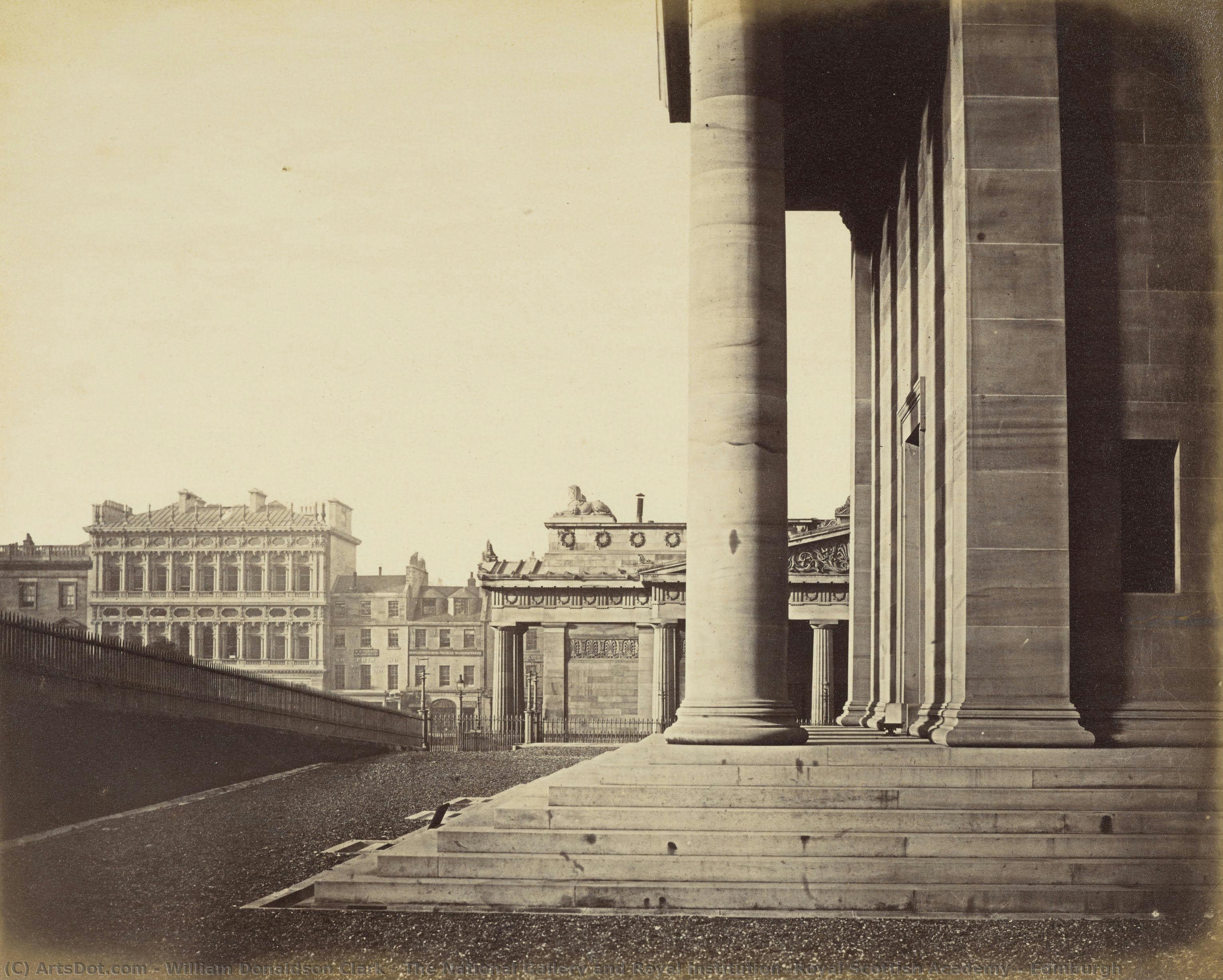
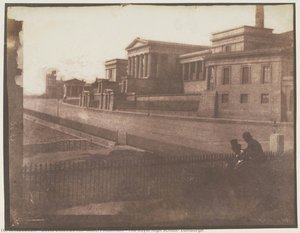
The National Gallery and Royal Institution (Royal Scottish Academy), Edinburgh


 Read More
Giclée / Art Print
Museum-quality giclée or canvas print with fast production and flexible finish options. ( Buy Hand Made Painting Buy Image)




P118B $10

P118H $10

P118W $10

P438Z $10

P508JH $12

P508YH $12

P805H $10

P805Z $10

P919BZ $10

P919G $10

P919XJ $10

P959ZH $10

P968JZ $12

W106C $8

W218G $10

W218JH $8

W218Y $10

W307PJ $10

W316G $10

W316PJ $8

W316Y $10

W398PJ $8

W4111J $10

W500HY $15

W500JH $15

W692G $12

W849H $8

W940BG $15

W953PJ $8




Pick from our preset sizes that match the artwork's original proportions.

You may enter your own dimensions to fit a specific frame or space. If your selected size does not match the original image's proportions, we will either crop the artwork or extend the image with a mirrored or solid-fill edge. A digital mockup will be sent for your approval before production begins.
Please note that the on-screen preview does not reflect the actual cropping or extension. Only the mockup will accurately show the final composition.
While custom sizes are available, we recommend selecting a dimension from the predefined list to preserve the original proportions.
Worldwide Delivery () in 2 weeks instead of standard 4/5 weeks. (22 August)

Free Worldwide Express Shipping

High-Quality Linen Canvas

Full Shipping Insurance

Customs Tax Refund Guarantee

True Color Matching Guarantee

60-Day Return Policy (Defects Only)

100% Money-Back Guarantee

Bulk Discount Offer
 Glass option is only available in size under 110 CM

The National Gallery and Royal Institution (Royal Scottish Academy), Edinburgh
Giclée / Art Print
Reproduction Size
-


Total Price
$ 63
Collectible Description
A Glimpse into Victorian Edinburgh's Grandeur
This evocative black and white photograph transports us directly to the heart of 19th-century Edinburgh, centering on the magnificent facade of The National Gallery and Royal Institution, now known as the Royal Scottish Academy. Captured in 1858, the image is more than just a record of architecture; it is a palpable echo of a bygone era when intellectual life and artistic patronage flourished under the shadow of these imposing stone structures. One can almost hear the murmur of conversations drifting from the portico, imagining the scholars, artists, and patrons who once gathered here.
Architectural Majesty and Human Presence
The composition is anchored by the grand entrance, flanked by stately columns that lend an air of classical permanence to the scene. These architectural elements speak to a deep respect for historical precedent, grounding the institution within a lineage of Western artistic tradition. Yet, what truly animates the photograph are the figures scattered across the foreground. They are not merely props; they are witnesses to history, lending scale and narrative depth to the monumental stone. The inclusion of birds adds a delicate touch of ephemeral life against the permanence of the masonry—a beautiful juxtaposition that suggests nature’s gentle persistence amidst human endeavor.
The Atmosphere of an Age of Enlightenment
William Donaldson Clark, the artist who captured this moment, seems to have possessed an eye for capturing not just what was seen, but what was felt. The photograph radiates a sense of purposeful activity—a bustling yet dignified atmosphere characteristic of Victorian intellectual hubs. It speaks to a time when public institutions were central pillars of cultural identity. For those drawn to historical ambiance or the gravitas of academic pursuits, this piece offers an unparalleled window into the social fabric of mid-Victorian Scotland.
Bringing History Home: Decor and Design
For the discerning collector or interior designer, a reproduction of this work serves as more than mere wall art; it is a curated piece of historical ambiance. Imagine this scene rendered in your drawing-room or study, lending an immediate air of cultivated depth and storied elegance to any space. The monochromatic nature of the photograph allows its inherent drama—the interplay of light, shadow, and human form—to take center stage, complementing rich wood tones, deep velvets, and antique furnishings beautifully.
Related Artworks
![[julia Jackson] — Julia Margaret Cameron, Victorian Photography](/media/artworks/images-thumb/38/f1/38f1667da1e9e5ced766b2acd175f4c6.jpg)
Artist Biography
William Donaldson Clark: A Life in Economics, Public Service, and Photography
Early Life and Education (1916-1938)
- Birth and Family: William Donaldson Clark was born on July 28, 1916, in Haltwhistle, Northumberland, England. He was the son of John McClare Clark and Marion Jackson.
- Education: He received his early education at Oundle School, an independent school. Subsequently, he attended Oriel College, Oxford, where he earned a First Class degree in modern history.
- Commonwealth Fellowship: In 1938, Clark pursued further studies as a Commonwealth Fellow at the University of Chicago.
Career and Public Service (1946-1980)
- Encyclopædia Britannica: From 1946 to 1949, he served as the London editor for *Encyclopædia Britannica*.
- Journalism: He transitioned into journalism in 1949 and became a foreign affairs correspondent for *The Observer* newspaper.
- Press Secretary to Anthony Eden: Clark held the position of press secretary to Anthony Eden, a significant role during the Suez Crisis (1956). He resigned shortly after the crisis due to disagreements regarding media coverage.
- Overseas Development Institute: From 1960 to 1968, he served as the first director of the Overseas Development Institute, focusing on international development issues.
- World Bank: Clark joined the World Bank in 1974 and held the position of Vice President in Charge of External Affairs until 1980.
Photography and Artistic Pursuits
- Amateur Photographer: While primarily known for his career in economics and public service, William Donaldson Clark was also an amateur photographer. He utilized his knowledge of chemistry in his photographic practice.
- Edinburgh Street Scenes: Around 1860, he documented several Edinburgh street scenes through photography. These images provide a valuable historical record of the city during that period.
- Notable Works: Examples of his work include photographs of High Street, Edinburgh and Princes Street (July 1858).
Legacy and Death (1985)
- Contributions to Economics and Public Service: Clark's career spanned diverse fields, leaving a mark on economics, international development, and public policy. His involvement in the Suez Crisis and his role at the World Bank highlight his engagement with significant global events.
- Death: He died on June 27, 1985, at his home in Cuxham, Oxfordshire, from liver cancer. He was survived by his brothers Kenneth and Nicholas.
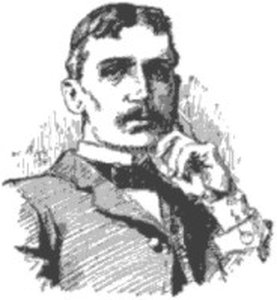
William Donaldson Clark
1916 - 1985 , United Kingdom
Quick Facts
- Artistic Movement Or Style: Photography
- Date Of Birth: July 28, 1916
- Date Of Death: June 27, 1985
- Full Name: William Donaldson Clark
- Nationality: British
- Notable Artworks:
- High Street, Edinburgh
- The National Gallery and Royal
- Institution (Royal Scottish)
- Place Of Birth: Haltwhistle, United Kingdom
Related Articles
Sir John Watson Gordon: A Study in Scottish Landscape Painting & Tonal Impressionism
Explore the captivating portraits of Sir John Watson Gordon, a leading Scottish master. Discover his evolution from neoclassical style to atmospheric Tonalism and influence on 19th-century British art. Learn about his iconic sitters & legacy.
William Brassey Hole: A Victorian Master of Narrative Watercolour & Scottish Life
Explore the captivating paintings of William Brassey Hole, a Victorian master renowned for his dramatic biblical scenes, Scottish landscapes & industrial life. Discover his technique and lasting legacy.
James Giles: Capturing Scottish Life Through the Lens of British Realism
Explore the life & work of James Giles (1801-1870), a master of Scottish landscape painting and favored artist of Queen Victoria. Discover his atmospheric realism & royal commissions.
George Paul Chalmers: Rediscovering the Angus Rembrandt & Scottish Colourist Roots
Explore the captivating world of George Paul Chalmers (1833-1878), a pivotal Scottish painter. Discover his landscapes, portraits & connection to the Aesthetic Movement and Colourists. Learn about this 'Angus Rembrandt's' legacy with ArtsDot.

Romantic Landscapes: 10 Masterpieces for Your Home | ArtsDot
Journey through 10 Romantic landscape masterpieces by Friedrich, Turner & Cole. Explore emotional art, sublime nature scenes & iconic 19th-century paintings. Find museum-quality reproductions for your home at ArtsDot.com – discover the full collection online!