 Preview
 Send
Send Share
Share
 Details

 Download
 Similars
 X-Ray
X-Ray Diaporama
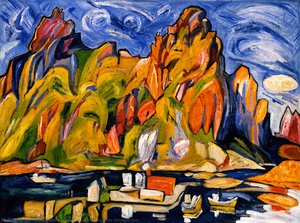
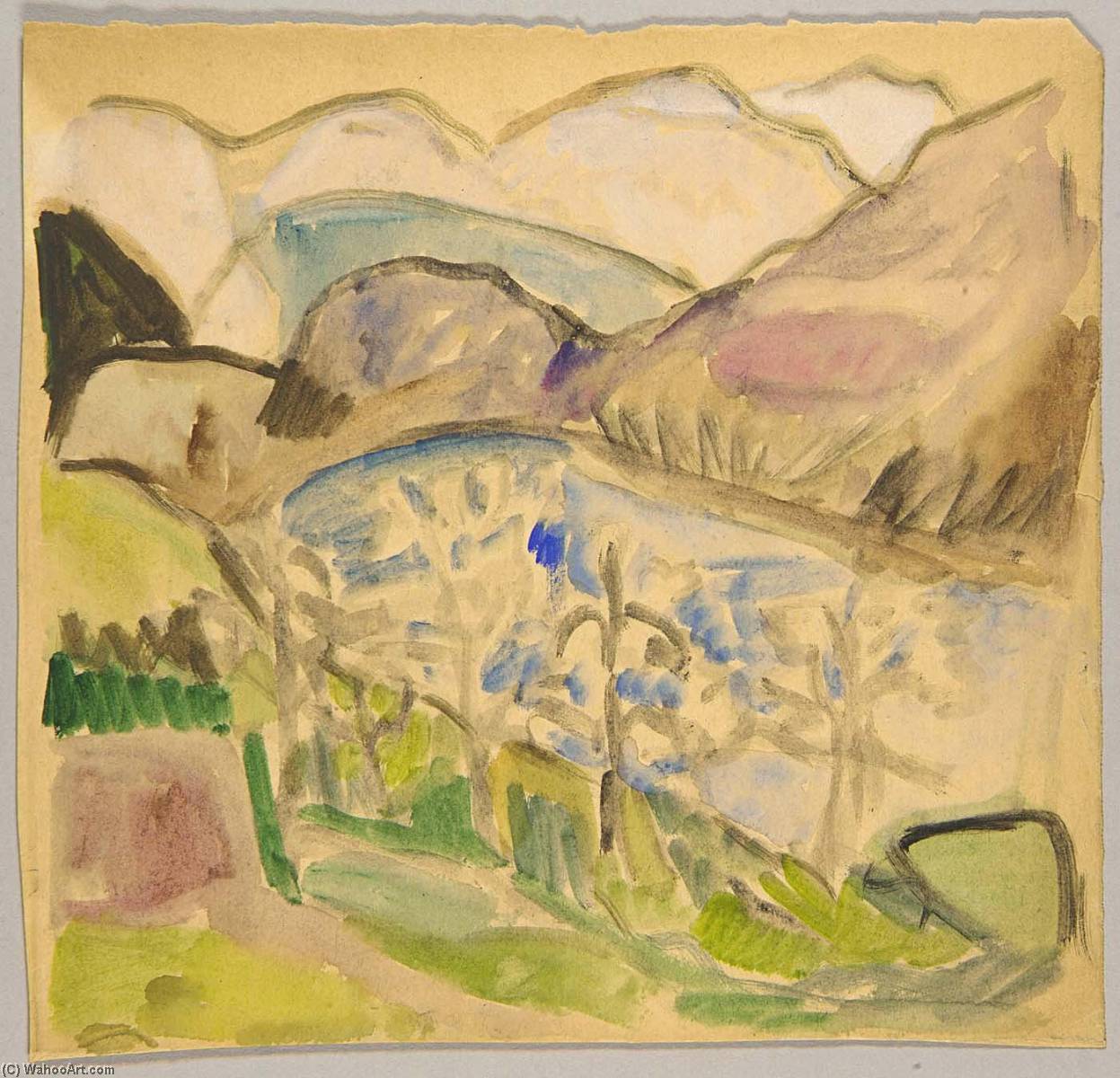
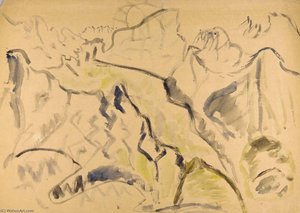
Trees, Fjord and Mountains, Norway
 Watercolor
- WallArt
 1938
1938 26.0 x 27.0 cm
 Read More
Giclée / Art Print
Museum-quality giclée or canvas print with fast production and flexible finish options. ( Buy Hand Made Painting Buy Image)




P118B $10

P118H $10

P118W $10

P438Z $10

P508JH $12

P508YH $12

P805H $10

P805Z $10

P919BZ $10

P919G $10

P919XJ $10

P959ZH $10

P968JZ $12

W106C $8

W218G $10

W218JH $8

W218Y $10

W307PJ $10

W316G $10

W316PJ $8

W316Y $10

W398PJ $8

W4111J $10

W500HY $15

W500JH $15

W692G $12

W849H $8

W940BG $15

W953PJ $8




Pick from our preset sizes that match the artwork's original proportions.

You may enter your own dimensions to fit a specific frame or space. If your selected size does not match the original image's proportions, we will either crop the artwork or extend the image with a mirrored or solid-fill edge. A digital mockup will be sent for your approval before production begins.
Please note that the on-screen preview does not reflect the actual cropping or extension. Only the mockup will accurately show the final composition.
While custom sizes are available, we recommend selecting a dimension from the predefined list to preserve the original proportions.
Worldwide Delivery () in 2 weeks instead of standard 4/5 weeks. (23 August)

Free Worldwide Express Shipping

High-Quality Linen Canvas

Full Shipping Insurance

Customs Tax Refund Guarantee

True Color Matching Guarantee

60-Day Return Policy (Defects Only)

100% Money-Back Guarantee

Bulk Discount Offer
 Glass option is only available in size under 110 CM

Trees, Fjord and Mountains, Norway
Giclée / Art Print
Reproduction Size
-


Total Price
$ 63
Collectible Description
A Watercolor Dream of Nordic Majesty
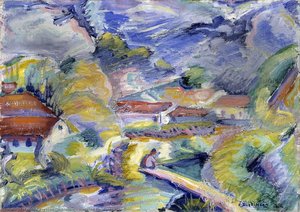
Gazing upon this watercolor, "Trees, Fjord and Mountains, Norway," one is immediately transported to a place of breathtaking, untamed grandeur. The scene unfolds with the delicate yet powerful hand of an artist who has mastered the ephemeral quality of light across vast natural expanses. It is a vision dominated by the cool, soothing embrace of blues and greens—the deep sapphire of the fjord meeting the verdant slopes kissed by distant snows. The composition guides the eye through layers of depth: from the immediate foreground where scattered trees anchor the viewer, across the tranquil expanse of water, to the monumental backdrop of snow-capped peaks that seem to scrape the very heavens.
Mastery in Watercolor Technique
The choice of watercolor medium lends an inherent luminosity to this piece. Unlike the permanence of oil paint, watercolor allows for washes of color that breathe and shift with the light, giving the landscape an almost atmospheric quality. The artist has demonstrated a remarkable skill in rendering both the sharp detail of individual tree trunks and the soft, misty gradation of the distant mountain ranges. This technique is crucial to the painting's emotional resonance; it suggests memory, dream, or a perfect moment suspended in time. The interplay between the saturated blues of the water and the muted tones of the rock faces creates a visual harmony that speaks to the enduring power of nature.
Echoes of Place and Time
Dating from 1938, this work captures an idealized vision of Norwegian wilderness. While William H. Johnson’s broader artistic narrative is deeply rooted in African American spiritualism and modernist abstraction, this particular piece showcases a profound engagement with the sublime beauty found outside his immediate cultural sphere. It speaks to a universal human yearning—the desire to connect with something immense, enduring, and untouched by the clamor of modern life. For collectors and designers alike, it offers a window into romanticized naturalism, perfect for evoking tranquility in any space.
Symbolism of the Landscape
The fjord itself often symbolizes passage, transition, and the journey through life's emotional currents. Surrounded by towering mountains—symbols of permanence and challenge—the calm water suggests moments of profound peace found amidst life’s grand struggles. The scattered trees can be interpreted as markers of resilience, standing firm against the backdrop of monumental change. Owning a reproduction of this artwork is not merely acquiring a pretty scene; it is inviting a sense of deep contemplation and restorative quietude into your home or gallery.
Bringing Norwegian Serenity Home
Whether you are curating a space that demands an air of sophisticated calm, or simply seeking a piece that whispers tales of distant, majestic shores, "Trees, Fjord and Mountains, Norway" offers unparalleled depth. Its vibrant yet soothing palette ensures it will complement both richly decorated interiors and minimalist modern settings alike. It is a timeless masterpiece of landscape emotion, ready to become the quiet focal point of your collection.
Related Artworks
Artist Biography
A Tapestry of Resilience: The Soulful Vision of William H. Johnson
The story of William Henry Johnson is one of profound transformation, a journey that began in the humble landscapes of Florence, South Carolina, and ascended to the heights of the international modernist stage. Born in 1901 into a poor African American family during the era of Jim Crow, Johnson’s early life was shaped by the rhythms of the American South—the spiritual echoes of gospel music, the richness of oral storytelling, and the deep-seated traditions of his heritage. This foundational connection to Black culture would later serve as the heartbeat of his most enduring works, providing a wellspring of imagery that transcended mere representation to reach the realm of the universal.
His path toward artistic mastery was paved with immense personal determination. Moving to New York at the age of seventeen, Johnson worked tirelessly to fund his education at the prestigious National Academy of Design. In the halls of the academy, he mastered the rigorous, classical standards of European tradition, yet his spirit remained tethered to the vibrant textures of his roots. This tension between formal academic training and a yearning for cultural authenticity would become the defining characteristic of his evolving style.
From European Modernism to Folk Art Mastery
The late 1920s marked a pivotal departure in Johnson’s career as he traveled to Europe, immersing himself in the avant-garde movements of France. It was during this period of wandering and discovery that his brushwork began to shed its classical constraints, embracing the emotional intensity of Expressionism. His time in Scandinavia, particularly his marriage to the Danish artist Holcha Krake, introduced him to the aesthetics of primitivism and folk art. These influences acted as a catalyst, prompting him to simplify forms and utilize bold, unadorned colors to convey deeper psychological truths.
Upon returning to the United States in 1938, Johnson emerged as a vital voice of the Harlem Renaissance. He did not merely observe African American life; he celebrated it through a unique visual language that blended modernist abstraction with a soulful, folk-inspired aesthetic. His canvases became windows into the dignity of the Black experience, utilizing techniques such as impasto to create palpable textures that mirrored the grit and grace of his subjects. Whether depicting the rhythmic energy of dancers in works like Jitterbugs (III) or the serene stillness of a seated figure, Johnson’s work possessed an unmistakable emotional clarity.
A Legacy of Cultural Significance
The significance of William H. Johnson lies in his ability to weave together disparate worlds—the spiritual and the secular, the local and the global, the classical and the primitive. His oeuvre is a monumental archive of African American identity, featuring subjects that range from historical icons like Harriet Tubman to the everyday beauty of rural landscapes and social gatherings. Notable masterpieces such as The Black Christ demonstrate his profound use of Yoruba symbolism, bridging the gap between ancestral spirituality and contemporary struggle.
Though he faced periods of being overlooked by the mainstream art establishment during his lifetime, Johnson’s legacy has undergone a powerful reclamation. Today, he is recognized not just as a painter of his era, but as a visionary who transformed the language of modernism to honor the resilience of his people. His life remains a testament to the power of art to preserve history, celebrate identity, and find beauty within the most complex human experiences.
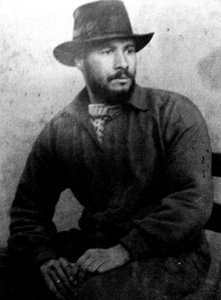
william h. johnson
1901 - 1970 , United States of America
Quick Facts
- Artistic Movement Or Style: Harlem Renaissance; Expressionism
- Artists Or Movements Influenced By This Artist: ['Expressionism']
- Artists Who Influenced This Artist: ['John Wollaston']
- Date Of Birth: 1901
- Full Name: William Henry Johnson
- Nationality: American
- Notable Artworks:
- Sir William Johnson Presenting Medals...
- William Johnson Fox
- Place Of Birth: Florence, United States of America
Related Articles

Watercolor Wonders: 10 Masterpieces That Redefined Art History | ArtsDot
Journey through 10 legendary watercolor masterpieces by Sargent, Turner & Homer! Explore iconic landscapes, portraits & floral art that redefined history. Find museum-quality reproductions and curated decor ideas at ArtsDot.com.

Hokusai's Masterpieces: 25 Iconic Prints & Paintings for Art Lovers | ArtsDot
Journey through Katsushika Hokusai’s 25 most iconic artworks, including *The Great Wave*. Explore the ukiyo-e master's history, style & timeless Japanese woodblock prints. Find museum-quality reproductions for your home at ArtsDot.com.

Ephemeral Visions: Exploring the Artistic Legacy & Contemporary Practice of Watercolor Painting
Explore the captivating world of watercolor painting! Discover its rich history, essential techniques, influential artists & collecting tips. A comprehensive guide for art enthusiasts from ArtsDot.

Ephemeral Visions: Exploring the History & Emotional Resonance of Watercolor Painting
Explore the captivating history of watercolor painting, from ancient techniques to modern masters like Kandinsky & Blake. Discover essential artists, collecting tips & the emotional power of this luminous medium. Expert insights for art enthusiasts.

Ephemeral Visions: Exploring the Artistic Legacy & Nuances of Watercolor Painting
Explore the captivating world of watercolor painting! Discover its rich history, essential techniques, influential artists & collecting tips from art experts. A comprehensive guide for enthusiasts.