 Preview
 Send
Send Share
Share
 Details

 Download
 Similars
 X-Ray
X-Ray Diaporama
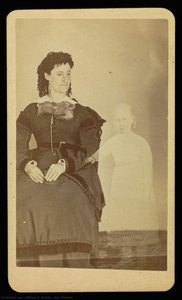
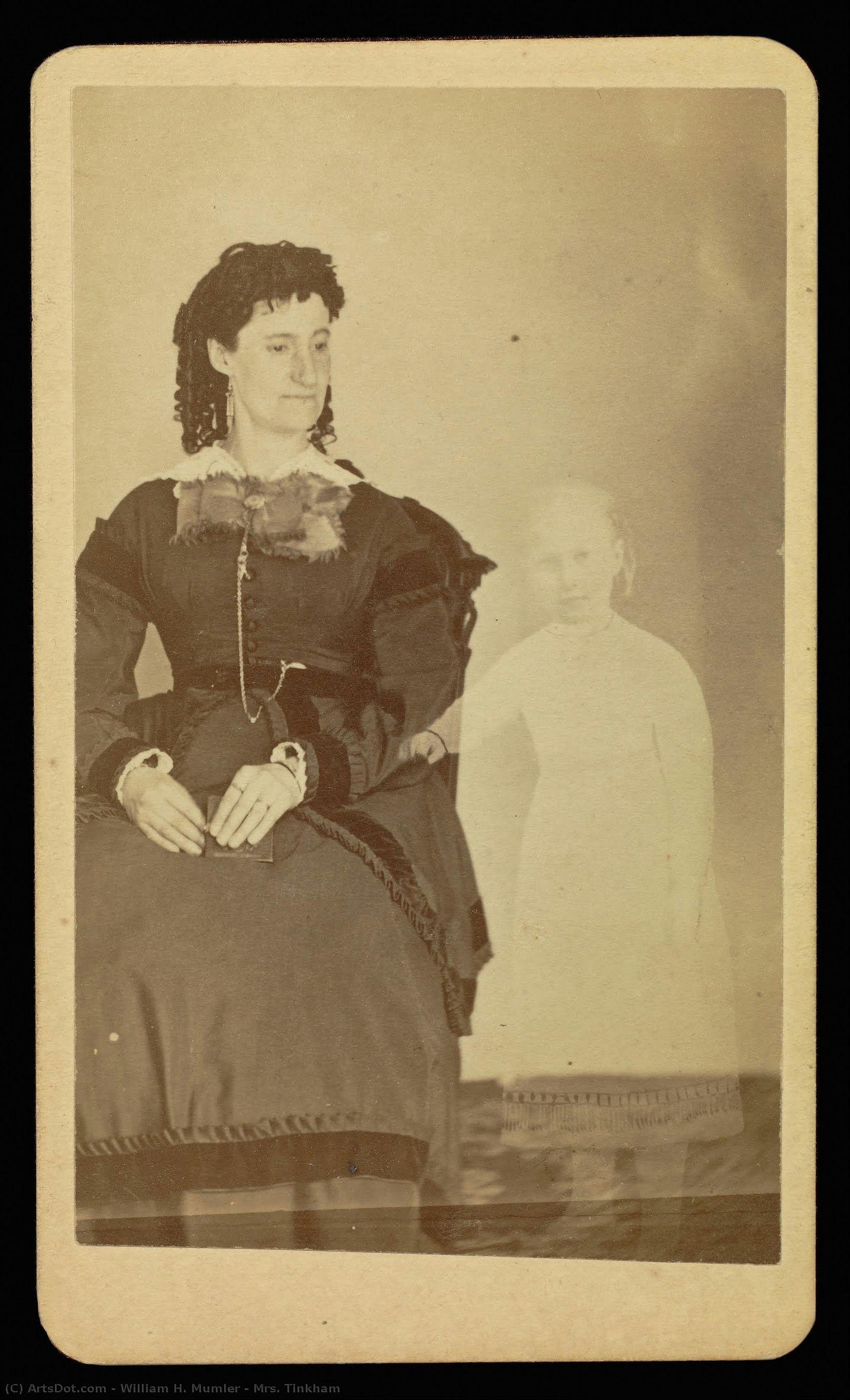
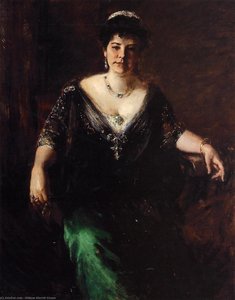
Mrs. Tinkham
 Oil On Canvas
- WallArt
 1875
1875 9.0 x 5.0 cm
 J. Paul Getty Museum
 Read More
Hand Made Oil Reproduction
Hand-painted oil on canvas in your size and frame, made to order by our artists. ( Buy Print Buy Image)




P118B $10

P118H $10

P118W $10

P438Z $10

P508JH $12

P508YH $12

P805H $10

P805Z $10

P919BZ $10

P919G $10

P919XJ $10

P959ZH $10

P968JZ $12

W106C $8

W218G $10

W218JH $8

W218Y $10

W307PJ $10

W316G $10

W316PJ $8

W316Y $10

W398PJ $8

W4111J $10

W500HY $15

W500JH $15

W692G $12

W849H $8

W940BG $15

W953PJ $8




Pick from our preset sizes that match the artwork's original proportions.

You may enter your own dimensions to fit a specific frame or space. If your selected size does not match the original image's proportions, we will either crop the artwork or extend the painting with additional hand-painted elements. A digital mockup will be sent for your approval before production begins.
Please note that the on-screen preview does not reflect the actual cropping or extension. Only the mockup will accurately show the final composition.
While custom sizes are available, we recommend selecting a dimension from the predefined list to preserve the original proportions.
After order, ArtsDot.com team will email client for instructions and provide a mockup preview
Worldwide Delivery () in 3/4 weeks instead of standard 5 weeks. (17 August). No compromise on quality.

Free Worldwide Express Shipping

High-Quality Linen Canvas

Full Shipping Insurance

Customs Tax Refund Guarantee

True Color Matching Guarantee

60-Day Return Policy (Defects Only)

100% Money-Back Guarantee

Bulk Discount Offer
 Glass option is only available in size under 110 CM

Mrs. Tinkham
Reproduction Medium
Reproduction Size
-


Total Price
$ 263
Artwork Description
The Spectral Portrait: Mrs. Tinkham by William H. Mumler
William H. Mumler’s “Mrs. Tinkham” isn't merely a photograph; it’s a carefully constructed artifact of Victorian grief and burgeoning spiritualism, a testament to the era’s fascination with the afterlife and the nascent power of photography. Created in 1875, this remarkable image transcends its technical execution to become a poignant meditation on loss, belief, and the blurred boundaries between the living and the departed. The photograph captures a domestic scene—a woman seated with her child—but overlaid upon it is an ethereal presence: a ghostly reflection beside Mrs. Tinkham, suggesting the spectral visitation of a loved one lost too soon.
Mumler’s process, dubbed the “Mumler Process,” was revolutionary for its time. He skillfully employed double exposure techniques – a method still relatively new to photography – layering an existing image of the deceased onto a fresh print. This wasn't simply a matter of accidental overlap; Mumler meticulously manipulated the photographic plate and developed the image with painstaking care, creating a deliberate illusion of transparency and ghostly luminescence. The resulting effect is remarkably convincing, lending an uncanny realism to the spectral figure. The composition itself—the seated figures bathed in soft light, the child’s innocent gaze—heightens the emotional impact, drawing the viewer into a scene ripe with unspoken sorrow and yearning.
A Window into Victorian Spiritualism
“Mrs. Tinkham” emerged during a pivotal moment in American history: the aftermath of the Civil War. The nation was grappling with immense loss, and the concept of an afterlife—and the possibility of communicating with deceased loved ones—became increasingly prevalent. Spiritualism, with its claims of séances, mediums, and spirit photography, offered solace and a tangible connection to those who had passed on. Mumler’s work perfectly captured this zeitgeist, providing a visual representation of the widespread belief in ghostly apparitions and the desire to maintain a connection with departed souls.
The photograph's popularity stemmed not only from its aesthetic appeal but also from its ability to tap into deeply felt emotions. Families who had lost members sought out Mumler’s services, hoping to capture an image of their beloved relative—a tangible reminder of their presence. The resulting photographs became treasured possessions, imbued with sentimental value and serving as a focal point for remembrance rituals. It's important to note that while the photographic techniques were innovative, the emotional resonance was profoundly rooted in the anxieties and hopes surrounding death and mourning during this era.
Symbolism and the Ethereal Presence
The ghostly figure beside Mrs. Tinkham is laden with symbolic weight. It’s not a sharply defined apparition; rather, it's a hazy, almost translucent form—a representation of memory, longing, and the enduring power of love. The child’s presence further amplifies this symbolism, suggesting the continuation of family lineage beyond earthly existence. The act of capturing a “ghost” through photography wasn’t simply about documenting the deceased; it was about preserving their essence, ensuring that they would not be entirely forgotten.
Furthermore, the photographic process itself can be interpreted as symbolic. The layering of images—the merging of the living and the dead—represents the blurring of boundaries between worlds, a metaphor for the spiritual realm and the possibility of communication across the divide. The careful manipulation of light and shadow further enhances this effect, creating an atmosphere of mystery and reverence.
A Legacy of Illusion and Belief
Despite being exposed as a clever hoax by skeptics like P.T. Barnum, “Mrs. Tinkham” retains its power to evoke emotion and intrigue. The photograph’s enduring appeal lies not in its authenticity but in its ability to tap into our deepest fears and desires—our longing for connection with the departed and our fascination with the unknown. It stands as a remarkable example of Victorian ingenuity, artistic skill, and the profound human need to grapple with mortality.
Today, reproductions of “Mrs. Tinkham” continue to captivate audiences, offering a glimpse into a bygone era and prompting reflection on the nature of belief, memory, and the enduring power of images to shape our understanding of the world—and beyond.
Related Artworks
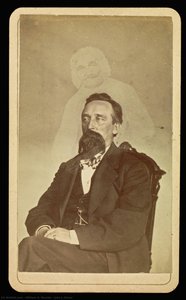
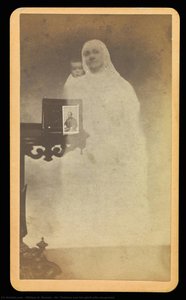
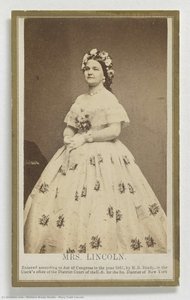
Artist Biography
early life and career
william h. mumler, an american spirit photographer, was born in 1832 in the united states. before venturing into photography, mumler worked as a jewellery engraver in boston. his interest in photography led him to develop a self-portrait that unexpectedly featured the apparition of his deceased cousin, marking the beginning of his spirit photography career.rise to fame and notable works
mumler's most famous images include:- photograph of mary todd lincoln with the ghost of her husband abraham lincoln
- portrait of master herrod, a medium, with three spirit guides
controversy and trial
mumler was taken to court in 1869, accused of fraud and larceny. noted showman p. t. barnum testified against him. however, mumler was acquitted due to the prosecution's inability to prove his guilt beyond a doubt.legacy and contributions
despite the controversy, mumler continued his photography career, discovering the "mumler process" for producing photo-electrotype plates. his work, featured in various museums, including the j. paul getty museum (los angeles, united states), remains a subject of interest in the realm of parapsychology. key takeaways: * mumler's spirit photography career was marked by both innovation and controversy. * his most famous images continue to fascinate audiences on ArtsDot.com. * the "mumler process" remains a notable contribution to the field of photography. learn more about william h. mumler's life and work on wikipedia.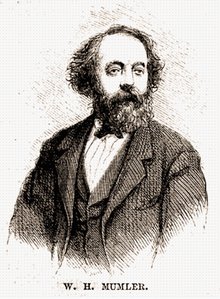
William H. Mumler
1832 - 1884 , United States of America
Quick Facts
- Artistic Movement Or Style: Spirit Photography
- Date Of Birth: 1832
- Date Of Death: 1884
- Full Name: William H. Mumler
- Nationality: American
- Notable Artworks:
- Photograph of Mary Todd Lincoln with the ghost of Abraham Lincoln
- Portrait of Master Herrod
- Place Of Birth: Boston, United States
Related Articles
Beyond the Lens: Photography's Enduring Influence on Modern & Contemporary Art
Explore photography's pivotal role in shaping modern & contemporary art. Discover key movements, influential artists like Stieglitz, and expert collecting advice from ArtsDot.
Pictorialism: A Search for Artistic Photography's Soul – Aesthetics, Techniques & Legacy
Explore the captivating world of Pictorialism – a pivotal movement that transformed photography into fine art. Discover key artists like Stieglitz & Käsebier, techniques, and collecting tips from experts.

Monochrome Visions: Exploring the Aesthetic & Historical Significance of Black & White Photography
Explore the rich history & artistic power of black and white photography. From early techniques to iconic masters like Ansel Adams, discover why monochrome continues to captivate art lovers today. Expert insights for collectors.

Witnessing History Through Lens & Light: Documentary Photography's Enduring Legacy
Explore the powerful history of documentary photography – from its origins to contemporary masters like Gordon Parks & W. Eugene Smith. Discover how this art form shapes our understanding of society and witness pivotal moments in time.

Documentary Photography's Defining Moments: 10 Masterpieces for Your Home |
Explore 10 defining documentary photography masterpieces – from Dorothea Lange to Robert Capa. Discover powerful stories, iconic images & timeless art for your home. Museum-quality prints at .