 Preview
 Send
Send Share
Share
 Details

 Download
 Similars
 X-Ray
X-Ray Diaporama
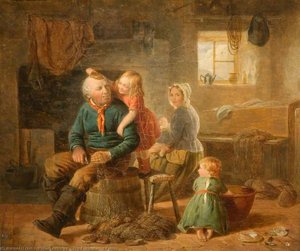
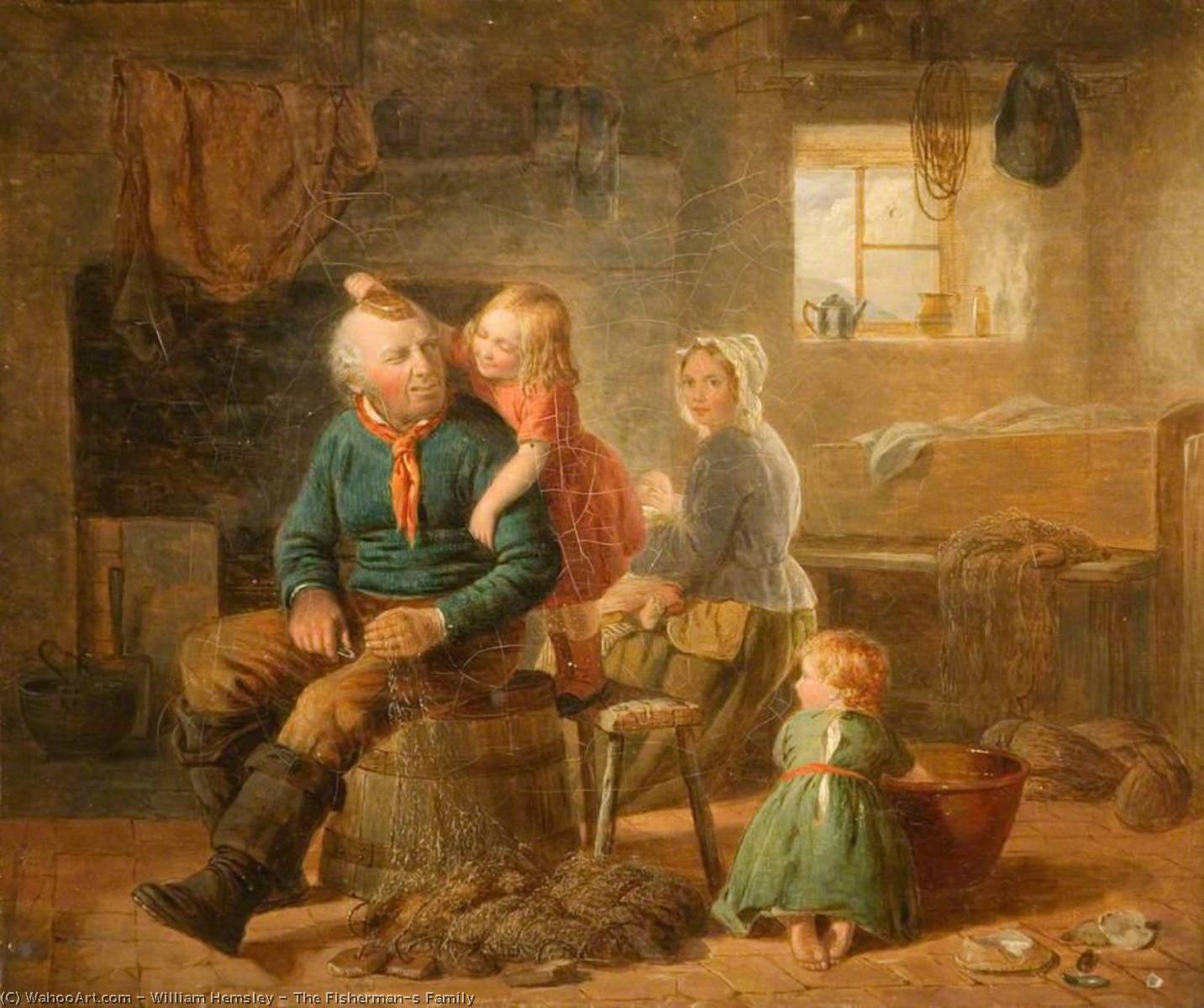
The Fisherman's Family


 Read More
Hand Made Oil Reproduction
Hand-painted oil on canvas in your size and frame, made to order by our artists. ( Buy Print Buy Image)




P118B $10

P118H $10

P118W $10

P438Z $10

P508JH $12

P508YH $12

P805H $10

P805Z $10

P919BZ $10

P919G $10

P919XJ $10

P959ZH $10

P968JZ $12

W106C $8

W218G $10

W218JH $8

W218Y $10

W307PJ $10

W316G $10

W316PJ $8

W316Y $10

W398PJ $8

W4111J $10

W500HY $15

W500JH $15

W692G $12

W849H $8

W940BG $15

W953PJ $8




Pick from our preset sizes that match the artwork's original proportions.

You may enter your own dimensions to fit a specific frame or space. If your selected size does not match the original image's proportions, we will either crop the artwork or extend the painting with additional hand-painted elements. A digital mockup will be sent for your approval before production begins.
Please note that the on-screen preview does not reflect the actual cropping or extension. Only the mockup will accurately show the final composition.
While custom sizes are available, we recommend selecting a dimension from the predefined list to preserve the original proportions.
After order, ArtsDot.com team will email client for instructions and provide a mockup preview
Worldwide Delivery () in 3/4 weeks instead of standard 5 weeks. (16 August). No compromise on quality.

Free Worldwide Express Shipping

High-Quality Linen Canvas

Full Shipping Insurance

Customs Tax Refund Guarantee

True Color Matching Guarantee

60-Day Return Policy (Defects Only)

100% Money-Back Guarantee

Bulk Discount Offer
 Glass option is only available in size under 110 CM

The Fisherman's Family
Reproduction Medium
Reproduction Size
-


Total Price
$ 313
Artwork Description
A Window Into Victorian Domesticity: Examining William Hemsley’s “The Fisherman’s Family”
William Hemsley's "The Fisherman’s Family," painted in 1858, transcends mere depiction; it embodies the spirit of Victorian England—a period defined by burgeoning industrialization alongside a fervent desire for connection to rural traditions. Currently residing within the Wolverhampton Art Gallery, this oil on canvas masterpiece offers a poignant glimpse into the lives of ordinary families grappling with the complexities of their era. Hemsley’s artistic vision wasn't driven by grand narratives but by an acute observation of human experience, aligning him squarely with the burgeoning realist movement that sought to challenge the prevailing aesthetic ideals of its time.- Subject Matter and Composition: The painting captures a quintessential domestic scene—a fisherman’s family gathered around a barrel in their humble home. The central figure is an older man seated calmly, radiating paternal authority, while his two children engage in affectionate gestures – notably, the young girl kissing his cheek – conveying warmth and familial intimacy. This deliberate arrangement emphasizes the importance of familial bonds amidst the backdrop of societal change.
- Style and Technique: Hemsley’s style leans heavily toward realism, prioritizing accurate representation over idealized beauty. His meticulous brushwork meticulously renders textures—the rough weave of woolen clothing, the weathered surface of wooden furniture—creating a palpable sense of materiality. The artist skillfully employs chiaroscuro – dramatic contrasts between light and shadow – to sculpt form and imbue the scene with depth and atmosphere.
Historical Context: Victorian Values Under Pressure
Painted during Queen Victoria’s reign, “The Fisherman’s Family” reflects the anxieties surrounding rapid industrial growth. The Victorian era witnessed unprecedented urbanization and social stratification, prompting artists like Hemsley to explore themes of rural life and familial stability as a counterpoint to the pressures of modernity. The painting subtly communicates a yearning for simpler times—a return to values rooted in tradition, community, and genuine human connection.- Symbolism: Beyond its realistic portrayal, “The Fisherman’s Family” carries symbolic weight. The barrel serves as a focal point, representing resilience and steadfastness – qualities deemed essential for navigating the uncertainties of Victorian society. The gesture of affection between father and daughter symbolizes unconditional love and familial devotion.
- Emotional Impact: The painting evokes feelings of tranquility, warmth, and nostalgia. Its muted palette—dominated by earthy tones—creates a comforting ambiance that invites contemplation. Hemsley’s masterful technique captures not only the visual details but also the emotional essence of everyday life, resonating with viewers across generations.
A Legacy of Domestic Idealism
“The Fisherman’s Family” stands as a testament to Hemsley's ability to distill complex social realities into emotionally resonant imagery. It exemplifies the Victorian preoccupation with portraying domestic tranquility and familial piety—values that continue to inspire artists and designers today. A reproduction of this remarkable artwork offers an opportunity to appreciate not only its artistic merit but also its enduring significance as a symbol of human compassion and connection.- Further Exploration: For those interested in delving deeper into William Hemsley’s oeuvre, Wikipedia provides valuable biographical information: https://en.wikipedia.org/wiki/William_Hemsley
Related Artworks

Artist Biography
Gustave Courbet: A Revolutionary of the Real
Jean Désiré Gustave Courbet, born in Ornans, eastern France, on June 10, 1819, and tragically dying in La Tour-de-Peilz, Switzerland, on December 31, 1877, was more than just a painter; he was a catalyst. A pivotal figure in the transition from Romanticism to modern art, Courbet fundamentally challenged artistic conventions of his time, rejecting idealized beauty and academic traditions in favor of depicting the realities of everyday life with unflinching honesty. His work wasn’t merely representation; it was a statement – a bold declaration that art could be found not just in grand narratives or mythological scenes, but within the humble experiences of ordinary people.
Courbet's early life instilled a deep connection to the land and its inhabitants. Raised on his family’s farm, he developed an appreciation for the working class – the peasants, laborers, and farmers who formed the bedrock of rural France. This observation would become central to his artistic vision. Initially, Courbet pursued law studies in Paris, but quickly abandoned them for a path dedicated entirely to art. He sought guidance from established masters at the Louvre, meticulously studying Velázquez, Ribera, and other Spanish painters, honing his technical skills through diligent copying before venturing to develop his own unique style.
- Early Influences: The works of Spanish masters like Velázquez and Ribera profoundly influenced Courbet’s approach to composition, light, and shadow.
- The Salon Rejection: His early submissions to the official Salon were repeatedly rejected due to their unconventional subject matter and lack of adherence to academic standards. This rejection fueled his determination to forge an independent artistic path.
The Birth of Realism
Courbet’s break came with the acceptance of *Courbet with a Black Dog* in 1844, marking a significant step toward establishing himself as an artist. However, he quickly grew frustrated with the Salon's restrictive rules and the prevailing artistic climate. He began to paint subjects that directly challenged the established order – scenes of rural life, portraits of working-class individuals, and landscapes devoid of romantic embellishment. This marked the birth of Realism in French painting.
His most famous early work, *A Burial at Ornans* (1849–50), exemplifies this shift. Depicting a simple funeral procession in his hometown, Courbet eschewed heroic grandeur and idealized figures, presenting instead a raw, unvarnished portrayal of grief and community. The sheer scale of the painting – unprecedented for a genre scene – further emphasized its significance and challenged viewers to confront the realities of mortality and social life.
- Key Works: *A Burial at Ornans*, *The Stone Breakers* (1849), *Wheatfield with Cypresses* (1873-75).
- Social Commentary: Courbet’s paintings often served as social commentary, exposing the hardships and dignity of the working class.
Themes and Techniques
Courbet's artistic vision was deeply rooted in his observations of the world around him. He frequently depicted scenes from rural life – harvests, laborers, and landscapes – capturing the textures, colors, and light of the French countryside with remarkable detail. His use of color was particularly striking; he favored earthy tones and muted palettes, creating a sense of realism and immediacy.
Beyond his subject matter, Courbet’s technique was equally innovative. He employed a direct painting method, working directly onto the canvas without preliminary sketches or underpaintings. This approach allowed him to capture fleeting moments and convey a sense of spontaneity. His brushstrokes were often loose and expressive, contributing to the overall dynamism of his compositions.
Notable Techniques:- Direct painting method
- Emphasis on texture and color
- Large-scale canvases
Legacy and Influence
Despite facing criticism and rejection during his lifetime, Gustave Courbet’s legacy is immense. He paved the way for subsequent generations of artists – Impressionists, Post-Impressionists, and beyond – by demonstrating that art could be a powerful tool for social commentary and personal expression. His commitment to depicting reality without idealization profoundly influenced the course of modern art.
Courbet’s work continues to resonate with audiences today, reminding us of the importance of observing the world around us and challenging conventional notions of beauty and artistic value. He remains a towering figure in the history of art, a revolutionary who dared to paint what he saw – and in doing so, forever changed the way we perceive and appreciate art.
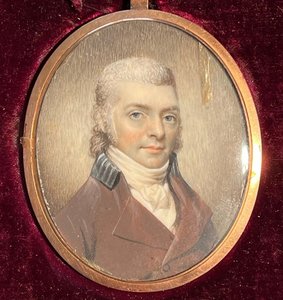
william hemsley
1819 - 1893 , United Kingdom
Quick Facts
- Artistic Movement Or Style: Realism
- Artists Or Movements Influenced By This Artist:
- Impressionism
- Cubism
- Artists Who Influenced This Artist:
- Velázquez
- Ribera
- Date Of Birth: June 10, 1819
- Date Of Death: December 31, 1877
- Full Name: Jean Désiré Gustave Courbet
- Nationality: French
- Notable Artworks:
- A Burial at Ornans
- The Stone Breakers
- Olympia
- Place Of Birth: Ornans, France
Related Articles

The Enduring Legacy of Oil on Canvas: Technique, History & Aesthetic Impact
Explore the rich history & techniques of oil painting – from Renaissance masters to Impressionism. Discover pigments, layering methods, and why this timeless medium endures. Expert insights for artists & art enthusiasts.

Oil on Canvas: A Historical & Technical Exploration of a Timeless Artistic Medium
Explore the rich history & enduring techniques of oil painting on canvas. Discover the science behind its longevity, conservation practices, and contemporary relevance. Expert insights for art enthusiasts.

The Enduring Power of Painting: A Historical & Contemporary Exploration of Form and Emotion
Explore the rich history & enduring techniques of oil painting with ArtsDot. Discover masterpieces, learn about art collecting, and find authentic handmade reproductions crafted by skilled artists.
Capturing Kinship: Commission Affordable Oil Portraits as Enduring Family Legacies
Transform cherished photos into timeless oil portraits with ArtsDot. Commission a hand-painted family masterpiece that preserves your legacy for generations. Affordable, expert artistry & 100% satisfaction guaranteed.

The Enduring Legacy of Oil on Canvas: Technique, History & Contemporary Practice
Explore the rich history & enduring techniques of oil painting on canvas. Discover the science behind its longevity, conservation practices, and contemporary relevance. Expert insights for art enthusiasts.