 Preview
 Send
Send Share
Share
 Details

 Download
 Similars
 X-Ray
X-Ray Diaporama
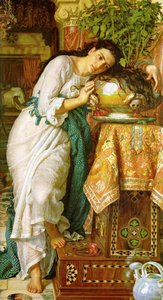
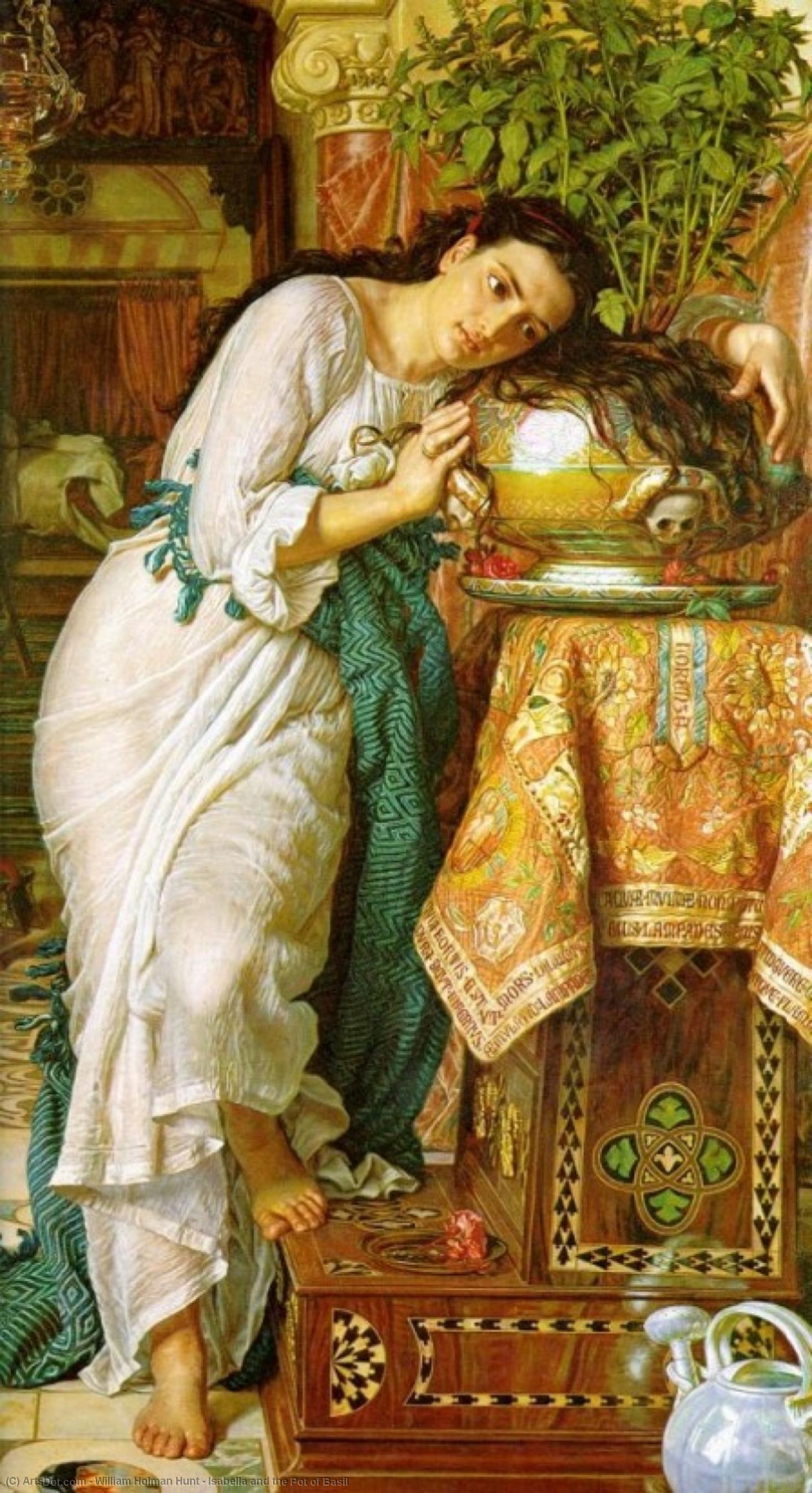
Isabella and the Pot of Basil


 Read More
Hand Made Oil Reproduction
Hand-painted oil on canvas in your size and frame, made to order by our artists. ( Buy Print Buy Image)




P118B $10

P118H $10

P118W $10

P438Z $10

P508JH $12

P508YH $12

P805H $10

P805Z $10

P919BZ $10

P919G $10

P919XJ $10

P959ZH $10

P968JZ $12

W106C $8

W218G $10

W218JH $8

W218Y $10

W307PJ $10

W316G $10

W316PJ $8

W316Y $10

W398PJ $8

W4111J $10

W500HY $15

W500JH $15

W692G $12

W849H $8

W940BG $15

W953PJ $8




Pick from our preset sizes that match the artwork's original proportions.

You may enter your own dimensions to fit a specific frame or space. If your selected size does not match the original image's proportions, we will either crop the artwork or extend the painting with additional hand-painted elements. A digital mockup will be sent for your approval before production begins.
Please note that the on-screen preview does not reflect the actual cropping or extension. Only the mockup will accurately show the final composition.
While custom sizes are available, we recommend selecting a dimension from the predefined list to preserve the original proportions.
After order, ArtsDot.com team will email client for instructions and provide a mockup preview
Worldwide Delivery () in 3/4 weeks instead of standard 5 weeks. (16 August). No compromise on quality.

Free Worldwide Express Shipping

High-Quality Linen Canvas

Full Shipping Insurance

Customs Tax Refund Guarantee

True Color Matching Guarantee

60-Day Return Policy (Defects Only)

100% Money-Back Guarantee

Bulk Discount Offer
 Glass option is only available in size under 110 CM

Isabella and the Pot of Basil
Reproduction Medium
Reproduction Size
-


Total Price
$ 263
Artwork Description
The Luminous Allure of Pre-Raphaelite Detail
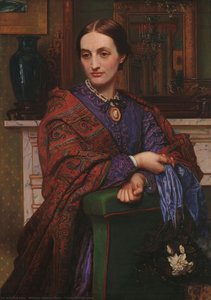
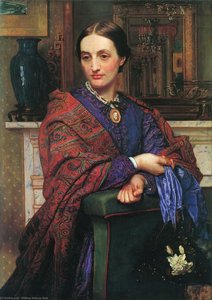
To stand before William Holman Hunt's Isabella and the Pot of Basil is to step directly into the fervent, richly colored world of the mid-nineteenth century. This oil on canvas, executed in 1868, is not merely a portrait; it is a meticulously constructed meditation on beauty, devotion, and the enduring power of nature. Hunt, a leading voice of the Pre-Raphaelite Brotherhood, channeled an intense spiritual fervor into his brushstrokes. The painting immediately captivates with its almost hyper-real clarity—every leaf, every fold of Isabella's pristine white gown, seems rendered with painstaking devotion. It speaks to an era that yearned for sincerity in art, a reaction against what the artists perceived as the stale conventions of established academia.
A Tapestry of Symbolism and Serenity
The composition itself is a masterclass in narrative subtlety. At the heart lies Isabella, whose repose, with her head gently inclined near the verdant bounty of potted plants, suggests both languor and deep contemplation. These surrounding botanicals are far more than mere decoration; they function as potent symbols, echoing themes of life's cyclical nature and perhaps even the fleeting quality of earthly beauty. The inclusion of other figures—those subtly engaged on either side—grounds the scene in a lived reality, suggesting an intimate gathering where conversation and quiet moments intertwine with the vibrant pulse of domestic life. Hunt imbued this seemingly simple arrangement with profound emotional weight, inviting the viewer to decipher the unspoken dialogue passing between the subjects.
Mastery of Technique: Color and Intricacy
Technically speaking, Isabella and the Pot of Basil showcases Hunt's signature brilliance in handling color. The palette is vivid, almost jewel-toned, yet balanced by the ethereal glow emanating from Isabella’s white attire. This luminosity is achieved through an intricate layering of paint that allows light to seem as if it originates from within the canvas itself. The attention paid to detail—the texture of the foliage against the smoothness of skin, the pattern on a nearby chair—is breathtaking. For those who appreciate the craft of painting, this work serves as a profound lesson in how meticulous observation can elevate a scene into something mythic and timeless.
Bringing the Masterpiece Home
For the collector or designer seeking to infuse a space with historical depth and artistic resonance, reproductions of this caliber offer an unparalleled opportunity. Owning a piece inspired by Hunt’s vision means acquiring more than just decoration; it is acquiring a narrative anchor for your room. Whether you are drawn to the serene domesticity suggested by the table setting, or captivated by the intense spiritual undercurrent that permeates every corner, Isabella and the Pot of Basil promises an immediate elevation of ambiance. It is a piece that demands contemplation, rewarding the viewer with layers of beauty upon repeated viewing.
Related Artworks
Artist Biography
A Life Devoted to Vision
William Holman Hunt, born in Cheapside, London on April 2, 1827, was more than simply a painter; he was a philosophical and spiritual seeker who translated his deepest convictions onto canvas. His early life, though rooted in the bustling commercial world of his father’s warehouse business, held within it an artistic inclination that would ultimately defy expectations. Initially destined for a career mirroring his father's, Hunt found solace and purpose in art, beginning with surreptitious sketching and later, after some struggle, formal training at the Royal Academy Schools. This period of apprenticeship, however, proved restrictive. He yearned for an artistic expression that transcended prevailing academic conventions—a desire that would soon propel him toward revolutionary change. He felt stifled by what he perceived as the artificiality of contemporary art and sought a return to the sincerity and detail found in pre-Renaissance masters, a sentiment central to the formation of the Pre-Raphaelite Brotherhood. Hunt’s journey wasn't merely about aesthetics; it was a quest for truth, morality, and spiritual resonance within the realm of visual representation.The Genesis of a Revolutionary Brotherhood
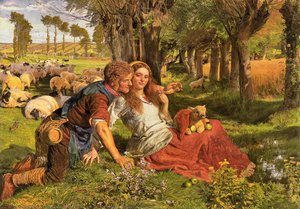
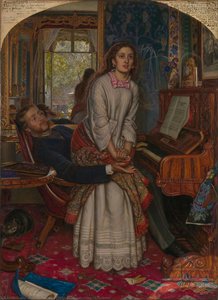
In 1848, alongside Dante Gabriel Rossetti and John Everett Millais, Hunt established the Pre-Raphaelite Brotherhood (PRB). This collective wasn’t just an artistic movement; it was a rebellion against what they saw as the decline of art since Raphael. The PRB advocated for a return to meticulous detail, vibrant colors, and sincere subject matter characteristic of early Italian painting—before the perceived artificiality of High Renaissance ideals took hold. Hunt's commitment to this philosophy remained unwavering throughout his career. Early works like The Hireling Shepherd, painted in 1851, exemplify this dedication. The painting’s painstaking realism – from the texture of the sheep’s wool to each individual blade of grass – was revolutionary for its time. It wasn't merely a depiction of rural life; it was an attempt to convey moral and symbolic meaning through precise observation of nature. The Awakening Conscience, also from this period, further solidified Hunt’s reputation for intensely naturalistic scenes imbued with psychological depth and moral weight. These paintings weren’t just visually striking; they were statements about the artist's belief in art as a vehicle for truth and spiritual awakening. The Brotherhood sought to challenge the established norms of artistic production, rejecting what they perceived as formulaic academic painting in favor of a more direct and honest engagement with the world around them.A Pilgrimage of Faith and Symbolic Depth
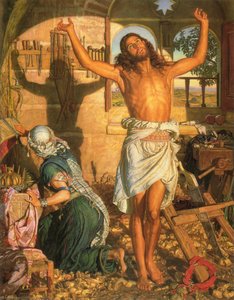
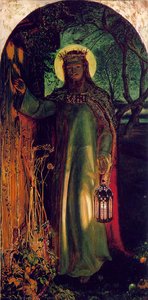
Hunt’s artistic journey took an extraordinary turn with his travels to the Holy Land in the 1850s and 60s. Driven by a desire for historical and topographical accuracy, he embarked on a pilgrimage to Palestine and Syria, meticulously documenting landscapes, costumes, and customs. This dedication to authenticity profoundly influenced his later works, imbuing them with an unparalleled sense of realism and spiritual resonance. The Shadow of Death, painted during this period, stands as a powerful example. The painting depicts the scene of Christ’s sacrifice in a way that was both visually arresting and deeply symbolic, reflecting Hunt's profound religious convictions. Perhaps his most iconic work, The Light of the World, begun in 1851 and completed in 1853, encapsulates this synthesis of faith and artistic skill. The image of Christ knocking at a door, offering salvation to those who open their hearts, became immensely popular and remains one of the most recognizable religious paintings of the Victorian era. Hunt’s commitment extended beyond mere representation; he sought to imbue his works with layers of symbolic meaning, drawing upon biblical texts, medieval allegory, and contemporary social commentary. He believed that art had a moral purpose—to uplift, inspire, and guide viewers toward spiritual enlightenment.Enduring Legacy and Later Years
Despite facing failing eyesight in his later years – a devastating blow for a painter so dedicated to detail – Hunt continued to create art, often relying on the assistance of his assistant, Edward Robert Hughes. He published an autobiography in 1905, offering invaluable insights into his artistic philosophy and personal life. His dedication was recognized with appointment to the Order of Merit by King Edward VII that same year. Hunt’s personal life was marked by both joy and sorrow; he married twice, first to Fanny Waugh, who served as a model for several of his works, and later to her sister Edith, after navigating legal complexities surrounding British laws regarding marriage to a deceased wife's sibling. He passed away on September 7, 1910, and was honored with burial in St Paul’s Cathedral—a testament to his significant contribution to British art and culture. William Holman Hunt’s legacy extends far beyond the beauty of his paintings. He revolutionized Victorian art by championing realism, symbolism, and spiritual depth, leaving an indelible mark on generations of artists and viewers alike. His works continue to inspire awe and contemplation, reminding us of the power of art to illuminate the human condition and explore the mysteries of faith.Key Influences & Themes
- Influences: John Ruskin’s writings on art and morality; Early Italian Renaissance painting (pre-Raphael); Biblical texts and medieval allegory.
- Major Themes: Religious faith, moral awakening, the beauty of nature, social commentary, symbolism. Hunt consistently explored themes of redemption, sacrifice, and the search for spiritual truth in his work.
- Key Dates: April 2, 1827: Born in Cheapside, London; 1851-1853: Painted The Light of the World; September 7, 1910: Passed away and buried in St Paul's Cathedral, London.
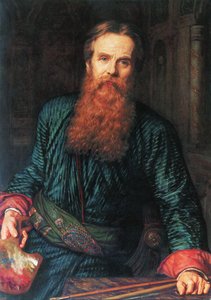
William Holman Hunt
1827 - 1910 , United Kingdom
Quick Facts
- Artistic Movement Or Style: Pre-Raphaelitism
- Artists Or Movements Influenced By This Artist: Pre-Raphaelite Brotherhood
- Artists Who Influenced This Artist:
- John Ruskin
- Early Italian Masters
- Date Of Birth: April 2, 1827
- Date Of Death: September 7, 1910
- Full Name: William Holman Hunt
- Nationality: British
- Notable Artworks:
- The Light of the World
- The Awakening Conscience
- The Hireling Shepherd
- The Shadow of Death
- Place Of Birth: London, UK
Related Articles
Dante Gabriel Rossetti's 25 Masterpieces: A Journey Through Victorian Art & Symbolism | ArtsDot
Explore 25 iconic artworks by Dante Gabriel Rossetti, a leading Pre-Raphaelite artist. Discover the stories behind masterpieces like 'Proserpine' & 'Beata Beatrix'. Find museum-quality art reproductions and elevate your home decor with ArtsDot.com.
The Pre-Raphaelite Brotherhood: Rebellion, Romance & Medieval Revival
Explore the captivating world of the Pre-Raphaelite Brotherhood! Discover their rebellious spirit, iconic masterpieces & lasting influence on art history. Learn about Rossetti, Millais & more.
Sir John Everett Millais: Pre-Raphaelite Rebellion & Victorian Narrative Detail
Explore the revolutionary art of Sir John Everett Millais & the Pre-Raphaelite Brotherhood. Discover their radical realism, symbolic narratives, and lasting impact on Victorian aesthetics. A deep dive into 19th-century masterpieces.
John William Waterhouse: Pre-Raphaelite Mythmaker & Poetic Depictions of Female Identity
Explore the captivating world of John William Waterhouse, a master of Pre-Raphaelite painting. Discover his iconic depictions of mythology and female identity in this expert guide.
The Pre-Raphaelite Brotherhood: A Rebellion of Beauty & Medieval Revival
Explore the captivating world of the Pre-Raphaelite Brotherhood! Discover their rebellion against academic art, iconic masterpieces, and lasting influence on Victorian aesthetics. Learn about Rossetti, Burne-Jones & more.