 Preview
 Send
Send Share
Share
 Details

 Download
 Similars
 X-Ray
X-Ray Diaporama
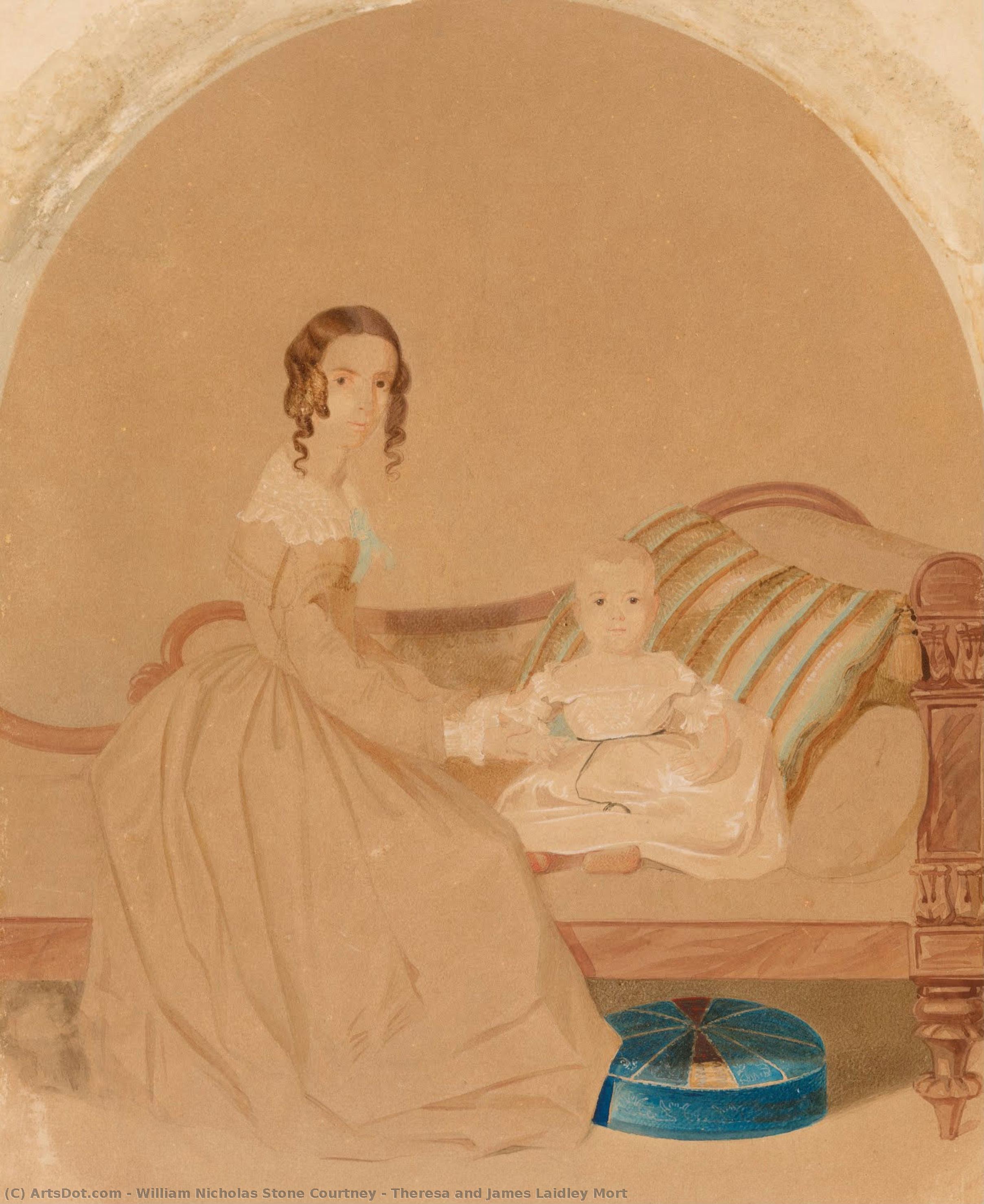
Theresa and James Laidley Mort
 Oil
Oil- WallArt
- Realism
 1844
1844- 19th Century
 49.0 x 42.0 cm
 National Portrait Gallery
 Read More
Giclée / Art Print
Museum-quality giclée or canvas print with fast production and flexible finish options. ( Buy Hand Made Painting Buy Image)




P118B $10

P118H $10

P118W $10

P438Z $10

P508JH $12

P508YH $12

P805H $10

P805Z $10

P919BZ $10

P919G $10

P919XJ $10

P959ZH $10

P968JZ $12

W106C $8

W218G $10

W218JH $8

W218Y $10

W307PJ $10

W316G $10

W316PJ $8

W316Y $10

W398PJ $8

W4111J $10

W500HY $15

W500JH $15

W692G $12

W849H $8

W940BG $15

W953PJ $8




Pick from our preset sizes that match the artwork's original proportions.

You may enter your own dimensions to fit a specific frame or space. If your selected size does not match the original image's proportions, we will either crop the artwork or extend the image with a mirrored or solid-fill edge. A digital mockup will be sent for your approval before production begins.
Please note that the on-screen preview does not reflect the actual cropping or extension. Only the mockup will accurately show the final composition.
While custom sizes are available, we recommend selecting a dimension from the predefined list to preserve the original proportions.
Worldwide Delivery () in 2 weeks instead of standard 4/5 weeks. (28 August)

Free Worldwide Express Shipping

High-Quality Linen Canvas

Full Shipping Insurance

Customs Tax Refund Guarantee

True Color Matching Guarantee

60-Day Return Policy (Defects Only)

100% Money-Back Guarantee

Bulk Discount Offer
 Glass option is only available in size under 110 CM

Theresa and James Laidley Mort
Giclée / Art Print
Reproduction Size
-


Total Price
$ 63
A Tender Glimpse into the Past
In the quiet intimacy of Theresa and James Laidley Mort, we are invited into a private sanctuary of maternal devotion. Painted in 1844 by the evocative hand of William Nicholas Stone Courtney, this piece transcends a mere portrait to become a profound meditation on the bonds of kinship. The composition centers on a woman seated gracefully upon a couch, her form cradling an infant with a tenderness that feels almost palpable through the canvas. There is a stillness in the room, a captured breath of time where the outside world ceases to exist, leaving only the soft connection between mother and child. The arrangement of the furniture—the chairs flanking the scene and the subtle presence of a bowl upon the floor—suggests a lived-in, domestic reality, grounding this emotional moment in the warmth of a real home.
The artist employs a masterful approach to light and atmosphere, utilizing a style that blends a gentle realism with an almost poetic softness. The way the light falls across the figures creates a sense of depth, pulling the viewer into the room's quiet corners. Every brushstroke serves to enhance the texture of the surroundings, from the heavy drape of the couch to the delicate skin of the newborn. This technique does more than just replicate reality; it imbues the scene with a nostalgic glow, as if we are looking through the hazy, golden lens of memory itself. For the collector or interior designer, this painting offers a sophisticated layer of warmth, acting as an emotional anchor within a room.
Beyond its aesthetic beauty, the work carries a weight of historical and symbolic significance. Created during a period when portraiture often served to document lineage and social standing, Courtney’s work focuses instead on the universal language of love. The subtle symbolism found in the domestic setting—the stability of the furniture and the nourishment implied by the bowl—speaks to the themes of security and the nurturing of new life. It is a piece that resonates deeply with anyone who appreciates art that speaks to the human condition. Whether displayed in a grand library or a cozy family nook, this reproduction brings with it an aura of peace, making it an exquisite choice for those looking to infuse their spaces with timeless elegance and heartfelt storytelling.
Related Artworks
Artist Biography
A Life Bridging Worlds: The Art and Legacy of William Nicholas Stone Courtney
William Nicholas Stone Courtney, a name perhaps more readily associated with the thrilling landscapes of science fiction than traditional artistry, led a life as multifaceted and intriguing as the characters he embodied on screen. Born in Cairo, Egypt, on December 16th, 1929, to Geoffrey William Courtney, a British army officer and diplomat, and Evelyn Stout, his early years were steeped in a cosmopolitan atmosphere that would subtly inform his later work. This upbringing, spanning Kenya and France alongside England, instilled within him a sense of observation and an appreciation for diverse cultures – qualities that would become hallmarks of both his acting career and, surprisingly, the evocative nature of his paintings. Though best known to millions as Brigadier Alistair Gordon Lethbridge-Stewart in the iconic BBC series *Doctor Who*, Courtney’s artistic pursuits were a lifelong passion, blossoming alongside his theatrical successes. He wasn't merely an actor who painted; he was an artist who happened to captivate audiences on television.From Stage to Canvas: A Parallel Path
Courtney’s formal training began at the Webber Douglas School of Singing and Dramatic Art after completing his national service in the British Army, a period he later described as undistinguished. He quickly found success in repertory theatre, honing his craft across various productions before establishing himself in London's vibrant theatrical scene during the 1960s. However, even amidst the demands of stage and screen, Courtney dedicated time to painting, developing a style that blended realism with subtle symbolism. His early works often depicted landscapes reminiscent of his childhood haunts – the sun-drenched vistas of Egypt, the rolling hills of Kenya, and the quaint countryside of England. These weren’t simply topographical representations; they were imbued with an emotional resonance, capturing not just *what* he saw but *how* it felt to be present in those spaces. He approached painting as a means of personal expression, a way to distill his experiences and observations into tangible form. His grandfather, William Leonard Courtney, an Oxford academic and journalist with amateur acting experience, likely played a role in fostering this creative inclination.The Brigadier and Beyond: Influences and Development
While *Doctor Who* undoubtedly defined much of Courtney’s public persona, the influence of his most famous role on his art is more nuanced than one might expect. The Brigadier represented order, duty, and unwavering resolve – qualities that found their echo in the meticulous detail and compositional balance of Courtney's landscapes. His portraits, too, often conveyed a sense of dignity and strength, reflecting the character’s stoic demeanor. However, it wasn’t merely imitation; Courtney infused his work with a sensitivity and emotional depth that transcended any single influence. He drew inspiration from Victorian landscape art, admiring its romanticism and attention to detail, as well as the evocative portraiture of artists like John Singer Sargent.- Realism and Symbolism: Courtney’s paintings are characterized by a delicate balance between realistic depiction and subtle symbolism, inviting viewers to look beyond the surface.
- Emotional Resonance: His work isn't simply about *what* is painted but *how* it feels – capturing atmosphere and mood with remarkable sensitivity.
- Victorian Influence: A clear appreciation for the romanticism and detail of Victorian landscape painting informs his style.
A Lasting Impression: Historical Significance
William Nicholas Stone Courtney’s legacy extends beyond his celebrated role as the Brigadier. He was a dedicated artist who quietly pursued his passion throughout a long and distinguished career, creating a body of work that deserves wider recognition. His paintings offer a unique perspective – those of an actor deeply attuned to human emotion and character, translating those observations onto canvas with skill and sensitivity. While he may be remembered by many as the stalwart defender of Earth against alien threats, it is his art that reveals the full breadth of his talent and vision. He passed away on February 22nd, 2011, leaving behind a collection of evocative landscapes and portraits that continue to captivate and inspire. His work stands as a testament to the power of observation, the enduring appeal of realism, and the profound connection between art and life.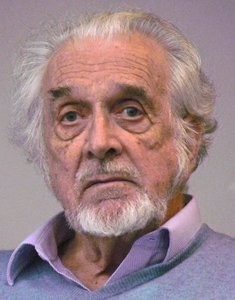
Quick Facts
- Artistic Movement Or Style: World Goes Pop
- Artists Or Movements Influenced By This Artist: ['Influenced by pop art movement']
- Artists Who Influenced This Artist: ['Influenced by artists in The World Goes Pop exhibition']
- Date Of Death: Living
- Notable Artworks: ['Various works featured in The World Goes Pop exhibition']
- Place Of Birth: WahooArt
Related Articles
19th Century Masterpieces: 10 Paintings That Defined an Era | ArtsDot
Journey through 19th century art with ArtsDot! Explore 10 iconic paintings – from Monet & Renoir to Courbet – and discover the stories behind Romanticism, Realism & Impressionism. Find museum-quality reproductions for your home decor. Explore the full collection online!
Émile Munier: Capturing 19th-Century French Life with Tender Realism
Discover Émile Munier's tender depictions of 19th-century French life. Explore his Realist style, charming paintings of children & pets, and lasting artistic legacy. Expert insights at ArtsDot.
Iconic Art of the 18th & 19th Centuries: Masterpieces for Your Home | ArtsDot
Journey through 18th & 19th century art! Explore iconic masterpieces by Monet, Van Gogh & more. Discover the stories behind these timeless paintings and find museum-quality reproductions for your home at ArtsDot.com.
Franz Xaver Winterhalter: Court Painter, Academician & Embodiment of Mid-19th Century Portraiture
Explore the life & art of Franz Xaver Winterhalter, the celebrated court painter of the 19th century. Discover his exquisite portraits of royalty and aristocracy – a symbol of prestige and refined taste.
Echoes of Change: Exploring Themes & Techniques in 19th-Century Art
Explore the captivating world of 19th-century art! Discover Romanticism & Realism's key artists, masterpieces, and social commentary. Expert insights for collectors & enthusiasts.