

 Preview
 Send
Send Share
Share
 Details

 Download
 Similars
 X-Ray
X-Ray Diaporama
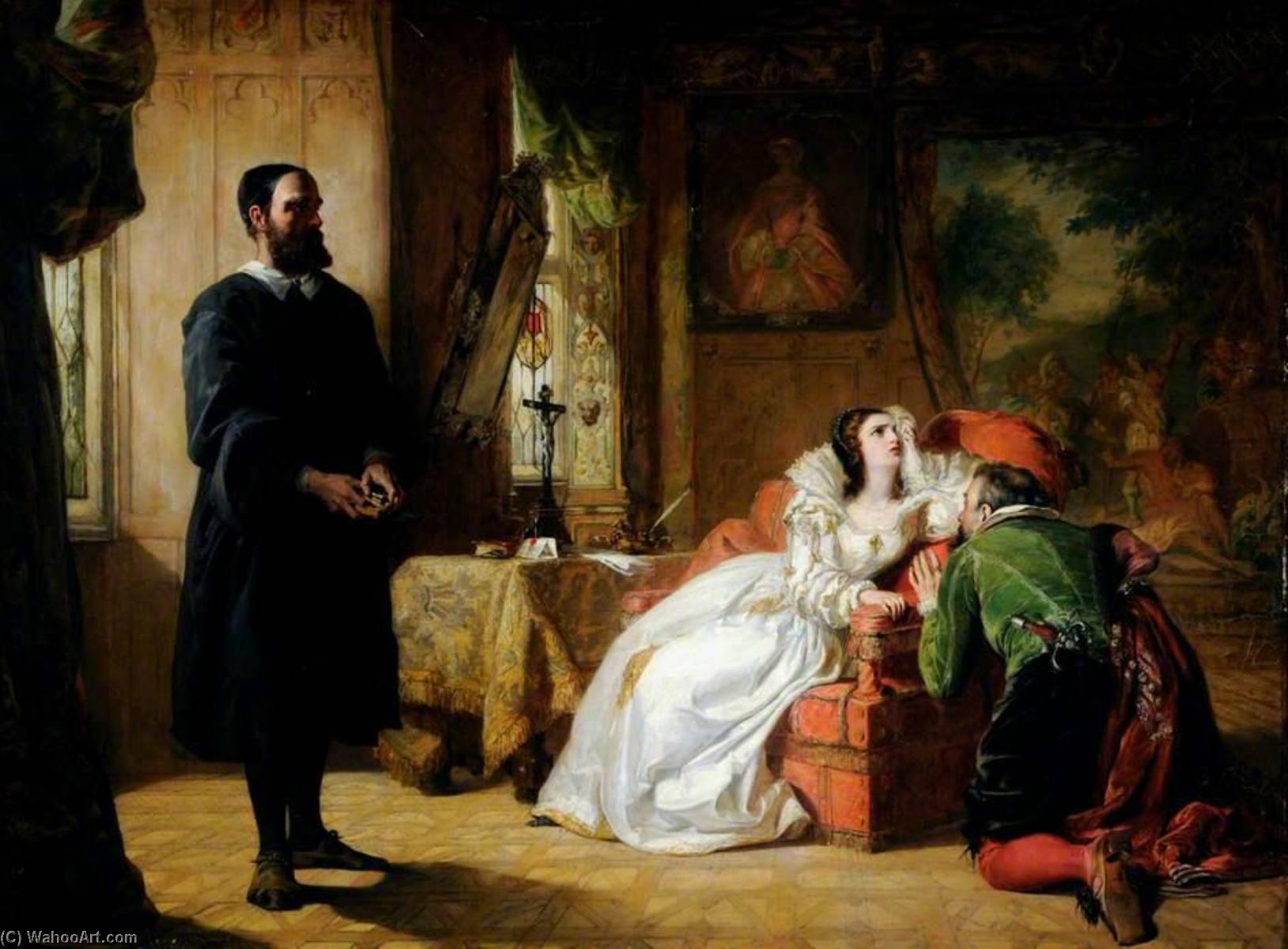
John Knox Reproving Mary, Queen of Scots


 Read More
Purchase a high-resolution, enhanced digital image, far superior to the online preview.
Each file is meticulously prepared by our in-house specialists using advanced tools and expert manual retouching. We ensure every image has exceptional clarity, precise color accuracy, and fine detail.
The final file is delivered via email within 72 hours, optimized for immediate use in professional, editorial, and print environments. This is the same quality trusted by top-tier design studios, publishers, and galleries.
Digital Image
Download a high-resolution file for personal display, printing, and creative projects. ( Buy Print Buy Hand Made Painting)
Included in Every Digital Image Order
Expert Digital Delivery, Guaranteed
When you choose ArtsDot.com, you're not just getting an image - you're receiving a professionally enhanced digital artwork, crafted with precision and backed by a satisfaction guarantee. Here's everything that comes with your order, automatically:

Fast Email Delivery
Your high-resolution digital image file will be emailed to you within 72 hours of ordering - ready for immediate use.

AI-Enhanced Digital File
Your artwork is professionally optimized using advanced AI tools and manual editing, ensuring maximum detail, clarity, and color accuracy.

Free Lifetime Re-Delivery
Accidentally deleted or lost your file? No worries - we'll resend it to you anytime, free of charge.

No Import Fees - Ever
Enjoy your artwork instantly with zero customs, duties, or delivery fees - digital downloads are always tax-free.

Color Accuracy Guarantee
We ensure your digital image reflects the original colors as closely as possible using professional tools and color management.

60-Day Satisfaction Guarantee
If you're not satisfied with your digital image, we'll revise it or refund 100% within 60 days - no questions asked.

100% Money-Back Guarantee
Not satisfied? Get a full refund within 60 days of receiving your digital file - no questions asked.

Bulk Order Discounts
Buy 3 images, save 10% - Buy 5, save 15% - Buy 10+, save 20%. Great for creative projects, galleries, and agencies.
Collectible Description
A Dramatic Encounter: Examining William Powell Frith’s “John Knox Reproving Mary”
The painting "John Knox Reproving Mary," executed by William Powell Frith in 1844, stands as a cornerstone of Victorian genre art and a masterful depiction of a pivotal moment in Scottish history. More than just a visual record, it's an exploration of contrasting ideologies – piety versus pragmatism – skillfully rendered through meticulous observation and dramatic composition. The artwork resides within the Sheffield City Art Galleries, offering visitors a chance to immerse themselves in Frith’s artistic vision and appreciate its enduring legacy.Historical Context: The Fourth Interview
The scene portrays the fourth confrontation between John Knox, the fiery reformer of Scotland's Presbyterian Church, and Mary Queen of Scots, embroiled in a contentious debate regarding her impending marriage to Henry Stewart Darnley. This encounter stemmed from Knox’s unwavering conviction that Darnley was unfit to rule and posed a grave threat to Scotland’s religious integrity – beliefs vehemently opposed by Mary’s desire for political expediency. Thomas McCrie's biography of Knox served as inspiration for Frith, highlighting the clash between Knox’s moral fortitude and Mary’s calculated ambition. The painting captures precisely this tension, reflecting the anxieties prevalent during a period marked by religious upheaval and political intrigue.Artistic Technique: Panoramic Narrative and Detailed Observation
Frith employed a panoramic narrative technique—a hallmark of his style—to immerse viewers within the confines of Darnley's dining room. Utilizing oil paints on canvas, he achieved remarkable realism through painstaking attention to detail. The artist meticulously recreated textures – from the worn upholstery to the polished silverware – conveying an atmosphere of palpable discomfort and intellectual sparring. Light plays a crucial role in shaping the scene, illuminating Knox’s resolute stance against Mary’s seductive gaze. Frith's masterful use of color contributes to the painting’s dramatic impact, emphasizing the emotional intensity of the confrontation.Symbolism: Contrasting Figures and Moral Conflict
The composition itself is laden with symbolic significance. Knox stands tall and unwavering, embodying moral righteousness and spiritual conviction—represented by his austere attire and commanding presence. Mary Queen of Scots sits calmly, attempting to persuade Darnley, symbolizing worldly ambition and sensual allure. The cup on the table serves as a visual reminder of the marriage negotiations at stake, highlighting the stakes involved in this ideological battle. Frith’s deliberate positioning of figures underscores the central conflict between piety and pragmatism—a theme that resonates powerfully across time.Emotional Impact: Capturing Victorian Anxiety
“John Knox Reproving Mary” succeeds in conveying the anxieties of its era with remarkable accuracy. The painting captures not merely a historical event but also the psychological state of those involved – the moral conviction of Knox and the political maneuvering of Mary. Frith’s skillful portrayal of facial expressions and body language conveys the palpable discomfort and intellectual sparring that characterized the encounter. Ultimately, the artwork compels viewers to contemplate questions of faith, morality, and the consequences of prioritizing personal desires over societal well-being—themes that continue to captivate audiences today.- Artist: William Powell Frith
- Year Created: 1844
- Medium: Oil on Canvas
- Location: Sheffield City Art Galleries, UK
Related Artworks
Artist Biography
Early Life and Training
- Born: January 9, 1819, Aldfield, near Ripon, North Yorkshire, England
- Died: November 2, 1909, London
- William Powell Frith’s father was a hotelier in Harrogate.
- He initially intended to be an auctioneer but his father recognized his artistic talent.
- Frith studied at Sass's Academy in Charlotte Street, London and later attended the Royal Academy Schools.
- Early career focused on portrait painting and literary subjects (Shakespeare, Scott).
Career Highlights and Artistic Style
- Membership: Member of The Clique, a group of artists including Richard Dadd, Augustus Egg, Henry O’Neil, John Phillip, Edward Ward, and Thomas Creswick.
- Influences: Heavily influenced by Sir David Wilkie's domestic subjects.
- Genre Painting & Panoramic Narrative: Frith became renowned for his detailed genre scenes and panoramic narrative works depicting Victorian life in public places.
- Notable Works:
- Ramsgate Sands (1854): Depicts a lively scene at the seaside resort of Ramsgate.
- The Derby Day (1858): Captures the atmosphere and social interactions at Epsom Downs Racecourse. This painting was incredibly popular, requiring railings to manage crowds viewing it.
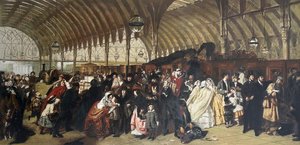
- The Railway Station (1862): A detailed depiction of Paddington Station.
- The Sleeping Model (1853): Presented as his Diploma work at the Royal Academy.
- The Crossing Sweeper (1858): Explores the contrast between wealth and poverty in London.
- Photographic Influence: Frith utilized photographic studies by Robert Howlett to achieve remarkable detail and accuracy in his paintings, particularly in works like The Derby Day.
- Style: Characterized by meticulous observation, a large number of figures, and a focus on capturing the details of everyday life. He was known for his realism and attention to social commentary within his scenes.
Development and Later Years
- Autobiographies: Frith wrote two autobiographies, My Autobiography (1887) and Further Reminiscences (1888), providing insights into Victorian art and society.
- Artistic Views: He was a traditionalist and expressed his aversion to modern art developments.
- Royal Academician: Elected as a Royal Academician in 1853.
- Longevity: Frith lived a remarkably long life, witnessing significant changes in the art world during the Victorian era. He outlived many of his contemporaries from The Clique.
Historical Significance and Legacy
- Social Commentary: His paintings provided valuable documentation of Victorian society, capturing its social dynamics, fashion, and leisure activities.
- Popularity & Commercial Success: Frith was one of the most commercially successful artists of his time, with his works widely admired and sought after.
- Influence on Genre Painting: He significantly contributed to the development of genre painting in Britain, elevating it to a respected art form.
- Detailed Realism: His meticulous attention to detail set a standard for realism in Victorian art.
- Legacy: Frith’s paintings continue to be exhibited and studied, offering a unique window into 19th-century life and solidifying his place as a significant figure in British art history.
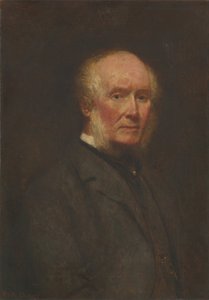
William Powell Frith
1819 - 1909 , United Kingdom
Quick Facts
- Artistic Movement Or Style: Genre painting, panoramic narrative
- Artists Who Influenced This Artist: ['Sir David Wilkie']
- Date Of Birth: January 19, 1819
- Date Of Death: November 9, 1909
- Full Name: William Powell Frith
- Nationality: English
- Notable Artworks:
- Ramsgate Sands (Life at the Seaside)
- The Derby Day
- The Railway Station
- The Sleeping Model
- The Crossing Sweeper
- Place Of Birth: Aldfield, United Kingdom

