 Preview
 Send
Send Share
Share
 Details

 Download
 Similars
 X-Ray
X-Ray Diaporama
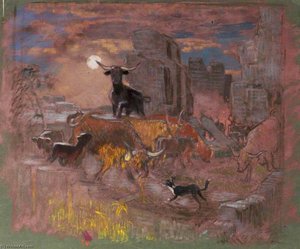
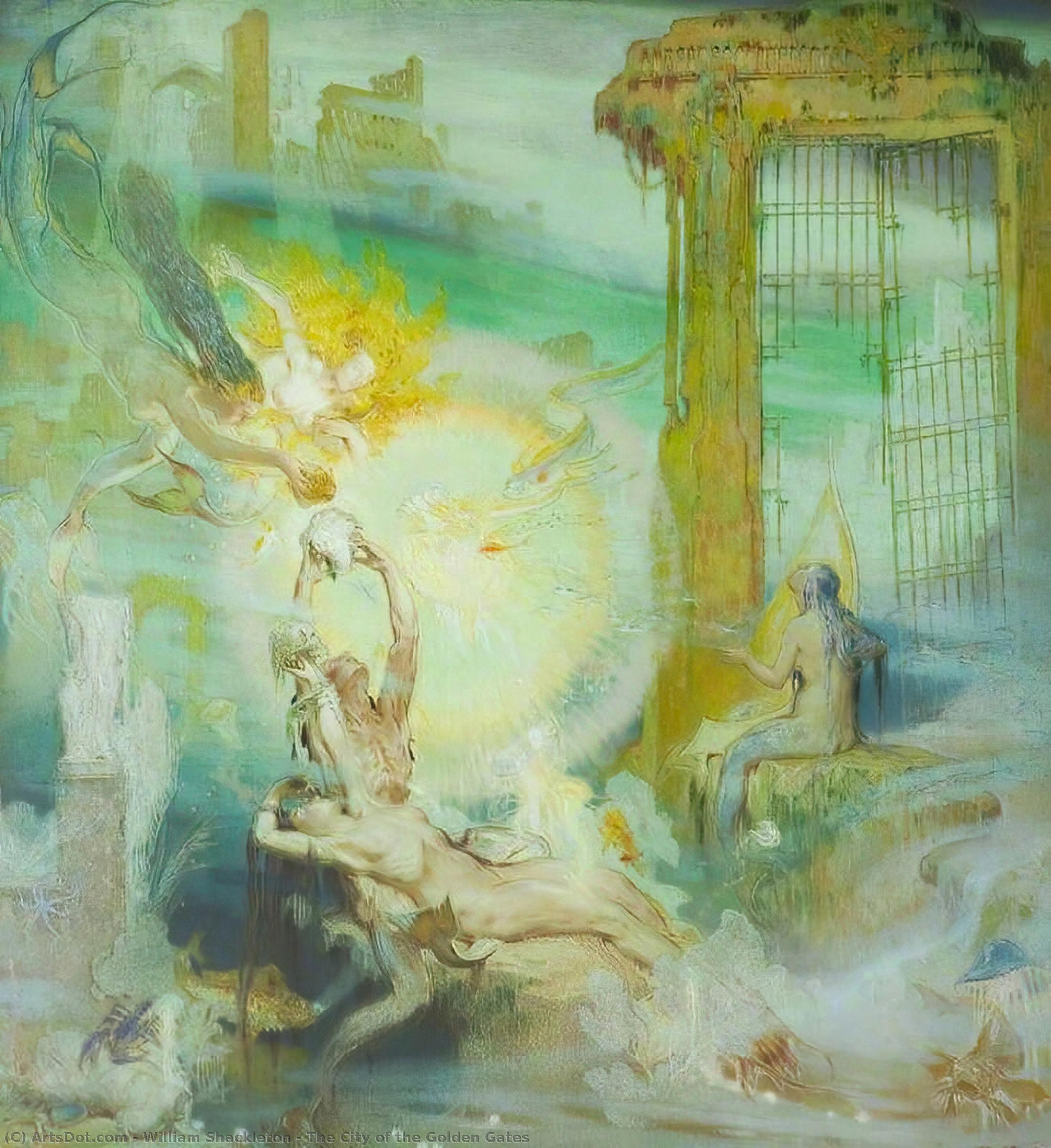
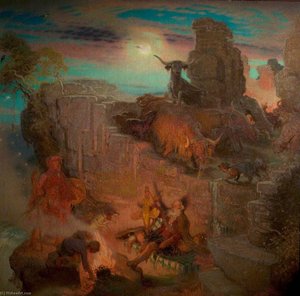
The City of the Golden Gates
 Oil On Canvas
- WallArt
- British Aesthetic Movement
 1922
1922- Modern
 127.0 x 120.0 cm
 Harris Museum - Art Gallery
 Read More
Hand Made Oil Reproduction
Hand-painted oil on canvas in your size and frame, made to order by our artists. ( Buy Print Buy Image)




P118B $10

P118H $10

P118W $10

P438Z $10

P508JH $12

P508YH $12

P805H $10

P805Z $10

P919BZ $10

P919G $10

P919XJ $10

P959ZH $10

P968JZ $12

W106C $8

W218G $10

W218JH $8

W218Y $10

W307PJ $10

W316G $10

W316PJ $8

W316Y $10

W398PJ $8

W4111J $10

W500HY $15

W500JH $15

W692G $12

W849H $8

W940BG $15

W953PJ $8




Pick from our preset sizes that match the artwork's original proportions.

You may enter your own dimensions to fit a specific frame or space. If your selected size does not match the original image's proportions, we will either crop the artwork or extend the painting with additional hand-painted elements. A digital mockup will be sent for your approval before production begins.
Please note that the on-screen preview does not reflect the actual cropping or extension. Only the mockup will accurately show the final composition.
While custom sizes are available, we recommend selecting a dimension from the predefined list to preserve the original proportions.
After order, ArtsDot.com team will email client for instructions and provide a mockup preview
Worldwide Delivery () in 3/4 weeks instead of standard 5 weeks. (16 August). No compromise on quality.

Free Worldwide Express Shipping

High-Quality Linen Canvas

Full Shipping Insurance

Customs Tax Refund Guarantee

True Color Matching Guarantee

60-Day Return Policy (Defects Only)

100% Money-Back Guarantee

Bulk Discount Offer
 Glass option is only available in size under 110 CM

The City of the Golden Gates
Reproduction Medium
Reproduction Size
-


Total Price
$ 263
Artwork Description
A Grand Vision of Urban Splendor
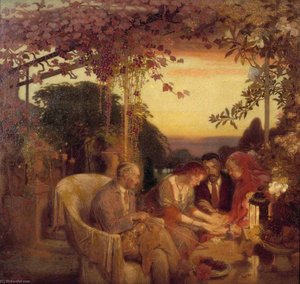
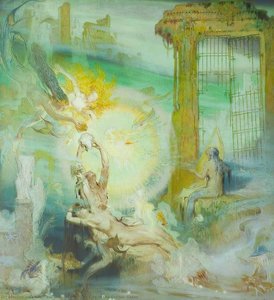
In his evocative 1922 masterpiece, The City of the Golden Gates, William Shackleton invites the viewer into a breathtakingly vibrant urban panorama that transcends mere architectural documentation. This large-scale oil on canvas serves as a window into a bustling, idealized metropolis, where the grandeur of human achievement meets the rhythmic pulse of daily life. The composition is anchored by a central gathering of figures clustered around an imposing statue, a focal point that suggests a shared moment of civic pride or perhaps a quiet pause in the midst of a sprawling afternoon. As the eye wanders through the canvas, it encounters a tapestry of movement; figures drift through the streets like notes in a symphony, some lost in deep conversation while others simply exist within the magnificent scale of their surroundings. The presence of delicate avian details—a bird soaring near the upper periphery and another nestled toward the lower foreground—adds a layer of natural grace to the structured cityscape, reminding us that even within the heart of stone and steel, life remains intimately connected to the organic world.
Shackleton, a significant figure of the British Aesthetic Movement, employs a technique that masterfully balances structural realism with an expressive, painterly touch. The artist utilizes a rich palette to define the various textures of the city, from the solid, enduring weight of the monumental structures spanning the background to the softer, more ephemeral light that dances across the crowd. His brushwork, influenced by the legendary Walter Sickert, avoids sterile precision in favor of a vitality that breathes life into the canvas. This approach allows the architecture to feel less like static monuments and more like living organisms that shape the very atmosphere of the scene. For the discerning collector or interior designer, this painting offers a profound sense of depth and architectural rhythm, making it an ideal centerpiece for spaces that require a sense of historical weight and sophisticated grandeur.
Beyond its visual splendor, The City of the Golden Gates resonates with a deep emotional and symbolic resonance. The "Golden Gates" of the title evoke a sense of hope, prosperity, and the dawn of a new era, reflecting the post-war spirit of the early 1920s when many looked toward urban progress as a symbol of renewal. The interplay between the monumental statues and the small, transient human figures creates a poignant dialogue about legacy and the fleeting nature of time. There is an inherent optimism embedded in the way Shackleton captures the light; it is a luminous, inviting glow that celebrates the collective human experience within the sanctuary of civilization. To possess a reproduction of this work is to bring more than just decor into a room; it is to invite a narrative of resilience, community, and the enduring beauty of the human spirit into one's personal environment.
Related Artworks

Artist Biography
The Soul of the British Landscape: The Life and Art of William Shackleton
In the tapestry of early 20th-century British art, few threads are as delicately woven as those left by William Shackleton. Born in 1872 in the industrial heart of Wednesfield, Staffordshire, Shackleton emerged from a period of profound transition in the art world. His journey was one of constant refinement, moving between the rigorous academic traditions of his training and a deeply personal, atmospheric approach to the natural world. As a painter who mastered both the expansive grandeur of the Yorkshire Moors and the quiet, intimate beauty of a single bloom, Shackleton captured a sense of time and place that remains profoundly moving to the modern observer.
Shackleton’s artistic foundation was built upon the prestigious halls of the Beckenham School of Art and the Royal Academy. It was during these formative years that he began to synthesize the classical precision of his instructors with the burgeoning influences of the British Aesthetic Movement. He found inspiration in the works of masters like Walter Sickert and Frederic Leighton, learning to balance a realistic depiction of form with an expressive, almost poetic use of light and brushwork. This duality allowed him to navigate seamlessly between different genres, finding equal depth in a sprawling vista and a quiet domestic scene.
A Mastery of Light and Atmosphere
The true heart of Shackleton’s oeuvre lies in his ability to translate the ephemeral qualities of the British atmosphere onto canvas. He possessed an uncanny knack for capturing the "sublime"—that specific, breathtaking moment when light breaks through a heavy cloud or when the morning frost clings to the heather. His depictions of the Yorkshire landscape, particularly around Haworth Moor and Malham, are not merely topographical records but emotional landscapes. In works such as "Winter Sunrise, Malham, Yorkshire," one can almost feel the biting chill of the air and the silent, golden promise of a new day.
This mastery extended far beyond the rugged highlands. Shackleton’s sensitivity to nature was equally evident in his more delicate studies. His "Study of Roses" demonstrates a profound ability to find the infinite within the small, using soft textures and subtle color gradations to celebrate the fleeting beauty of life. Whether he was painting the vast, windswept plains or the intricate petals of a flower, his technique remained rooted in an appreciation for the organic rhythms of the natural world.
Portraiture and the Human Connection
While landscapes provided him with a stage for grandeur, portraiture offered Shackleton a medium for psychological intimacy. He moved away from the stiff, formal traditions of Victorian portraiture to explore the nuanced expressions of his subjects. His portraits often utilized soft, diffused light—reminiscent of the interior scenes favored by the Impressionists—to create an atmosphere of quiet contemplation. By placing his subjects within domestic settings, he invited the viewer into a private world, capturing not just a likeness, but a sense of character and soul.
The legacy of William Shackleton is defined by this versatility and his enduring contribution to the British tradition. He remains a significant figure for those who seek art that speaks to the senses and the spirit. His work serves as a bridge between the romanticism of the previous century and the more experimental approaches of the modern era, leaving behind a collection of works that continue to resonate with their profound respect for the beauty found in both the monumental and the minute.
william shackleton
1872 - 1933
Quick Facts
- Artistic Movement Or Style: Early 20th Century Art
- Artists Or Movements Influenced By This Artist: ['Romanticism']
- Artists Who Influenced This Artist:
- Benjamin Williams Leader
- Blake Richmond
- Date Of Birth: March 9, 1872
- Date Of Death: November 16, 1933
- Full Name: William Allan Shackleton
- Nationality: British
- Notable Artworks:
- Study of Roses
- The Eternal Dream
- Place Of Birth: Wednesfield, Staffordshire
Related Articles
Concrete Visions: Exploring the Urban Landscape in Painting – From Realism to Contemporary Art
Explore the evolution of cityscape painting from Realism to contemporary art with ArtsDot. Discover key artists & invest in timeless urban visions. Expert guidance, museum-quality reproductions.
Urban Visions: A Historical & Artistic Exploration of the Cityscape in Painting
Explore the evolution of cityscape painting from historical maps to Impressionist masterpieces. Discover artists like Caillebotte & Utrillo. Find museum-quality reproductions at ArtsDot.
Concrete Narratives: Exploring Urban Life in Modern & Contemporary Art
Explore the evolution of cityscape painting with ArtsDot. Discover key artists from Realism to contemporary movements & invest in timeless urban visions. Expert guidance, museum-quality reproductions.
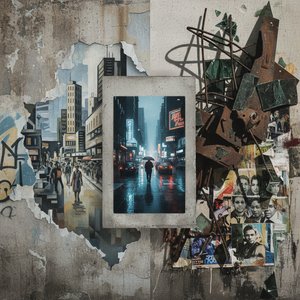
Concrete Visions: Exploring Representations of Urban Life in Modern & Contemporary Art
Explore the evolution of cityscape painting from Realism to contemporary art. Discover key artists & invest in timeless urban visions with ArtsDot's expert guidance and museum-quality reproductions.
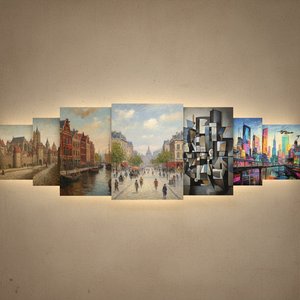
Urban Visions: A Historical & Artistic Exploration of the Cityscape in Painting
Explore the evolution of cityscape painting from historical maps to Impressionist masterpieces. Discover artists like Caillebotte, Utrillo & Matsumoto Shunsuke. Find museum-quality reproductions at ArtsDot.