

 Preview
 Send
Send Share
Share
 Details

 Download
 Similars
 X-Ray
X-Ray Diaporama
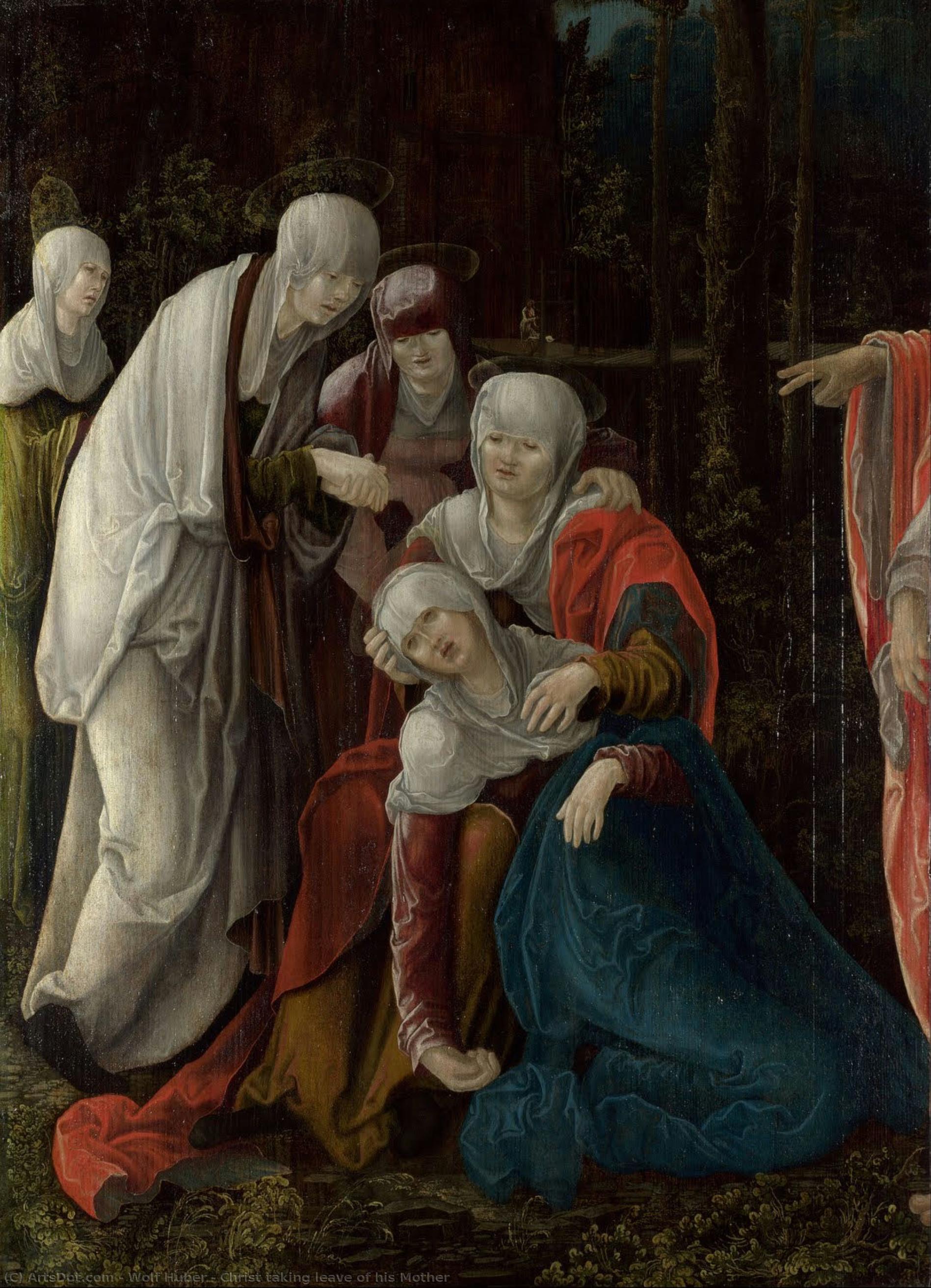
Christ taking leave of his Mother
 Oil
Oil- WallArt
- Renaissance Painting
 1520
1520- Renaissance
 95.0 x 68.0 cm
 National Gallery
 Read More
Purchase a high-resolution, enhanced digital image, far superior to the online preview.
Each file is meticulously prepared by our in-house specialists using advanced tools and expert manual retouching. We ensure every image has exceptional clarity, precise color accuracy, and fine detail.
The final file is delivered via email within 72 hours, optimized for immediate use in professional, editorial, and print environments. This is the same quality trusted by top-tier design studios, publishers, and galleries.
Digital Image
Download a high-resolution file for personal display, printing, and creative projects. ( Buy Print Buy Hand Made Painting)
Included in Every Digital Image Order
Expert Digital Delivery, Guaranteed
When you choose ArtsDot.com, you're not just getting an image - you're receiving a professionally enhanced digital artwork, crafted with precision and backed by a satisfaction guarantee. Here's everything that comes with your order, automatically:

Fast Email Delivery
Your high-resolution digital image file will be emailed to you within 72 hours of ordering - ready for immediate use.

AI-Enhanced Digital File
Your artwork is professionally optimized using advanced AI tools and manual editing, ensuring maximum detail, clarity, and color accuracy.

Free Lifetime Re-Delivery
Accidentally deleted or lost your file? No worries - we'll resend it to you anytime, free of charge.

No Import Fees - Ever
Enjoy your artwork instantly with zero customs, duties, or delivery fees - digital downloads are always tax-free.

Color Accuracy Guarantee
We ensure your digital image reflects the original colors as closely as possible using professional tools and color management.

60-Day Satisfaction Guarantee
If you're not satisfied with your digital image, we'll revise it or refund 100% within 60 days - no questions asked.

100% Money-Back Guarantee
Not satisfied? Get a full refund within 60 days of receiving your digital file - no questions asked.

Bulk Order Discounts
Buy 3 images, save 10% - Buy 5, save 15% - Buy 10+, save 20%. Great for creative projects, galleries, and agencies.
Collectible Description
A Tender Farewell: The Emotional Resonance of Wolf Huber’s Masterpiece
In the quiet, hallowed atmosphere of the early sixteenth century, few images capture the intersection of divine destiny and human heartache as poignantly as Wolf Huber’s Christ Taking Leave of His Mother. Created around 1520, this oil painting on fir wood serves as a profound window into the Northern Renaissance, inviting viewers to witness a moment of transition that is both deeply personal and cosmically significant. As Jesus prepares to depart for Jerusalem—a journey he knows will culminate in his crucifixion—the canvas captures the heavy, breathless pause before the onset of the Passion. It is not merely a religious illustration; it is a study of maternal devotion and the bittersweet nature of sacrifice.
The composition is masterfully orchestrated to guide the soul through its emotional journey. At the heart of the work, the interaction between Christ and Mary acts as an anchor for the viewer’s gaze. Huber places them in a tender embrace, where the physical closeness of their figures contrasts sharply with the spiritual distance that their impending paths will soon create. Surrounding this central duo, a celestial and earthly assembly unfolds; angels flank the holy figures, lending an ethereal, divine weight to the scene, while other holy women observe the parting with varying degrees of sorrow. This arrangement creates a rich, layered tableau that feels less like a static portrait and more like a living, breathing moment of communal grief and sacred duty.
Technique and the Luminous Spirit of the Danube School
Huber, a leading figure of the Danube School, brings to this work a technical sophistication that bridges the gap between Northern meticulousness and the burgeoning light-driven innovations of the South. His technique is characterized by an extraordinary use of glazes, a method that allows light to penetrate through translucent layers of oil, creating a luminous, inner glow that seems to emanates from within the figures themselves. This careful layering achieves a sense of spiritual solemnity, imbuing the skin tones and the heavy fabrics of the garments with a lifelike, almost breathing quality.
The artist’s handling of light and shadow—the chiaroscuro effect—is employed not just for dramatic flair, but to deepen the narrative impact. The shadows are not merely dark spaces; they are reservoirs of emotion, cradling the sorrowful expressions of the onlookers. Through expressive brushwork and an eye for fine detail, Huber captures the textures of the wood, the softness of the angelic wings, and the tearful contours of Mary’s face. For the collector or the interior designer, this painting offers a sophisticated interplay of light that can transform a space, providing a focal point that is both intellectually stimulating and visually soothing.
A Timeless Legacy for the Discerning Collector
Beyond its technical brilliance, Christ Taking Leave of His Mother carries a profound historical weight. Painted during an era of intense religious fervor and artistic experimentation in Germany and Austria, the work reflects the broader Renaissance preoccupation with humanizing the divine. By focusing on the tender, recognizable bond between mother and son, Huber makes the monumental events of Christian theology accessible to the human heart. The symbolism is subtle yet pervasive: the departure represents the beginning of a transformative journey, while the presence of the angels reminds us that even in moments of profound earthly loss, there is a divine architecture at work.
For those seeking to adorn a curated collection or an elegant interior, a high-quality reproduction of this masterpiece offers more than just decoration. It provides an opportunity to integrate a piece of history that speaks of compassion, faith, and the enduring strength of love. Whether placed in a quiet study, a grand gallery, or a thoughtfully designed living space, Huber’s work continues to resonate, offering a timeless sense of peace and a profound connection to the artistic heritage of the Northern Renaissance.
Related Artworks

Artist Biography
Titian: The Sun of Venice
The decade of the 1490s witnessed a burgeoning Renaissance across Europe, and within that vibrant landscape, Titian – born Tiziano Vecellio around 1488/90 in the small Alpine town of Pieve di Cadore – emerged as its most dazzling star. His life, spanning nearly eight decades, coincided with an extraordinary period of artistic innovation, marked by a shift towards individualism and a profound exploration of color and light. While often overshadowed by his contemporaries like Leonardo da Vinci and Michelangelo, Titian’s influence on subsequent generations of artists is undeniable, shaping the trajectory of Venetian painting for centuries to come.
Titian's early training was steeped in the traditions of the Veneto region. He began his apprenticeship with Sebastiano Zuccato, a prominent mosaicist, and later honed his skills under Gentile Bellini, one of Venice’s most esteemed masters. This formative period exposed him to the established techniques of Venetian painting – a style characterized by its rich pigments, atmospheric perspective, and a focus on depicting the beauty of everyday life. However, it was through his association with Giorgione, another influential painter in Venice, that Titian truly began to forge his own distinctive voice. Giorgione’s innovative use of color and his penchant for portraying idyllic landscapes profoundly impacted Titian's artistic development, laying the groundwork for his later mastery of chromatic harmony.
The Rise of a Master
Following Giorgione’s untimely death in 1510, Titian seized the opportunity to establish himself as an independent artist. He quickly gained recognition for his portraits and mythological scenes, attracting the attention of wealthy patrons throughout Italy – from Venice itself to the courts of Florence, Ferrara, Mantua, and even Spain. His ability to capture the essence of his subjects, combined with his innovative use of color and composition, made him one of the most sought-after painters in Europe. Early commissions included frescoes for prestigious buildings like the ‘Scuola del Santo’ in Padua, where he demonstrated his burgeoning compositional skills and mastery of perspective.
A pivotal moment in Titian's career came with the execution of the ‘Assunta’ altarpiece for Santa Maria Gloriosa dei Frari in Venice (1518). This monumental work, characterized by its dynamic composition, vibrant colors, and dramatic use of light, established Titian as a leading figure in Venetian painting and set a new standard for altarpieces throughout Italy. The ‘Assunta’ marked a decisive break from the more restrained styles of his predecessors, signaling the arrival of a truly original artistic voice.
Technique and Innovation
Titian's technical prowess was legendary. He possessed an unparalleled understanding of color theory, meticulously mixing pigments to achieve astonishingly luminous effects. His brushwork was loose and expressive, often employing rapid, gestural strokes to convey movement and emotion. Unlike the meticulous detail favored by some of his contemporaries, Titian prioritized capturing the *essence* of a subject – its mood, atmosphere, and inherent beauty. He experimented extensively with different techniques, including glazing (applying thin layers of translucent paint) and scumbling (creating textured surfaces through the application of broken color), further enhancing the richness and depth of his paintings.
Furthermore, Titian’s influence extended beyond mere technique. He was a pioneer in the use of color as a primary expressive device, moving away from the predominantly dark palettes favored by earlier Venetian painters. His compositions often featured dramatic contrasts between light and shadow, creating a sense of dynamism and visual excitement. His portraits were particularly notable for their psychological depth and ability to capture the personality of his subjects – whether noblemen, merchants, or religious figures.
Legacy and Influence
Titian’s impact on the course of Western art is profound. He established a new paradigm for Venetian painting, inspiring generations of artists with his innovative use of color, composition, and technique. His influence can be seen in the works of countless painters, including Tintoretto, Veronese, and even later masters such as Rembrandt and Turner. His emphasis on individual expression and his willingness to experiment with new approaches paved the way for the development of modern painting.
Despite facing challenges – including periods of financial hardship and professional rivalry – Titian remained a remarkably prolific and influential artist throughout his long career. He died in Venice in 1576, leaving behind a vast body of work that continues to captivate and inspire viewers today. Titian’s legacy as the “sun of Venice” endures, illuminating the artistic landscape for centuries to come.
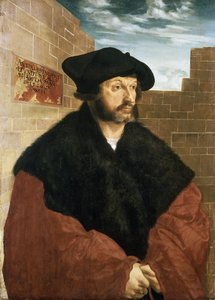
wolf huber
1490 - 1553 , Austria
Quick Facts
- Artistic Movement Or Style: Renaissance painting”
- Artists Or Movements Influenced By This Artist:
- Venetian School
- European painting
- Artists Who Influenced This Artist:
- Giorgione
- Giovanni Bellini
- Date Of Birth: c. 1490
- Date Of Death: 1576
- Full Name: Tiziano Vecellio”
- Nationality: Venetian
- Notable Artworks:
- Assumption of the Virgin
- Venus of Urbino
- Bacchus and Ariadne
- Place Of Birth: Pieve di Cadore, Italy

