 Preview
 Send
Send Share
Share
 Details

 Download
 Similars
 X-Ray
X-Ray Diaporama
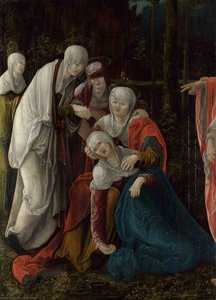
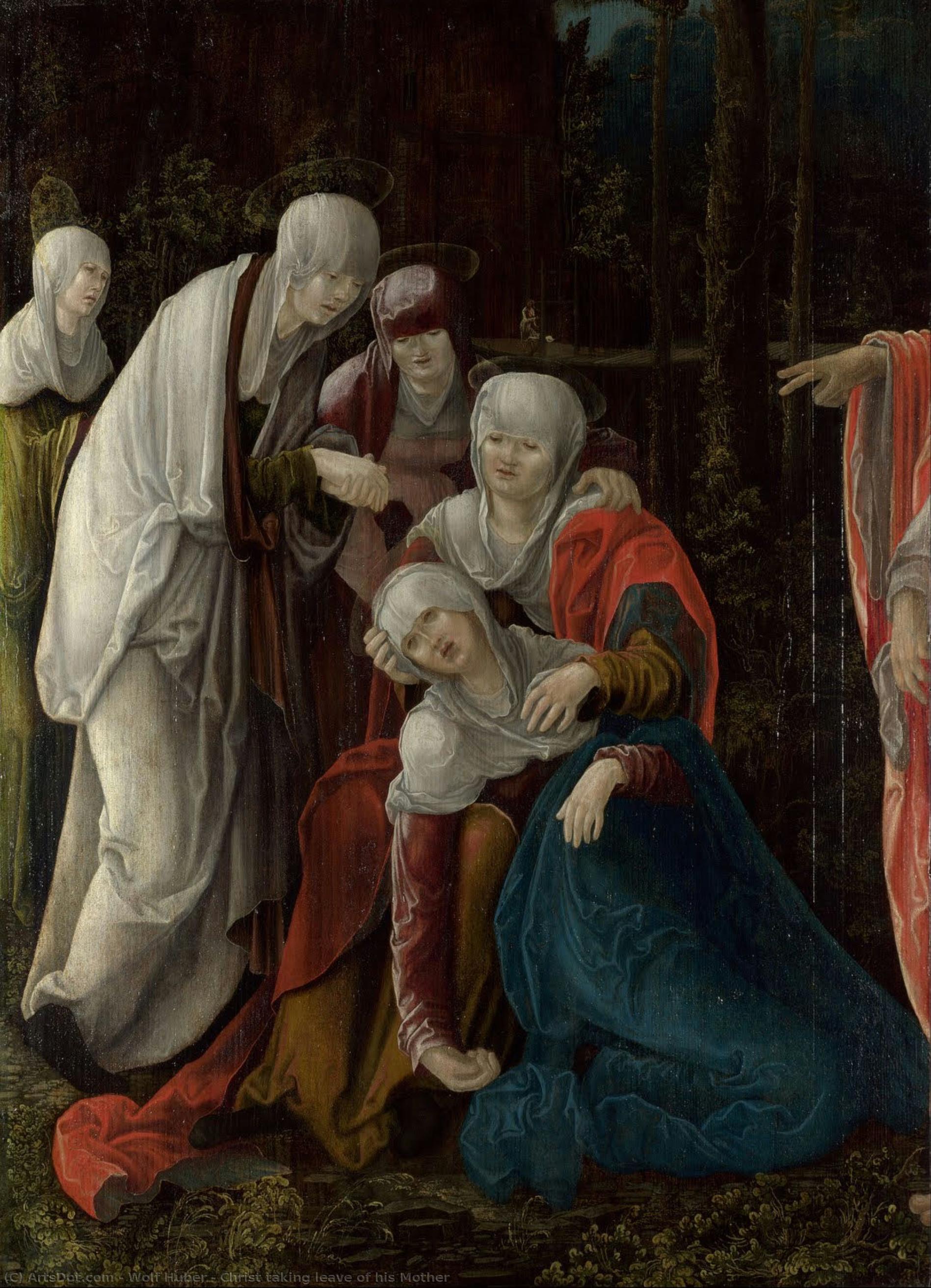
Christ taking leave of his Mother
 Oil On Canvas
- WallArt
- Renaissance Painting
 1520
1520 95.0 x 68.0 cm
 National Gallery
 Read More
Hand Made Oil Reproduction
Hand-painted oil on canvas in your size and frame, made to order by our artists. ( Buy Print Buy Image)




P118B $10

P118H $10

P118W $10

P438Z $10

P508JH $12

P508YH $12

P805H $10

P805Z $10

P919BZ $10

P919G $10

P919XJ $10

P959ZH $10

P968JZ $12

W106C $8

W218G $10

W218JH $8

W218Y $10

W307PJ $10

W316G $10

W316PJ $8

W316Y $10

W398PJ $8

W4111J $10

W500HY $15

W500JH $15

W692G $12

W849H $8

W940BG $15

W953PJ $8




Pick from our preset sizes that match the artwork's original proportions.

You may enter your own dimensions to fit a specific frame or space. If your selected size does not match the original image's proportions, we will either crop the artwork or extend the painting with additional hand-painted elements. A digital mockup will be sent for your approval before production begins.
Please note that the on-screen preview does not reflect the actual cropping or extension. Only the mockup will accurately show the final composition.
While custom sizes are available, we recommend selecting a dimension from the predefined list to preserve the original proportions.
After order, ArtsDot.com team will email client for instructions and provide a mockup preview
Worldwide Delivery () in 3/4 weeks instead of standard 5 weeks. (16 August). No compromise on quality.

Free Worldwide Express Shipping

High-Quality Linen Canvas

Full Shipping Insurance

Customs Tax Refund Guarantee

True Color Matching Guarantee

60-Day Return Policy (Defects Only)

100% Money-Back Guarantee

Bulk Discount Offer
 Glass option is only available in size under 110 CM

Christ taking leave of his Mother
Reproduction Medium
Reproduction Size
-


Total Price
$ 263
Artwork Description
Wolf Huber - Christ Taking Leave of His Mother (c.1520)
This poignant depiction by Wolf Huber captures a pivotal moment in Christian iconography – the farewell between Jesus and Mary as he prepares to embark on his journey to Jerusalem, marking the prelude to his crucifixion. Executed around 1520, this oil painting on fir wood resides within the esteemed collection of The National Gallery in London, offering visitors an intimate glimpse into the artistic sensibilities of Renaissance Germany.Subject Matter & Composition
The scene portrays Jesus gently parting from Mary, who is depicted kneeling in sorrowful contemplation. Angels flank the figures, emphasizing the sacredness of the occasion and conveying a sense of divine presence. Huber skillfully arranges the composition to draw the viewer’s eye directly to the central interaction between Christ and his mother—a deliberate choice that underscores the profound emotional significance of this farewell. The inclusion of several other holy women adds depth to the narrative, creating a tableau rich in symbolism and human emotion.Style & Technique
Huber's style aligns closely with the prevailing artistic trends of his time – specifically, the influence of Albrecht Altdorfer’s similarly conceived work housed at The National Gallery. Characterized by meticulous detail and expressive brushwork, Huber employs a technique rooted in Northern Renaissance painting traditions. He achieves remarkable luminosity through careful layering of glazes—a hallmark of Venetian painting—resulting in an ethereal quality that imbues the image with spiritual solemnity. The artist’s masterful handling of light and shadow contributes to the dramatic impact of the scene, enhancing its emotional resonance.Historical Context & Symbolism
Painted during a period marked by religious fervor and artistic experimentation, “Christ Taking Leave of His Mother” reflects the broader preoccupation with themes of faith, compassion, and maternal devotion prevalent in Renaissance art. The image draws upon established biblical narratives—specifically, Luke 2:51-52—to convey a message of profound spiritual contemplation. Mary’s posture embodies humility and sorrow, symbolizing her acceptance of God's divine plan despite personal suffering. The angels serve as messengers of divine grace, reinforcing the sanctity of the depicted event.Emotional Impact & Legacy
Huber’s masterpiece transcends mere visual representation; it communicates a powerful emotional experience—one of tenderness, grief, and unwavering faith. The painting’s enduring appeal stems from its ability to evoke empathy for Mary's sorrowful gaze and Christ’s gentle gesture—a testament to Huber’s artistic skill in capturing the essence of human emotion. “Christ Taking Leave of His Mother” stands as a cornerstone of Northern Renaissance art, influencing subsequent generations of painters and cementing Huber’s place among the foremost artists of his era. Its serene beauty continues to inspire viewers today, reminding us of the timeless power of faith and compassion.Related Artworks

Artist Biography
Titian: The Sun of Venice
The decade of the 1490s witnessed a burgeoning Renaissance across Europe, and within that vibrant landscape, Titian – born Tiziano Vecellio around 1488/90 in the small Alpine town of Pieve di Cadore – emerged as its most dazzling star. His life, spanning nearly eight decades, coincided with an extraordinary period of artistic innovation, marked by a shift towards individualism and a profound exploration of color and light. While often overshadowed by his contemporaries like Leonardo da Vinci and Michelangelo, Titian’s influence on subsequent generations of artists is undeniable, shaping the trajectory of Venetian painting for centuries to come.
Titian's early training was steeped in the traditions of the Veneto region. He began his apprenticeship with Sebastiano Zuccato, a prominent mosaicist, and later honed his skills under Gentile Bellini, one of Venice’s most esteemed masters. This formative period exposed him to the established techniques of Venetian painting – a style characterized by its rich pigments, atmospheric perspective, and a focus on depicting the beauty of everyday life. However, it was through his association with Giorgione, another influential painter in Venice, that Titian truly began to forge his own distinctive voice. Giorgione’s innovative use of color and his penchant for portraying idyllic landscapes profoundly impacted Titian's artistic development, laying the groundwork for his later mastery of chromatic harmony.
The Rise of a Master
Following Giorgione’s untimely death in 1510, Titian seized the opportunity to establish himself as an independent artist. He quickly gained recognition for his portraits and mythological scenes, attracting the attention of wealthy patrons throughout Italy – from Venice itself to the courts of Florence, Ferrara, Mantua, and even Spain. His ability to capture the essence of his subjects, combined with his innovative use of color and composition, made him one of the most sought-after painters in Europe. Early commissions included frescoes for prestigious buildings like the ‘Scuola del Santo’ in Padua, where he demonstrated his burgeoning compositional skills and mastery of perspective.
A pivotal moment in Titian's career came with the execution of the ‘Assunta’ altarpiece for Santa Maria Gloriosa dei Frari in Venice (1518). This monumental work, characterized by its dynamic composition, vibrant colors, and dramatic use of light, established Titian as a leading figure in Venetian painting and set a new standard for altarpieces throughout Italy. The ‘Assunta’ marked a decisive break from the more restrained styles of his predecessors, signaling the arrival of a truly original artistic voice.
Technique and Innovation
Titian's technical prowess was legendary. He possessed an unparalleled understanding of color theory, meticulously mixing pigments to achieve astonishingly luminous effects. His brushwork was loose and expressive, often employing rapid, gestural strokes to convey movement and emotion. Unlike the meticulous detail favored by some of his contemporaries, Titian prioritized capturing the *essence* of a subject – its mood, atmosphere, and inherent beauty. He experimented extensively with different techniques, including glazing (applying thin layers of translucent paint) and scumbling (creating textured surfaces through the application of broken color), further enhancing the richness and depth of his paintings.
Furthermore, Titian’s influence extended beyond mere technique. He was a pioneer in the use of color as a primary expressive device, moving away from the predominantly dark palettes favored by earlier Venetian painters. His compositions often featured dramatic contrasts between light and shadow, creating a sense of dynamism and visual excitement. His portraits were particularly notable for their psychological depth and ability to capture the personality of his subjects – whether noblemen, merchants, or religious figures.
Legacy and Influence
Titian’s impact on the course of Western art is profound. He established a new paradigm for Venetian painting, inspiring generations of artists with his innovative use of color, composition, and technique. His influence can be seen in the works of countless painters, including Tintoretto, Veronese, and even later masters such as Rembrandt and Turner. His emphasis on individual expression and his willingness to experiment with new approaches paved the way for the development of modern painting.
Despite facing challenges – including periods of financial hardship and professional rivalry – Titian remained a remarkably prolific and influential artist throughout his long career. He died in Venice in 1576, leaving behind a vast body of work that continues to captivate and inspire viewers today. Titian’s legacy as the “sun of Venice” endures, illuminating the artistic landscape for centuries to come.
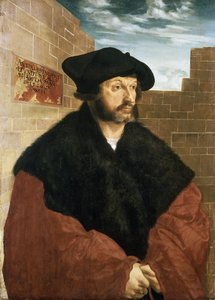
wolf huber
1490 - 1553 , Austria
Quick Facts
- Artistic Movement Or Style: Renaissance painting”
- Artists Or Movements Influenced By This Artist:
- Venetian School
- European painting
- Artists Who Influenced This Artist:
- Giorgione
- Giovanni Bellini
- Date Of Birth: c. 1490
- Date Of Death: 1576
- Full Name: Tiziano Vecellio”
- Nationality: Venetian
- Notable Artworks:
- Assumption of the Virgin
- Venus of Urbino
- Bacchus and Ariadne
- Place Of Birth: Pieve di Cadore, Italy
Related Articles
Fra Angelico's Masterpieces: 25 Renaissance Paintings for Your Home | ArtsDot
Explore 25 breathtaking masterpieces by Fra Angelico, a Renaissance master. Discover the stories behind his iconic frescoes, Annunciations & religious art. Find museum-quality reproductions and elevate your home decor with ArtsDot.com.

Jacopo Tintoretto's Masterpieces: 25 Paintings That Define Venetian Drama | ArtsDot
Explore 25 breathtaking masterpieces by Jacopo Tintoretto, the Venetian master of drama and light. Discover the stories behind iconic Renaissance paintings & find museum-quality art reproductions to elevate your home decor on ArtsDot.com.

Giotto's Masterpieces: 25 Renaissance Artworks for Your Home | ArtsDot
Explore 25 breathtaking artworks by Giotto di Bondone, a Renaissance master. Discover the stories behind iconic frescoes & paintings like the Scrovegni Chapel cycle. Find museum-quality Giotto reproductions and elevate your home decor with ArtsDot.com.
Jacopo Palma il Giovane: A Venetian Master's Poetic Evolution
Explore the captivating world of Jacopo Palma il Giovane, a pivotal Venetian Renaissance master. Discover his unique style, influenced by Titian & Tintoretto, and learn about key works perfect for discerning collectors.
Sacred Narratives Embodied: A Comprehensive Exploration of Religious Iconography in Art History
Explore the rich history of religious iconography in art! Discover symbolism, movements & masterpieces from Byzantine to Renaissance periods. Expert insights for collectors and enthusiasts at ArtsDot.