The Soul of the Line: Understanding Graphite's Versatility and Carbon Essence
 The Power of Graphite: Mastering Depth, Texture, and Detail in the Art of Pencil Drawing
The Alchemy of Carbon: Understanding Graphite's Versatility To hold a piece of graphite is to hold a fragment of the earth’s ancient history, a concentrated essence of carbon that possesses the unique ability to bridge the gap between a mere mark and...
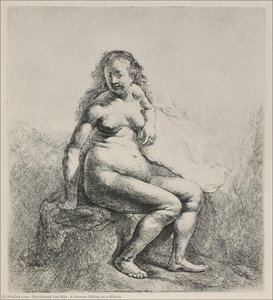
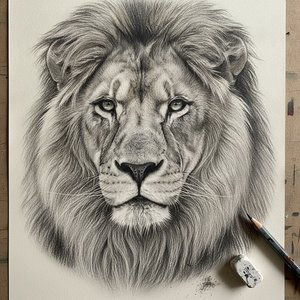
To hold a piece of graphite is to grasp a fragment of the earth’s ancient history, a concentrated essence of carbon that possesses the unique ability to bridge the gap between a mere mark and a profound statement. There is a quiet magic found in its capacity for nuance, allowing for a seamless transition between the seen and the unseen. Unlike the heavy, dramatic presence of charcoal or the permanent authority of ink, graphite offers a subtle, silvery spectrum that invites the artist into a delicate dance of light and shadow. It is a medium of intimacy, often serving as the first glimpse into an artist's unfiltered mind before a canvas is ever touched by oil or acrylic.
This versatility allows for what many call the alchemy of carbon, where the pressure of a hand against paper transforms raw mineral into a window of perception. When we work with graphite, we are not merely applying pigment; we and manipulating light itself, using the silvery sheen of carbon to capture the ephemeral qualities of atmosphere and the softest gradations of skin, stone, or silk. This fundamental connection to the earth provides a grounded, monochromatic power that strips away the distraction of color to focus on the pure, unadulterated essence of form and emotion.
Navigating the Grades: Selecting the Right Pencil for Precision and Shadow
 The Alchemy of Graphite: An Expert Guide to Mastering Detail and Depth in Pencil Sketching
The Soul of the Line: Understanding Graphite's Unique Versatility The Nuances of Graphite: Exploring Emotional Depth & Technical Mastery in Pencil Drawing A History Rooted in Earth: The Origins & Evolution of Graphite Wikipedia: Colored pencil A colo...
For the aspiring art student, understanding the technical toolkit is the first step toward mastery. The world of graphite is defined by its grades, a spectrum ranging from the hard, precise 9H to the soft, velvety 9B. These designations are not merely labels but instructions on how much clay and carbon are present in the core. Harder pencils, such as the H series, contain more clay, making them ideal for the initial, delicate architectural lines of a sketch or the fine, sharp details required in anatomical studies. They offer a light, silvery whisper that stays close to the surface of the paper without much smudging.
Conversely, the B series—the "black" pencils—contains more graphite and less clay, offering a rich, dark intensity that is essential for creating deep shadows and dramatic contrast. As you move from 2B toward 9B, the texture becomes increasingly buttery and soft, allowing for deep, velvety blacks that can anchor a composition. Mastering the transition between these grades is crucial; a skilled hand knows when to use the surgical precision of an H pencil to define a sharp edge and when to employ the lush, dark weight of a B pencil to establish the profound depths of a shadow.
Mastering Value: Techniques for Creating Depth through Light and Dark
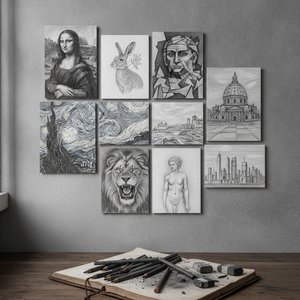 10 Iconic Graphite Pencil Masterpieces That Redefined Art History
Introduction Before the neon glow of digital screens or the high-impact saturation of street art, there was the raw, monochromatic power of graphite. There is a profound, quiet intensity in a pencil stroke—a way to capture light, shadow, and soul usi...
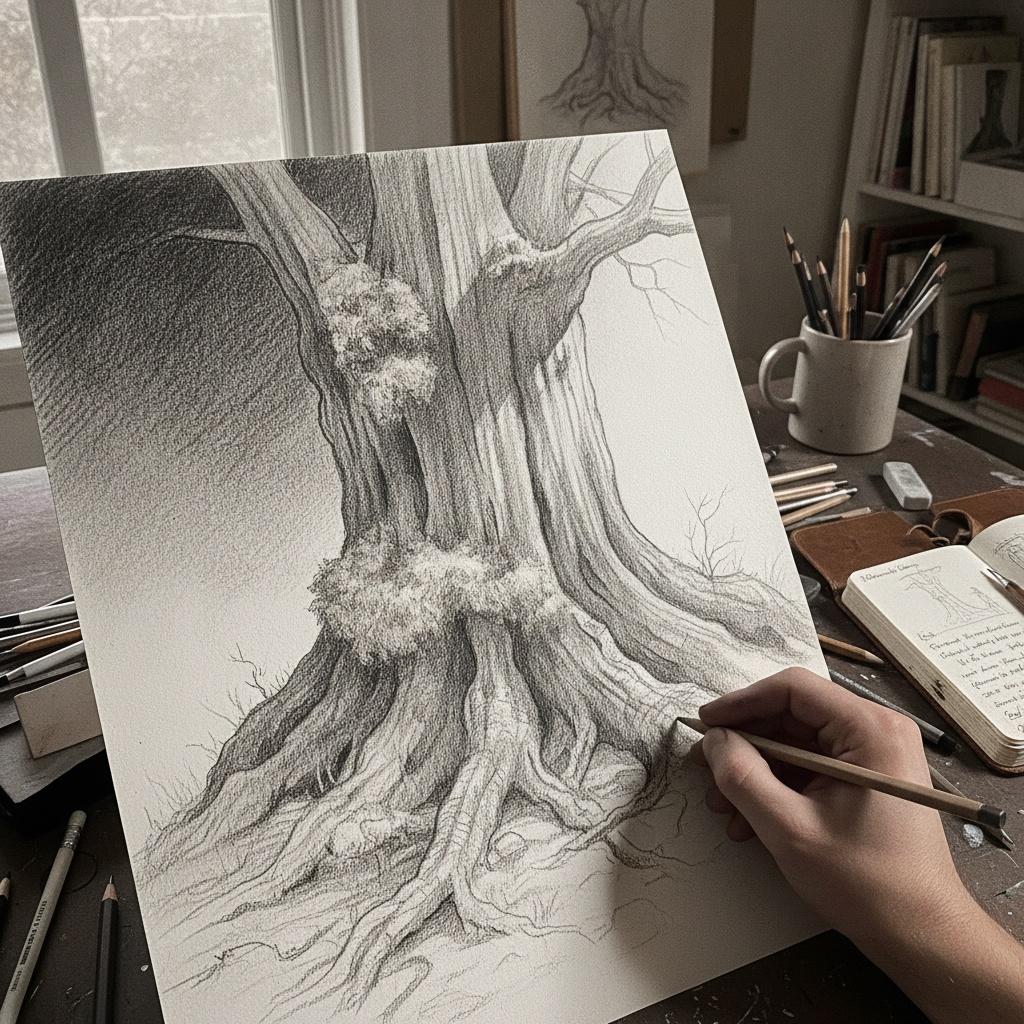
The true secret to breathing life into a two-dimensional sketch lies in the mastery of value. Value refers to the lightness or darkness of a tone, and it is the primary tool used to create the illusion of three-dimensionality. To achieve depth, an artist must move beyond simple outlines and begin to think in terms of tonal shapes. By carefully mapping out where light hits a form and where shadows fall, you can transform a flat circle into a heavy, rounded sphere. This process requires a disciplined approach to observing how light wraps around objects, creating highlights, mid-tones, and core shadows.
Achieving these transitions requires patience and a commitment to gradual layering. Rather than pressing hard with a single pencil to create dark areas, the most successful artists build up layers of tone incrementally. This method allows for much smoother gradations and prevents the paper from becoming overly saturated or "shiny" with compressed graphite. By controlling the rhythm of your strokes and the density of the carbon, you can guide the viewer's eye through a landscape of light, creating a sense of volume that feels tangible and real.
The Art of Texture: Layering, Blending, and Mimicking Materiality
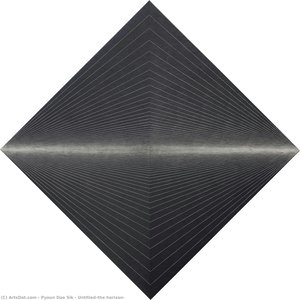 pyoun dae sik
Pyoun Dae Sik: Exploring Texture and Space Through Graphite Lines Pyoun Dae Sik (born , South Korea) is a contemporary Korean graphite artist whose distinctive style centers on meticulous line drawings that delve into the complexities of space and re...
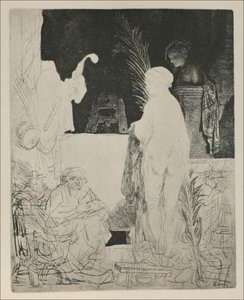
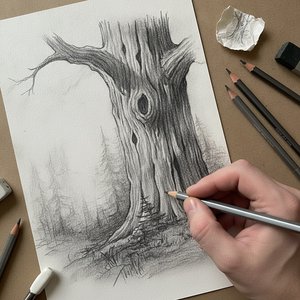
Beyond the structure of light and shadow lies the evocative world of texture. Graphite is a medium of infinite patience, capable of mimicking the coarseness of bark, the smoothness of polished marble, or the delicate translucency of silk. This is achieved through the deliberate manipulation of graphite lines and the application of pressure. Contemporary masters like Pyoun Dae Sik demonstrate how meticulous line drawings can delve into the complexities of space and repetition, using texture to create layered surfaces that invite deep contemplation.
To master texture, one must learn to vary the way the pencil meets the paper. Short, jagged strokes can suggest rough, organic surfaces, while long, sweeping, and light-handed strokes can evoke the softness of fabric or skin. Blending tools, such as tortillons or even soft tissue, can be used to smooth out transitions, but one must be careful not to over-blend, which can lead to a loss of detail and a muddy appearance. The goal is to use the graphite to create a tactile sensation, where the viewer can almost feel the weight and surface quality of the subject through the mere sight of the pencil marks.
Subtractive Drawing: Using Erasers as a Creative Tool for Highlights
 Subtractive drawing
Subtractive drawing is a technique in which the drawing surface is covered with graphite or charcoal marks and then erased to make the image. This technique is often used to add texture, establish tonal shapes, or create the appearance of reflected l...
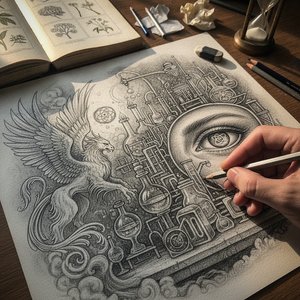
One of the most transformative techniques in a sketch artist's repertoire is subtractive drawing. While we often think of erasers solely as tools for correcting mistakes, in the hands of a master, they become drawing instruments in their own right. Subtractive drawing involves covering a portion of the paper with graphite and then "drawing" with an eraser to reveal the light underneath. This technique is particularly effective for adding texture, establishing bright highlights, or creating the appearance of reflected light within a shadow.
For this purpose, the kneaded or putty eraser is indispensable. Because it can be manipulated into custom shapes, including fine, sharp tips, it allows for surgical precision when pulling light out of dark areas. By absorbing pigment rather than simply scrubbing the paper, the kneaded eraser preserves the integrity of the drawing surface. This additive and subtractive dance—adding darkness with a pencil and reclaiming light with an eraser—is what ultimately creates the breathtaking precision and high-contrast drama found in the world's most iconic graphite masterpieces.
From Sketch to Masterpiece: Integrating Graphite Studies into Fine Art
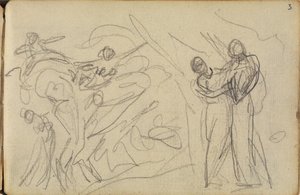 Sketch 160
George Romney’s "Sketch 160" captures dynamic figures in a loose pencil study. Explore expressive sketching & raw energy of this Victorian-era artwork – a unique piece for art collectors.
Ultimately, the mastery of graphite is about more than just technical skill; it is about finding the soul within the line. Whether you are looking at the loose, energetic studies of George Romney or the hyper-realistic, intricate details of Karl Buergerniss, the pencil serves as a foundational tool for visual storytelling. These sketches are often the first glimpse into an artist's unfiltered mind, capturing the raw energy of a moment before it is refined into a larger oil painting or a complex composition.
As you progress in your journey, remember that every stroke is an opportunity for discovery. The graphite pencil allows you to experiment with form, light, and emotion with a level of intimacy that few other mediums can match. By honing your ability to control value, texture, and light, you are not just learning to draw; you are learning to see the world with new clarity. Whether you are creating a small personal study or preparing for a large-scale commission, the principles of graphite mastery will remain your most loyal companions in the pursuit of artistic excellence.
For more inspiration and to explore breathtaking hand-painted reproductions that bring these historical textures to life in your own home, visit us at ArtsDot.com.