

The Soul of the Surface: Understanding Texture and Its Impact on Room Mood
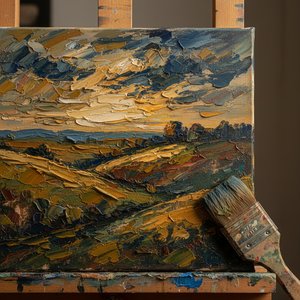 The Timeless Beauty of Oil on Canvas: A Masterclass in Texture, Impasto, and Artistic Mastery
The Alchemy of Pigment: Understanding the Soul of Oil on Canvas To behold a true oil painting is to witness a silent, chemical dance that has captivated the human spirit for centuries. Unlike the ephemeral nature of digital media, the medium of oil o...
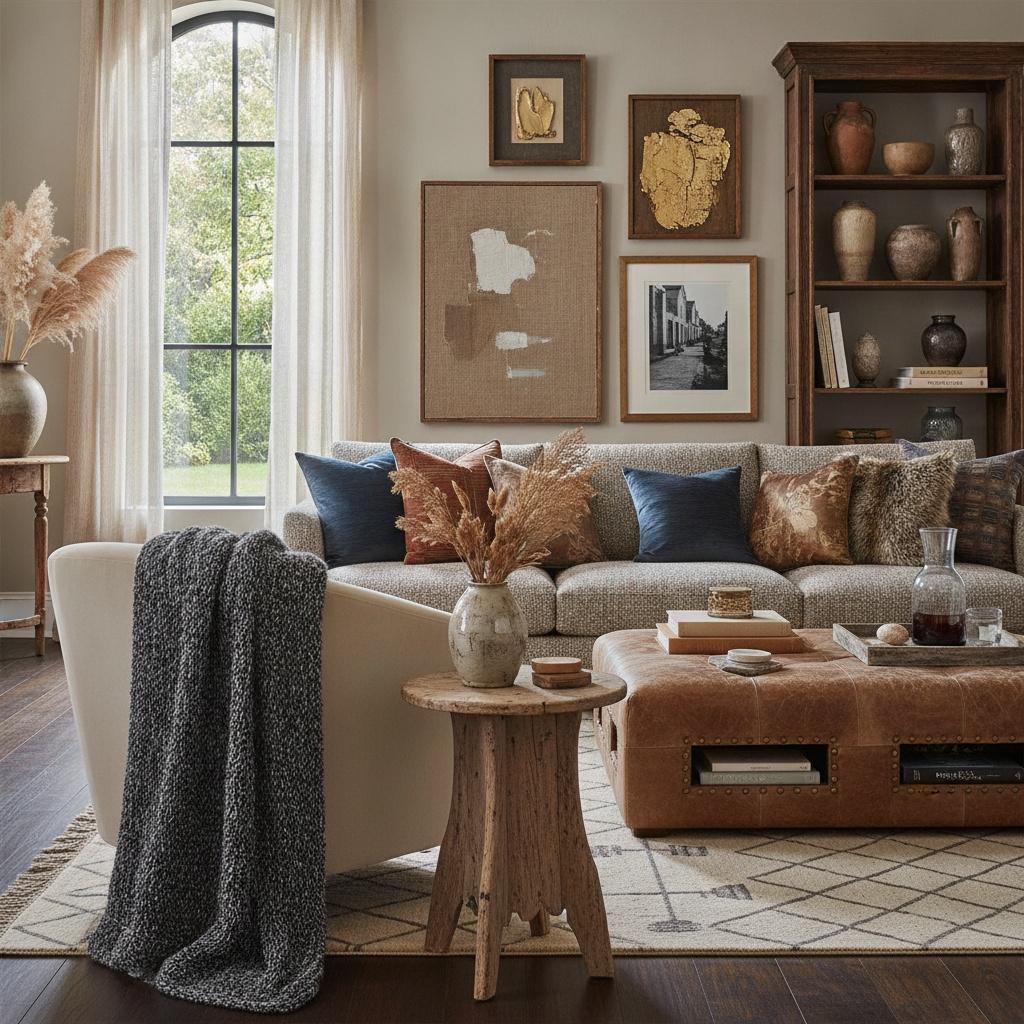
To step into a room adorned with fine art is to enter a conversation that transcends mere decoration. For the discerning collector, a painting is never just an object; it is a living presence that breathes life into the architecture of a home. At the heart of this visceral encounter lies texture—the silent, tactile language that dictates how light dances across a surface and how a viewer feels when standing before a canvas. When we consider the atmosphere of a space, we must look beyond color to the very topography of the paint itself. A smooth, ethereal glaze can evoke a sense of tranquil stillness, perfect for a serene bedroom or a contemplative study, while a rugged, heavily worked surface can inject a room with an undeniable pulse of energy and movement.
Texture acts as the emotional anchor of an interior design. Consider the way a soft, luminous oil painting might catch the morning light, creating a spectral glow that softens the edges of a modern living space. Conversely, a work characterized by structural density can serve as a monumental focal point, commanding attention and providing a sense of permanence in an ever-changing world. By understanding how the physical weight of pigment influences our psychological response, we begin to see art not as an accessory, but as the very heartbeat of our domestic sanctuaries.
From Smooth Glazes to Sculptural Impasto: Choosing Your Visual Language
 Decoding Impasto: The Emotional Power and Texture of Van Gogh's Brushstrokes
The Tactile Language of Emotion: Defining Impasto in Post-Impressionism To encounter the works of Vincent van Gogh is not merely to view a landscape, but to witness a physical struggle rendered in pigment. At the heart of this visceral experience lie...
The history of oil painting is a magnificent saga of technical evolution, moving from the delicate, translucent layers of the Old Masters to the bold, expressive rebellions of the modern era. For those beginning their journey into collecting, understanding these techniques is like learning the vocabulary of emotion. The technique of glazing—the application of thin, transparent layers of oil—allows light to pass through the pigment and reflect off the white primer beneath. This creates a depth and an inner luminosity that feels almost supernatural, as if the painting possesses its own internal light source. It is a method of subtlety, ideal for capturing the fleeting nuances of skin tones or the soft mist of a landscape.
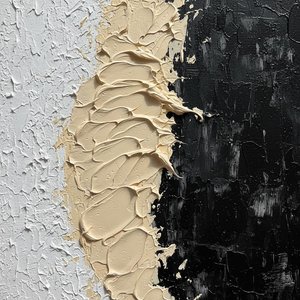
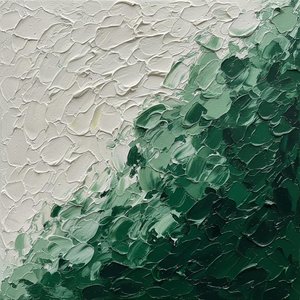
In stark contrast stands the powerful, rhythmic energy of impasto. This technique, famously mastered by visionaries like Vincent van Gogh, involves applying paint so thickly that it becomes a three-dimensional relief. When an artist uses a palette knife to create raised ridges and sculptural troughs, the canvas ceases to be a flat plane and becomes a topographical map of human passion. These heavy, textured blocks of color catch ambient light and cast micro-shadows within the work itself, creating a dynamic interplay of shadow and brilliance that changes as you move through the room. Whether you are drawn to the quiet elegance of a smooth surface or the muscular intensity of sculptural texture, your choice defines the visual rhythm of your home.
Beyond the Frame: Matching Art Styles to Modern Interior Architectures
 Oil on Panel: The Ultimate Guide to Bold, High-Impact Texture & Depth
Beyond the Canvas: Why Oil on Panel is the Ultimate Power Move for Your Space Oil painting Oil painting is a painting method involving the procedure of painting with pigments combined with a drying oil as the binder. It has been the most common techn...
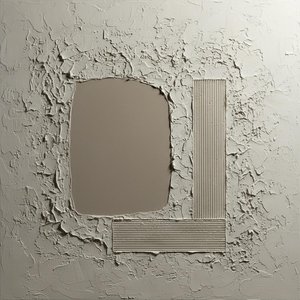
A truly curated home is an intentional blend of history and modernity, where art serves as the bridge between different eras. In contemporary interior design, the challenge lies in integrating pieces that respect the architectural lines of a space while adding soulful complexity. For instance, in a room defined by minimalist, clean-lined furniture, a large-scale abstract work with heavy impasto can provide a much-needed organic counterpoint, breaking the rigidity of straight edges with its controlled chaos and tactile depth. The presence of such a piece transforms a sterile environment into a space of character and intrigue.
For more traditional or classical settings, one might look toward the structural integrity of oil on panel. Unlike the flexible nature of canvas, a rigid wood or panel support offers an unyielding foundation that supports heavier applications of pigment, lending an architectural gravity to the work. This makes it feel less like a hanging cloth and more like a sculptural object integrated into the very bones of the interior. Whether you are decorating a wide, sweeping staircase with multi-panel group sets or looking for a singular, commanding piece for a grand foyer, the key is to select works that complement the structural soul of your architecture.
The Collector’s Palette: Coordinating Color, Light, and Canvas Tones
 Prismatic Gravity: A Monumental Study of Impasto Texture and Chromatic Descent
A Symphony of Weight and Color In the realm of contemporary abstraction, few works command the physical presence of Prismatic Gravity: A Monumental Study of Impasto Texture and Chromatic Descent . This breathtaking masterpiece by Christian Noiret is ...
Color is often the first element we notice, but for the sophisticated collector, color must be viewed through the lens of light and tone. A successful collection does not merely match a room's color palette; it enhances and expands it. When browsing for new acquisitions, consider how the tonal range of a painting will interact with your existing lighting. Deep, monochromatic works in midnight navies or burnt umbers can create a sense of profound intimacy and "monumental heaviness," whereas lighter, prismatic palettes of emerald, gold, and soft cerulean can infuse a space with joy and vitality.
The magic also lies in the ability to remix history. One of the most exciting frontiers for modern collectors is the ability to customize art to fit a specific color scheme. Imagine a personal photograph transformed into a masterpiece using the light-drenched, impressionistic style of Monet, or a contemporary portrait reimagined with the dramatic, dark textures of a 17th-century master. By coordinating the pigments of your art with the textures and tones of your textiles and wall colors, you create a cohesive visual narrative that feels both curated and deeply personal.
Creating a Legacy: The Longevity and Care of Hand-Painted Masterpieces
The Alchemy of Pigment: Understanding the Soul of Oil on Canvas To behold a true oil painting is to witness a slow, deliberate alchemy where earth and light converge upon a woven surface. Unlike the ephemeral nature of digital imagery or the flat uni...
Investing in fine art is an act of preserving beauty for generations. Unlike the ephemeral nature of digital imagery or mass-produced prints, a hand-painted oil reproduction is a physical legacy. The very materials that give these works their soul—linseed oils, mineral pigments, and heavy-duty cotton canvas—are chosen for their permanence. To ensure your collection remains vibrant, it is essential to understand the chemistry of preservation. The application of a Damar varnish protects the surface from dust, moisture, and atmospheric pollutants, while the use of specific oils prevents the yellowing of whites over time.
As you build your collection, remember that true art requires thoughtful stewardship. To protect your investment, avoid placing works in direct sunlight and consider using acid-free matting for framed pieces to create a vital air gap between the pigment and the glass. Whether you are acquiring a bespoke commission or a treasured reproduction, you are not just buying decor; you are becoming a guardian of human creativity. At ArtsDot.com, we celebrate this journey of discovery, helping you navigate the beautiful complexities of texture, style, and technique to find the pieces that will resonate within your home for decades to come.