
Early Life & Maritime Beginnings: Shaping Knell’s Artistic Vision
William Adolphus Knell (1801–1875) emerged from a Britain steeped in naval history and romantic ideals, a context that profoundly shaped his artistic trajectory. Born into an era of maritime dominance, Knell didn't simply depict ships; he captured the very essence of seafaring life – its drama, its tranquility, and its inherent connection to the sublime power of nature. While biographical details remain somewhat sparse, it’s clear his early exposure to the bustling ports and naval activities of England ignited a lifelong fascination with the sea. This wasn't merely an aesthetic choice; it was a reflection of national pride and a burgeoning romantic sensibility that celebrated both human endeavor and the untamed beauty of the ocean. Knell’s initial training likely involved traditional methods, honing his skills in precise draftsmanship and realistic representation – foundations upon which he would later build his distinctive style. However, even in these early works, a nascent sensitivity to light and atmosphere begins to emerge, hinting at the artistic path he was destined to follow.
The Luminist Influence: Capturing Light and Tranquility in Knell's Seascapes
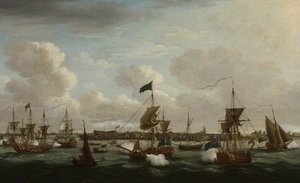
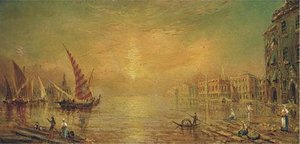 View Over The Venetian Lagoon
Admire 'View Over The Venetian Lagoon' by Adolphus Krell – a Romantic Luminist painting of Venice at sunset. Explore its golden hues, tranquil scene & subtle symbolism.
Knell’s work is often categorized within the Luminist movement, though his style possesses a unique character. Luminism, flourishing in mid-19th century America, prioritized capturing the ethereal qualities of light – its ability to transform landscapes into scenes of serene beauty and almost spiritual resonance. Knell shared this preoccupation, but infused it with a distinctly British sensibility. His seascapes aren’t simply representations of water and sky; they are studies in atmospheric effect. Consider View Over The Venetian Lagoon, where the golden hues of sunset bathe the tranquil waters in a warm glow. This isn't just about accurate depiction; it’s about evoking a feeling – a sense of peace, contemplation, and the fleeting beauty of a moment in time. He masterfully employs subtle gradations of color to suggest distance and depth, creating an immersive experience for the viewer. The calmness of the water, the soft reflections, and the delicate interplay of light and shadow all contribute to this captivating effect. Unlike some Luminist painters who focused on vast, untouched wildernesses, Knell often included elements of human activity – ships sailing in the distance, suggesting a harmonious relationship between man and nature.
Knell and the Rise of American Impressionism: A Transatlantic Dialogue
 Wikipedia: American Impressionism
American Impressionism was a style of painting related to European Impressionism and practiced by American artists in the United States from the mid-nineteenth century through the beginning of the twentieth. The style is characterized by loose brushw...
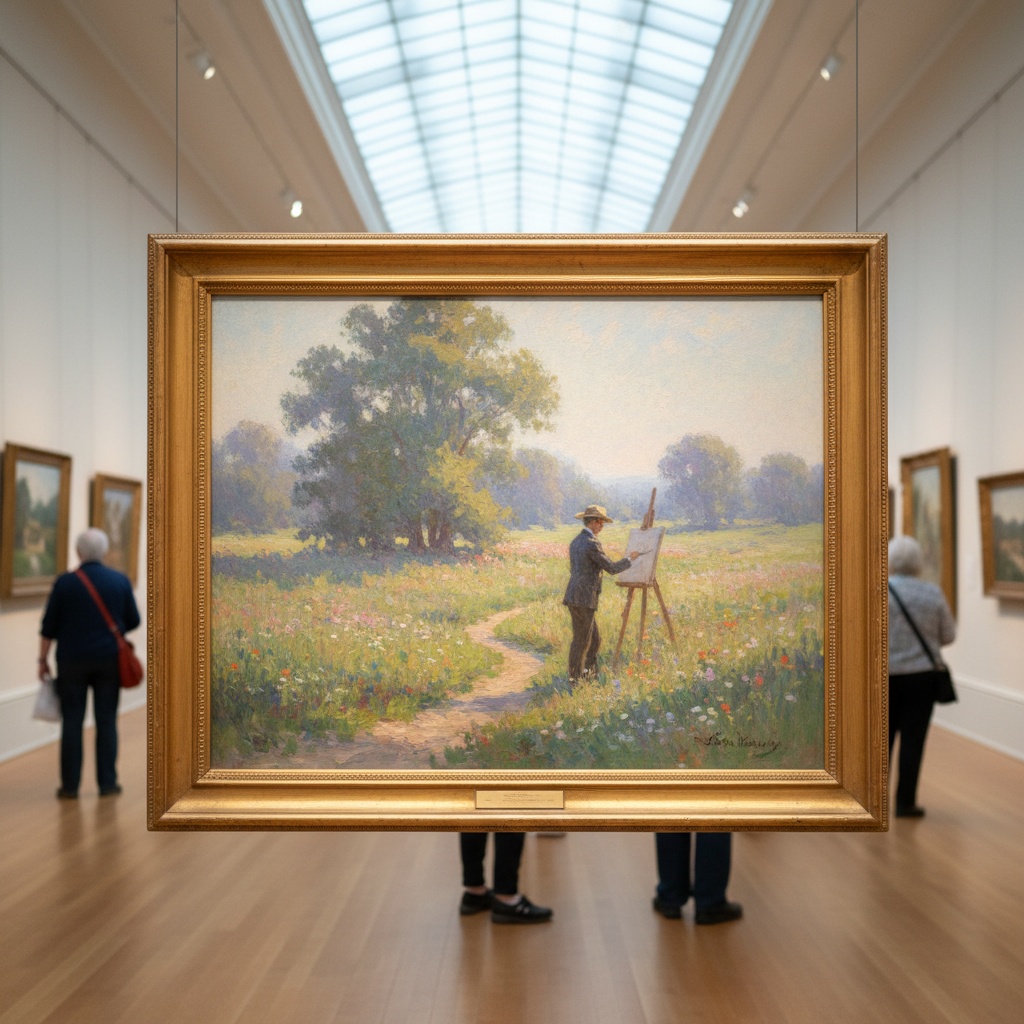
While firmly rooted in British artistic traditions, Knell’s work foreshadowed aspects of the emerging American Impressionist movement. The late 19th century witnessed a growing exchange of ideas between European and American artists. Major exhibitions of French Impressionist works introduced new techniques – loose brushwork, vivid colors, and an emphasis on capturing fleeting moments – to American audiences. Although Knell didn’t directly adopt all the tenets of Impressionism, his focus on light, atmosphere, and subjective experience aligns with its core principles. American artists like Theodore Robinson and Mary Cassatt were among the first to embrace Impressionism after studying in France, but even before their direct engagement, painters such as Knell were exploring similar themes and techniques independently. His use of broken color and subtle brushstrokes anticipates the later developments of American Impressionism, demonstrating a shared desire to move beyond strict realism and capture the emotional impact of light and color. The influence wasn’t necessarily direct imitation but rather a parallel exploration of artistic possibilities within a changing cultural landscape.
Mastering Atmospheric Perspective: Technique and Emotional Resonance
Aerial perspective, or atmospheric perspective, is the effect the atmosphere has on the appearance of an object as viewed from a distance. As the distance between an object and a viewer increases, the contrast between the object and its background de...
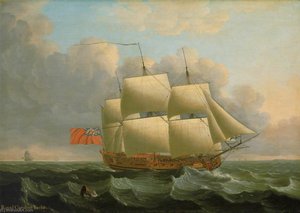
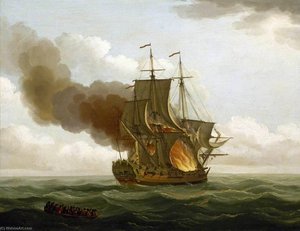
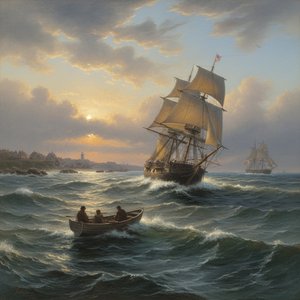
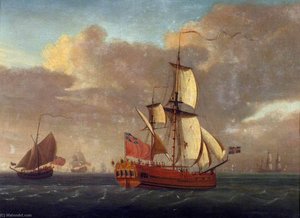
Central to Knell's success is his masterful use of atmospheric perspective, also known as aerial perspective. This technique, understood since the Renaissance but refined by artists like Leonardo da Vinci, involves depicting distant objects with less contrast, muted colors, and softer details. As distance increases, colors shift towards a bluish hue, mimicking the effect of the atmosphere on our perception. Knell didn’t simply apply this technique mechanically; he used it to create depth, mood, and emotional resonance. In paintings like HMS Pearl Capturing The Vengador, the turbulent seas and dramatic lighting are heightened by the skillful use of atmospheric perspective. The distant ships appear shrouded in mist, creating a sense of scale and emphasizing the power of the ocean. This isn’t just about visual accuracy; it's about conveying the feeling of being at sea – the vastness of the horizon, the unpredictable nature of the weather, and the inherent danger of naval warfare. The subtle gradations of color and light create an immersive experience, drawing the viewer into the scene and evoking a sense of awe and wonder.
Naval Scenes & Beyond: Exploring the Breadth of Knell’s Oeuvre
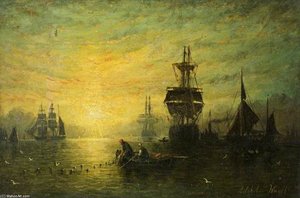
While best known for his maritime scenes, Knell's artistic range extended beyond naval battles and tranquil harbors. He also painted evocative sunsets, often featuring boats silhouetted against a fiery sky – as seen in Sunset With Boats. These works demonstrate his continued fascination with light and atmosphere, but offer a more intimate and contemplative perspective. He wasn’t solely focused on grand historical events; he found beauty in the everyday moments of maritime life. His paintings often depict ships at dawn or dusk, capturing the quiet solitude of the sea before or after a storm. This versatility highlights his skill as an observer and his ability to translate a wide range of emotions onto canvas. The consistent thread throughout his work is a dedication to capturing the ephemeral qualities of light and atmosphere, regardless of subject matter.
Legacy and Collecting Knell Today: Appreciation and Market Value
William Adolphus Knell’s legacy lies in his ability to capture the beauty and drama of the sea with remarkable sensitivity and skill. His paintings offer a glimpse into a bygone era – a time when naval power dominated the oceans and romantic ideals shaped artistic expression. Today, collectors are increasingly recognizing the value of his work, appreciating his mastery of light, atmosphere, and technique. While not as widely recognized as some of his contemporaries, Knell’s paintings represent a significant contribution to 19th-century art. Prices for his works vary depending on size, subject matter, and condition, ranging from $3,160 to over $11,443 (as of recent sales data). His seascapes are particularly sought after, offering a captivating blend of historical interest and artistic beauty. ArtsDot provides access to high-quality reproductions of Knell’s masterpieces, allowing art enthusiasts to experience the magic of his work firsthand. Whether you're a seasoned collector or simply appreciate beautiful paintings, Adolphus Knell offers a compelling glimpse into a world of maritime adventure and artistic excellence.