The Barbizon Roots: Masclef’s Early Influences & Artistic Formation
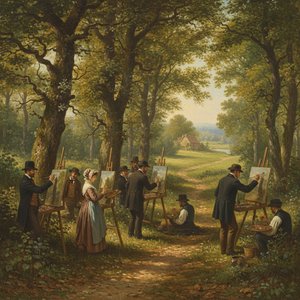
Amédée Masclef (1858-1916) occupies a fascinating, often overlooked position in the transition from Realism to Symbolism within 19th-century French painting. While firmly rooted in the traditions of the Barbizon school – that community of artists who eschewed academic formality for direct observation of nature – Masclef’s work quickly transcended mere topographical representation. To understand his unique vision, one must first appreciate the context from which he emerged. The Barbizon painters, including Théodore Rousseau and Charles-François Daubigny, championed landscape as a legitimate subject in itself, rejecting the historical or mythological narratives favored by the Salon establishment. They sought authenticity, painting *en plein air* to capture the fleeting effects of light and atmosphere. Masclef absorbed this dedication to naturalism, but he wasn’t content simply to record what he saw; he aimed to imbue his depictions with a deeper emotional resonance.
Born in Béthune, France, Masclef's early life was intertwined with the church – he was an abbé, and this spiritual dimension profoundly shaped his artistic sensibility. His initial training likely included detailed studies of botanical forms, a discipline that would become central to his oeuvre. The Barbizon circle provided not only a stylistic foundation but also a shared ethos: a reverence for nature as a source of both aesthetic beauty and moral instruction. However, the growing currents of Symbolism – with its emphasis on subjective experience, dreamlike imagery, and exploration of the unseen world – would soon exert an equally powerful influence.
Beyond Realism: The Embrace of Symbolism in Masclef's Work
The late 19th century witnessed a growing dissatisfaction with the perceived limitations of Realism. Artists began to question whether objective representation could truly capture the complexities of human emotion and spiritual longing. This discontent fueled the rise of Symbolism, a movement that sought to express “absolute truths” through metaphorical images and evocative language. Charles Baudelaire’s *Les Fleurs du mal* served as an early inspiration, while poets like Stéphane Mallarmé and Paul Verlaine explored the power of suggestion and ambiguity. Masclef's work exemplifies this shift. While retaining a meticulous attention to detail inherited from his Barbizon predecessors, he moved beyond simple depiction towards a more evocative and introspective approach.
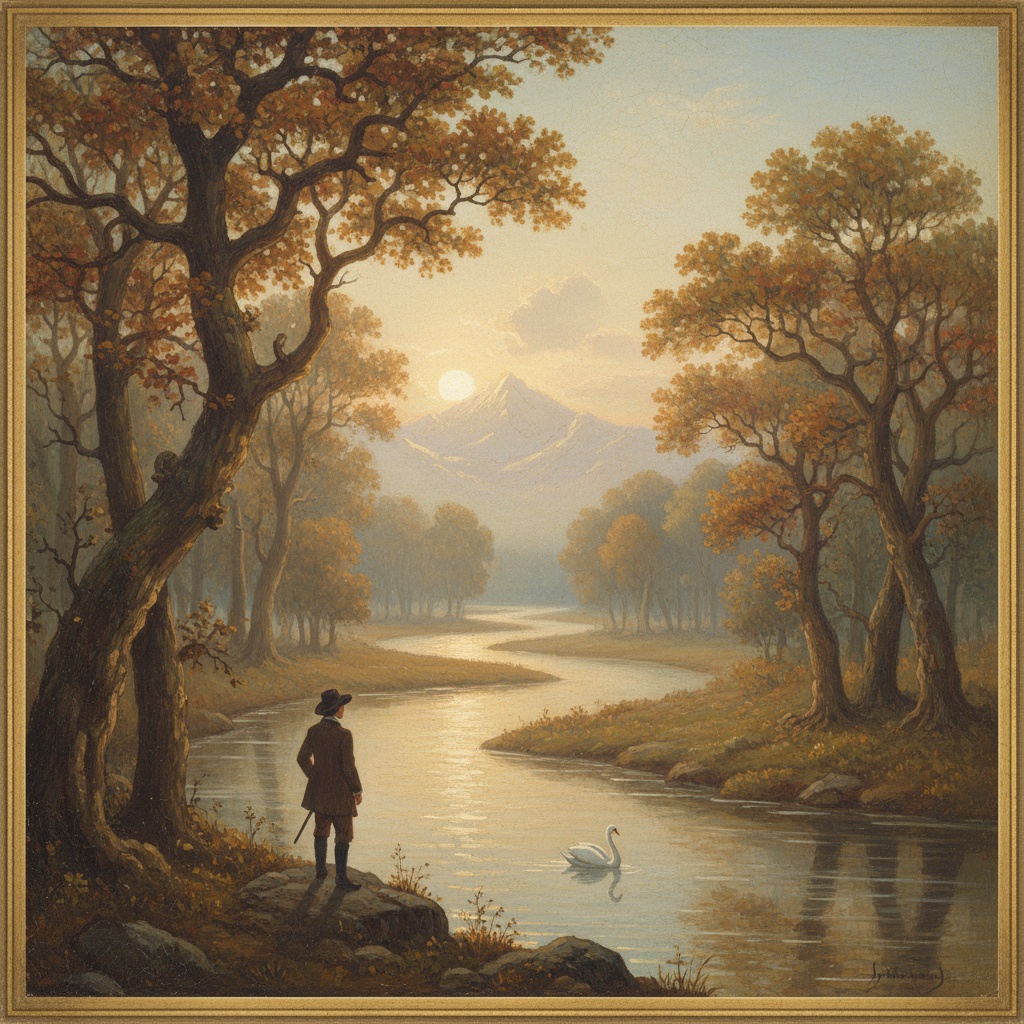
His landscapes are not merely scenes; they are states of mind. A sense of melancholy often pervades his compositions, with muted colors and soft lighting creating an atmosphere of quiet contemplation. The influence of Symbolism is particularly evident in his treatment of light – it’s rarely harsh or direct but rather diffused and ethereal, suggesting a hidden reality beyond the visible world. This wasn't about abandoning nature, but about using it as a vehicle for exploring inner landscapes—the realm of memory, emotion, and spirituality.
Botanical Precision and Emotional Resonance: A Study in Watercolor Technique
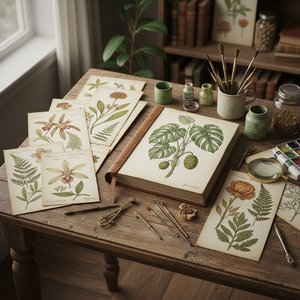
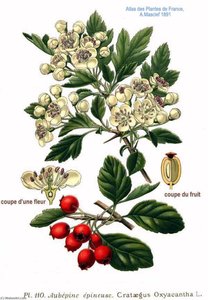
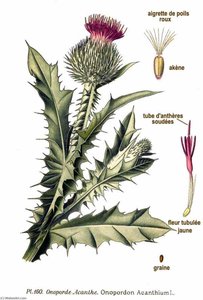
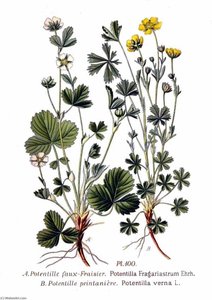
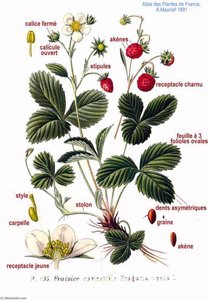
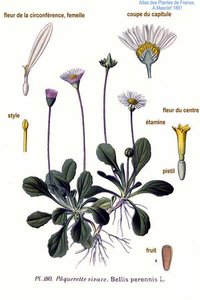
Central to Masclef’s artistic practice was his mastery of watercolor. His botanical illustrations are remarkable not only for their scientific accuracy but also for their delicate beauty and emotional depth. He wasn't simply cataloging plant life; he was capturing the essence of each species, revealing its unique character and inherent poetry. Examine, for example, his rendering of *Potentilla fragariastrum* or a humble dandelion – the detail is exquisite, yet it’s not cold or clinical. The subtle gradations of color, the delicate brushwork, and the careful observation of form all contribute to a sense of reverence for the natural world.
Masclef's technique involved layering washes of watercolor to create depth and luminosity. He often employed hatching techniques to build up texture and shadow, adding a subtle dynamism to his compositions. His annotations in French further underscore his commitment to scientific precision, yet these are never at odds with the artistic sensibility that permeates his work. These illustrations weren’t merely preparatory studies; they were finished artworks in their own right, capable of evoking powerful emotions.
Masclef’s Landscapes as Reflections of Inner States
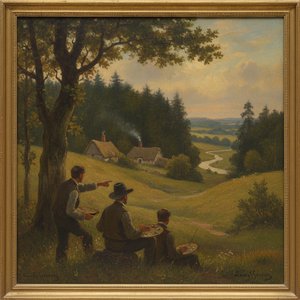
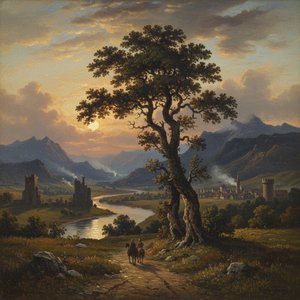
While celebrated for his botanical works, Masclef's landscapes offer a particularly compelling window into his artistic vision. These paintings are characterized by a sense of stillness and solitude, often featuring quiet forests, misty meadows, or secluded gardens. They aren’t grand vistas designed to inspire awe but rather intimate scenes that invite contemplation. The trees themselves become symbolic figures, representing resilience, growth, and the passage of time.
The standard author abbreviation Masclef is used to indicate this person as the author when citing a botanical name, highlighting his scientific contributions, yet it’s the emotional weight of his landscapes that truly sets him apart. He often depicted scenes bathed in soft, diffused light, creating an atmosphere of mystery and enchantment. These weren't depictions of specific locations but rather idealized representations of nature—filtered through the lens of memory and emotion. The compositions are carefully balanced, with a sense of harmony and tranquility pervading each scene.
The Artist as Scientist-Priest: Faith, Nature & Observation
To fully appreciate Masclef’s work, it's crucial to understand his dual role as both a scientist and a priest. His botanical illustrations reflect a deep respect for the natural world—a desire to understand its intricacies and reveal its hidden beauty. This scientific curiosity was intertwined with his religious faith, which instilled in him a sense of reverence for creation. He saw nature not merely as an object of study but as a manifestation of divine order.
His position as Professor of Natural Sciences at the Petit séminaire d'Arras further underscores this connection between science and spirituality. He wasn’t simply teaching botany; he was imparting a worldview that emphasized the interconnectedness of all things. This unique perspective informed his artistic practice, allowing him to imbue his depictions with a sense of both accuracy and emotional depth. Masclef's legacy lies in his ability to bridge the gap between observation and imagination, creating artworks that are both scientifically precise and profoundly moving.
Collecting Masclef Today: Appreciation & Legacy
Amédée Masclef’s work, while not as widely recognized as some of his contemporaries, is increasingly sought after by collectors who appreciate its unique blend of realism, symbolism, and emotional depth. His botanical illustrations are particularly prized for their exquisite detail and delicate beauty, offering a glimpse into the natural world through the eyes of a skilled artist-scientist. His landscapes, with their quiet contemplation and evocative atmosphere, provide a welcome respite from the noise and chaos of modern life.
ArtsDot offers high-quality reproductions of Masclef’s most celebrated works, allowing art enthusiasts to experience his vision firsthand. Whether you are drawn to his botanical precision or his atmospheric landscapes, his artworks offer a timeless beauty that transcends stylistic boundaries. His legacy reminds us of the power of nature to inspire both scientific inquiry and spiritual reflection—a testament to the enduring allure of the natural world.