The Aesthetic Impact: Utilizing Impressionist Light to Enhance Hospitality Ambience
 Impressionism's Legacy: 10 Masterpieces That Transformed Art & Decor
Introduction Imagine stepping into a world bathed in dappled sunlight, where colors dance and shimmer with an ethereal glow. This is the essence of Impressionism – a revolutionary art movement that dared to capture not just *what* was seen, but *how*...
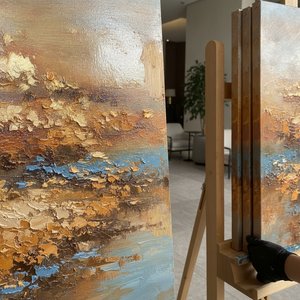
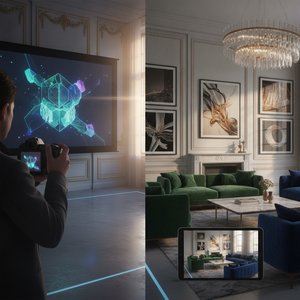
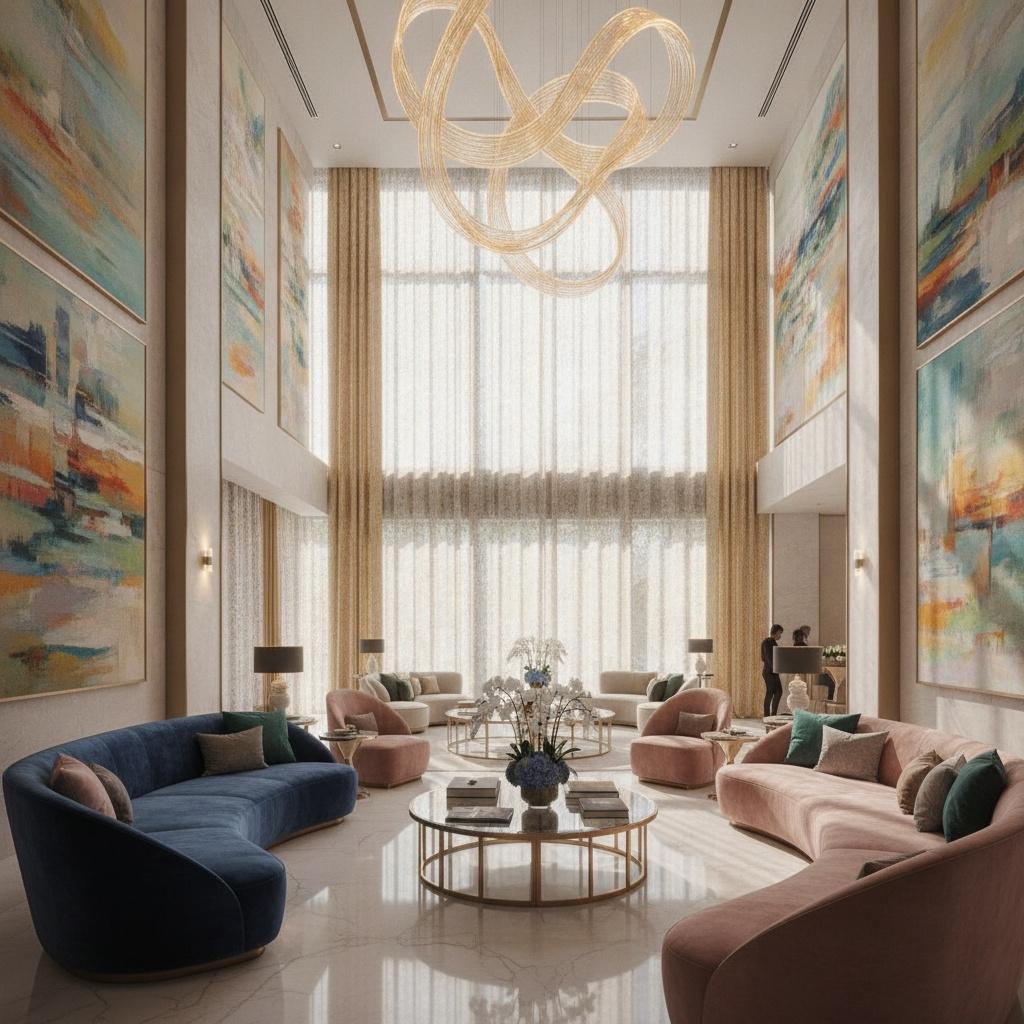
In the high-stakes world of hospitality design, the atmosphere of a lobby or a private suite is defined not merely by furniture, but by the intangible quality of light. Contemporary Impressionism offers a sophisticated solution for designers seeking to manipulate this perception. Unlike the rigid, photographic realism of traditional academic art, Impressionism focuses on the sensation of a moment. When integrated into professional interiors, these works act as windows into a world bathed in dappled sunlight and ethereal glows. By utilizing the movement's hallmark technique—loose, feathery brushstrokes that prioritize atmosphere over precise detail—designers can soften the hard edges of modern architecture, creating spaces that feel breathing, vibrant, and deeply emotive.
The power of an Impressionist piece lies in its ability to capture the ephemeral. Imagine a hotel lounge where the walls do not merely hold color, but reflect the shimmering movement of water or the warmth of a setting sun. This is achieved through the intentional use of broken brushwork and a vibrant palette that rejects the somber tones of the past. For the professional designer, this means the ability to introduce a sense of tranquility or energy through purely visual, light-based stimuli. The result is an environment that does not just house guests but transports them, offering a sensory experience that lingers long after they have checked out.
Strategic Selection: Matching Color Palettes and Subject Matter to Interior Design Themes
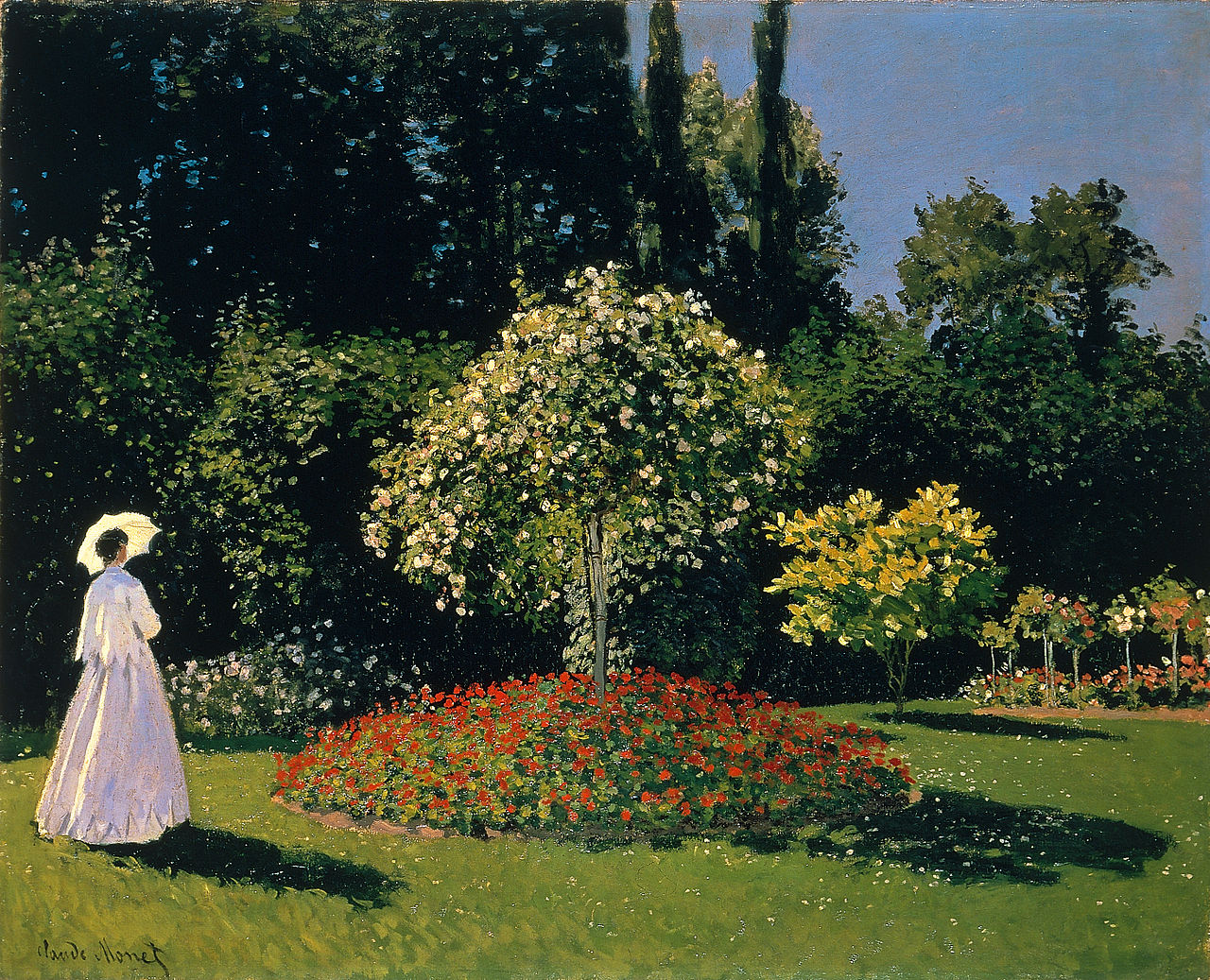 List of paintings by Claude Monet
This is a list of works by Claude Monet (1840–1926), including all the extant finished paintings but excluding the Water Lilies, which can be found here, and preparatory black and white sketches. Monet was a founder of French impressionist painting, ...
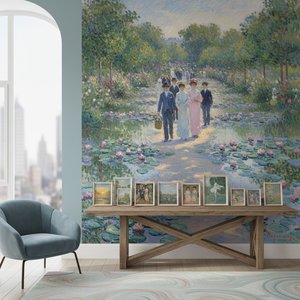
Successful art procurement for large-scale projects requires a meticulous alignment between the artwork’s chromatic profile and the established interior palette. Impressionism provides an unparalleled range of options for this strategic matching. For spaces designed around cool, calming tones—such as spa retreats or coastal resorts—works reminiscent of Claude Monet’s water lilies offer a seamless transition from architecture to art. These pieces utilize blues, greens, and soft viopons to reinforce a sense of serenity and fluid movement.
Conversely, for more energetic, urban hospitality concepts, one might look toward the bustling cityscapes or sun-drenched gardens seen in the works of Camille Pissarro. The inclusion of warmer ochres, vibrant yellows, and rich terracottas can inject warmth into a minimalist, concrete-heavy lobby. Designers should consider the psychological impact of these colors; while soft pastels promote relaxation, more saturated Impressionistic tones can stimulate social interaction in dining areas or bar lounges. By treating art as a functional component of the color scheme, procurement managers can ensure a cohesive and professionally curated aesthetic that supports the brand's identity.
Scalability and Versatility: Implementing Multi-Panel Sets and Large-Format Murals in Commercial Spaces
 Impressionistic Landscapes: 10 Masterpieces That Changed Art & Decor
Introduction To gaze upon these ten canvases is to step directly into a world transformed by light, color, and an unprecedented embrace of the fleeting moment. The Impressionistic Landscape movement wasn’t merely a shift in painting technique; it was...
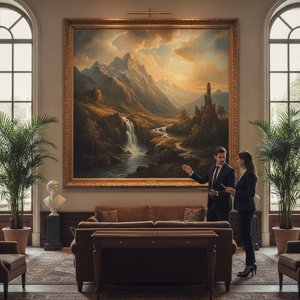
One of the most significant challenges in decorating expansive hotel corridors or grand atriums is the scale of the canvas. Standard-sized prints often fail to command the necessary presence in high-ceilinged environments. To address this, the modern designer can leverage the "multi-panel" trend, splitting a single, breathtaking Impressionist landscape across three, four, or even five separate panels. This technique creates a rhythmic, architectural flow that guides the eye along staircases or wide hallways, turning a transitional space into a curated gallery experience. Our artists ensure that brushstrokes and color gradients flow seamlessly across every panel, maintaining the integrity of the original vision.
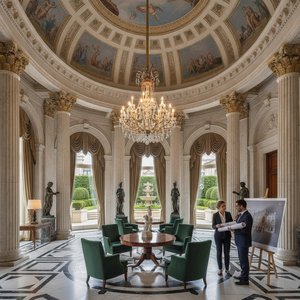
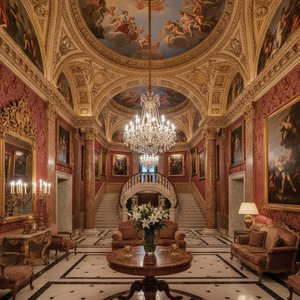
For even more ambitious architectural interventions, large-format murals and ceiling frescoes offer a way to redefine the very boundaries of a room. These massive works, painted on continuous canvas rolls, allow for the recreation of historical grandeur, such as an Impressionistic sky across a ballroom ceiling. This level of customization allows designers to move beyond mere decoration and into the realm of immersive environmental storytelling, providing a unique selling point that distinguishes a luxury property from its competitors.
Procurement Logistics: Managing Bulk Orders, Custom Sizing, and Global Shipping for Professional Projects
For procurement managers and hospitality chains, the art selection process is often dictated by strict timelines and budgetary constraints. Efficiency is paramount. When managing large-scale renovations or new builds, the ability to place bulk orders with predictable results is essential. This requires a supplier that understands the necessity of repeatable standard sizes and the logistical demands of international delivery. A reliable procurement flow must include clear documentation, such as VAT-compliant invoices and transparent tracking, to ensure that art arrives in sync with other FF&E (Furniture, Fixtures, and Equipment) deliveries.
The complexity of global logistics cannot be overstated. Professional projects often span multiple territories, necessitating a partner experienced in international customs and tax compliance. Whether it is providing Reproduction Declarations for Italian installations or managing the specific tax ID requirements for Mexico, the logistical burden should never fall on the designer. Furthermore, the ability to request custom sizing ensures that every piece fits the specific architectural niche intended, whether it be a narrow alcove or a massive feature wall, all while maintaining the rigorous standards of hand-painted excellence.
Technical Specifications: Ensuring Longevity through Hand-Painted Oil Reproductions and Archival Materials
In high-traffic commercial environments, the durability of art is as critical as its beauty. Unlike mass-produced digital prints or posters, which may suffer from fading or a "flat" appearance under harsh hotel lighting, hand-painted oil reproductions offer a depth of texture and tonal range that is unmatched. These works are meticulously crafted on 100% cotton canvas using professional-grade oils, such as safflower-based whites to prevent yellowing over time. The visible impasto—the physical thickness of the paint—creates a three-dimensional quality that catches light from different angles, adding a layer of luxury that digital printing simply cannot replicate.
Long-term preservation is achieved through rigorous technical standards. Each painting is finished with a protective coat of Damar varnish, creating a barrier against dust, moisture, and atmospheric pollutants common in public spaces. For designers seeking an even more historic aesthetic, an optional "Aged & Cracked" (craquelure) finish can be applied to simulate the venerable character of museum-grade antiques. By investing in high-quality, hand-made reproductions, hospitality professionals ensure that their art remains a vibrant, enduring asset that maintains its value and visual impact for decades.
For professional inquiries, custom commissions, or bulk procurement solutions, please contact ArtsDot.com. Our team specializes in supporting the unique needs of hotel designers and procurement managers worldwide.