
The Aesthetic Value of Watercolor: Enhancing Spatial Depth and Light in Hotel Interiors
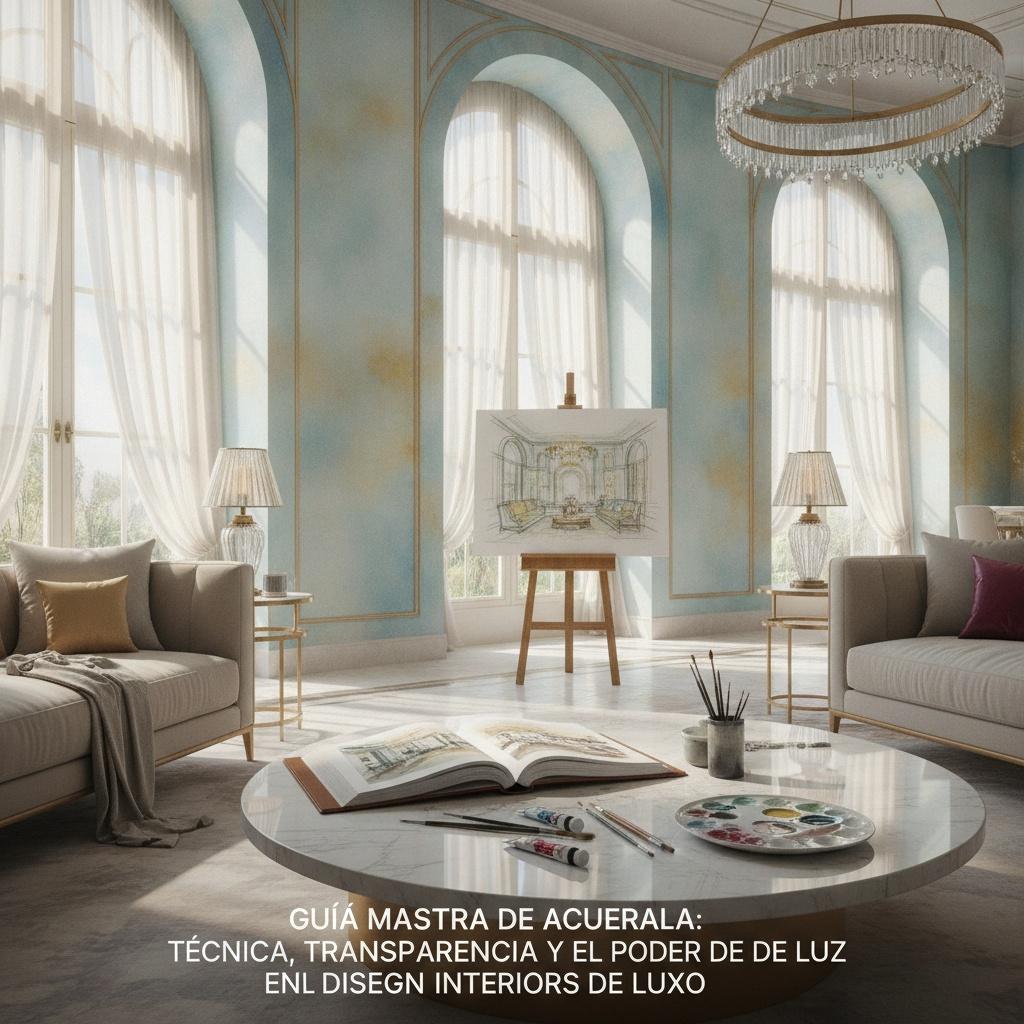
In the high-stakes world of hospitality design, the atmosphere of a lobby or a private suite is defined by more than just furniture and textiles; it is sculpted by the interplay of light and perception. Watercolor art offers a unique architectural advantage that few other mediums can replicate. Unlike the heavy, opaque presence of traditional oil paintings, watercolor possesses an inherent luminosity derived from its transparency. When strategically placed within a hotel interior, these works act as windows to another dimension, allowing light to pass through layers of pigment and reflect off the white substrate of the paper or canvas.
For the discerning designer, this medium provides a way to manipulate the perceived boundaries of a room. The delicate washes of color can soften harsh architectural lines, while the fluid transitions between hues create a sense of movement that guides the eye through a space. By integrating watercolor masterpieces—ranging from the serene Bahamian vistas of Winslow Homer to the impressionistic light-drenched landscapes of Claude Monet—designers can introduce a breathable, airy quality to even the most densely furnished corridors. This mastery of light and air is essential for creating environments that feel both luxurious and restorative.
Technical Mastery: Utilizing Transparency and Layering for Sophisticated Wall Decor
The true sophistication of watercolor lies in its technical complexity, specifically through the controlled use of glazing and layering. Each layer of pigment added to a work is semi-transparent, meaning the colors beneath remain visible, creating a profound sense of optical depth. In a professional decor context, this means that a single piece of art can contain a spectrum of tonal variations that shift as a guest moves through the room or as natural sunlight changes throughout the day. This dynamic quality ensures that the artwork remains an active participant in the room's ambiance rather than a static ornament.
Understanding these technical nuances allows procurement managers to select pieces that complement specific lighting schemes. For instance, works characterized by bold, wet-on-wet brushstrokes can provide a sense of energy and vitality in high-traffic breakfast areas, whereas more controlled, delicate glazes are ideal for the quiet contemplation required in executive lounges or spa environments. The ability to leverage this transparency allows for a sophisticated layering of textures within a design scheme, where the art mirrors the depth found in fine linens, polished stone, and layered drapery.
Curating by Mood: Selecting Watercolor Landscapes and Portraits for Different Hospitality Zones
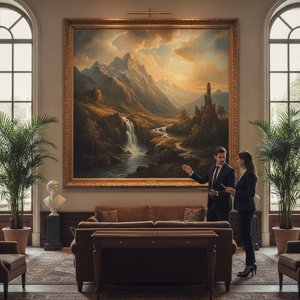
Effective curation requires a strategic approach to the emotional resonance of different hotel zones. The lobby, as the first point of contact, demands works that establish a sense of place and grandeur. Landscape watercolors, such as the sweeping, historical cityscapes seen in Miner Kilbourne Kellogg’s 1844 depictions of Malta, can ground a property in a specific cultural or geographical narrative. These larger-scale vistas provide an immediate sense of scale and importance, inviting guests to linger and explore the visual journey presented on the walls.
Conversely, more intimate spaces like guest bedrooms or boutique suites benefit from the psychological intimacy of watercolor portraiture or smaller, focused studies. The soft, muted colors found in Impressionist works, such as Mathias Joseph Alten’s delicate depictions of the human form, can foster a sense of privacy and tranquility. By alternating between the expansive energy of landscapes and the quiet, contemplative nature of portraits, a designer can create a rhythmic emotional flow throughout a property, ensuring that every corner of the hotel offers a distinct and memorable sensory experience.
Scalability and Impact: From Intimate Suite Accents to Large-Format Architectural Murals
One of the most significant challenges in large-scale hospitality projects is maintaining visual impact across varying architectural scales. Watercolor art offers unparalleled flexibility in this regard. For smaller, intimate alcoves or boutique dressing areas, small-format watercolor studies can serve as exquisite accents that reward close inspection. These pieces act as jewels within the room, providing fine detail and a sense of curated luxury that enhances the overall prestige of the suite.
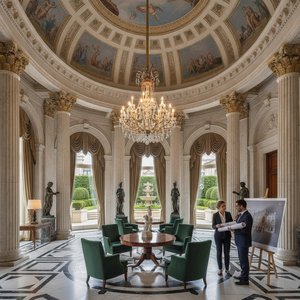
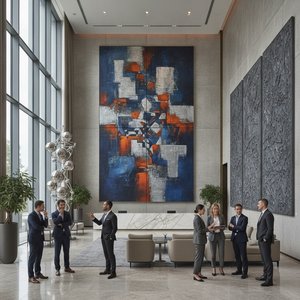
However, for grand atriums, sweeping staircases, or expansive conference halls, the medium can be scaled to monumental proportions. The development of large-format murals and ceiling frescoes allows designers to recreate historical grandeur on a massive scale. These works, painted on substantial canvas rolls, can transform a plain ceiling into a breathtaking sky of soft blues and ethereal whites, much like a Renaissance masterpiece. This scalability ensures that whether a designer is working with a single boutique room or a multi-wing hotel renovation, the watercolor medium can be deployed to command attention and define the architectural identity of the space.
Procurement and Implementation: Managing Custom Reproductions and Bulk Orders for Design Projects
For procurement managers and hospitality professionals, the transition from design concept to physical installation requires operational reliability and logistical precision. When managing large-scale art installations, the ability to source high-quality, repeatable, and customizable works is paramount. The modern professional requires a supply chain that understands the pressures of timelines, budget constraints, and the necessity for consistent quality across hundreds of units.
The implementation process should be seamless, involving clear communication regarding sizing, framing, and delivery schedules. Utilizing services that offer digital mockups allows designers to visualize the final composition on their specific walls before production begins, mitigating the risk of costly errors during installation. Furthermore, a reliable partner provides the necessary documentation for international projects, including VAT support and customs management, ensuring that art arrives on time and within budget. By focusing on scalable solutions—such as multi-panel layouts that can span wide corridors or custom-sized reproductions that fit specific architectural niches—designers can achieve a cohesive, professional aesthetic that elevates the entire hospitality brand.