The Death of Flat: Why 2D Art is Losing the Battle to 3D Texture
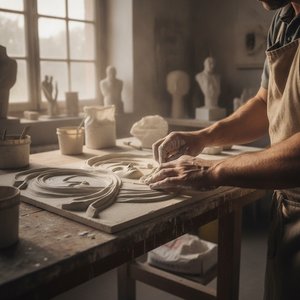 Sculpting with Soul: An Expert Guide to the Tactile Elegance of Plaster Relief Art
The Allure of Dimension: Understanding the Magic of Plaster Relief Art There is a profound, almost visceral difference between looking at a flat image and encountering a work that breathes with physical presence. While traditional painting captures t...
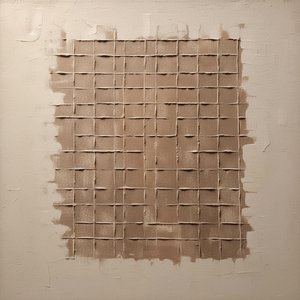
In an era dominated by high-definition screens and hyper-saturated digital imagery, our eyes have become accustomed to a certain level of visual flatness. We scroll through infinite feeds of pixel-perfect images, consuming content that, while vibrant, lacks a physical soul. This saturation has triggered a profound shift in the contemporary aesthetic landscape: a rebellion against the two-dimensionally stagnant. The modern collector is no longer satisfied with mere representation; there is a growing hunger for something that breaks the plane, something that demands to be felt as much as seen. We are witnessing the decline of the purely flat canvas and the rise of a new, tactile era where art refuses to remain passive on the wall.
This movement isn't just about adding bumps to a surface; it is about reclaiming the physical presence of art in an increasingly virtual world. As we move deeper into the 21st century, the distinction between looking at a piece and encountering it becomes vital. The "death" of the flat image does not signify the end of painting, but rather its evolution into a more visceral, three-dimensional experience. This shift mirrors the broader trends in streetwear, industrial design, and architecture, where texture, weight, and materiality define the prestige of an object. When art moves beyond the limits of the frame to occupy actual space, it ceases to be a window and becomes a participant in the room’s atmosphere.
Sculptural Relief: Mastering the Liminal Space Between Painting and Sculpture
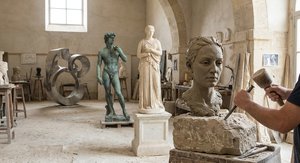
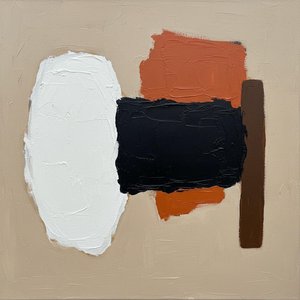
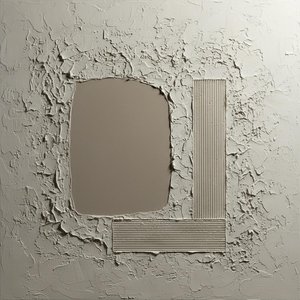
To understand the power of plaster relief, one must contemplate the liminality of bas-relief—that exquisite, tension-filled space where the boundaries of painting and sculpture dissolve. It is a medium that exists in a state of constant flux, neither fully a flat image nor a free-standing statue. This technique allows an artist to manipulate the very architecture of the medium, using heavy, impasto ridges and organic, blade-like forms to suggest movement and volume without the need for a separate pedestal. It is a sophisticated middle ground that offers the narrative depth of painting with the commanding physical presence of sculpture.
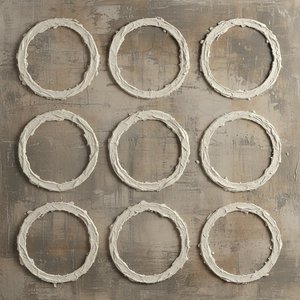
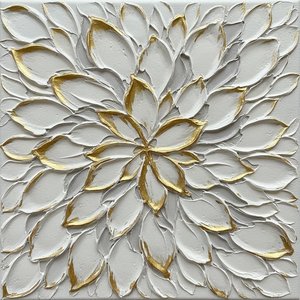
Mastering this space requires an intimate knowledge of topography and the way physical elevation can command a viewer's gaze. Unlike traditional painting, where depth is an illusion crafted through color temperature and perspective, relief art utilizes actual height to create a rhythmic, upward arc of form. Whether it is the heavy, monochromatic ridges found in modern abstract works or the delicate, petal-like layers of gilded ochre, the artist uses the thickness of the medium to carve existence out of a flat substrate. This creates a sense of monumental power and sculptural grandeur that can transform even a minimalist room into a gallery of profound, tactile history.
Light, Shadow, and Surface: The Physics of Visual Impact in Plaster Art
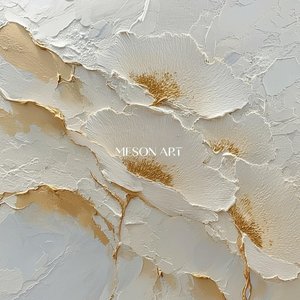 Ethereal Layers of Gilded Ochre in a Meditative Sculptural Relief
A Vision of Serene Tactility Ethereal Layers of Gilded Ochre in a Meditative Sculptural Relief is a profound exploration of texture and light, offering a fresh, modern perspective on the Plaster & Texture Art movement. This masterpiece presents an or...
The true magic of plaster relief lies in its relationship with light. Because the surface is no longer uniform, it becomes a dynamic landscape of micro-shadows and luminous peaks. As light moves across a room—shifting from the harsh glare of midday to the soft, amber glow of dusk—the artwork itself appears to change. A deep groove in an alabaster composition might cast a long, dramatic shadow in the morning, only to soften into a subtle grey contour by evening. This interplay of light and shadow is what gives plaster art its "breathing" quality; it is an art form that reacts to its environment, making it a living component of interior design.
This physical interaction with light creates a sensory experience that digital prints simply cannot replicate. The texture catches the light, creating highlights on the ridges and deep, velvety darkness within the recesses. This architectural interplay is what draws the viewer in, inviting them to study the subtle shifts in height and the way shadows define form. For the design-conscious collector, this means the artwork provides a constant source of visual interest, acting as a focal point that evolves throughout the day. It is not just about color; it is about the physics of surface topography and the emotional resonance of shadow.
From Street Art to High Design: Integrating Tactile Textures into Urban Interiors
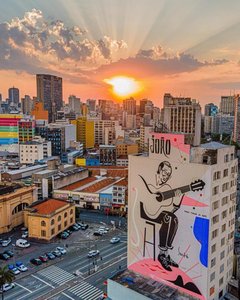 São Paulo Street Art
The Living Canvas: An Urban Odyssey through São Paulo To step into the realm of São Paulo Street Art is to abandon the quiet, climate-controlled sanctity of a traditional gallery and instead surrender to the rhythmic pulse of the metropolis itself. T...
The influence of texture is not confined to the hallowed halls of traditional museums; it is deeply rooted in the pulse of the modern metropolis. From the gritty, layered surfaces of São Paulo street art to the sleek, inflatable metal structures of contemporary designers like Oskar Zięta, the concept of materiality is everywhere. The urban aesthetic has always been about layers—the weathered concrete, the rusted steel, and the vibrant, overlapping murals that turn a city's skin into a living canvas. This "street" energy, characterized by raw emotion and unapologetic boldness, is precisely what is being imported into high-end interior design.
Integrating these tactile elements into modern living spaces allows for a seamless blend of industrial edge and sophisticated luxury. Using plaster relief to mimic the rhythmic, urban heartbeat of a city provides an anchor for contemporary decor. It brings a sense of raw emotion and monumental form to a room, much like the works of Thomas Houseago or the public installations found in major design hubs. By embracing these textures, designers can create spaces that feel grounded, authentic, and deeply connected to the vibrant, textured reality of modern culture.
The New Dimension: How to Curate 3D Masterpieces for Modern Living Spaces
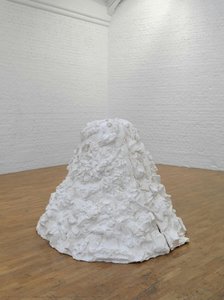 Thomas Houseago
Thomas Houseago: Sculptor of Raw Emotion and Monumental Form Thomas Houseago, born in Leeds, United Kingdom in 1972, is a British contemporary sculptor whose work explores themes of primal instinct, mythology, and the human condition with uncompromis...
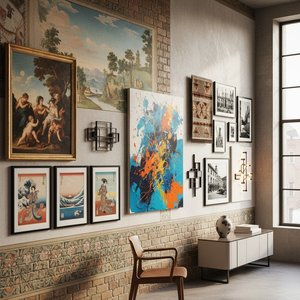
Curating a collection of 3D art requires a shift in perspective—from selecting images to selecting experiences. When choosing pieces for a wide wall or a grand staircase, the trend is moving toward multi-panel layouts and large-scale sculptural reliefs that can span multiple sections of a room. These works act as architectural features, much like a mural or a fresco, providing a cohesive, modern look that flows across the space. The goal is to create an environment where the art does not just hang on the wall but defines the very character of the architecture.
For those looking to elevate their space, the key is to balance the heavy, physical presence of relief work with the surrounding design elements. Whether it is a minimalist palette of cream and sand or a bold, high-impact color scheme, the artwork should serve as the soul of the room. As we look toward the future of art collection, the emphasis will undoubtedly remain on pieces that offer tactile elegance and physical presence. In a world of fleeting digital moments, investing in the permanent, textured, and three-dimensional is the ultimate way to ensure your space remains a testament to true, enduring craftsmanship.
At ArtsDot.com, we specialize in bringing this high-impact, bold contemporary vision to life. From vibrant street art-inspired pieces to heavy-textured, sculptural oil reproductions that capture every ridge and shadow, our mission is to make high-dimension art accessible to the modern professional. Whether you are looking for a custom "remix" of a classic or a large-scale multi-panel masterpiece, we provide the edge your space deserves.