The Great Wave is Just the Beginning: Reimagining the Ukiyo-e Aesthetic
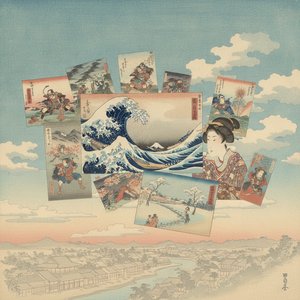
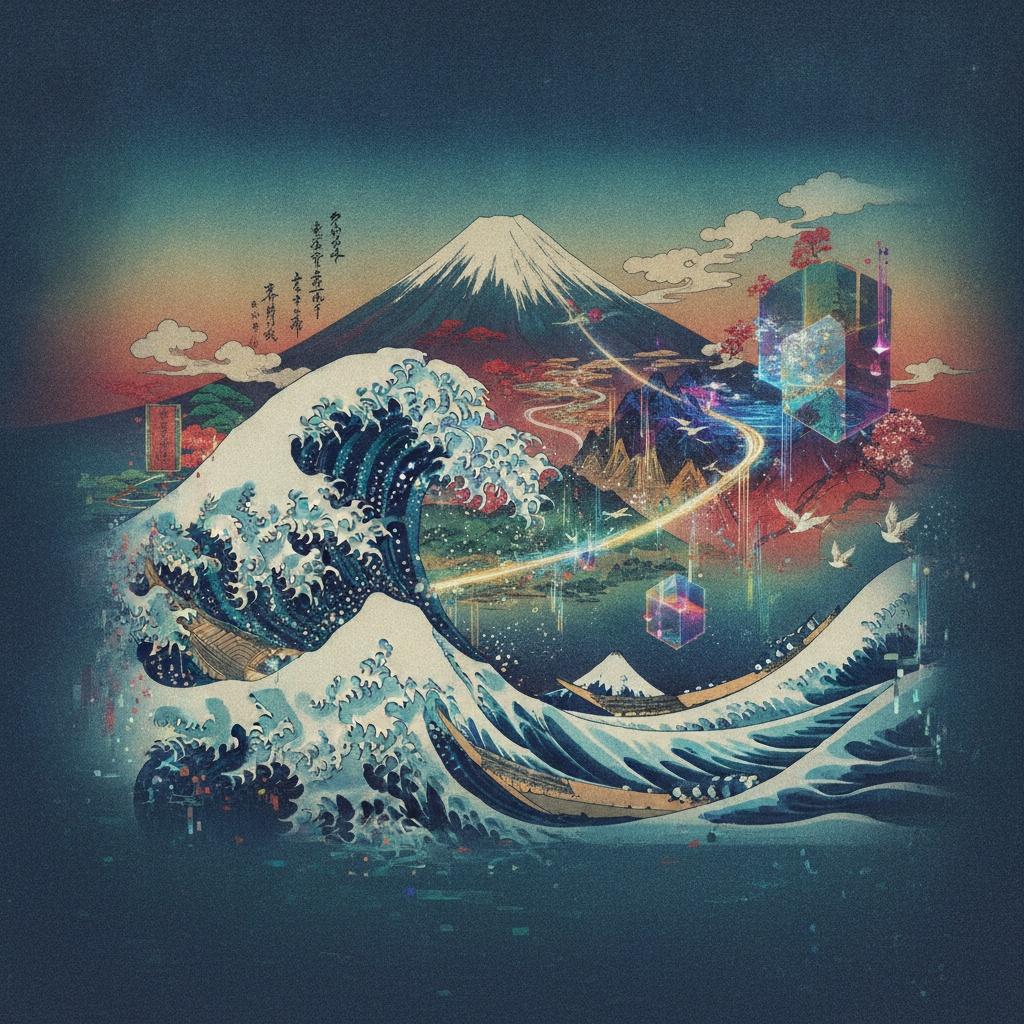
When most people think of Japanese art, a single image instantly floods the mind: the towering, claw-like crest of Katsushika Hokusai’s The Great Wave off Kanagawa. It is the ultimate viral moment of the 19th century, a piece of visual media so powerful it has been sampled, remixed, and memed across every digital platform imaginable. But to stop at the wave is to miss the entire movement. This iconic print is merely one frame in a much larger, high-energy cinematic experience known as Ukiyo-e—the "pictures of the floating world."
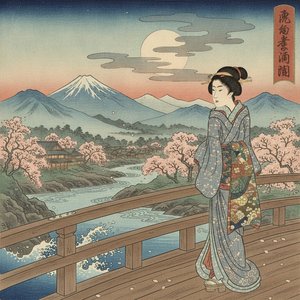
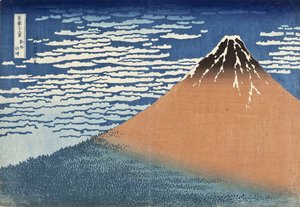
The term ukiyo itself captures a vibe that feels incredibly modern: it refers to the ephemeral, hedonistic, and transient nature of life. During the Edo period, a new class of urban dwellers—merchants, craftsmen, and trendsetters—began to celebrate the fleeting pleasures of the moment. This wasn't about heavy, somber religious icons; it was about the pulse of the city, the thrill of the theater, and the beauty of a changing landscape. The aesthetic is defined by bold, flat-line stylization, deep pigments, and a graphic punch that feels more at home in a contemporary streetwear lookbook than a dusty museum archive. It is an art form built on impact, designed to capture the eye and hold it through sheer visual force.
Vibrant Urban Energy: From Edo Street Scenes to Modern Pop Culture
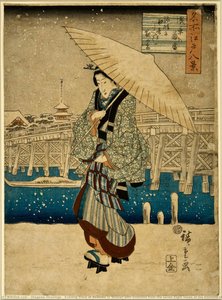
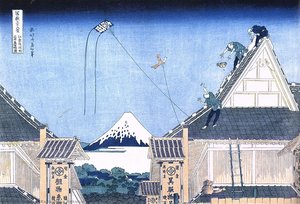
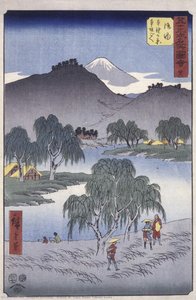
If Hokusai provided the drama, artists like Utagawa Sadahide provided the street photography. His work acted as a vivid documentary of the changing face of Edo (modern-day Tokyo), capturing the architectural evolution and the bustling energy of urban life. To look at these prints is to witness the birth of the modern metropolis. There is a rhythmic, almost kinetic quality to how these artists depicted movement—the flow of crowds, the tilt of a merchant’s stall, and the seasonal shifts that transformed the city's mood.
This obsession with urban pulse finds its way into our current visual language. The way Ukiyo-e masters utilized negative space and sharp silhouettes directly informs the DNA of modern graphic design and anime. We see it in the high-contrast outlines of contemporary illustration and the saturated color palettes used in digital concept art. The "floating world" was never static; it was a celebration of motion and the aesthetic of the now, making it the spiritual ancestor to today’s fast-paced, visually driven pop culture.
Beyond Landscapes: The High-Impact World of Kabuki and Warrior Prints
While landscapes offer serenity, the world of Ukiyo-e also contains an intense, high-octane side focused on celebrity and conflict. The Kabuki theater was the Hollywood of its era, and artists like Okumura Toshinobu and Fujiwara no Chikanobu were the ultimate paparazzi. Their prints featured hyper-stylized portraits of famous actors, capturing dramatic facial expressions and iconic costumes that radiated star power. These weren't just portraits; they were posters designed to hype up the next big performance.
For those seeking even more intensity, the genre of warrior prints brought a sense of epic scale and heroism to the medium. Artists like Nakamura Shūkō utilized senso-e (war prints) to depict the visceral reality of military victories with a cinematic flair. The compositions are often crowded, chaotic, and filled with an overwhelming sense of action, utilizing sharp angles and muscular forms to evoke a feeling of raw power. This tradition of capturing high-stakes drama is a direct precursor to the epic battle sequences we crave in modern cinema and gaming.
Color, Line, and Motion: The Graphic DNA of Japanese Woodblock Masters
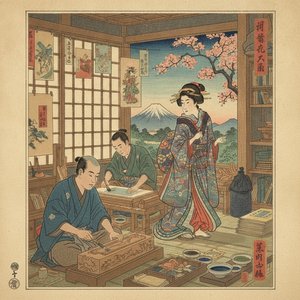
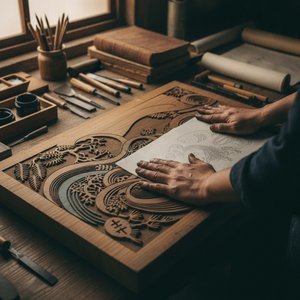
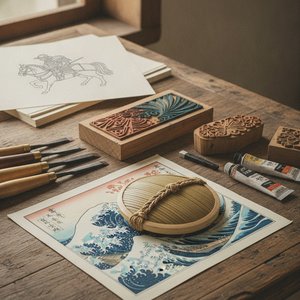
The technical brilliance of Ukiyo-e lies in its ability to achieve maximum impact with precision. The process of woodblock printing required an incredible level of coordination between the artist, the carver, and the printer. This collaboration resulted in a unique aesthetic characterized by bold, flat color planes and crisp, decisive lines. There is no muddy blending here; instead, there is a deliberate use of color to create depth and rhythm.
Innovations like Suzuki Harunobu’s development of nishiki-e (brocade prints) allowed for much more complex, multi-colored compositions, bringing a lush, luxurious feel to the medium. Artists also experimented with perspective, using uki-e techniques to create an illusion of depth that felt both immersive and stylized. This mastery of line and color creates a visual language that is incredibly legible even from a distance—a quality that makes these works so effective as high-impact decor in contemporary interior design.
Bringing the Floating World Home: Curating Bold Japanese Art for Modern Spaces
Integrating the spirit of Ukiyo-e into a modern home is about more than just hanging a print; it is about injecting a sense of movement and history into your personal space. For the design-conscious individual, these works offer a way to break away from the minimalism of monochrome palettes and introduce much-needed visual tension and character. Whether it is a large-scale landscape that serves as a focal point or a multi-panel set that wraps around a wide wall, the goal is to create a conversation between the past and the present.
When selecting pieces for your collection, consider the energy of your room. A vibrant, actor-focused print can add a layer of theatricality to an urban loft, while a serene landscape might provide a necessary moment of zen in a high-traffic workspace. The beauty of this art form is its versatility; it bridges the gap between historical reverence and contemporary edge. By bringing these "floating worlds" into your environment, you aren't just decorating—you are curating a legacy of visual impact that continues to resonate long after the first glance.
At ArtsDot.com, we specialize in making these legendary aesthetics accessible for the modern collector. Whether you are looking for a museum-quality reproduction of a Hokusai masterpiece or want to transform a personal photo into a high-impact work of art using our AI-driven customization tools, our mission is to bring the power of fine art into your home. From hand-painted oil recreations that capture every textured brushstroke to stunning, large-format prints for architectural statements, we provide the tools to help you define your space with bold, unforgettable imagery.