The Precipice of Change: Russia on the Brink in 1917
 Wikipedia: October Revolution
The October Revolution, also known as the Great October Socialist Revolution (in Soviet historiography), October coup, Bolshevik coup, or Bolshevik revolution, was the second of two revolutions in Russia in 1917. It was led by Vladimir Lenin's Bolshe...
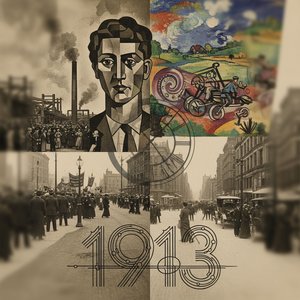
The year 1917 casts a long shadow across the landscape of modern history, not merely as a period of political upheaval but as a catalyst for profound artistic transformation. Russia, teetering on the edge of collapse under the weight of Tsarist autocracy and embroiled in the devastating First World War, became fertile ground for radical new ideas – and with them, a revolutionary aesthetic. The February Revolution promised liberation, yet it was merely a prelude to the October Revolution led by Lenin’s Bolsheviks, an event that would irrevocably alter the course of Russian society and its artistic expression. The old order crumbled, leaving in its wake a vacuum filled with utopian dreams, fierce ideological battles, and a desperate search for new forms to represent this dramatically altered reality. This wasn't simply a change of power; it was a rupture with tradition, a rejection of established norms that reverberated through every facet of Russian life, most visibly within the realm of art.
Avant-Garde Uprising: A New Visual Language for a New Era
 vera dmitrievna lotonina
Explore Vera Lotonina's vibrant textile art inspired by the Russian avant-garde & revolution. Bold colors, geometric designs, & iconic 'Fleet on the Sea' artwork.
The artistic ferment preceding 1917 had already laid the groundwork for revolution. Movements like Cubo-Futurism, with its fragmented forms and dynamic energy, challenged conventional perspectives and celebrated the speed and mechanization of the modern world. Artists sought to break free from representational constraints, exploring abstraction as a means of conveying pure emotion and spiritual truth. Figures such as Kazimir Malevich, with his groundbreaking Suprematism – epitomized by the iconic *Black Square* (1915) – pushed abstraction to its logical extreme, stripping away all recognizable forms in pursuit of a purely non-objective art. This wasn’t merely stylistic experimentation; it was a philosophical statement, a rejection of the material world and an embrace of pure feeling. Vera Lotonina, deeply influenced by this avant-garde spirit, translated these geometric principles into vibrant textile art, notably her striking depiction of ‘Fleet on the Sea,’ where bold colors and angular shapes captured the dynamism of a nation striving for change. Her work exemplifies how revolutionary ideals weren’t confined to canvas but permeated all artistic mediums.
Realism and Revolution: Art as Propaganda and Social Commentary
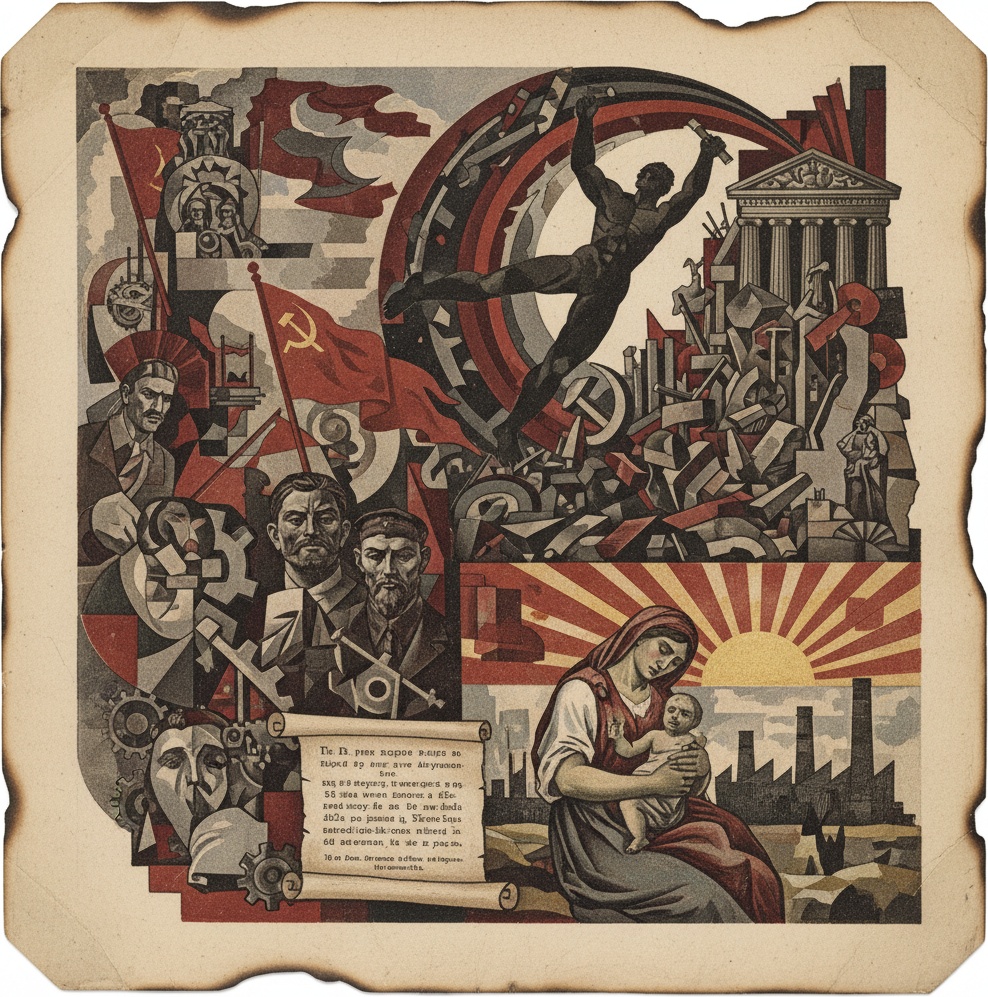
The Bolsheviks, seizing power in October, initially embraced avant-garde art as a symbol of their radical break with the past. However, this honeymoon period was short-lived. As the Civil War raged and the new regime consolidated its control, the need for accessible propaganda became paramount. Socialist Realism emerged as the dominant aesthetic, prioritizing depictions of idealized workers, heroic leaders, and scenes of collective labor. Artists like Aleksandr Deyneka captured the energy of industrialization in powerful paintings, though often with a romanticized lens. While some artists genuinely believed in the power of art to serve the revolution, others found themselves compelled to conform to the dictates of the state. This period saw a shift from abstract exploration to narrative clarity, from individual expression to collective messaging. The goal was no longer to challenge perceptions but to reinforce ideological principles and mobilize the masses.
Beyond Abstraction: Surrealist Visions of a Fractured World
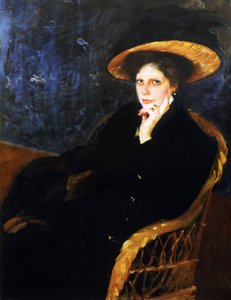
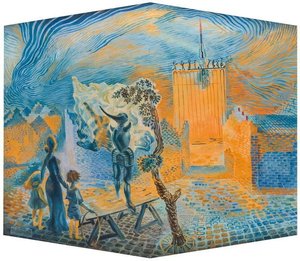 vladimir victorovich kibalchich rusakov
Discover Vladimir Vlady Rusakov’s unique surrealist & abstract expressionist paintings. Explore revolutionary themes & a Russian-Mexican legacy at ArtsDot.com!
While Socialist Realism gained prominence, a different strain of revolutionary art flourished in the margins – one characterized by dreamlike imagery and psychological depth. Vladimir Vlady Rusakov’s unique surrealist and abstract expressionist paintings offer a compelling example. His work, often imbued with a Russian-Mexican legacy, explored themes of alienation, trauma, and the subconscious anxieties of a society undergoing profound upheaval. Unlike the overt political messaging of Socialist Realism, Rusakov's art delved into the internal landscape of the individual, reflecting the fractured psyche of a nation grappling with violence and uncertainty. His paintings weren’t simply about *what* was happening in Russia; they were about *how* it felt to live through such tumultuous times. This introspective approach provided a counter-narrative to the official propaganda, offering a glimpse into the complexities and contradictions of the revolutionary experience.
The Suppression of Expression: Stalin's Impact on Artistic Freedom
By 1932, the avant-garde had been largely suppressed under Stalin’s regime. Socialist Realism became the only officially sanctioned artistic style, demanding conformity and rejecting any form of experimentation or individual expression deemed “formalist” or “decadent.” Artists who refused to comply faced censorship, persecution, and even exile. The exhibition held in Leningrad’s State Russian Museum in 1932 – a bittersweet moment marking both the culmination and the end of avant-garde art in Russia – showcased the diversity of artistic production before its forceful curtailment. The subsequent decades witnessed a stifling of creativity, as artists were forced to prioritize ideological correctness over personal vision. This period serves as a stark reminder of the fragility of artistic freedom and the dangers of totalitarian control.
Legacy of 1917: Enduring Themes in Modern and Contemporary Art
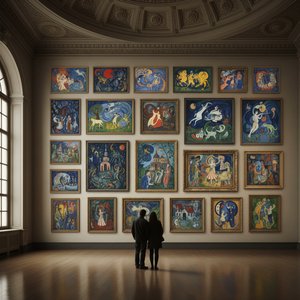 Marc Chagall's Masterpieces: 25 Paintings That Define a Dreamlike Vision | ArtsDot
Journey into the dreamlike world of Marc Chagall! Explore 25 iconic paintings, from 'I and the Village' to his vibrant surrealist masterpieces. Discover the stories & techniques behind these timeless artworks – find museum-quality Chagall reproductio...
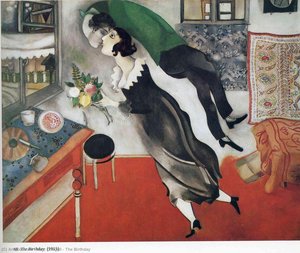
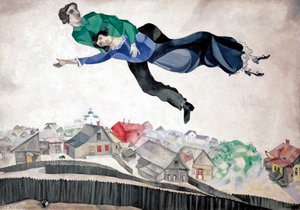
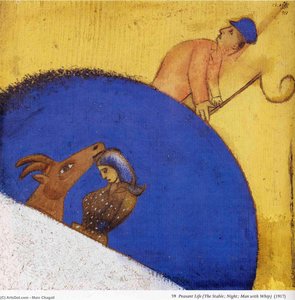
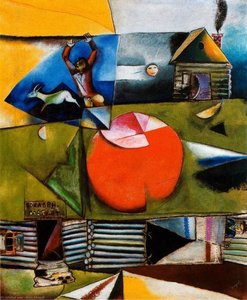
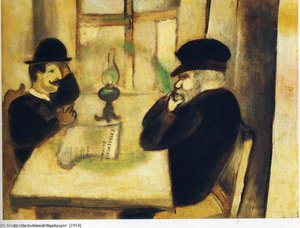
Despite the suppression of its most radical voices, the legacy of 1917 continues to resonate within modern and contemporary art. The avant-garde’s exploration of abstraction, geometric form, and non-objective representation profoundly influenced subsequent generations of artists worldwide. The themes of revolution, utopia, social justice, and the power of propaganda remain central concerns for artists today. Even Marc Chagall, whose dreamlike visions often transcended specific political contexts, captured the spirit of a society in flux – his vibrant compositions reflecting both the hope and the anxieties of a nation on the brink of transformation. The art born from the tumultuous year of 1917 serves as a powerful testament to the enduring human desire for change, the complexities of ideological struggle, and the transformative power of artistic expression. At ArtsDot.com, we strive to make these masterpieces accessible, allowing you to connect with the history and emotion embedded within each brushstroke.