The Life and Legacy of Édouard Cortès: From Spanish Roots to Parisian Poet
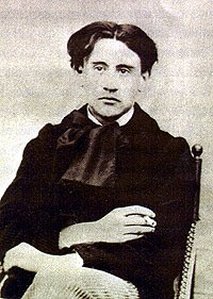 Edouard Cortès
Discover Edouard Cortès – the Parisian Poet of Painting! Explore his evocative cityscapes capturing Paris's unique atmosphere and daily life through vibrant, atmospheric art.
Édouard Léon Cortès, affectionately known as “Le Poète Parisien de la Peinture” – the Parisian Poet of Painting – occupies a unique space in art history. Born in 1882 in Lagny-sur-Marne, just outside Paris, his artistic journey wasn’t born from a vacuum but rather blossomed from a rich familial heritage steeped in artistry. His father, Antonio Cortés, was a painter who had previously served the Spanish Royal Court, instilling in young Édouard an early appreciation for technique and observation. However, Cortès would forge his own path, one deeply intertwined with the vibrant pulse of Parisian life. Unlike many artists drawn to grand historical narratives or allegorical themes, Cortès found his muse not in lofty ideals but in the everyday beauty of the city streets – a deliberate choice that would define his career.
While formally trained at the École des Beaux-Arts, Cortès quickly asserted his independence. He famously quipped he was “a student of himself only,” rejecting rigid academic constraints in favor of direct observation and personal expression. This spirit of self-reliance is palpable in his work; it’s a refusal to conform, a dedication to capturing Paris as *he* saw it, not as dictated by prevailing artistic trends. His early life wasn't without hardship; the shadow of war loomed large, compelling him to serve in the French Infantry during World War I despite his pacifist beliefs. Wounded in action and awarded the Croix de Guerre, this experience undoubtedly shaped his perspective, perhaps reinforcing a desire to focus on the enduring beauty of civilian life as a counterpoint to the horrors he witnessed.
Cortès's Artistic Style: A Blend of Impressionism, Post-Impressionism, and Unique Vision
Edouard Léon Cortès (1882–1969) was a French post-impressionist artist of French and Spanish ancestry. He is known as "Le Poete Parisien de la Peinture"
Defining Cortès’s style is a nuanced undertaking. He wasn’t strictly an Impressionist, though elements of that movement – particularly his focus on light and atmosphere – are undeniably present. Nor was he solely a Post-Impressionist; while he shared the latter's emphasis on subjective vision and emotional response, his work possesses a structural clarity often absent in more purely Post-Impressionistic paintings. Instead, Cortès cultivated a distinctive aesthetic that blended these influences with a touch of Realism, resulting in scenes that are both evocative and meticulously detailed.
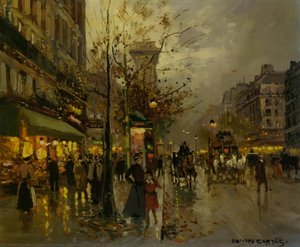
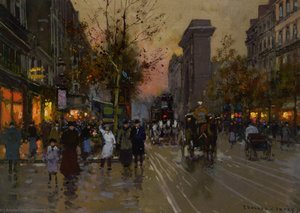
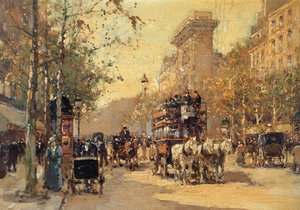
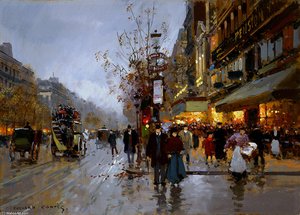
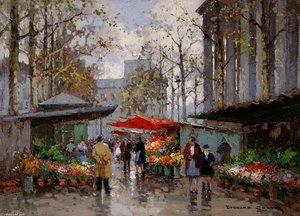
His brushwork is characterized by a lively energy, capturing the movement of carriages, pedestrians, and even the shifting light on wet cobblestones. He masterfully employed color to create mood and atmosphere, often favoring warm tones – golds, ochres, and browns – to evoke a sense of nostalgia and intimacy. However, he wasn’t afraid to use cooler hues to depict rainy days or winter scenes, demonstrating a remarkable versatility in his palette. The application of paint is rarely heavy; instead, Cortès favored thinner layers that allowed the canvas to breathe, contributing to the luminous quality so characteristic of his work.
Parisian Street Scenes: The Heart of Cortès’s Oeuvre – Iconic Locations and Atmospheric Detail
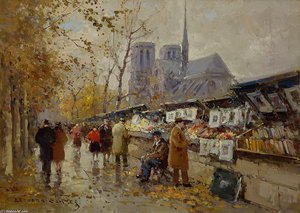 Bouquinistes de Notre Dame
Discover 'Bouquinistes de Notre Dame' by Édouard Cortès! A captivating post-Impressionist oil painting of a rainy Parisian market scene, showcasing urban charm & atmospheric detail.
Cortès's Paris isn’t a city of monuments and grand boulevards alone; it’s a city of intimate moments, bustling marketplaces, and quiet corners. He found beauty in the everyday—the rain-slicked streets of the Boulevard Magenta, the lively chatter around Place de la République, the charming shops lining narrow side streets. Paintings like “Bouquinistes de Notre Dame” perfectly encapsulate this sensibility, capturing the charm of the bookstalls along the Seine on a drizzly afternoon. The scene isn’t merely a depiction of a location; it's an evocation of a feeling – the cozy warmth of a rainy day, the scent of old books, the gentle murmur of conversation.
“Place de la Concorde” exemplifies his ability to capture winter’s atmospheric beauty. The plein air technique employed in this work allows for a remarkable sense of immediacy and realism; one can almost feel the chill in the air and see the snowflakes falling. Similarly, “St. Denis, Winter” showcases his talent for depicting street life with both energy and intimacy. These aren't idealized visions of Paris but rather honest portrayals of its everyday rhythms, capturing the city’s soul in all its complexity.
The Belle Époque Through Cortès’s Eyes: Capturing a Moment in Time
Cortès’s career flourished during the Belle Époque – a period often romanticized as a “Golden Age” of Parisian life. While acknowledging the underlying social inequalities, his paintings largely reflect the era's optimism and vibrancy. He captured the city at a pivotal moment—a time of technological innovation, artistic flourishing, and relative peace before the devastation of World War I. His scenes are filled with horse-drawn carriages, elegantly dressed pedestrians, and bustling cafes, all hallmarks of Belle Époque Parisian society.
The paintings offer a glimpse into a world on the cusp of change, a moment before the automobile replaced the carriage and modern architecture transformed the cityscape. Cortès wasn’t simply documenting these changes; he was celebrating a way of life, preserving it on canvas for future generations. The warmth and intimacy of his scenes stand in stark contrast to the anxieties and uncertainties that would soon grip Europe, making them all the more poignant.
Techniques and Materials: Unveiling the Craftsmanship Behind Cortès's Masterpieces
Cortès’s mastery wasn’t solely reliant on artistic vision; it was also rooted in a deep understanding of technique and materials. He consistently worked with high-quality oil paints, favoring a palette that allowed for rich color saturation and subtle gradations of tone. His canvases were typically prepared with meticulous care, ensuring a smooth surface that would allow for precise brushwork.
The process of creating a Cortès painting was deliberate and methodical. He began with sketches, carefully outlining the composition before applying layers of paint. These layers weren’t applied haphazardly; instead, he built up color gradually, allowing each layer to dry before adding the next. This technique created depth and luminosity, giving his paintings a remarkable sense of realism. He often worked *en plein air*, capturing the fleeting effects of light and atmosphere directly from nature. Before shipping, Cortès would personally review each painting, ensuring it met his exacting standards.
Collecting Cortès Today: Value, Authenticity, and Enduring Appeal
Today, Édouard Cortès’s paintings are highly sought after by collectors worldwide. His work represents not only a beautiful depiction of Paris but also a tangible connection to a bygone era. The value of a Cortès painting depends on several factors, including size, subject matter, condition, and provenance. Iconic scenes like those featuring Notre Dame or the Champs-Élysées typically command higher prices.
Authenticity is paramount when collecting Cortès’s work. Given his popularity, forgeries are unfortunately common. It's crucial to purchase from reputable dealers who can provide documentation of provenance and guarantee the painting’s authenticity. At ArtsDot.com, we offer a curated selection of high-quality reproductions of Édouard Cortès’s masterpieces, allowing you to experience the beauty of his work firsthand. Whether you're a seasoned collector or simply an admirer of Parisian art, Cortès’s paintings continue to captivate and inspire, offering a timeless glimpse into the soul of the City of Light.