The Pastoral Ideal: Origins and Evolution
The pastoral genre of literature, art, or music depicts an idealised form of the shepherd's lifestyle – herding livestock around open areas of land according to the seasons and the changing availability of water and pasture. The target audience is t...
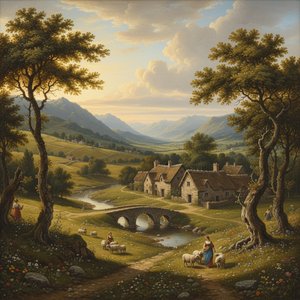
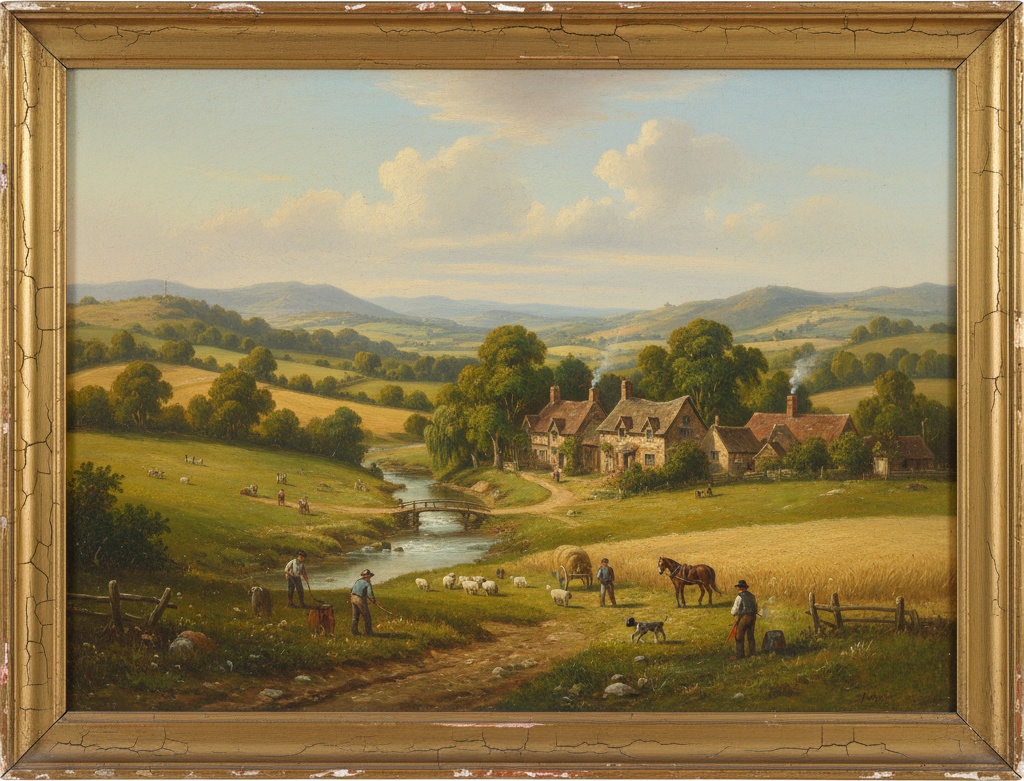
For centuries, the countryside has held a potent allure for artists – not merely as a subject to be replicated, but as an embodiment of tranquility, simplicity, and harmony. This fascination isn’t simply about depicting rolling hills or grazing livestock; it's rooted in a deep-seated human longing for a more idyllic existence, a concept first formalized by the pastoral genre. Emerging in classical literature with poets like Theocritus and Virgil, the pastoral presented an idealized vision of rural life, populated by shepherds and nymphs leading uncomplicated lives close to nature. This wasn’t necessarily about realism; rather, it was a carefully constructed fantasy, often employed as a counterpoint to the complexities and perceived corruptions of urban society. Early examples in painting, though less common than literary depictions, began to emerge during the Renaissance, subtly incorporating elements of this classical ideal into religious scenes or mythological narratives. The true flowering of pastoral imagery, however, would await later centuries, fueled by evolving artistic techniques and a growing appreciation for the natural world.
Impressionism's Embrace of the Countryside
 Impressionism: A Revolution of Light & Color That Changed Art History
Explore the revolutionary world of Impressionism! Discover its history, key artists like Monet & Renoir, defining techniques, and lasting impact on modern art. A comprehensive guide for art lovers.
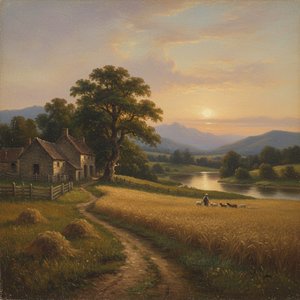
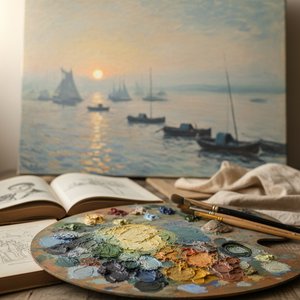
The 19th century witnessed a seismic shift in how artists approached landscape painting, largely thanks to the rise of Impressionism. Rejecting the rigid academic standards that favored historical or mythological subjects, artists like Claude Monet, Pierre-Auguste Renoir, and Alfred Sisley turned their attention outwards, seeking to capture the fleeting beauty of everyday life – and frequently, that meant the countryside. Unlike earlier depictions which often aimed for meticulous detail, Impressionists prioritized capturing the *sensation* of a scene: the play of light on water, the shifting colors of foliage, the atmospheric effects of mist or rain. Albert Henry Krehbiel’s “Rural Landscape” (1913) exemplifies this approach beautifully; loose brushstrokes and an emphasis on atmospheric light evoke not just a place, but a feeling – a sense of peaceful contemplation. This wasn't about precise representation, but about conveying the artist’s subjective experience of being *in* nature. The development of portable paints allowed artists to work ‘en plein air,’ directly observing and responding to the changing conditions before them, further enhancing this immediacy.
Macchiaioli Landscapes: Italy’s Rural Vision
 Mist. Landscape with Cows.
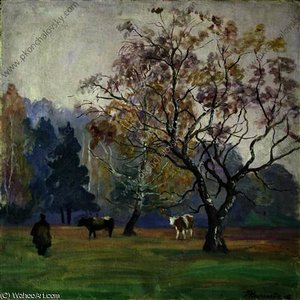
Discover 'Mist. Landscape with Cows' by Pyotr Konchalovsky (1934). A melancholic Impressionist landscape featuring cattle & a solitary figure. Oil on canvas, evocative atmosphere.
While France is often synonymous with Impressionism, a parallel movement was unfolding in Italy – the Macchiaioli. Emerging in Tuscany in the mid-19th century, these artists shared many of the same goals as their French counterparts: a rejection of academic conventions and a focus on capturing light and atmosphere. However, the Macchiaioli had a distinctively Italian sensibility, often depicting scenes of rural labor and everyday life with a gritty realism that set them apart. Niccolò Cannicci’s work, for example, frequently portrays the intersection between industrial progress and traditional pastoral life, offering a nuanced view of a changing landscape. Pyotr Konchalovsky's “Mist. Landscape with Cows” (1934), though later in date, shares this melancholic sensibility – a quiet observation of rural existence imbued with a sense of solitude and atmosphere. The Macchiaioli’s use of ‘macchie,’ or patches of color, created a vibrant, almost mosaic-like effect that prefigured some aspects of Fauvism.
Claude Lorrain and the Arcadian Dream
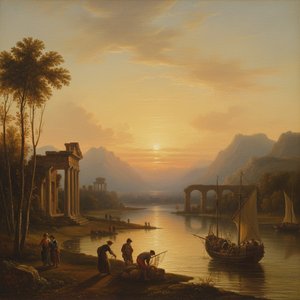
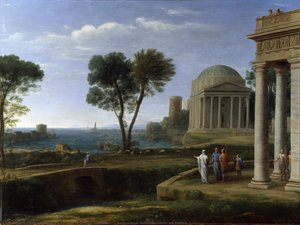
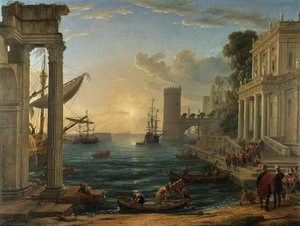
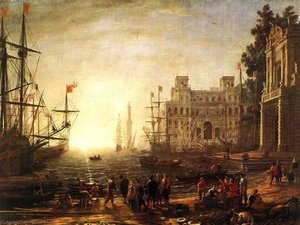
To understand the enduring appeal of rural landscapes, one must look to Claude Lorrain (Claude Gellée). A master of classical landscape painting in the 17th century, Lorrain didn’t simply depict the Roman countryside; he *idealized* it. His paintings are often bathed in a golden light, populated by figures engaged in leisurely activities, and imbued with a sense of timeless serenity. “Pastoral Landscape: The Roman Campagna” is a prime example – the hazy atmosphere, lyrical shadows, and carefully composed elements create a vision of Arcadia, a utopian world based on ancient poetry. Lorrain’s influence on subsequent generations of landscape painters cannot be overstated; his compositions became archetypal, shaping our very perception of what a ‘beautiful’ countryside should look like. He wasn't merely recording a scene but constructing an emotional experience.
Finding Serenity: The Enduring Appeal of Landscape Art
The continued popularity of landscape art speaks to a fundamental human need for connection with nature and a desire for tranquility in an increasingly chaotic world. Whether it’s the vibrant brushstrokes of an Impressionist meadow, the quiet realism of a Macchiaioli field, or the idealized serenity of a Lorrain vista, these paintings offer us more than just visual pleasure; they provide a refuge from the stresses of modern life. Nature's Embrace: Finding Serenity Through Landscape Art explores this very theme, highlighting how artists throughout history have used landscape to evoke feelings of peace and contemplation. The power lies in their ability to transport us – to allow us to momentarily escape our own realities and immerse ourselves in a world of beauty and harmony.
Collecting Rural Scenes: Building Your Own Evocation
Building a collection centered around rural scenes is about more than simply acquiring aesthetically pleasing images; it’s about curating a personal sanctuary, a visual representation of your own longing for peace and connection with nature. Consider the different styles and periods that resonate with you – do you prefer the vibrant energy of Impressionism, the gritty realism of the Macchiaioli, or the idealized serenity of Claude Lorrain? Artists like James Charles and Sir John Alfred Arnesby Brown offer charming depictions of rural England, while others capture the beauty of landscapes across Europe. At ArtsDot, we specialize in handmade oil paintings and museum-quality prints, allowing you to bring these timeless masterpieces into your own home. Our commitment to quality ensures that each reproduction is a faithful representation of the original artwork, capturing not just the image but also the artist’s unique style and technique. Explore our extensive collection today and begin building your own personal evocation of rural life.