The Venetian Legacy: Guardi’s Place in a Rich Artistic Tradition
 Wikipedia: Francesco Guardi
Francesco Lazzaro Guardi (Italian pronunciation: [franˈtʃesko ˈgwardi]; 5 October 1712 – 1 January 1793) was an Italian painter, nobleman, and a member of the Venetian School. He is considered to be among the last practitioners, along with his brothe...
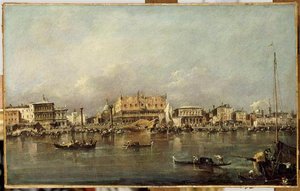
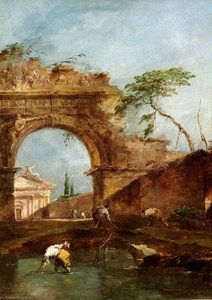
Francesco Guardi, though often overshadowed by his more celebrated contemporary Canaletto, occupies a pivotal position within the illustrious history of Venetian painting. To understand Guardi is to understand Venice itself – a city built on water, light, and an enduring spirit of artistic innovation. The 18th century witnessed a flourishing of *vedute*, or cityscape views, catering to the Grand Tour’s insatiable appetite for picturesque souvenirs. However, Guardi wasn't merely replicating what he saw; he was interpreting it through a uniquely sensitive lens, capturing not just architectural precision but also the ephemeral qualities of atmosphere and emotion. His lineage – part of a prominent family of painters – steeped him in the traditions of Venetian colorism, prioritizing vibrant hues and loose brushwork over meticulous detail, a legacy inherited from masters like Titian and Veronese. This familial artistic foundation provided a springboard for Guardi’s own distinctive style, one that would ultimately bridge the gap between the Rococo exuberance of his early career and the emerging Neoclassical sensibilities.
From Rococo Flourishes to Atmospheric Realism: An Evolving Style
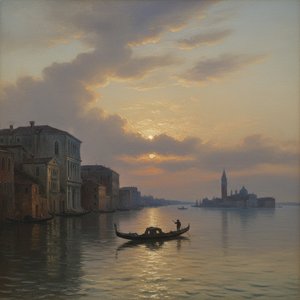
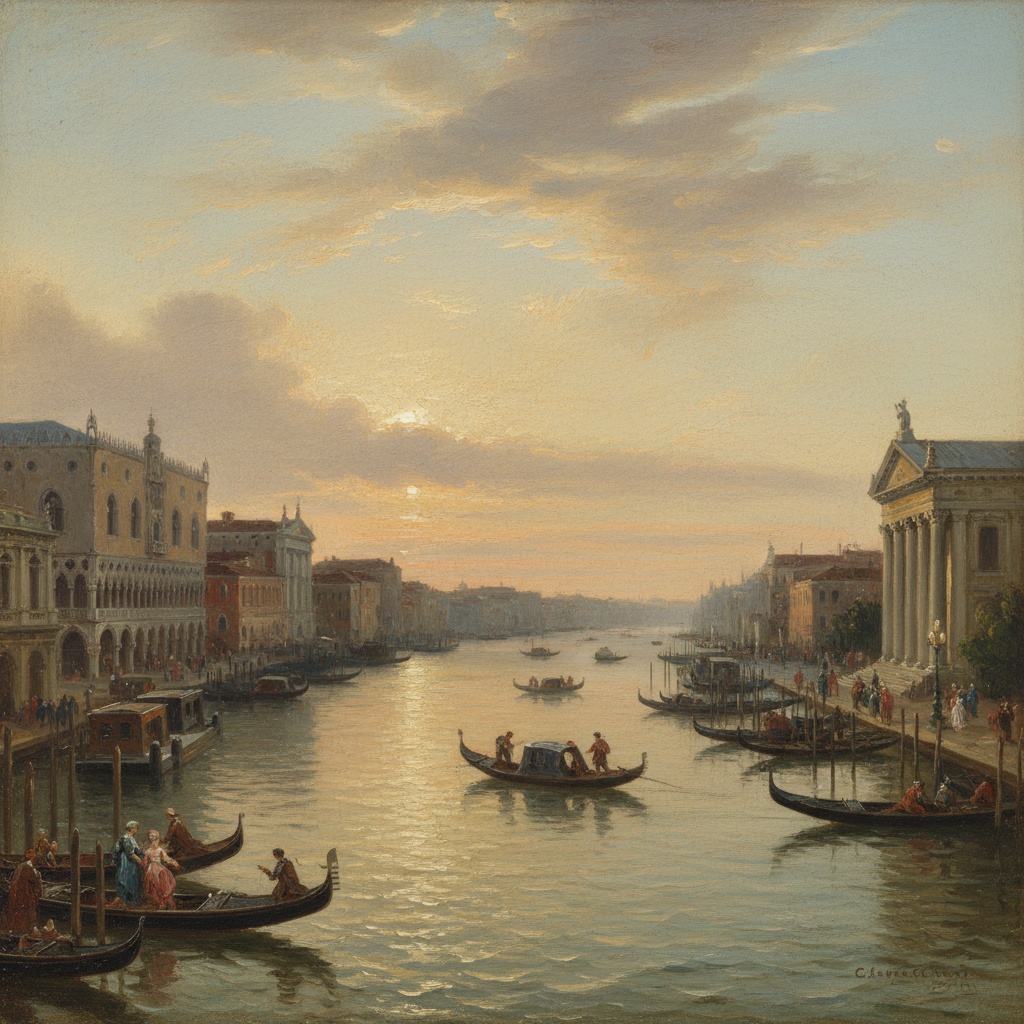
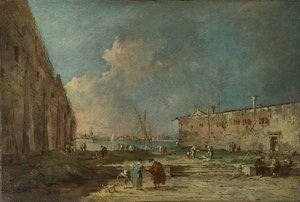 A View near Venice ( )
Discover Francesco Guardi’s ‘A View near Venice’ (1775). Captivating Venetian canal scene in a loose Rococo style. Oil on canvas, atmospheric & serene – a unique art piece.
Guardi's artistic journey wasn’t a sudden leap but rather a graceful evolution. His initial works, often collaborative efforts with his brother Gian Antonio, reveal a clear adherence to the prevailing Rococo aesthetic – delicate compositions, pastel palettes, and an emphasis on decorative elegance. However, even in these early pieces, hints of individuality emerge: a subtle play of light, a heightened sense of spatial depth. Following his brother’s death in 1760, Guardi embarked on a period of intense experimentation with *vedute*. While initially influenced by Canaletto's precise renderings, he quickly diverged, embracing a looser, more spontaneous approach. He traded architectural rigidity for an expressive freedom, allowing brushstrokes to become visible and atmosphere to take precedence over exact representation. This shift wasn’t simply a matter of technique; it reflected a deeper philosophical inclination towards capturing the *feeling* of Venice rather than merely its appearance. Paintings like ‘A View near Venice’ (1775) exemplify this transition, showcasing a captivating canal scene rendered with a fluidity and serenity that Canaletto rarely achieved.
Mastering Vedute: Capturing the Essence of Venice on Canvas
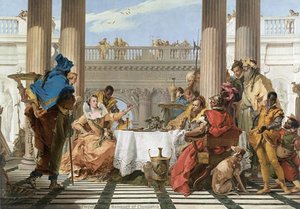
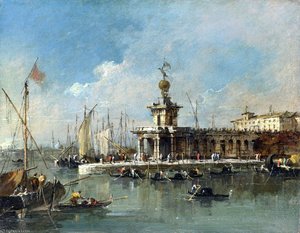 The Punta della Dogana
Discover Francesco Guardi’s ‘The Punta della Dogana,’ a captivating 18th-century Venetian landscape painting. Explore its Rococo style, vibrant canals & atmospheric realism – a timeless masterpiece!
The art of *vedute* demanded more than just technical skill; it required an intimate understanding of light, perspective, and the subtle nuances of urban life. Guardi excelled in all these areas. He wasn’t content to simply document landmarks; he sought to convey the bustling energy of the canals, the shimmering reflections on the water, and the interplay of shadows across palatial facades. His technique was remarkably innovative for its time. Unlike Canaletto's meticulous layering, Guardi employed a *pittura di tocco* – a “touch painting” style characterized by small, spirited brushstrokes that created a sense of movement and vibrancy. This approach allowed him to capture the fleeting effects of light and weather with unparalleled sensitivity. He often worked directly from nature, sketching rapidly to seize the ephemeral qualities of a scene before translating them onto canvas in his studio. The result is not photographic realism but rather an evocative impression – a distillation of Venice’s unique atmosphere.
The Doge's Feasts and Civic Celebrations: Guardi as Chronicler of Venetian Life
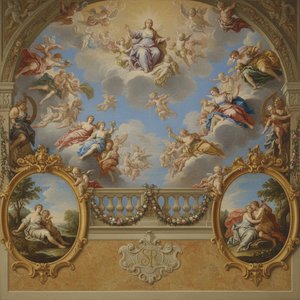
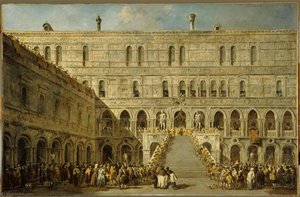
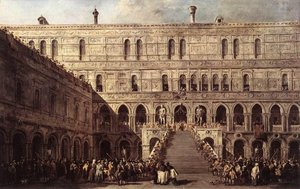 The Coronation of the Doge
Witness 'The Coronation of the Doge,' a stunning Rococo masterpiece by Francesco Guardi. Explore this Renaissance scene of Venetian opulence & grandeur – perfect for art collectors.
Perhaps the most significant commission of Guardi’s career was the series of twelve canvases depicting the ‘Doge's Feasts,’ celebrating the 1763 election of Alvise IV Mocenigo. These monumental works offer a fascinating glimpse into the opulent rituals and civic pride of 18th-century Venice. More than just portraits of dignitaries, these paintings are vibrant narratives teeming with life and detail. Guardi masterfully captured the grandeur of St. Mark’s Square, the elaborate costumes of the Venetian elite, and the sheer spectacle of these public celebrations. The series demonstrates his ability to seamlessly blend architectural precision with dynamic figure compositions, creating scenes that are both historically informative and visually arresting. ‘The Coronation of the Doge,’ a stunning example from this cycle, showcases Guardi’s Rococo mastery – intricate details, rich colors, and a palpable sense of Venetian opulence. These paintings weren't simply decorative commissions; they were statements of civic identity, meticulously crafted to celebrate the power and prestige of the Republic.
Guardi’s Influence and Rediscovery: A Precursor to Impressionism
Despite achieving considerable success during his lifetime, Guardi’s reputation waned in the decades following his death. His looser style was often dismissed as lacking the precision of Canaletto, and his works fell out of favor with a public increasingly drawn to Neoclassical formality. However, in the late 19th century, Guardi experienced a remarkable rediscovery – championed by artists like the Impressionists who recognized his pioneering approach to light and atmosphere. Monet, Renoir, and Degas were all deeply influenced by Guardi’s expressive brushwork and his ability to capture fleeting moments of beauty. They saw in him a kindred spirit – an artist who prioritized sensation over strict representation, paving the way for modern painting. His emphasis on *plein air* sketching and his rejection of academic conventions resonated with the Impressionists' own artistic goals. Today, Guardi is rightfully recognized as a pivotal figure in the history of art – a bridge between the Rococo exuberance of the 18th century and the innovative spirit of the modern era.
Collecting Guardi Today: Investment, Appreciation & Provenance
Investing in a Francesco Guardi painting is not merely acquiring an artwork; it’s owning a piece of Venetian history. His works are increasingly sought after by collectors worldwide, driven by both their aesthetic beauty and their historical significance. The market for Guardi paintings remains strong, with prices reflecting the rarity and quality of individual pieces. When considering a purchase, provenance is paramount – establishing the painting's documented ownership history adds to its value and authenticity. Furthermore, understanding Guardi’s stylistic evolution is crucial; works from his mature period, characterized by his signature *pittura di tocco* and atmospheric realism, command the highest prices. ArtsDot offers a curated selection of high-quality reproductions of Guardi's masterpieces, allowing art enthusiasts to experience the beauty and elegance of Venetian painting firsthand. Whether you’re a seasoned collector or simply beginning your artistic journey, exploring the world of Francesco Guardi is an enriching and rewarding endeavor. For those seeking original works, consulting with reputable art dealers and auction houses is essential. The enduring appeal of Guardi lies in his ability to capture not just the physical beauty of Venice but also its soul – a quality that continues to captivate audiences centuries later.