The Dawn of Collecting: Cabinets of Curiosities and Early Encyclopedic Ambitions
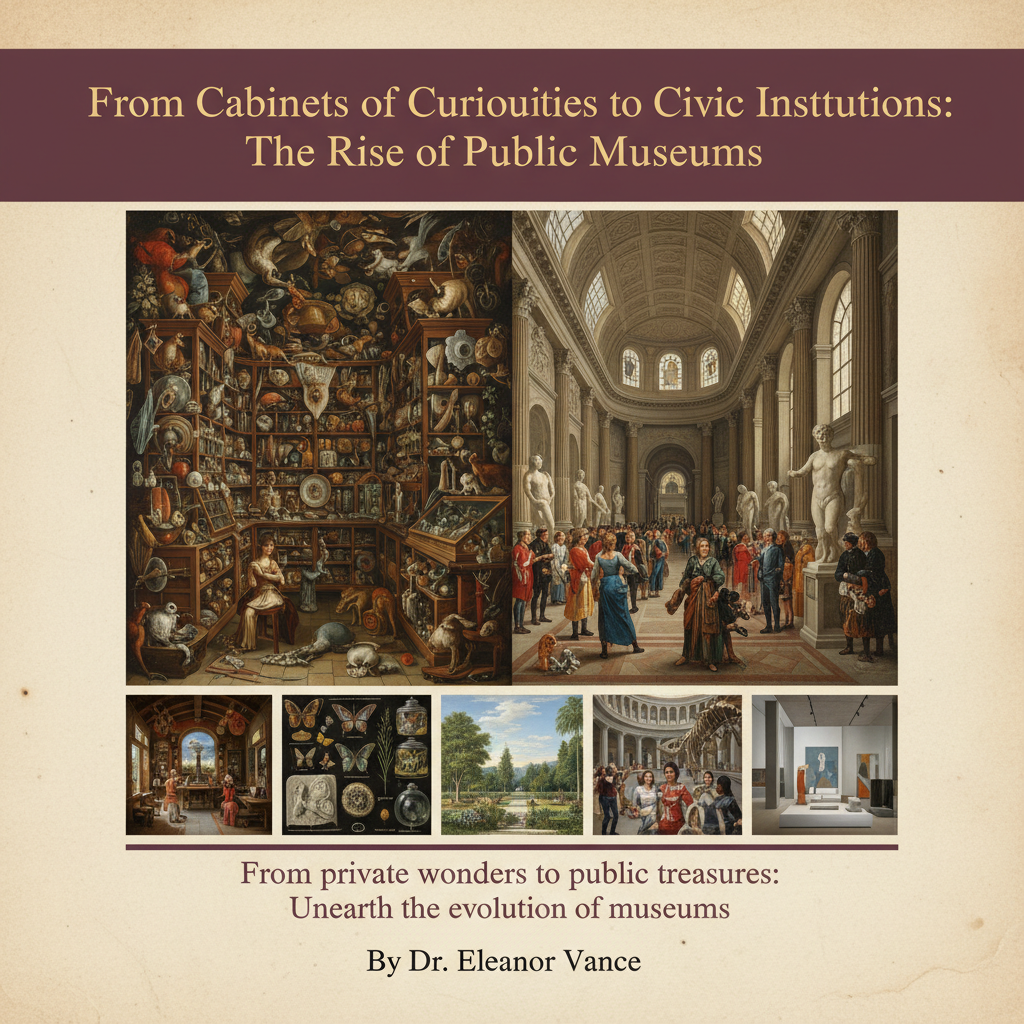
Before the grand halls and expansive galleries we associate with modern museums, there existed a more intimate form of collecting – the cabinet of curiosities. These private collections, also known as Wunderkammern (German for “wonder rooms”), flourished during the Renaissance and Baroque periods. They weren't simply repositories of beautiful objects; they were attempts to encapsulate the entirety of human knowledge within a single space. Originating from the humanist ideals of the era, cabinets showcased a diverse array of items: natural history specimens (shells, minerals, fossils), ethnographic artifacts, scientific instruments, artworks, and antiquities. The goal was not merely display but also classification and interpretation – early attempts at organizing the world through tangible objects. Prominent collectors like Hans Sloane, whose collection formed the basis of the British Museum, exemplified this spirit of intellectual curiosity and encyclopedic ambition. These collections were often displayed in specially designed rooms within noble homes, serving as both a source of personal pride and a venue for learned discussions among elite circles.
From Private Realms to Public Spaces: The Enlightenment and the Seeds of Change
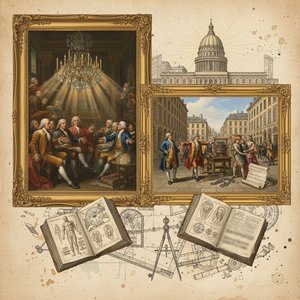
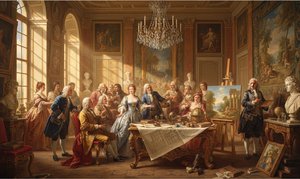
The 18th century, marked by the Enlightenment’s emphasis on reason, knowledge dissemination, and public utility, began to challenge the exclusivity of private collections. Thinkers like Denis Diderot and Jean le Rond d'Alembert, with their monumental *Encyclopédie*, championed a broader access to information and learning. This intellectual climate fostered a growing recognition that these vast repositories of knowledge could serve a greater purpose than mere personal enjoyment. The concept of the “useful” museum began to emerge – institutions dedicated not only to displaying objects but also to educating the public and advancing scientific understanding. Early examples, while still often supported by aristocratic patronage, started to incorporate elements of accessibility, with limited opening hours for scholars and select members of the community. The shift was gradual, but the seeds of a more publicly oriented museum were firmly planted during this period.
Revolution and Reform: How Political Shifts Shaped Museum Development
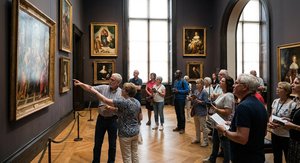
The French Revolution proved a pivotal moment in the history of museums. The upheaval dramatically altered ownership patterns, as royal and ecclesiastical collections – previously inaccessible to most – were nationalized and declared property of the people. The opening of the Louvre Palace as a public museum in 1793 was not merely an act of transferring artworks; it symbolized the triumph of revolutionary ideals—liberty, equality, and fraternity—and established a precedent for state-supported cultural institutions. This model quickly spread across Europe, with similar reforms occurring in other nations following their own revolutions or periods of significant political change. The rise of nation-states further fueled this trend, as museums became powerful tools for constructing national identity and promoting civic virtue through the display of shared heritage and artistic achievements.
The Rise of National Museums: Identity, Education, and Civic Pride
The 19th century witnessed an explosion in the creation of national museums across Europe and beyond. These institutions were often conceived as cornerstones of national identity, showcasing a nation’s history, art, and cultural accomplishments to foster patriotism and social cohesion. Museums became integral parts of educational systems, providing accessible learning resources for citizens of all backgrounds. The British Museum, the Louvre, and similar institutions expanded dramatically, acquiring vast collections through exploration, purchase, and sometimes controversial acquisition from colonial territories. The focus shifted towards systematic organization and display, with an increasing emphasis on scientific classification and scholarly research alongside public engagement. These museums were not simply repositories of artifacts; they were active agents in shaping national narratives and promoting a sense of shared cultural heritage.
Legacy and Evolution: Tracing the Enduring Impact of Early Public Museums
The early public museums laid the foundation for the modern museum landscape we know today. Their emphasis on accessibility, education, and civic engagement continues to shape museum practices worldwide. While contemporary museums grapple with issues of decolonization, representation, and relevance in a rapidly changing world, their roots remain firmly grounded in the Enlightenment ideals that spurred their creation. The legacy of the cabinet of curiosities—the spirit of intellectual curiosity and encyclopedic ambition—lives on in specialized collections and exhibitions that seek to explore complex themes and connect diverse fields of knowledge. The evolution from private wonder rooms to public institutions reflects a profound shift in societal values, underscoring the enduring power of museums as spaces for learning, inspiration, and cultural exchange.