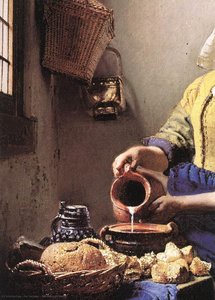
The Rise of Genre Painting: Beyond History & Myth
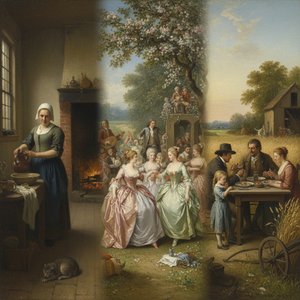 Scenes of Daily Life: A Comprehensive Exploration of Genre Painting Through History
Explore the rich history of genre painting! Discover Dutch Masters & European artists who captured everyday life with stunning realism. Learn about symbolism, techniques & lasting influence.
For centuries, the grand narratives of history, mythology, and religion dominated the artistic landscape. Paintings were commissioned to celebrate power, depict divine intervention, or immortalize heroic deeds. But a subtle shift began in the 17th century, a quiet revolution that turned the artist’s gaze inward, towards the seemingly mundane realities of everyday life. This was the rise of genre painting – a category initially considered ‘lower’ than its more esteemed counterparts, yet one that would profoundly shape our understanding of art and society. It wasn't about kings or gods; it was about us, in all our ordinary complexity. The appeal lay not in spectacle but in recognition, in the shared human experience reflected on canvas.
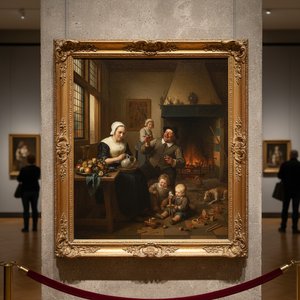
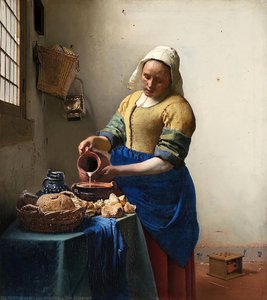
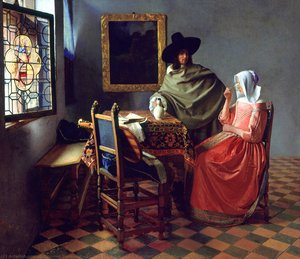
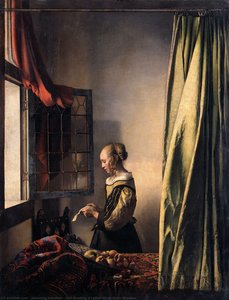
Early examples weren’t entirely absent – medieval manuscripts often illustrated scenes of peasant life, and Renaissance artists occasionally depicted domestic interiors as backdrops to religious stories. However, it was in Northern Europe, particularly in the Dutch Republic, that genre painting truly flourished. The burgeoning merchant class, with its newfound wealth and emphasis on personal comfort, sought art that reflected their own lives – not idealized portraits or biblical epics, but scenes of bustling markets, cozy kitchens, and intimate family moments. This demand fueled a remarkable period of artistic innovation, giving rise to masters like Johannes Vermeer and Pieter de Hooch, whose works captured the subtle nuances of light, texture, and human emotion with breathtaking realism.
Dutch Golden Age Interiors: A Window into Daily Life
 Guitar player
Discover Johannes Vermeer's 'Guitar Player,' a masterful Dutch Golden Age painting capturing intimate musical serenity with exquisite realism, warm tones, and detailed textures. Perfect for art collectors.
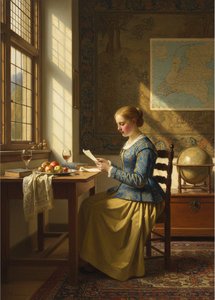
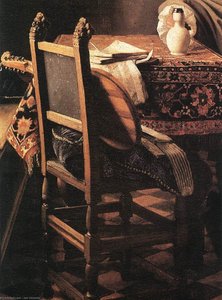
The Dutch Golden Age (roughly the 17th century) witnessed an explosion of genre painting unlike any seen before. Artists weren’t merely recording what they saw; they were meticulously crafting narratives within the confines of domestic space. Johannes Vermeer's “Guitar Player” exemplifies this perfectly. It isn’t simply a depiction of a woman playing music; it’s an exploration of intimacy, serenity, and the quiet beauty of everyday life. The warm tones, detailed textures, and masterful use of light create a sense of palpable presence, inviting us into the scene as silent observers.
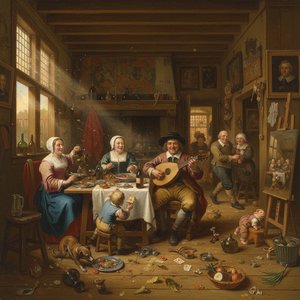
Beyond Vermeer, artists like Dirck van Rijswijck specialized in intimate kitchen scenes, capturing the hustle and bustle of domestic labor. These paintings weren’t just about depicting work; they were also about showcasing the prosperity and orderliness of Dutch households. The gleaming copper pots, carefully arranged food displays, and attentive servants spoke to a society that valued cleanliness, efficiency, and material comfort. The symbolism embedded within these scenes is often subtle but profound – a half-peeled lemon representing transience, a spilled glass hinting at temptation or excess. These weren’t just pretty pictures; they were visual commentaries on the values and anxieties of the time.
Victorian Domesticity: Sentiment, Status, and the Home
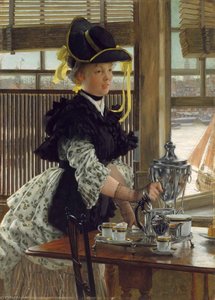 Tea
TeaTissot's 'Tea' captures Victorian elegance with meticulous detail. This 1872 oil painting showcases refined society and domestic life, highlighting fashion & interior design.
Fast forward to the Victorian era (1837-1901), and we find a renewed interest in domestic life, albeit one filtered through a different lens. The Industrial Revolution had dramatically altered society, creating a new middle class eager to display its status and respectability. The home became a sanctuary – a haven from the grime and chaos of the industrial world, and a symbol of moral virtue.
Edward King Redmore, along with artists like Edward Charles Barnes, captured this Victorian sensibility in charming genre scenes depicting cozy interiors, family gatherings, and sentimental moments. These paintings often idealized domestic life, portraying happy families, attentive mothers, and well-behaved children. Tea by Jacques-Joseph Tissot is a prime example – showcasing refined society and highlighting fashion & interior design with meticulous detail. The emphasis was on order, decorum, and the celebration of domestic tranquility. However, beneath the surface of these idyllic scenes often lay anxieties about social mobility, gender roles, and the pressures of maintaining appearances.
Symbolism in the Stillness: Decoding Everyday Objects
Throughout both the Dutch Golden Age and Victorian periods, artists employed a rich language of symbolism to imbue their genre paintings with deeper meaning. A seemingly innocuous object could carry layers of significance, adding complexity and nuance to the narrative. For example, flowers were often used to represent specific virtues – lilies symbolizing purity, roses representing love, and sunflowers signifying adoration. Fruits could signify temptation or abundance, while musical instruments might allude to harmony or discord.
Even the arrangement of objects within a composition could be symbolic. A cluttered table might suggest chaos or disorder, while a carefully arranged still life could represent order and prosperity. Artists often drew upon popular emblem books – collections of images and texts that assigned specific meanings to various symbols – further enriching their paintings with hidden layers of interpretation. Understanding these visual cues allows us to appreciate the depth and complexity of genre painting beyond its surface realism.
From Renaissance to Impressionism: Evolving Representations of the Interior Space
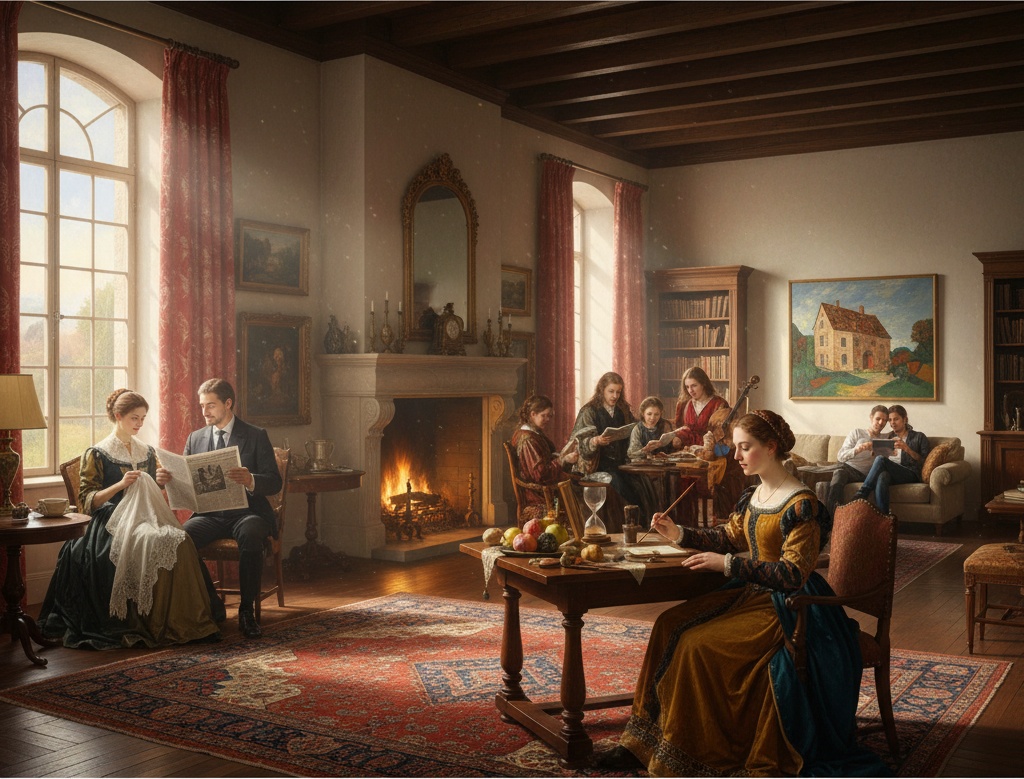
The evolution of domestic life in art isn’t confined to a single period or style. From the Renaissance, where interiors often served as backdrops for religious narratives, to the Impressionists' exploration of light and atmosphere within domestic spaces, artists have continually sought new ways to represent the home. Pierre Duval le Camus, working in the 19th century, meticulously depicted the lives and customs of middle-class France, focusing on everyday activities with a keen eye for detail.
As art movements shifted, so too did the representation of domesticity. The Impressionists, like Berthe Morisot, moved away from detailed realism towards capturing fleeting moments and subjective impressions. Their paintings often depicted intimate scenes of family life, bathed in soft light and vibrant color. This shift reflected a broader cultural interest in psychology, emotion, and the individual experience. The interior space itself became less about showcasing status or orderliness and more about conveying mood, atmosphere, and the ephemeral beauty of everyday moments.
The Enduring Appeal of Intimate Scenes: Why We Connect with Domestic Art
Why do we continue to be drawn to genre paintings centuries after they were created? Perhaps it’s because these scenes offer a glimpse into worlds both familiar and foreign. They remind us of our own homes, families, and everyday routines, while also providing insights into the customs, values, and anxieties of different eras.
More than that, genre paintings tap into something deeply human – our desire for connection, comfort, and belonging. They celebrate the beauty of ordinary moments, reminding us that life’s greatest joys are often found in the simplest things. At ArtsDot.com, we believe in making these masterpieces accessible to everyone, allowing you to bring the intimacy and artistry of domestic scenes into your own home. Explore our collection today and discover the enduring power of art inspired by everyday life.