A Family Legacy: The Van Kessel Dynasty & Artistic Roots
Jan van Kessel the Elder or Jan van Kessel (I) (baptized 5 April 1626, Antwerp – 17 April 1679, Antwerp) was a Flemish painter active in Antwerp in the mid-17th century. A versatile artist, he practiced in many genres including studies of insects, fl...
Jan van Kessel the Elder, a name synonymous with meticulous detail and vibrant color in 17th-century Flemish painting, wasn’t simply an artist; he was the culmination of a rich artistic lineage. Born in Antwerp in 1626, his very existence was steeped in creativity, being the grandson of the celebrated Jan Brueghel the Elder – a pivotal figure in early Netherlandish art and son of Hieronymus van Kessel the Younger. This familial connection wasn’t merely biographical; it profoundly shaped Van Kessel’s artistic sensibilities, instilling within him a deep appreciation for naturalistic observation and refined composition. The Brueghel family, renowned for their landscapes, allegorical scenes, and keen eye for detail, provided a fertile ground for young Jan to cultivate his talents. His early training under Simon de Vos further honed his skills, but it was the legacy of his grandfather that truly defined his trajectory. Van Kessel wasn’t simply following in famous footsteps; he was inheriting a tradition—a commitment to capturing the beauty and complexity of the natural world with unparalleled precision.
The Precision of Nature: Floral Still Lifes and Insect Studies
 Jan van Kessel the Elder
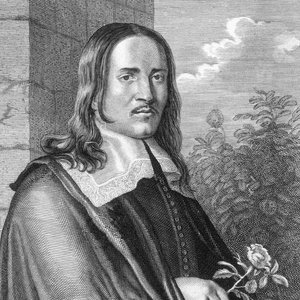
Jan van Kessel the Elder (1626-1679) was a versatile Flemish painter known for detailed floral still lifes, insect studies, animal allegories & landscapes. A Brueghel family descendant, his meticulous work reflects 17th-century scientific observation
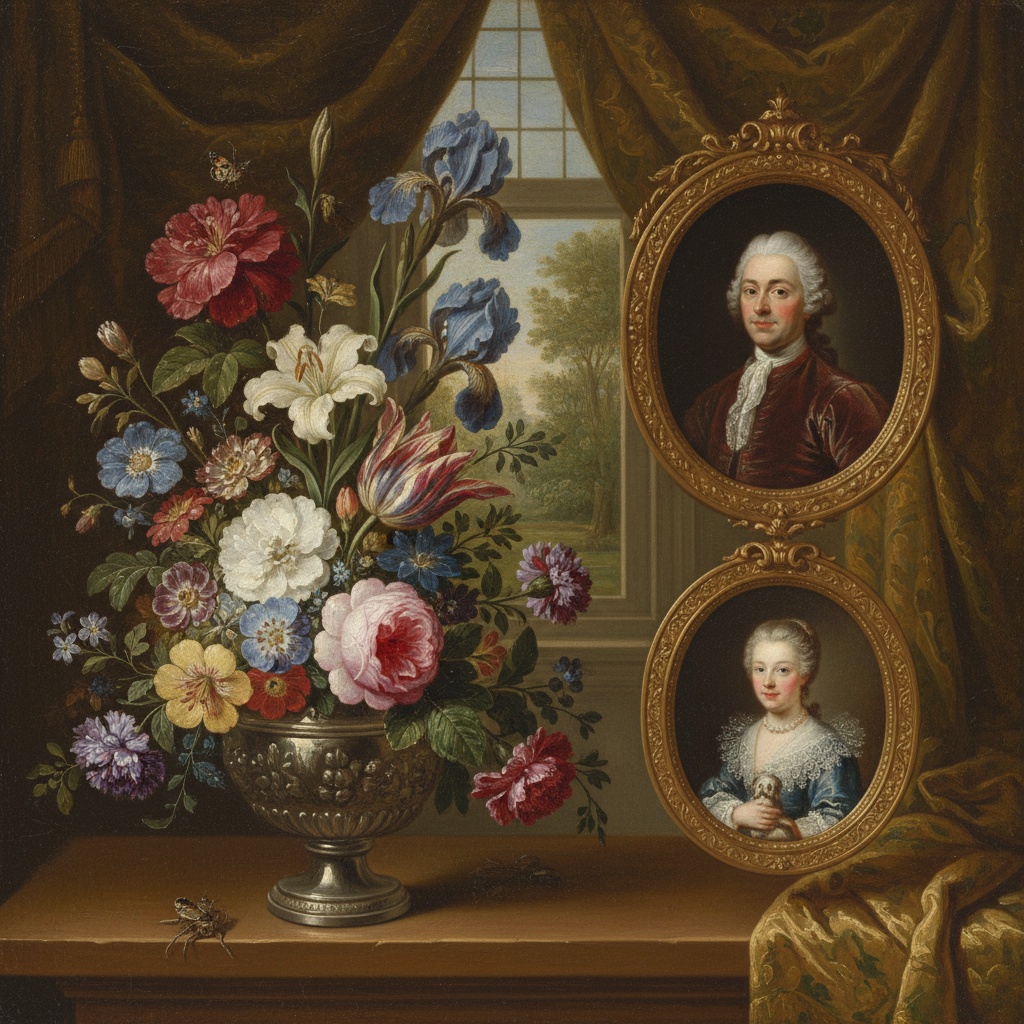
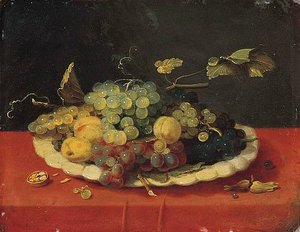
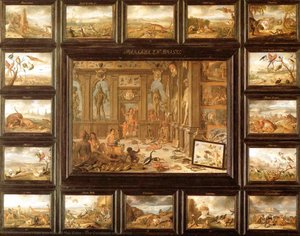
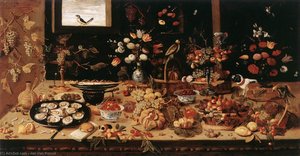
Van Kessel quickly distinguished himself as a master of miniature still lifes, particularly those depicting flowers and insects. These weren’t merely decorative arrangements; they were meticulously rendered studies, brimming with scientific accuracy and aesthetic elegance. He possessed an extraordinary ability to capture the delicate textures of petals, the iridescent sheen of insect wings, and the subtle variations in color that brought each subject to life. His paintings often resemble miniature encyclopedias, showcasing a diverse array of specimens—exotic blooms, rare butterflies, and meticulously detailed beetles—each rendered with painstaking attention to detail. This fascination wasn’t isolated; it mirrored the 17th-century burgeoning interest in natural sciences and the growing popularity of *cabinets of curiosities*, collections designed to showcase the wonders of the world. Van Kessel's work effectively bridged the gap between art and science, offering both visual delight and a glimpse into the natural order.
Beyond Flowers: Exploring Van Kessel’s Diverse Genre Palette
While celebrated for his floral still lifes, limiting Van Kessel to this single genre would be a disservice to his versatility. He was a remarkably adaptable artist who practiced in numerous fields including marine paintings, river landscapes, paradise landscapes, and allegorical compositions. His skill extended to scenes populated with animals and engaging genre scenes, demonstrating a breadth of talent rarely seen in artists of the period. This adaptability wasn’t simply about technical proficiency; it reflected a genuine curiosity about the world around him. He approached each subject with the same meticulous attention to detail and vibrant color palette that characterized his most famous works. Though he excelled across various genres, a consistent thread ran through all his paintings: an unwavering commitment to realism and a keen eye for composition.
Scientific Observation & Symbolism in His Works
Van Kessel’s paintings weren't simply beautiful; they were often imbued with layers of symbolism. The 17th century was a period deeply concerned with morality, earthly transience, and the relationship between humanity and the divine. This philosophical undercurrent frequently found its way into Van Kessel’s work. For example, his inclusion of insects – often associated with decay and transformation – could serve as *memento mori*, reminders of life's fleeting nature. Similarly, vibrant bouquets of flowers, while visually stunning, also carried symbolic weight, representing the beauty and fragility of existence. He frequently incorporated inscriptions in Latin or Dutch identifying species or suggesting deeper meanings, reflecting a blending of art, knowledge, and religious devotion. His paintings were not merely representations of reality; they were carefully constructed allegories designed to provoke thought and contemplation.
Van Kessel's Technique: Materials, Style, and Lasting Influence
The exceptional detail achieved in Van Kessel’s work was largely due to his choice of materials and meticulous technique. He frequently painted on copper panels, which allowed for an unparalleled level of precision and luminous color saturation. This demanding medium required a steady hand and a mastery of oil painting techniques. His style is characterized by smooth brushwork, vibrant hues, and a remarkable attention to light and shadow. Van Kessel’s influence extended beyond his immediate circle. He inspired generations of artists with his ability to capture the beauty and complexity of nature on a small scale. His paintings were highly prized by collectors throughout Europe, adorning the homes of skilled artisans, wealthy merchants, and even foreign luminaries. Today, Jan van Kessel the Elder remains celebrated as one of the most accomplished artists of his time—a true master of miniature painting whose work continues to captivate and inspire.