

The Renaissance Foundation: The Historical Significance of Oil on Panel and Board
To understand the profound allure of oil on board, one must first journey back to an era when the canvas was not yet the standard bearer of artistic expression. Before the widespread adoption of flexible fabric, the masters of the late Gothic and early Renaissance periods sought stability and permanence in wood. This period saw the emergence of a profound relationship between the artist and the rigid support, where the density of the panel allowed for a level of detail that would have been impossible on more pliable surfaces. The history of art is etched into these wooden foundations, providing a stage for works like Vitale da Bologna’s St George’s Battle with the Dragon, where the structural rigidity of the support mirrors the unwavering strength of faith depicted in the scene.
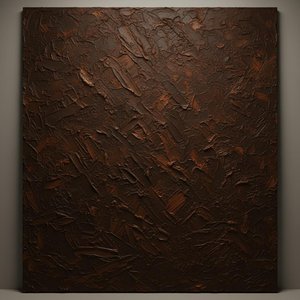
The transition from tempera to oil required a substrate that could withstand the slow-drying, heavy nature of the new medium. Wood panels offered a smooth, non-absorbent surface that allowed pigments to sit atop the support, facilitating the development of glazing techniques. This era was not merely about technical necessity but about an aesthetic revolution. As artists moved toward more complex compositions, the panel became a vessel for light and shadow, capturing the very essence of the 16th century. When we examine works such as Philippe Lariviere’s Ferdinand Magellan, we see how the rich browns and deep textures characteristic of this tradition continue to evoke the spirit of the Renaissance, reminding us that the choice of support is fundamental to the soul of the painting.
Ultimately, the historical significance of oil on board lies in its role as the cradle of modern oil painting. It provided the stability required for the evolution of realism and the intricate symbolism found in Venetian masterpieces like The Lion of St Mark. By studying these early supports, we gain a deeper appreciation for the continuity of artistic tradition.
Structural Integrity: Exploring the Durability and Longevity of Rigid Supports
In the realm of fine art, durability is often as vital as beauty. While canvas has long been celebrated for its portability, it possesses an inherent vulnerability to environmental fluctuations, such as humidity and temperature shifts, which can lead to warping or tension changes. In contrast, oil on board offers a unique structural advantage. The rigidity of the substrate provides a steadfast foundation that resists the mechanical stresses often encountered by flexible supports. This stability is a cornerstone for collectors who seek works that can endure through generations without the risk of significant structural degradation.
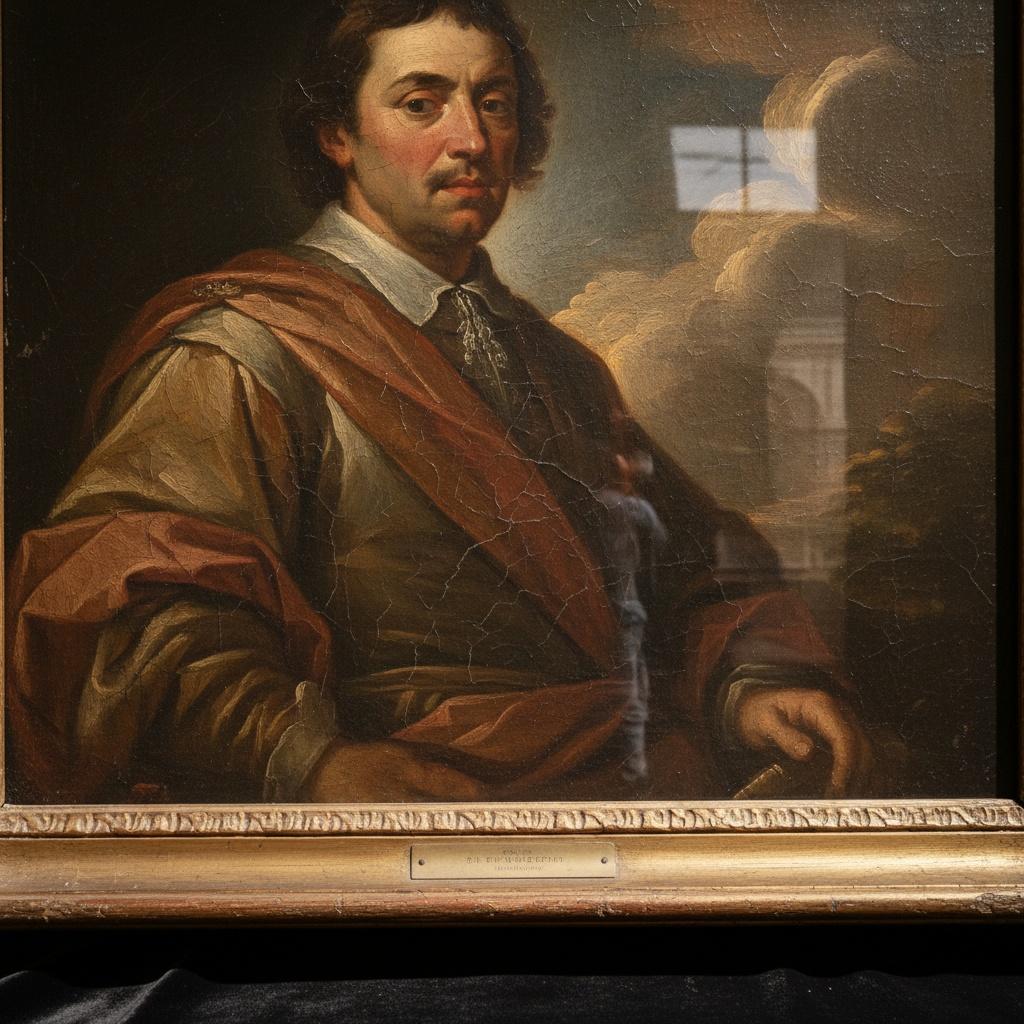
The longevity of an artwork is deeply tied to its chemistry and its physical base. When oil paint is applied to a rigid surface, the layers are less subject to the micro-movements of a stretching fabric. This reduction in movement is crucial for preventing the development of fine cracks, or craquelure, that can mar the surface of a painting over centuries. For the serious enthusiast, understanding this technical advantage is essential when evaluating the long-term value of a piece. The permanence offered by board supports allows for a more profound connection to the artwork, as the physical object remains as steadfast as the imagery it carries.
Choosing a rigid support is an investment in the future. By prioritizing structural integrity, both historical masters and modern creators ensure that the visual narrative remains intact. The strength of the board serves as a silent guardian for the delicate pigments above, preserving the artist's intent against the passage of time.
The Alchemy of Texture: How Board Supports Enhance Impasto and Tactile Depth
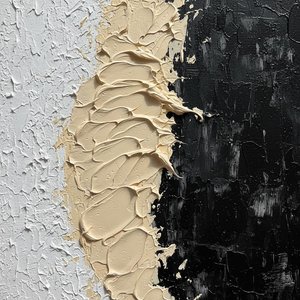
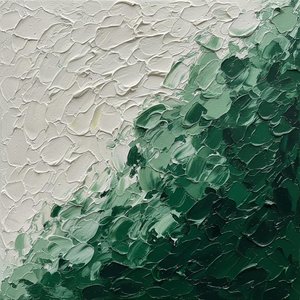
There is a certain magic in the tactile dimension of painting—a quality that transcends mere sight and invites a sensory engagement with the medium. This is most vibrantly expressed through impasto, the technique of applying paint so thickly that it stands out from the surface in relief. While canvas can support some degree of texture, the rigid nature of board allows for an even more ambitious exploration of depth. Because the substrate does not yield or sag under the weight of heavy pigment, the artist is free to build up layers of oil paint with unprecedented confidence.
This architectural approach to painting creates a play of light and shadow that changes as the viewer moves around the work. The peaks and valleys of the dried paint catch ambient light, creating a dynamic, living surface. We see this beautifully executed in Gothic masterpieces where geometric forms and thick applications of color create a sense of movement and drama. The board acts as an unyielding stage, allowing the impasto to become a sculptural element of the composition itself. This thickness adds a three-dimensional quality that flat prints or thin washes simply cannot replicate.
The alchemy of texture transforms a two-dimensional image into a physical experience. Through the careful layering of oils on a stable surface, the artist achieves a richness of tone and a complexity of form that resonates with the viewer on an emotional level. It is in this interplay between the heavy paint and the solid support that the true character of the masterpiece is revealed.
Aesthetic Evolution: From Gothic Precision to Renaissance Realism on Wood
The evolution of painting techniques on board reflects a broader shift in human consciousness, moving from the symbolic rigidity of the Middle Ages to the humanistic realism of the Renaissance. In the Gothic period, the focus was often on iconographic precision and the use of gold leaf, where the panel served as a precious, almost sacred, object. The compositions were often characterized by stylized forms and a sense of spiritual transcendence. As we transition into the early Renaissance, the rigid support began to facilitate a new kind of observation—one rooted in anatomy, perspective, and the natural world.
This shift was made possible by the ability to layer translucent glazes over a stable base, allowing artists to mimic the translucency of human skin and the soft glow of light. The precision required for such work demanded a surface that would not shift or distort. As artists like Carpaccio explored Venetian architecture and complex symbolism, the board provided the necessary canvas for this burgeoning realism. The aesthetic journey from the sharp, geometric lines of the Gothic era to the soft, atmospheric depth of the Renaissance is a testament to how much the medium influences the message.
To observe this evolution is to witness the birth of modern visual language. The transition from symbolic representation to lifelike depiction was not merely a change in skill, but a change in the very way artists utilized their supports to capture the complexities of existence.
Preserving the Masterpiece: Technical Care for Aged Oil on Board Artworks
For those who hold a passion for classical art, the preservation of these treasures is a sacred duty. While oil on board is inherently more durable than canvas, it is not immune to the elements. The primary enemies of any aged painting are moisture, extreme temperature fluctuations, and direct sunlight. Even the most robust wooden panel can react to high humidity, potentially leading to expansion or contraction that could stress the paint layers. Therefore, maintaining a stable environment is the first step in ensuring the longevity of your collection.
Proper care also involves the science of materials. The use of Damar varnish is a traditional and effective method for protecting the surface from dust, moisture, and atmospheric pollutants. This protective layer not only adds a subtle depth to the colors but also acts as a sacrificial barrier that can be cleaned or renewed without disturbing the original paint. Furthermore, when framing these works, it is vital to use acid-free materials and ensure there is an appropriate air gap between the art and the glass to prevent moisture entrapment.
Ultimately, the stewardship of fine art requires a blend of passion and technical knowledge. By understanding the chemistry of oils and the physical properties of the supports, collectors can ensure that these magnificent works—whether they are centuries-old relics or modern hand-painted reproductions from ArtsDot.com—continue to inspire and endure for generations to come.