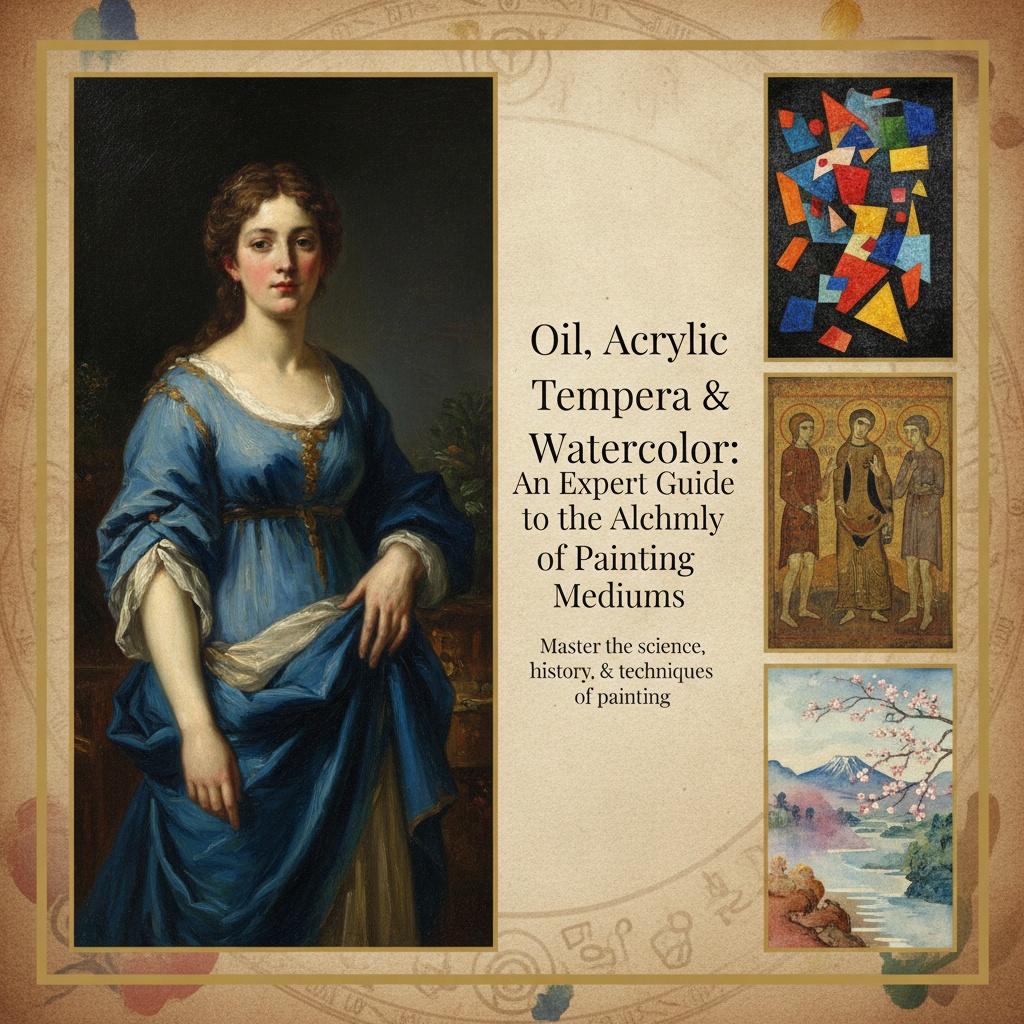
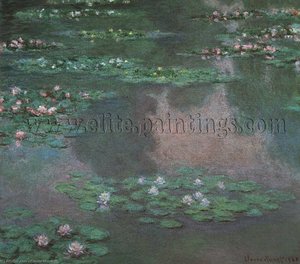


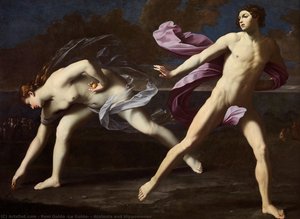

The Alchemy of Pigment: Understanding the Chemistry and Longevity of Oil Media
 The Chemistry of Permanence: Why Fine Art Survives the Test of Time
The Alchemy of Pigment: The Molecular Foundation of Color Mastering the Brush: The Timeless Secrets of Old Master Oil Painting Techniques The Alchemy of Pigment: Understanding the Chemistry and Longevity of Oil Media To understand the enduring brilli...
To gaze upon a classical masterpiece is to witness more than mere aesthetic triumph; it is to observe a profound chemical achievement. Long before the advent of modern synthetic laboratories, the history of art was, in essence, a history of alchemy. The vibrant hues that continue to captelivate the modern collector were born from a meticulous search for stable minerals and precious earth elements. This delicate pursuit sought a perfect marriage between the raw, elemental soul of pigments and the transformative power of drying oils, creating a depth of color that remains unsurpassed.
When we observe the deep, celestial blues of an Old Master work, we are often seeing the legacy of lapis lazuli, ground into a fine powder to create ultramarine—a pigment so precious it was once valued more than gold. The mastery of the painter lay in understanding how these minerals would interact with their medium, ensuring that the artist's vision would not merely exist for a lifetime, but endure through centuries of environmental shifts. This foundational chemistry allows light to dance within the paint layers, creating a luminous, multidimensional effect. For those seeking to bring this historical depth into their own collections, our Handmade Oil Reproductions utilize these very principles, employing specific oils like safflower for whites to prevent yellowing and ensuring every brushstroke carries the weight of tradition.
The Disciplined Glow: The Ancient Artistry of Egg Tempera
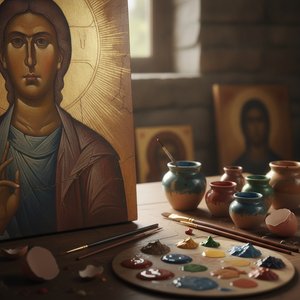 The Timeless Glow of Tempera on Panel: A Guide to This Luminous Art Medium
The Alchemy of Egg and Pigment: Understanding the Tempera Medium To step into the world of tempera is to enter a realm of quiet, disciplined magic. Unlike the fluid, sweeping gestures of oil painting that we so often adore in the Impressionist era, t...
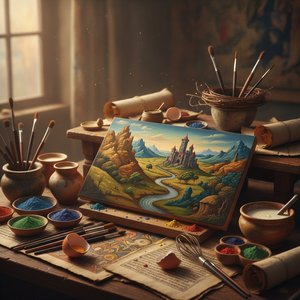
To step into the world of tempera is to enter a realm of quiet, disciplined magic. Unlike the fluid, sweeping gestures of oil painting that we so often adore from the Impressionist era, tempera demands a certain meditative patience. It is an ancient alchemy where the humble egg yolk serves as the binding agent for precious mineral pigments, creating a medium that possesses a clarity and luminosity unlike any other. There is a certain stillness in tempera works; they do not shout with bravado but whisper through a delicate suspension of light within a translucent film.
This medium requires an artist to work with precision, often applying minute, hatched strokes to build up color and form. Because the medium dries almost instantly, it precludes the easy blending found in oils, forcing a focus on meticulous layering and careful composition. This disciplined approach results in a matte finish that feels both ethereal and permanent. When viewing these works, one perceives a sense of timelessness—a quality preserved by conservators who treat these panels with the utmost reverence to maintain their original, light-filled brilliance.
Versatility and Modernity: The Evolution of Acrylic Painting
 ali almimar
Ali Almimar: A Visionary Painter of Arabian Horses Ali Almimar, born in Kuwait City in 1965, stands as a singular figure within the realm of contemporary equestrian art. His artistic journey began with a foundational education at the Baghdad Institut...
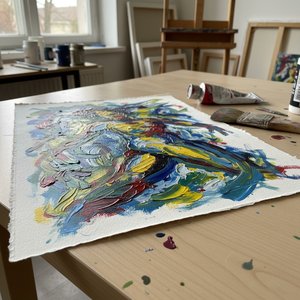
As art history progressed into the modern era, the need for speed, flexibility, and durability led to the rise of acrylic painting. While it lacks the centuries-old ritual of egg tempera or the slow-drying luxury of oil, acrylic offers a revolutionary versatility that has defined much of contemporary expression. Acrylics are essentially pigments suspended in an acrylic polymer emulsion, allowing them to behave like watercolors when diluted or like heavy oils when applied thickly in an impasto style.
This adaptability has made acrylics the preferred medium for many modern masters, including pioneers like Ali Almimar, who utilizes the medium's vibrant capacity to explore themes of identity and cultural heritage. The ability to layer quickly allows for a rapid evolution of thought on the canvas, making it ideal for capturing the energetic, fragmented aesthetics found in Cubism or the bold, flat planes of Pop Art. For the student or collector interested in modern textures, acrylics provide a bridge between traditional technique and the fast-paced innovation of the present day.
Fluidity and Light: Mastering the Translucency of Watercolor
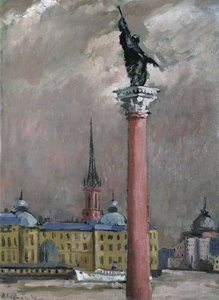 From the Town Hall, Stockholm
Admire "From the Town Hall, Stockholm" by Robin Darwin – a captivating watercolor from 1936. Explore this elegant landscape & Darwin's artistic legacy.
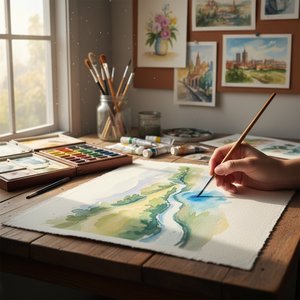
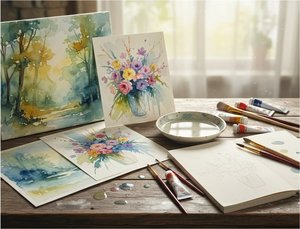
In stark contrast to the heavy, opaque layers of oil or the structured strokes of tempera, watercolor offers a realm of pure fluidity and atmospheric light. It is a medium of subtraction and transparency, where the white of the paper serves as the primary source of luminosity. The artist does not merely place color onto a surface; they manage the movement of water and pigment, guiding the flow to create soft edges, delicate washes, sfumato effects, and breathtaking gradients.
Mastering watercolor requires an intimate understanding of how much moisture a specific paper can hold and how pigments will settle into its fibers. It is a medium that rewards spontaneity but punishes error, as once a wash is laid down, it is difficult to obscure. This inherent unpredictability creates a sense of organic life within the work, capturing fleeting moments—the mist over a lake or the soft glow of a sunset—with an ethereal quality that no other medium can replicate. It is the art of controlling chaos through grace.
Medium Specificity: Choosing the Right Material for Your Artistic Vision
Medium specificity is a consideration in aesthetics and art criticism. It is most closely associated with modernism, but it predates it. == Overview == According to Clement Greenberg, who helped popularize the term, medium specificity holds that "the...
In the study of aesthetics, the concept of medium specificity suggests that an artwork achieves its highest potential when it embraces the unique characteristics of its material. A successful painting is often one that fulfills the promise contained within the medium used to bring it into existence. To use oil for mere transparency would be to ignore its strength in depth; to use watercolor for heavy, opaque textures would be to fight against its very nature.
For the art student and the serious collector alike, understanding these boundaries is essential. When we look at the works of the Old Masters, we see them leaning into the "flatness" or the "texture" of their chosen tools. This philosophy extends even to modern customizations; for instance, when a client requests a "Period Shift," transforming a contemporary photograph into a 17th-century masterpiece in the style of Rembrandt, they are essentially requesting that we apply the specific stylistic and material logic of the Baroque era to a new subject.
Preserving the Masterpiece: Conservation, Restoration, and Material Permanence
 Conservation and restoration of cultural property
The conservation and restoration of cultural property focuses on protection and care of cultural property (tangible cultural heritage), including artworks, architecture, archaeology, and museum collections. Conservation activities include preventive ...
The final chapter in the story of any medium is its survival. The preservation of cultural property is a field where artistry meets scholarly rigor. Whether it is the meticulous restoration of a Caspar David Friedrich painting in the Alte Nationalgalerie or the careful cleaning of a Renaissance panel, the goal remains the same: to keep the artwork as close to its original condition as possible. This requires an understanding of the chemistry of permanence—knowing how lightfastness, acidity, and environmental pollutants can degrade even the most robust pigments.
True preservation involves both preventive measures and active intervention. At ArtsDot.com, we approach every reproduction with this spirit of stewardship. Our artists use flexible gesso to prevent cracking and finish each piece with a coat of Damar varnish to protect against dust and moisture. We believe that whether an artwork is a centuries-old relic or a newly commissioned oil painting, it deserves the highest standard of care to ensure its beauty remains vibrant for generations to come.