The Subjective Lens: Defining Expressionism and the Rejection of Naturalism
 Expressionism
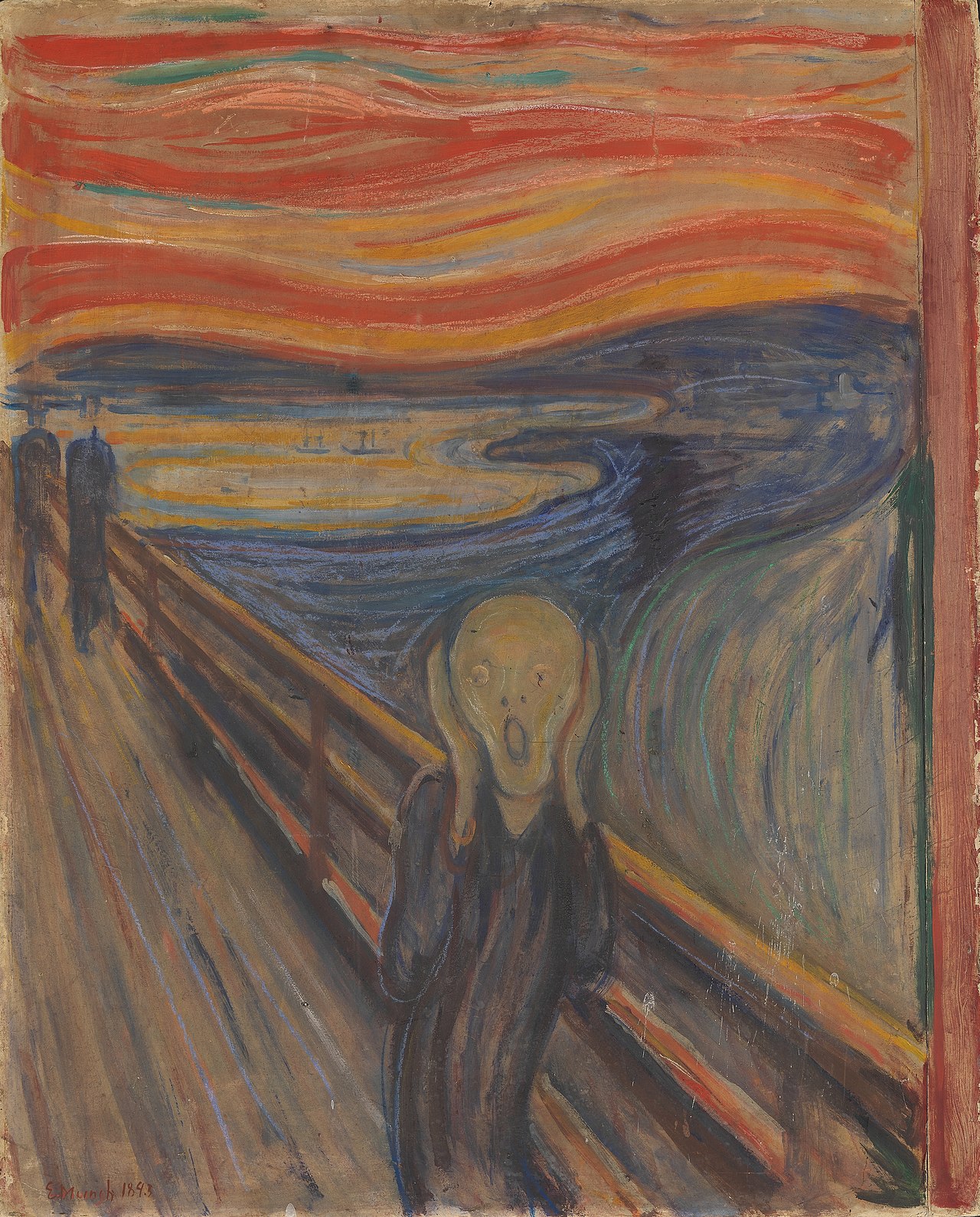
Expressionism is a modernist movement, initially in poetry and painting, originating in Northern Europe around the beginning of the 20th century. Its typical trait is to present the world solely from a subjective perspective, distorting it radically ...
To understand the profound impact of Expressionist portraiture, one must first recognize it as a radical departure from the ocularcentrism of previous eras. While the Impressionists sought to capture the fleeting dance of light upon a surface, and the Realists aimed for an unvarnished depiction of social truth, the Expressionists turned their gaze inward. Emerging primarily in Northern Europe at the dawn of the 20th century, this movement was not merely a stylistic choice but a psychological necessity. It functioned as a rejection of positivism—the belief that reality could be measured and understood through external observation alone. Instead, these artists embraced a subjective perspective, where the world was distorted, stretched, and recolored to mirror the turbulent currents of the human psyche.
This era was marked by a profound sense of transition, as rapid industrialization and the looming shadow of global conflict fractured the traditional certain and stability of European life. The Expressionist artist did not wish to paint what they saw, but rather how that sight resonated within the soul. By abandoning the constraints of anatomical accuracy and atmospheric perspective, they created a visual language capable of articulating anxiety, alienation, and ecstasy. It was an art of the "inner landscape," where the boundaries between the observer and the observed dissolved, leaving behind only the raw, unmediated essence of emotional experience.
The Anatomy of Emotion: Distorted Forms and Non-Naturalistic Color Palettes
 German Expressionism's 10 Defining Masterpieces | Art for Your Home
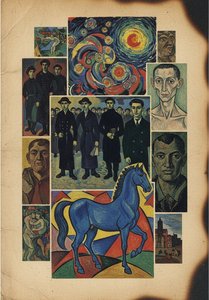
Introduction To gaze upon the canvases born from the heart of German Expressionism is to encounter a raw, visceral echo of a world on the brink. These weren’t paintings merely depicting reality; they were reality – or rather, the tumultuous inner lan...
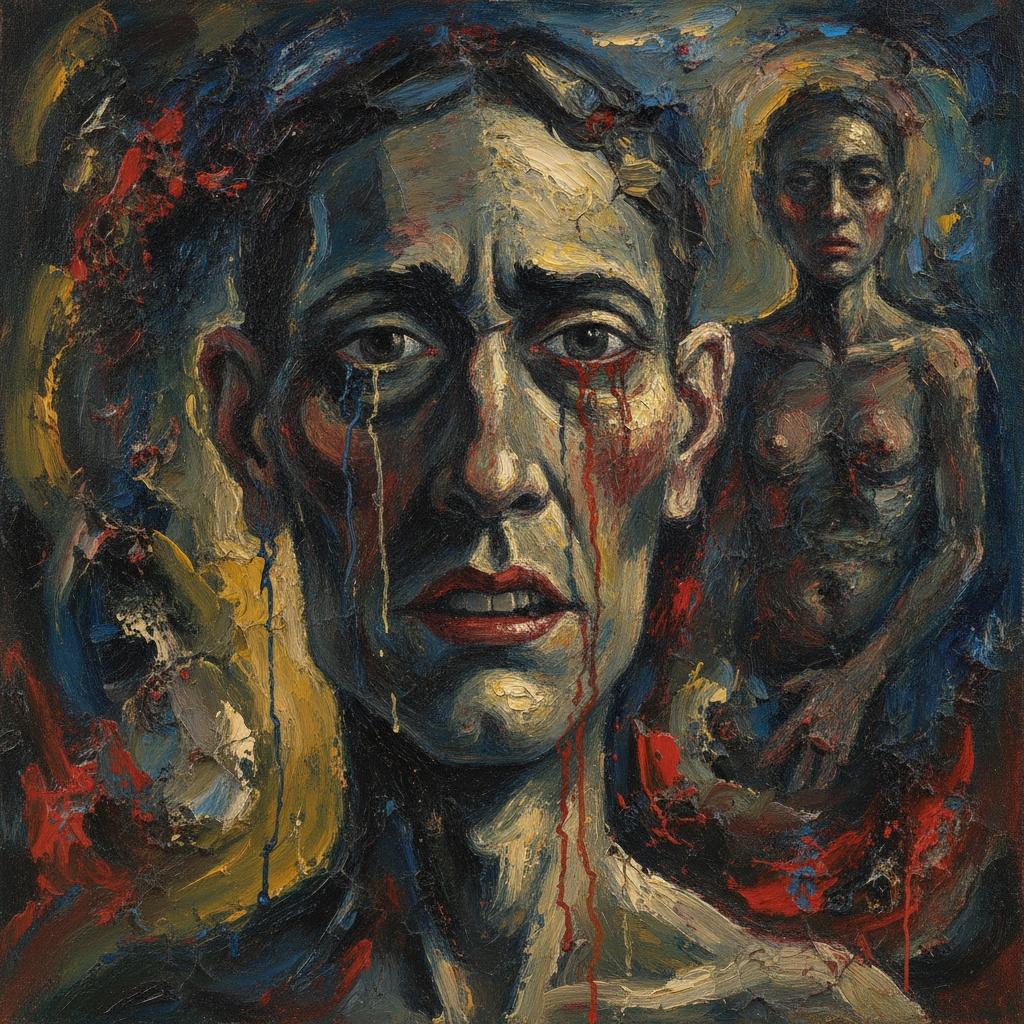
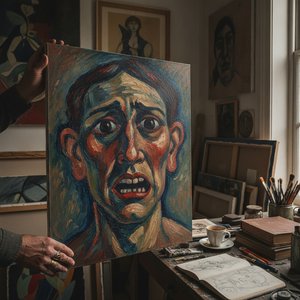
The technical hallmarks of Expressionist portraiture are as striking as their psychological depth. To convey a state of being that transcends physical reality, artists utilized a toolkit of deliberate distortion and jarring color. In these works, the human face—the traditional seat of identity—becomes a site of metamorphosis. Features may be elongated, eyes may appear hollowed by grief, or limbs may twist in ways that defy skeletal logic. This manipulation of form serves a singular purpose: to evoke a specific mood or idea that a realistic depiction simply could not reach.
Color, too, was liberated from its descriptive duties. In the hands of an Expressionist, a sky need not be blue, nor should skin possess its natural warmth; instead, a face might be rendered in sickly greens to suggest decay, or vibrant, clashing oranges to signify a feverish intensity. This use of non-naturalistic, often high-contrast palettes creates a rhythmic, almost musical tension on the canvas. The brushwork itself often becomes visible and tactile, with thick, energetic applications of paint—sometimes referred to as impasto—that add a physical dimension to the emotional weight of the subject. When viewing these masterpieces, one does not merely observe a portrait; one encounters the very vibration of the artist's hand and heart.
Masters of the Inner Landscape: From Munch’s Anxiety to Schiele’s Vulnerability
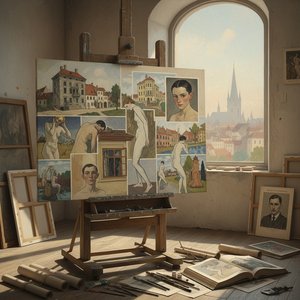 Egon Schiele's Masterpieces: 25 Paintings That Define Expressionism | ArtsDot
Introduction To encounter the work of Egon Schiele is to stand before a mirror reflecting not just the artist’s soul, but our own deepest vulnerabilities and desires. This collection of his top 25 artworks represents a journey into that profound spac...
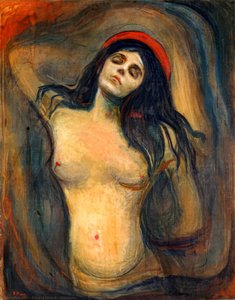
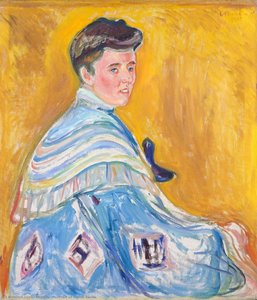
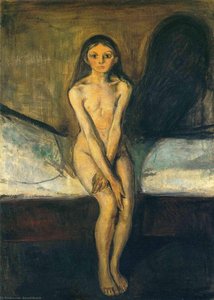
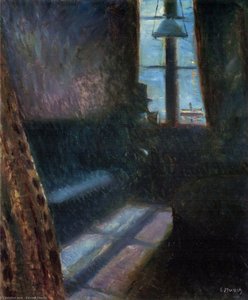
Few names resonate with the haunting power of Edvard Munch. A pioneer of the movement, Munch’s work often serves as the definitive gateway into Expressionist thought. His ability to translate personal trauma and existential dread into universal symbols is unparalleled. In his iconic self-portraits, we see a man wrestling with his own mortality and the fragility of the human condition. The blurred backgrounds and swirling, rhythmic lines in his compositions do not merely surround the subject; they seem to emanate from him, suggesting an environment saturated with psychic energy.
In contrast, the Austrian master Egon Schiele offered a different, yet equally piercing, exploration of the self. Schiele’s portraits are characterized by a raw, almost uncomfortable intimacy. His figures often appear skeletal, their bodies etched with sharp, nervous lines that expose the profound vulnerability and erotic tension inherent in existence. Where Munch captures the atmospheric weight of anxiety, Schiele dissects the human form to reveal the delicate, often painful, intersection of beauty and decay. Together, these artists demonstrate the breadth of the movement—showing that Expressionism could encompass both the cosmic terror of the soul and the intimate, trembling reality of the flesh.
The Visceral Canvas: Post-War Intensification and the Legacy of Francis Bacon
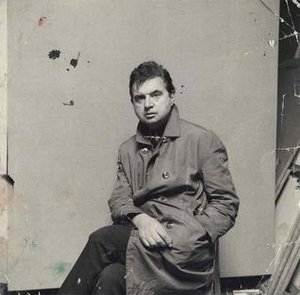 Francis Bacon
A Life Immersed in the Visceral Francis Bacon, a name synonymous with the rawest emotionality in 20th-century art, was born in Dublin, Ireland, in 1909, yet his artistic spirit found its truest expression within the turbulent landscape of post-war Br...
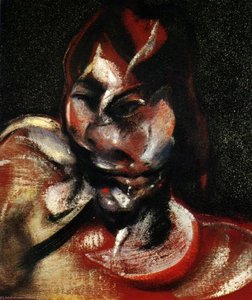
As the 20th century progressed through the devastation of two World Wars, the language of Expressionism underwent a further intensification, moving toward what is often described as a more visceral, even grotesque, emotionality. This evolution found one of its most formidable voices in Francis Bacon. Though working within a later historical context, Bacon’s spirit was deeply rooted in the Expressionist tradition of using distortion to access primal truths. His canvases are famously unsettling, featuring figures trapped in cages of light or dissolving into smears of meat-like texture.
Bacon’s work reflects the displacement and fragmentation of the post-war era. Influenced by the haunting imagery of early masters and even the cinematic tension of films like
Battlestship Potemkin, he transformed the human portrait into a site of existential struggle. His use of space—often stark, clinical, and claustrophobic—forces the viewer to confront the rawest elements of human suffering and animalistic instinct. This lineage of intense subjectivity ensures that Expressionism remains not a relic of the past, but a living, breathing force in modern art, continuing to challenge our perceptions of what it means to be human in an increasingly complex world.
Capturing the Unseen: The Enduring Power of Expressionist Portraits in Modern Collections
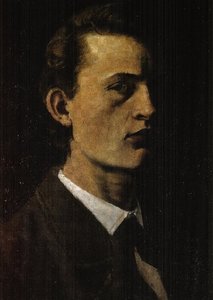 Self-Portrait
Introduction to Expressionism and Figurative Expressionism Expressionism is a modernist movement that emerged in the early 20th century, characterized by its emphasis on emotional experience and subjective interpretation. The movement encompassed var...
The enduring allure of Expressionist portraiture lies in its ability to bypass the intellect and speak directly to the emotions. For the modern collector, these works offer something far more profound than mere decoration; they provide a mirror for our own complexities. To hang an Expressionist-inspired piece in a home is to invite a dialogue with the unseen forces of life—to celebrate the beauty found in imperfection and the truth found in distortion.
For those seeking to bring this powerful aesthetic into their personal spaces, the preservation of these techniques is paramount. At
ArtsDot.com, we specialize in honoring this legacy through meticulous, hand-painted reproductions. Our master artists, trained in the rigorous traditions of fine arts academies, do not simply copy a photograph; they interpret the soul of the original. Using heavy cotton canvas and professional-grade oils, our artists recreate the thick, expressive brushstrokes and the vibrant, non-naturalistic color palettes that define the movement. Whether you are drawn to the haunting shadows of Munch or the energetic forms of August Macke, our collection allows you to possess a piece of art history that continues to pulse with the raw emotion of the masters.