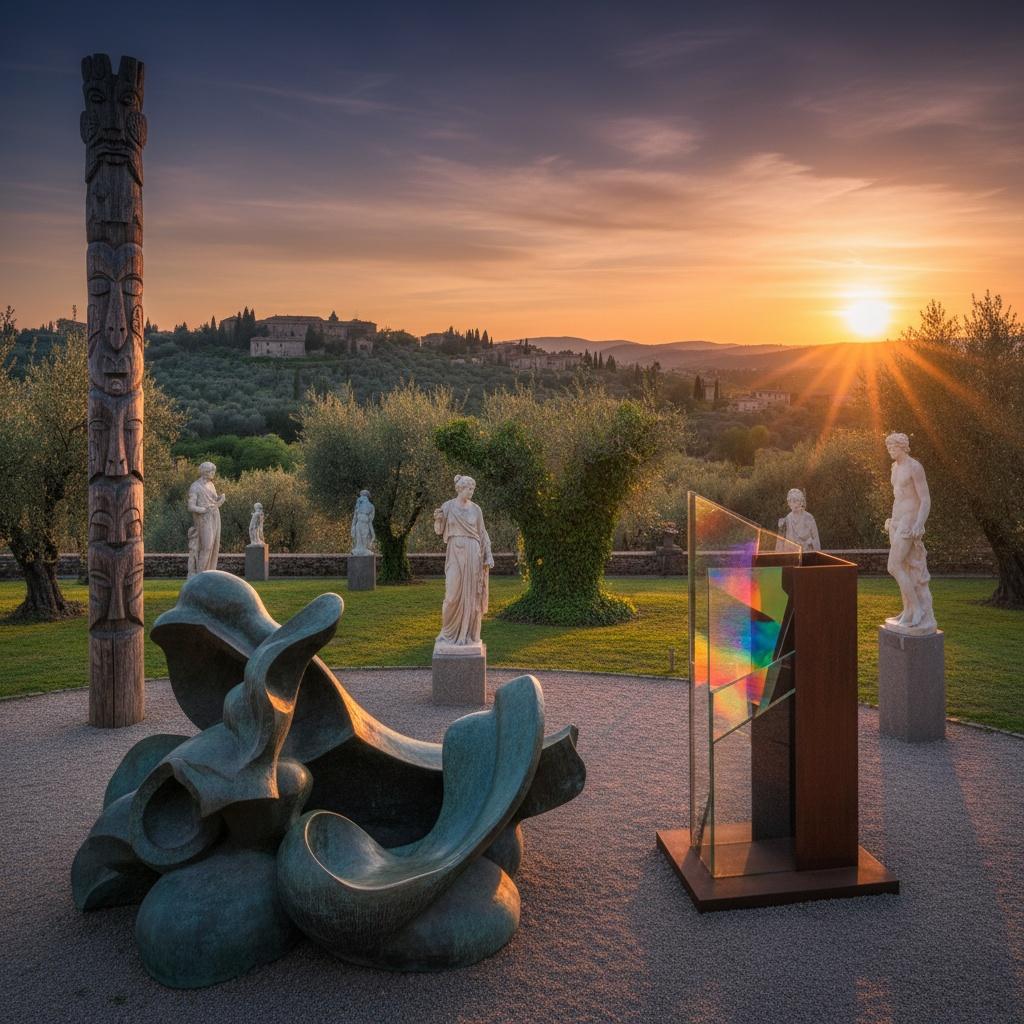

The Genesis of Form: Understanding the Evolution of Sculptural Techniques
To gaze upon a sculpture is to witness a silent dialogue between the artist’s intent and the physical world. The history of three-dimensional art is not merely a timeline of objects, but an evolution of human capability to manipulate reality itself. In the ancient cradles of civilization, the sculptor’s journey began with the profound mastery of stone. Consider the groundbreaking works of Phidias of Athens, whose hands shaped the very essence of the 5th-century BC Greek spirit. Through his work on the Parthenon’s Athena and Zeus statues, we see the birth of a technique that sought to imbue cold marble with the warmth of divine life, establishing a standard of anatomical precision that would haunt the halls of art history for millennia.
As centuries progressed, the methods of creation branched into two distinct philosophies: subtractive and additive. The subtractive process, most famously embodied in marble carving, requires an uncompromising vision; once a fragment of stone is struck away, it can never be reclaimed. This tension creates a unique reverence for the medium. Conversely, the additive approach—seen in the modeling of clay and the eventual casting of bronze—allows for a more fluid, experimental movement, where layers of material are built up to capture the fleeting nuances of emotion and motion. This evolution from the rigid permanence of stone to the expressive plasticity of metal has allowed sculptors to push the boundaries of what the human eye perceives as solid form.
Ultimately, understanding these foundational techniques is essential for any collector. It allows one to appreciate not just the finished masterpiece, but the immense technical struggle and intellectual rigor required to breathe life into inanimate matter.
Materiality and Mastery: From Classical Marble to Modern Bronze
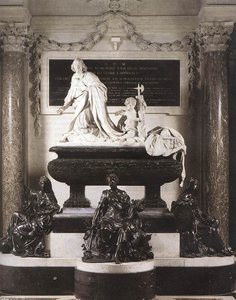
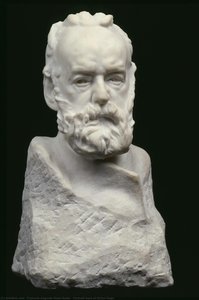
The soul of a sculpture resides within its substance. For the discerning collector, the choice of material is never merely aesthetic; it is an ontological decision that dictates the artwork's longevity, texture, and emotional resonance. The Neoclassical era, in particular, elevated marble to a state of unparalleled prestige. In the hands of masters like Louis François Roubiliac, marble ceased to be stone and became skin, fabric, and breath. His 1761 work, The Tomb of Sir Joseph and Lady Elizabeth Nightingale, demonstrates how the translucent quality of fine marble can capture the harrowing essence of mourning, portraying Death’s attack with a detail so exquisite it transcends the medium.
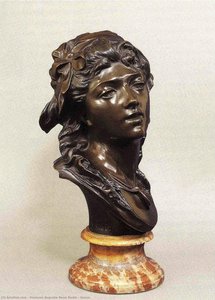
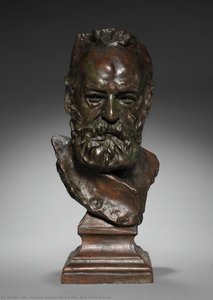
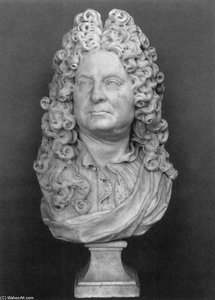
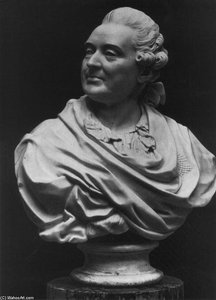
Beyond the ethereal lightness of marble, the weight and permanence of bronze offer a different narrative. The lost-wax casting process, an ancient and complex alchemy, allows for intricate details and a sense of structural strength that stone cannot replicate. This durability has made bronze the preferred medium for monumental works intended to withstand the elements and the passage of eras. Similarly, the delicate precision found in portrait busts, such as Jean Baptiste Defernez’s Madame Favart, showcases how even within the constraints of rigid materials, an artist can achieve a subtle, emotive elegance that speaks directly to the viewer's empathy.
As we move into more contemporary realms, the exploration of materiality has expanded to include resins, steel, and mixed media. Yet, regardless of the era, the hallmark of true mastery remains the ability to manipulate the inherent properties of the chosen material to serve a higher artistic truth, ensuring that the texture and weight of the piece harmonize with its conceptual depth.
The Language of Space: Composition, Volume, and Negative Space in Three Dimensions
Sculpture is an art form defined by its relationship with the void. Unlike painting, which exists within the confines of a frame, sculpture occupies the same physical atmosphere as the observer. This creates a dynamic interplay between volume—the mass of the object—and negative space—the air and emptiness that surround and penetrate it. A master sculptor understands that what is left uncarved is often as vital as what is shaped. The strategic use of negative space can create tension, lightness, or a sense of profound movement, guiding the viewer's eye through a rhythmic dance around the work.
The concept of composition in three dimensions requires a sophisticated awareness of multiple perspectives. A piece must possess integrity from every angle; a change in position should reveal new silhouettes and hidden depths. In large-scale works, such as the dramatic The Defence of Zaragoza by José Álvarez Cubero, the composition utilizes mass to command the room, using heavy, impactful forms to evoke the gravity of historical struggle. The artist must balance the weight of the figures with the surrounding environment, ensuring that the sculpture does not merely sit within a space but actively redefines it.
Mastering this language of space allows a work to achieve a state of equilibrium. When volume and void are perfectly orchestrated, the sculpture ceases to be a mere object and becomes an architectural presence, capable of altering the very energy of the room it inhabits.
Curating the Third Dimension: Integrating Sculpture into Sophisticated Interiors
Integrating sculpture into a curated collection requires more than just finding a pedestal; it requires an understanding of architectural harmony. A well-placed sculpture acts as a focal point, anchoring a room and providing a sense of permanence. For the modern collector, the challenge lies in balancing the physical presence of a piece with the existing design language of the home. Large-format works or multi-panel compositions can serve as transformative elements, much like the grand murals and frescoes that recreate historical grandeur in contemporary settings.
When arranging sculptures, consider the concept of visual weight. A heavy bronze bust may require a solid, substantial base to prevent it from feeling visually adrift, whereas a delicate marble figure might benefit from being placed near natural light to highlight its translucency. The interplay between different textures—the smooth finish of polished stone against the ruggedness of a textured print or a heavy oil painting—can create a sophisticated, layered aesthetic. Furthermore, the use of lighting is paramount; directional light can cast dramatic shadows that accentuate the sculptural relief, turning a static object into a theatrical experience.
Ultimately, successful curation is about creating a dialogue between the art and the architecture. Whether through the placement of a singular, monumental piece or a thoughtful grouping of smaller works, the goal is to create an environment where the three-dimensional form feels like an organic extension of the space itself.
The Collector's Eye: Evaluating Provenance, Technique, and Artistic Legacy
For the serious art enthusiast, the acquisition of sculpture is an act of stewardship. Evaluating a piece requires a multi-faceted approach that looks beyond surface beauty to the deeper layers of provenance and technique. One must ask: What is the history of this object? Who were its previous custodians? Does the artist’s hand reveal a mastery of the medium, or is it merely a superficial imitation? Examining the technical execution—the precision of the carving, the smoothness of the casting, or the complexity of the assembly—is essential to determining the true value and merit of the work.
Furthermore, understanding an artist's place within the broader historical canon is vital. Recognizing the lineage from the classical masters like Phidias to the modern innovators allows a collector to build a collection that possesses both intellectual depth and long-term significance. This involves studying the evolution of styles, such as the transition from Neoclassicism to more expressive movements, and identifying works that represent pivotal moments in artistic development.
As you embark on this journey of acquisition, remember that art is a lasting legacy. Whether you are exploring through auctions, private galleries, or specialized platforms like ArtsDot.com, the pursuit of excellence remains the same. At ArtsDot, we celebrate this dedication to quality by providing access to extraordinary reproductions and custom commissions that honor the techniques of the Old Masters. From meticulously layered oil paintings to museum-grade prints, our mission is to ensure that the profound beauty of art history remains accessible, transformative, and timeless for collectors worldwide.