



The Enduring Power of Visual Narrative: Art as Historical Record
From the earliest cave paintings to the grand frescoes of the Renaissance, art has served as a potent chronicle of human experience. More than mere decoration, artworks are embedded with the beliefs, anxieties, and triumphs of their time—visual testaments that transcend linguistic barriers and offer profound insights into past civilizations. Consider the Roman sculptures, meticulously crafted portraits not simply of individuals but of power, status, and civic duty. Or examine the Byzantine mosaics, shimmering depictions of religious narratives intended to inspire faith and reinforce theological doctrine. These are not isolated aesthetic achievements; they are fragments of a larger historical dialogue, offering invaluable clues to understanding the societies that birthed them. The very materials employed – the pigments sourced from distant lands, the canvases stretched with painstaking care – speak volumes about trade routes, technological advancements, and the economic realities of the era. To truly appreciate an artwork is to embark on a journey through time, deciphering its layers of meaning and recognizing it as a tangible link to our collective past.
Color as Connotation: Decoding Emotional Resonance in Painting
 The Chromatic Spectrum of Feeling: Exploring Color & Emotion in Art History
Explore the fascinating relationship between color and emotion in art history. Discover how master artists used color to evoke feelings & cultural meanings, plus the psychology behind it all.
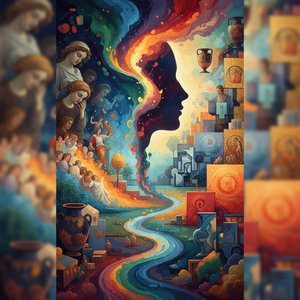
The power of color extends far beyond simple visual appeal; it’s a deeply ingrained language that evokes specific emotions and cultural associations. Throughout art history, masters have harnessed this potency with remarkable skill. The somber blues and ochres favored by Rembrandt in his self-portraits convey introspection and the weight of mortality, while the vibrant reds and golds of Byzantine icons symbolize divine power and spiritual transcendence. René Magritte’s use of color in works like L'Art de la Conversation, though seemingly straightforward, subtly disrupts expectations and invites contemplation on perception itself. The chromatic choices aren’t arbitrary; they are deliberate tools used to shape the viewer’s emotional response and guide their interpretation. The study of color psychology reveals how certain hues can trigger primal instincts – the calming effect of greens, the energy of yellows, the passion associated with reds. Understanding these nuances allows us to move beyond a superficial appreciation of an artwork's beauty and delve into the artist’s intentional manipulation of emotional space. The interplay of light and shadow, too, is crucial; chiaroscuro techniques not only create dramatic effect but also emphasize specific elements and imbue them with symbolic weight.
Ideology Embodied: How Artistic Choices Reflect Societal Values
An ideology is a set of beliefs or values attributed to a person or group of persons, especially those held for reasons that are not purely about belief in certain knowledge, in which "practical elements are as prominent as theoretical ones". Formerl...
Art rarely exists in a vacuum. It’s inextricably linked to the prevailing ideologies of its time, often serving as both a reflection *and* a reinforcement of societal norms. The Neoclassical paintings of Jacques-Louis David, for example, championed the ideals of reason and civic virtue during the French Revolution, while Romantic artists like Eugène Delacroix embraced individualism and emotional intensity in response to Enlightenment rationalism. Even seemingly apolitical subjects can be imbued with ideological undertones. The choice of subject matter – who is depicted, what actions are portrayed – reveals implicit biases and power structures. Consider the prevalence of religious iconography throughout much of art history; these images weren’t simply expressions of faith but also tools for maintaining social order and reinforcing established hierarchies. Analyzing an artwork through an ideological lens requires a critical examination of its context: who commissioned it, what was the intended audience, and how did it function within the broader cultural landscape? The concept of “ideology,” as explored by thinkers like Karl Marx, highlights the ways in which art can perpetuate dominant narratives or challenge existing power dynamics.
Symbolism and Allegory: Unveiling Hidden Meanings Within the Canvas
Symbolism or symbolist may refer to: Symbol, any object or sign that represents an idea == Arts == Artistic symbol, an element of a literary, visual, or other work of art that represents an idea Color symbolism, the use of colors within various cu...
Beyond literal representation lies a rich world of symbolism and allegory, where objects, figures, and even colors carry layers of hidden meaning. From the Renaissance fascination with classical mythology to the Surrealist exploration of the subconscious, artists have consistently employed symbolic language to convey complex ideas and evoke deeper emotional responses. A skull, for instance, is rarely just a bone structure; it’s a memento mori, a reminder of mortality and the fleeting nature of life. A dove often symbolizes peace, while a serpent can represent temptation or evil. Symbolism, however, isn't universal; its interpretation is deeply rooted in cultural context. What holds significance in one society may be entirely different in another. The allegorical paintings of artists like Botticelli, filled with mythological figures and intricate details, require careful decoding to unlock their full meaning. Understanding the historical and cultural references embedded within an artwork allows us to appreciate its intellectual depth and recognize the artist’s deliberate use of visual metaphors. This process of interpretation is not merely academic; it enhances our emotional connection to the work and reveals new layers of beauty and complexity.
Visual Rhetoric & Persuasion: The Art of Communicating Beyond Words
Visual rhetoric is the art of effective communication through visual elements such as images, typography, and texts. Visual rhetoric encompasses the skill of visual literacy and the ability to analyze images for their form and meaning. Drawing on tec...
Art, at its core, is a form of communication—a powerful means of persuasion that transcends verbal language. This concept, known as visual rhetoric, encompasses the skill of analyzing images for their structure and meaning, recognizing how they are designed to influence an audience. The composition of a painting – the arrangement of figures, the use of perspective, the interplay of light and shadow – all contribute to its rhetorical effect. A powerful portrait, for example, might employ specific techniques to convey authority or vulnerability. The choice of subject matter itself is a rhetorical act; depicting a heroic figure in a dramatic pose is inherently persuasive. As explored by scholars in the field, visual rhetoric isn’t limited to traditional art forms; it extends to graphic design, advertising, and even social media imagery. Analyzing an artwork through this lens requires us to consider its intended purpose: what message is the artist trying to convey, and how are they using visual elements to achieve that goal? The power of iconic photographs—images that have shaped public opinion and sparked social change—demonstrates the profound impact of visual rhetoric in our modern world. The eloquence of design lies not just in aesthetic beauty but also in its ability to communicate complex ideas with clarity and emotional resonance.
Collecting with Context: Building a Narrative Through Informed Acquisition
Acquiring art is more than simply purchasing an aesthetically pleasing object; it’s an investment in history, culture, and personal expression. A discerning collector understands the importance of context—the artist's life, the historical period, the societal influences that shaped their work. Building a collection with intention requires research, careful consideration, and a willingness to delve beneath the surface. Rather than focusing solely on market trends or popular styles, informed collectors seek artworks that resonate with their values and tell a compelling story. Consider the interplay between different pieces within your collection: how do they complement each other, what themes do they explore, and what narrative are you trying to create? At ArtsDot, we believe in empowering collectors with knowledge—providing detailed information about artists, movements, and historical context to help you make informed decisions. Whether you’re seeking a reproduction of a beloved masterpiece or commissioning a custom painting, our team is dedicated to assisting you every step of the way. From free art consultations to expert appraisal services, we offer a comprehensive range of resources to support your passion for art and build a collection that reflects your unique vision.