The Dawn of Representation: Ancient Roots & Early Portraiture
Art history is an academic discipline devoted to the study of artistic production and visual culture throughout human history. Art historians use a historical method or a philosophy, such as historical materialism or critical theory, to analyze artwo...
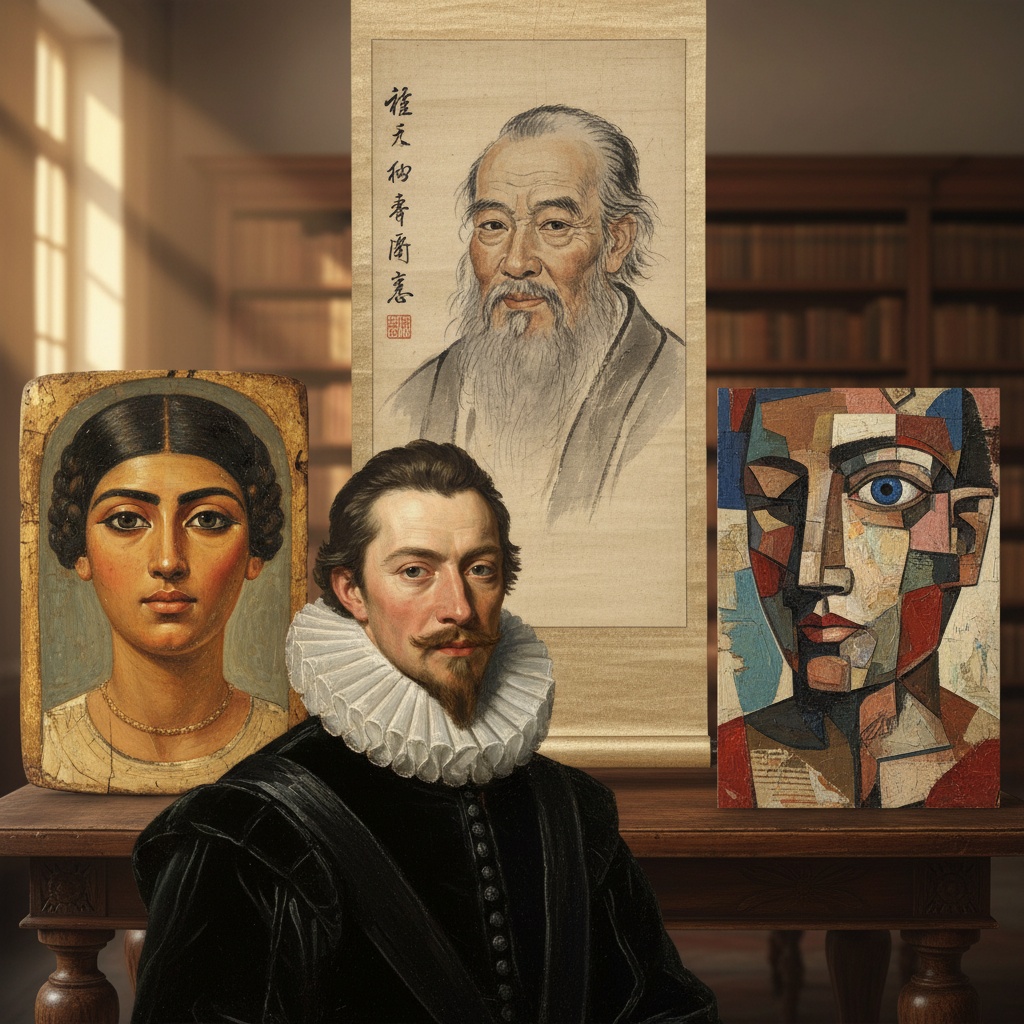
My fascination with observing strangers, not in a peculiar way, but with a quiet, internal wonder about their stories and essence, is the very spark that ignited my lifelong passion for portraiture. It’s a deep-seated human curiosity—to capture and understand a face, or even just the echo of a soul – and it’s precisely why portraiture, in all its fascinating forms, has captivated me for so long. It's far more than rendering a likeness; it’s an ambitious attempt to bottle a soul, or at least a significant moment in its journey. Though, speaking from personal experience, sometimes it’s just about getting the nose right, which is notoriously difficult. This quest isn't merely an art history lesson; it's a powerful mirror reflecting how humanity has grappled with identity, status, connection, social norms, and even propaganda across millennia. The earliest attempts at capturing individual likenesses weren’t born from vanity, but from ritualistic necessity. Ancient Egypt, for example, saw portraiture inextricably linked to the afterlife; sculpted heads and painted images were intended to ensure the deceased's continued existence in the spirit world. These weren’t idealized representations, but rather carefully observed depictions meant to serve a very specific purpose – preserving identity beyond mortality. The Romans, pragmatic as ever, utilized portrait sculpture for political ends, creating realistic busts of emperors and prominent citizens to project power and authority. These portraits weren't simply aesthetic objects; they were statements of dominance, intended to convey strength, wisdom, and lineage. However, with the fall of Rome, a focus on individualized representation largely faded, replaced by more symbolic and generic depictions in medieval art.
Renaissance Portraits: Humanism, Identity & Artistic Innovation
Renaissance art (1350 – 1620) is the painting, sculpture, and decorative arts of the period of European history known as the Renaissance, which emerged as a distinct style in Italy in about AD 1400, in parallel with developments which occurred in phi...
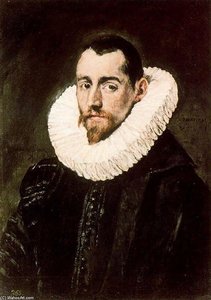
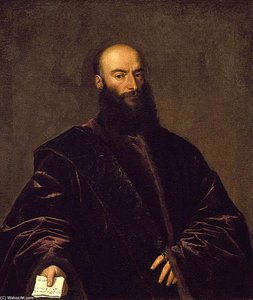
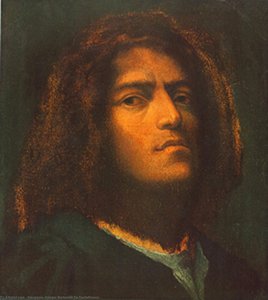
The Renaissance witnessed a profound rebirth – not just of classical forms, but also of an interest in the individual. Humanist philosophy placed humankind at the center of its universe, fostering a desire to understand and celebrate human potential. This shift is dramatically reflected in the art of the period, particularly in portraiture. Artists like Robert Campin began incorporating donors into their religious scenes with increasing specificity, hinting at a growing appreciation for earthly identity. But it was artists such as Hans Memling who truly elevated portraiture, depicting sitters with remarkable detail and psychological depth. The profile view, reminiscent of ancient coins, remained popular initially, but the three-quarter pose soon emerged, allowing for greater engagement between subject and viewer. Leonardo da Vinci’s Mona Lisa (ca. 1503–5) is perhaps the quintessential example – a masterpiece not just of technique, but also of psychological insight. Her enigmatic smile continues to captivate audiences centuries later, prompting endless speculation about her inner life. Raphael further refined this approach with portraits like that of Baldassare Castiglione (ca. 1514), emphasizing lively expression and soft lighting. The Renaissance wasn’t simply a revival of classical forms; it was a synthesis of ancient tradition, Northern European realism, and contemporary scientific knowledge – all converging to create a new standard for portraiture.
Baroque Drama & Rococo Intimacy: The Evolving Psychology of the Gaze
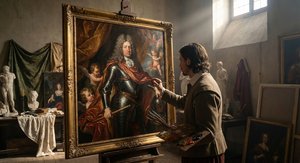
The Baroque period saw portraiture embrace drama, grandeur, and emotional intensity. Artists like Antonio Allegri da Correggio masterfully employed chiaroscuro – the dramatic contrast between light and shadow – to create a sense of theatricality and psychological depth in works such as “Judith.” Triangular compositions became prevalent, lending stability and focus to the subject. This era wasn’t just about capturing likeness; it was about conveying power, status, and emotional states. Elisabetta Sirani's "Judith with Holofernes" (1665) exemplifies this shift, showcasing a powerful female figure grappling with grief and determination. The Rococo period, which followed, favored intimacy, elegance, and playful sensuality. Portraits became lighter in tone, often depicting sitters in idyllic settings or engaged in leisurely activities. While still concerned with status and wealth, Rococo portraiture also explored themes of love, beauty, and pleasure. This era saw a greater emphasis on capturing the sitter’s personality and social graces.
19th-Century Portraiture: Capturing Realism, Emotion & Social Status
The 19th century witnessed a renewed focus on realism in portraiture, driven by advancements in photography and a growing desire to depict everyday life. Artists sought to capture not just the physical likeness of their sitters, but also their inner worlds – their emotions, anxieties, and social standing. This period saw the rise of various artistic movements, each with its own distinct approach to portraiture. Romanticism emphasized emotion and individuality, while Realism focused on depicting subjects as they truly were, without idealization. The Impressionists, though primarily known for their landscapes, also produced portraits that captured fleeting moments and atmospheric effects. The Victorian era saw a proliferation of portraiture, reflecting the growing middle class and its desire to commemorate family members and social achievements. Portraits became increasingly detailed and elaborate, often showcasing sitters in opulent settings with symbolic objects that conveyed their wealth and status.
Modernity's Fragmentation: Cubism and Beyond in Portrait Painting
The 20th century shattered traditional notions of representation, leading to a radical experimentation in portraiture. Cubism, pioneered by artists like Pablo Picasso, fragmented the human form, presenting multiple perspectives simultaneously. This wasn’t about capturing likeness; it was about exploring the underlying structure of reality and challenging conventional ways of seeing. Other movements, such as Fauvism and Expressionism, prioritized emotional expression over realistic depiction, using bold colors and distorted forms to convey inner states. Pop Art embraced mass culture and celebrity, creating iconic portraits that reflected the superficiality and consumerism of modern society. Throughout the 20th century, artists continued to push the boundaries of portraiture, exploring themes of identity, alienation, and social commentary.
Portraiture Today: Identity, Technology & the Future of Representation
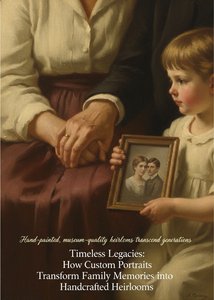
Today, portraiture continues to evolve, embracing new technologies and challenging traditional definitions. Digital art allows for unprecedented levels of manipulation and experimentation, while AI-generated portraits raise questions about authorship and authenticity. Artists are exploring themes of gender identity, race, and social justice, using portraiture as a powerful tool for activism and self-expression. The enduring power of the gaze remains central to this exploration – how we see ourselves and others, and how those perceptions shape our understanding of the world. From ancient rituals to AI art, portraiture has always been about more than just capturing a likeness; it’s about exploring the human condition itself. At ArtsDot, we celebrate this rich history by offering meticulously hand-painted reproductions of masterpieces from across the ages, as well as custom portraits tailored to your individual preferences. Whether you're seeking to adorn your home with a timeless classic or commission a unique artwork that reflects your own identity, our team of skilled artists and art consultants is here to guide you every step of the way. Explore our extensive collection at ArtsDot.com, where the enduring legacy of portraiture comes alive.