


The Dawn of Decadence: Historical Context & The Jazz Age
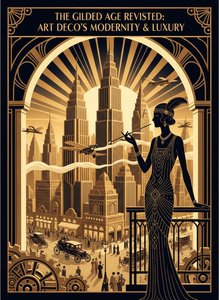
The 1920s—a decade synonymous with liberation, exuberance, and a profound cultural shift following the devastation of World War I. More than just flapper dresses and speakeasies, this era represented a deliberate rejection of Victorian constraints, an embrace of modernity, and a fervent pursuit of pleasure. The United States emerged as a global economic powerhouse, its newfound wealth fueling artistic innovation and transforming the very landscape of taste. This wasn't merely a stylistic change; it was a societal recalibration, a collective sigh of relief expressed through bold designs, vibrant colors, and a dynamic energy that permeated every facet of life. The “Jazz Age,” as F. Scott Fitzgerald famously dubbed it, provided the soundtrack to this revolution—a syncopated rhythm mirroring the accelerating pace of change and the intoxicating freedom felt by a generation eager to leave the past behind.
American money flowed not only into domestic industries but also fostered an international marketplace for innovative architecture, interior decoration, and decorative art. Europe, rebuilding after war, looked to America with increasing interest, adopting and adapting these new aesthetics. This cross-cultural exchange proved pivotal in shaping the distinctive visual language of the period, blending European craftsmanship with American dynamism. The desire for novelty wasn't simply superficial; it reflected a deeper yearning for progress and a belief in the power of design to improve—and even define—modern life.
Art Deco's Defining Characteristics: Geometry, Materials & Motifs
Art Deco, short for the French Arts décoratifs (lit. 'Decorative Arts'), is a style of visual arts, architecture, and product design that first appeared in Paris in the 1910s just before World War I and flourished internationally during the 1920s to ...
Emerging from the French Arts Décoratifs movement just before World War I, Art Deco quickly blossomed into an internationally recognized style throughout the 1920s and early 1930s. Its core aesthetic is immediately recognizable: a celebration of geometric forms—zigzags, chevrons, sunbursts, and stylized floral patterns—executed with meticulous precision. This wasn’t accidental; it was a conscious departure from the organic curves of Art Nouveau, favoring instead streamlined shapes that evoked speed, efficiency, and technological advancement. The Chrysler Building in New York City stands as an iconic testament to this architectural philosophy, its soaring spire a beacon of modern ambition.
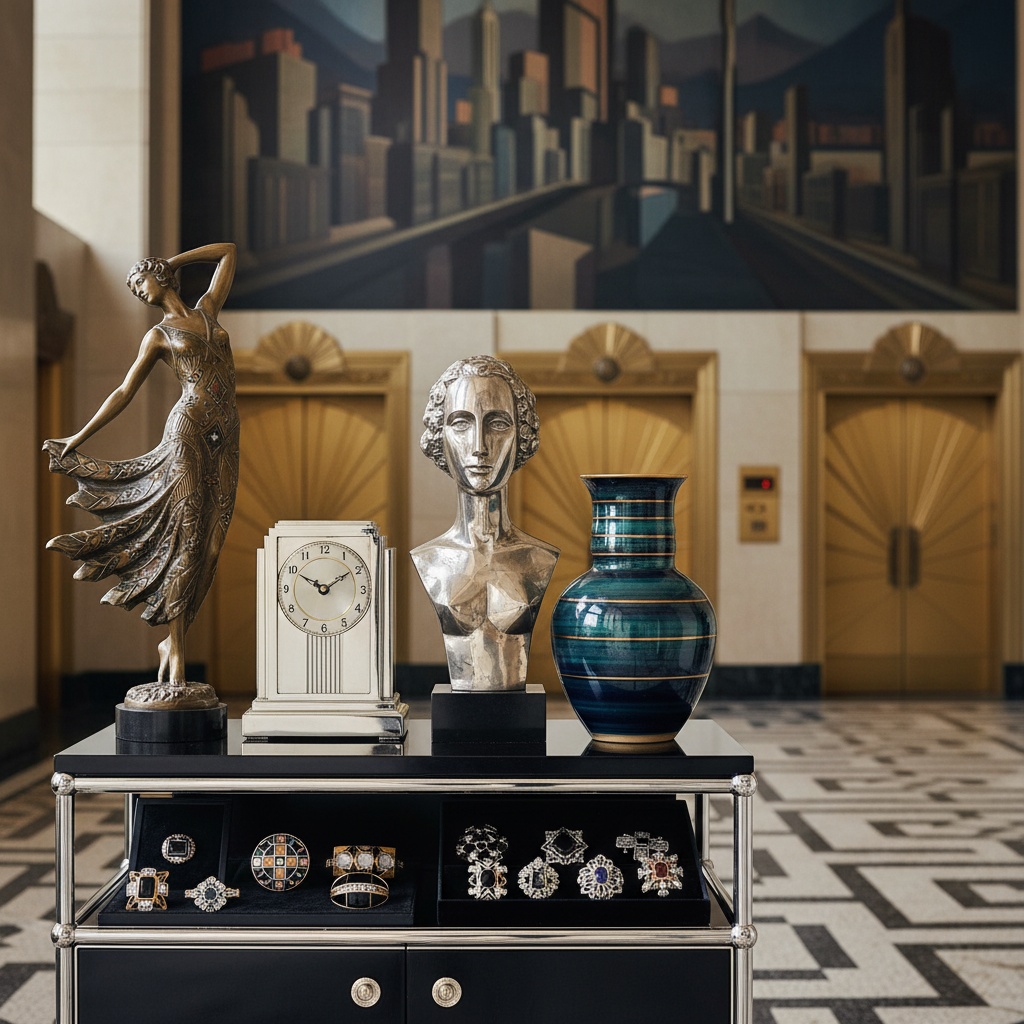
However, Art Deco wasn’t solely about geometry. The movement embraced luxurious materials—ebony, ivory, chrome plating, stainless steel, and exotic woods—often combined with exquisite craftsmanship. Artists drew inspiration from diverse sources: ancient Egypt (following the discovery of Tutankhamun's tomb in 1922), Aztec and Mayan art, Chinese lacquerware, and Japanese woodblock prints. This eclectic mix resulted in a uniquely opulent style that conveyed both sophistication and glamour. The use of new materials like Bakelite also signaled a fascination with industrial production and the possibilities of mass-produced beauty.
Modernism’s Counterpoint: Abstraction, Subjectivity & Philosophical Roots
Modernism was an early 20th-century movement in literature, visual arts, performing arts, and music that emphasized experimentation, abstraction, and subjective experience. Philosophy, politics, architecture, and social issues were all aspects of thi...
While Art Deco celebrated ornamentation and luxury, Modernism offered a more radical departure from tradition. Emerging as a response to the seismic shifts in Western culture—secularization, industrialization, and the psychological impact of war—Modernism prioritized experimentation, abstraction, and subjective experience. It wasn’t simply about *what* was being depicted but *how* it was depicted. Artists questioned traditional notions of representation, seeking new ways to express the complexities of the modern world.
Philosophically, Modernism centered around a perceived “growing alienation” from prevailing morality and convention. Artists like Pablo Picasso, with his groundbreaking work Les Demoiselles d'Avignon, shattered conventional perspectives, paving the way for Cubism and other abstract movements. This rejection of realism wasn’t nihilistic; it was an attempt to capture a more profound truth—the fragmented nature of perception and the subjective experience of reality. Modernist painters often explored themes of isolation, anxiety, and the search for meaning in a rapidly changing world.
Key Artists of the Era: Lempicka, Dufy, Stettheimer & Beyond
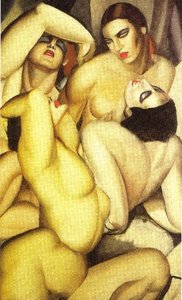
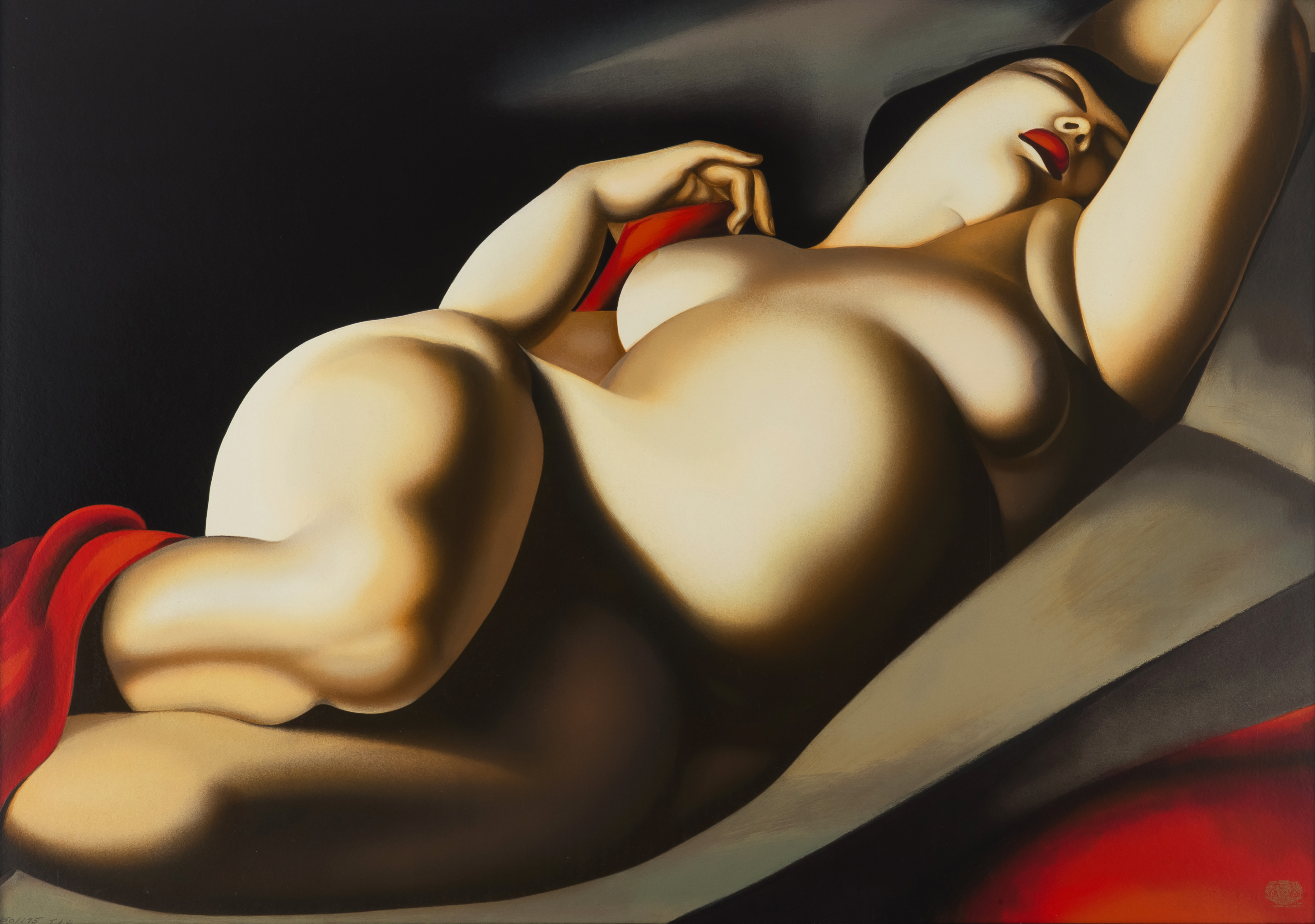
The 1920s boasted a constellation of remarkable artists who embodied both the glamour of Art Deco and the intellectual rigor of Modernism. Tamara de Lempicka, perhaps the most iconic figure of Art Deco painting, captured the spirit of the era with her polished portraits of aristocratic women—powerful, independent figures radiating confidence and sophistication. Her signature style, characterized by sleek lines, bold colors, and a distinctive use of light and shadow, became synonymous with the Jazz Age aesthetic.
Raoul Dufy, while associated with Fauvism, embraced the decorative qualities of Art Deco in his vibrant scenes of leisure—beachscapes, regattas, and bustling city life. His paintings exuded a joyful energy and celebrated the pleasures of modern existence. In contrast, Florine Stettheimer offered a uniquely American perspective, depicting the social circles of New York City with wit and elegance. Her “Cathedral” series is a fascinating exploration of urban life and feminist themes.
Other notable figures included Rafael de Penagos, whose striking portraits captured the essence of Spanish society, and Salvador Dalí, who began his artistic journey experimenting with Art Deco influences before fully embracing Surrealism. These artists, each in their own way, contributed to the rich tapestry of 1920s art.
Collecting 1920s Art: Identifying Authenticity & Investment Potential
For the discerning collector, acquiring artwork from the 1920s represents not only an aesthetic investment but also a connection to a pivotal moment in history. However, navigating this market requires careful consideration. Authenticity is paramount—thorough provenance research is essential, verifying the work’s ownership history and establishing its legitimacy. Look for signatures, exhibition records, and documentation from reputable sources.
The condition of the artwork also plays a crucial role in determining its value. Restoration should be documented transparently, and any significant damage or alterations must be disclosed. Investment potential varies depending on the artist, rarity, and overall quality of the piece. Works by established figures like Lempicka and Dufy command high prices, but emerging artists from the period also offer promising opportunities.
Consulting with art experts is highly recommended—they can provide valuable insights into market trends, assess authenticity, and guide you towards informed purchasing decisions. Understanding the stylistic nuances of Art Deco and Modernism will further enhance your ability to identify exceptional pieces and build a truly remarkable collection.
Harmonizing Eras: Integrating Art Deco and Modernist Pieces into Contemporary Spaces
Integrating artwork from the 1920s into contemporary interiors requires a delicate balance—a harmonious blend of past and present. Art Deco’s bold geometric patterns and luxurious materials can add a touch of glamour to modern spaces, particularly when paired with sleek furniture and neutral color palettes. Consider using Art Deco mirrors or lighting fixtures as focal points, creating a sense of sophistication and elegance.
Modernist paintings, with their abstract forms and subjective expressions, offer a more subtle yet equally impactful aesthetic. These works can complement minimalist interiors, adding depth and visual interest without overwhelming the space. Experiment with different arrangements—grouping pieces together to create a gallery wall or showcasing a single statement piece as a focal point.
At ArtsDot.com, we specialize in bringing the masterpieces of history into your home. Our handmade oil paintings and museum-quality prints allow you to experience the beauty and artistry of the 1920s firsthand. Whether you’re seeking a striking Art Deco portrait or an evocative Modernist landscape, our extensive collection offers something for every taste and style. Explore our curated selection today and discover the timeless allure of this extraordinary era.