The Impressionist Eye: Capturing the Fleeting Flight of Birds
 Beyond Light & Color: Impressionism vs. Post-Impressionism for the Discerning Collector
The Dawn of Impressionism: Capturing Fleeting Moments Impressionism, a revolutionary art movement born in 19th-century France, marked a radical departure from the academic traditions that had long dominated the art world. Artists like Claude Monet, P...
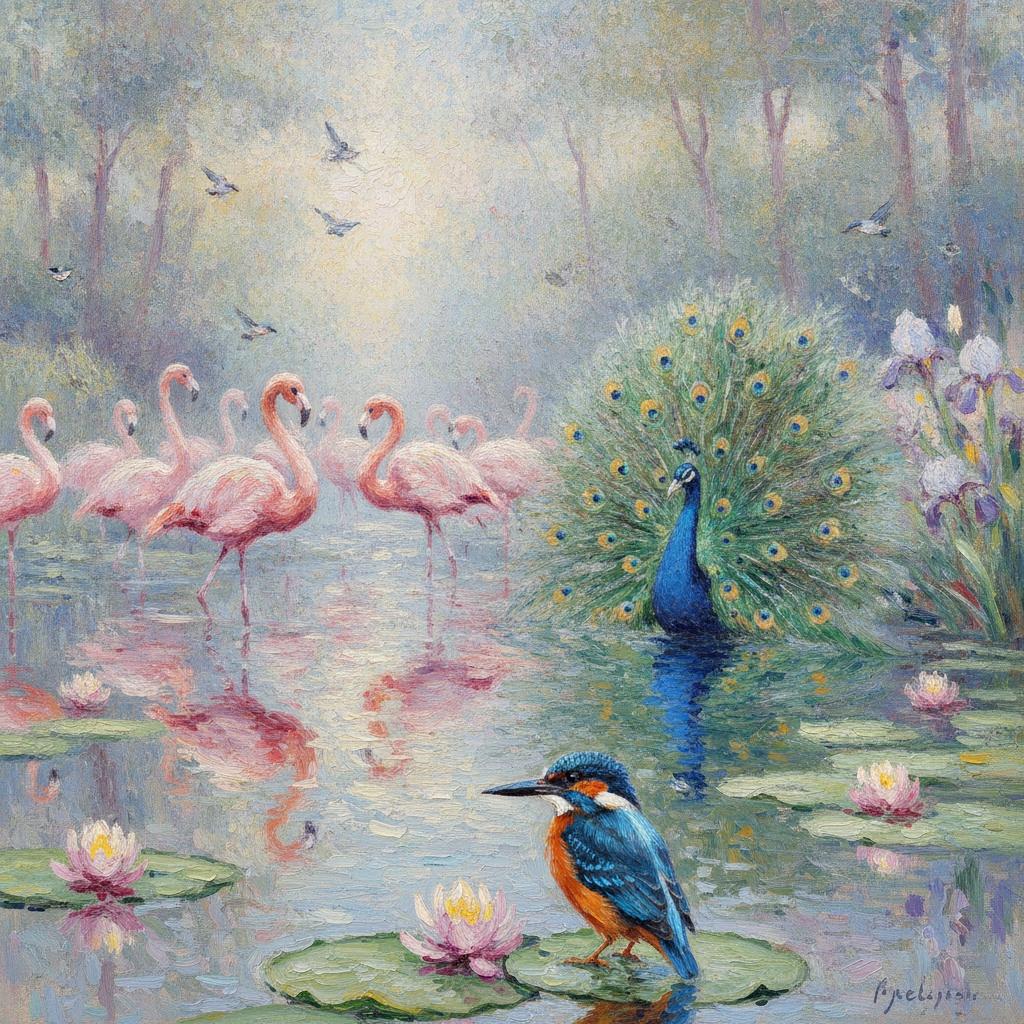
There is a profound, quiet magic that occurs when we pause to observe a single bird amidst the dappled sunlight of a summer afternoon. For the Impressionists, this moment was not merely a subject for documentation, but a gateway into the very essence of perception. Unlike the rigid, academic traditions of the 19th century that demanded meticulous detail and historical gravity, the Impressionist movement sought to capture the fleeting—the ephemeral dance of light, the sudden flutter of a wing, and the atmospheric haze that softens the edges of the world. When we look at bird art through this lens, we are not just looking at ornithology; we and we are witnessing a revolution of the senses.
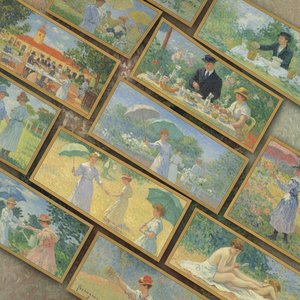
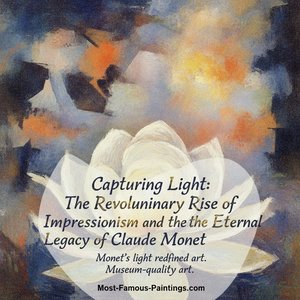
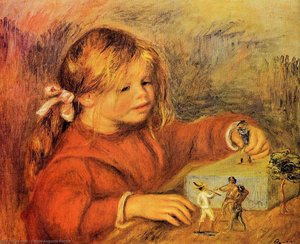
To understand this movement is to step away from the heavy, dark studios of the past and into the vibrant, sun-drenched outdoors. Artists like Claude Monet and Pierre-Auguste Renoir ventured en plein air, inviting the wind and the shifting clouds to become part of their creative process. In their hands, a bird becomes less a specimen of biology and more a stroke of pure energy. The goal was never to replicate every individual feather with scientific precision, but rather to record a momentary impression—a sensory memory of how the light caught a crest or how a shadow fell across a nest during that singular, unrepeatable second of existence.
Light, Color, and Wing: The Sensory Magic of Impressionist Techniques
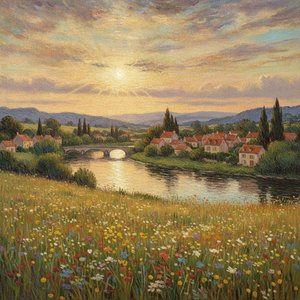 Capturing the Light: A Journey Through the Ethereal Magic of Impressionism and Post-Impressionism
The Dawn of Impressionism: Breaking the Chains of Academic Tradition Beyond Light & Color: Impressionism vs. Post-Impressionism for the Discerning Collector The Dawn of Impressionism: Capturing Fleeting Moments Impressionism, a revolutionary art move...
The true soul of Impressionist bird art lies in its technical brilliance, specifically through the use of broken color and visible brushwork. If you lean closer to a masterpiece by Renoir or Monet, you will see that the image is composed of short, rhythmic dashes of pigment. These colors are not blended smoothly on the palette; instead, they are applied side-by me, allowing the viewer’s own eye to perform the optical mixing. This technique creates a shimmering, luminous effect that mimics the way light actually interacts with living things. When observing a depiction of a bird in flight, this method allows the wings to appear as if they are vibrating with life, caught in a state of perpetual motion.
This mastery of light extends to the very texture of the canvas. The use of impasto—thick, textured applications of oil paint—adds a tactile dimension that a mere print can never replicate. In these works, the highlights on a bird's plumage are often raised from the surface, catching real light in the room where the painting hangs. This creates a sense of depth and vitality, as if the subject might stir at any moment. By prioritizing atmosphere over anatomical accuracy, these artists achieved something far more profound: they captured the feeling of being present in nature, inviting us to share in their quiet, breathless wonder.
From Monet to Renoir: Master Artists and Their Avian Inspirations
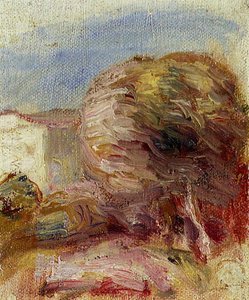 La Poste at Cagnes
A Glimpse into Provençal Life: Pierre-Auguste Renoir’s *La Poste at Cagnes* Pierre-Auguste Renoir's *La Poste at Cagnes*, painted in 1905, is more than just a depiction of a rural scene; it’s an evocative distillation of the French Impressionist aest...
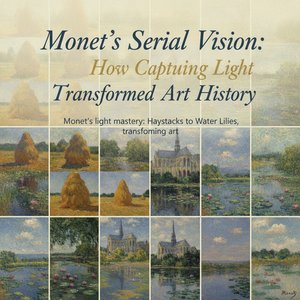
While many artists contributed to this era, certain names stand as pillars of this feathered aesthetic. Claude Monet, perhaps the most iconic of the group, often used birds as elements within his larger, sweeping landscapes. In his work, a bird might be a mere suggestion of movement amidst a sea of water lilies or a sun-drenched meadow, yet its presence is vital to the composition's rhythm. His focus remained steadfastly on how the atmosphere—the mist, the heat, or the rain—transformed the subject, making the bird an inseparable part of the environmental tapestry.
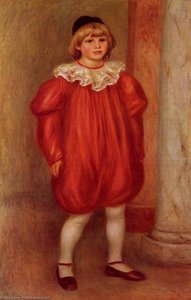
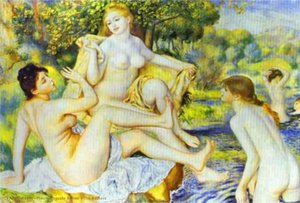
Pierre-Auguste Renoir brought a different, perhaps more intimate, warmth to the genre. His fascination with the beauty of everyday life and the softness of light often resulted in scenes that felt deeply tranquil. In works such as his floral still lifes or rural landscapes, one can sense a profound contentment. When Renoir approached nature, he sought the harmony between subject and setting, using a palette of soft yellows, reds, and greens to evoke a sense of peace. To view a Renoir is to experience a world where even the smallest creature is bathed in a divine, golden glow, reminding us of the inherent grace found in the simplest corners of our world.
Post-Impressionism's Soul: Finding Emotional Depth in Feathered Forms
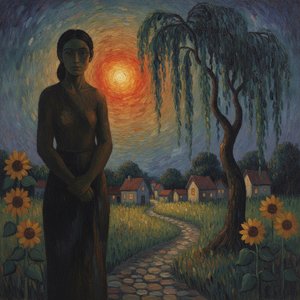 Beyond the Light: Discovering the Soul and Emotional Depth of Post-Impressionism
The Dissatisfaction with Fleeting Light: Transitioning from Impressionism to Post-Impressionism Beyond Impressionism: Exploring the Emotional Depth of Post-Impressionist Painting The Seeds of Rebellion: From Impressionism’s Light to New Visions Wikip...
As we move from the Impressionist era into Post-Impressionism, the focus shifts from the external observation of light to an internal exploration of emotion and symbolism. Artists such as Vincent van Gogh and Paul Cézanne took the foundations laid by their predecessors and infused them with a more profound, often turbulent, spiritual depth. For these masters, a bird was no longer just a vessel for light; it became a symbol of the human condition, of longing, or of structural permanence.
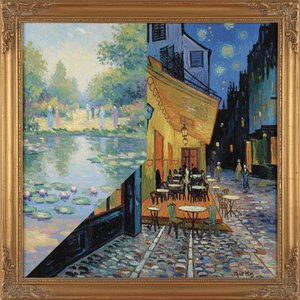
Van Gogh’s work, characterized by swirling, expressive brushstrokes, allows us to feel the very pulse of life. His use of bold, often non-naturalistic colors can turn a simple avian subject into an intense psychological landscape. Conversely, Cézanne approached nature with a desire to find its underlying geometric structure. In his hands, the organic forms of birds and nests are distilled into essential shapes, providing a sense of weight and permanence that anchors the viewer. This transition from the fleeting moment to the enduring essence allowed art to move toward the modern era, proving that even a subject as small as a bird can carry the weight of the infinite.
Bringing the Garden Indoors: Curating Bird Art for a Serene Home
 Cornell Lab of Ornithology
A Sanctuary of Wings and Wonder: Exploring the Cornell Lab of Ornithology Nestled in the rolling hills of Ithaca, New York, the Cornell Lab of Ornithology transcends the typical definition of a research institution; it is a vibrant testament to our e...
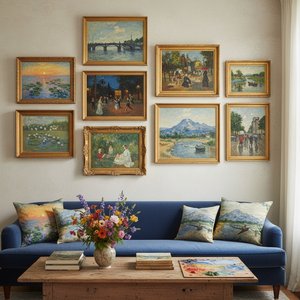
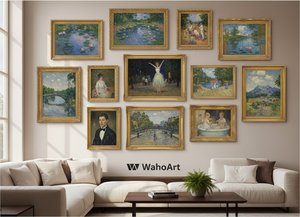
For the discerning collector, bringing these feathered masterpieces into one's home is an act of creating a sanctuary. Much like the Cornell Lab of Ornithology serves as a window into the scientific wonders of the avian world, Impressionist art serves as a window into the emotional wonders of nature. Curating a collection of bird-themed art allows you to infuse your living space with a sense of tranquility and timelessness. Whether it is a large-scale multi-panel landscape that spans a grand hallway or a delicate, intimate portrait for a reading nook, these works act as anchors of peace.
When selecting pieces for your home, consider the interplay of color and light within your own architecture. A painting with vibrant, sun-drenched tones can brighten a dim corner, while more structured, Post-Impressionist works can provide a sophisticated focal point in a modern room. Art is a lasting memory, and by surrounding ourselves with the soft, luminous textures of the Impressionists, we invite a perpetual sense of spring into our lives. It is an invitation to look up, to listen, and to find beauty in every fleeting moment.
At ArtsDot.com, we are dedicated to preserving this legacy of human creativity. We specialize in the exquisite reproduction of Impressionist and Post-Impressionist masterpieces, ensuring that the soul of the original—the visible brushstrokes, the depth of color, and the tactile texture—is captured in every hand-painted oil on canvas. Whether you wish to commission a custom piece inspired by your own memories or find a breathtaking recreation of a Monet, our master artists are here to bring the magic of the masters into your home.