Introduction: The Enduring Quest for the Divine in Art
Religious art is a visual representation of religious ideologies and their relationship with humans. Sacred art directly relates to religious art in the sense that its purpose is for worship and religious practices. According to one set of definition...
From the earliest cave paintings depicting shamanistic rituals to the soaring Gothic cathedrals reaching towards the heavens, humanity has consistently turned to art as a means of exploring and expressing its deepest spiritual beliefs. This impulse isn’t merely about representation; it's a fundamental drive to connect with something beyond the tangible world—a search for meaning, transcendence, and an understanding of our place within the cosmos. Throughout history, artists haven’t simply *illustrated* faith; they have actively shaped its visual language, creating powerful symbols and narratives that continue to resonate across cultures and generations. The artworks born from this quest offer a unique window into the evolving human spirit, reflecting not only religious doctrines but also the profound emotional and philosophical concerns of their time.
Ancient Roots: Symbolism and Spirituality in Early Religious Art
Symbolism or symbolist may refer to: Symbol, any object or sign that represents an idea == Arts == Artistic symbol, an element of a literary, visual, or other work of art that represents an idea Color symbolism, the use of colors within various cu...
The origins of spiritual art are inextricably linked to the dawn of civilization. In ancient Egypt, elaborate tomb paintings weren’t just funerary decorations; they were meticulously crafted guides for the deceased's journey through the afterlife, filled with symbolic representations of gods, goddesses, and protective spirits. Similarly, Mesopotamian votive figures—small sculptures offered to deities—demonstrated a tangible connection between worshippers and the divine realm. These early forms of religious art weren’t concerned with realistic depiction; instead, they prioritized conveying essential spiritual truths through codified imagery. The power lay in the symbol itself – the ankh representing life, the scarab beetle embodying rebirth – understood by initiates within the culture. This emphasis on symbolism continued to flourish in ancient Greece and Rome, where depictions of gods and heroes, while often anthropomorphic, were imbued with deeper mythological significance. The very act of creating these images was considered sacred, a way to honor the divine and ensure cosmic harmony.
Iconography & Haloes: Visualizing Holiness Across Traditions
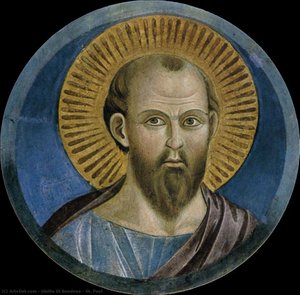
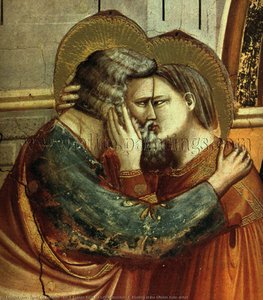
A halo (from Ancient Greek ἅλως, hálōs, 'threshing floor, disk'), also called a nimbus, aureole, glory or gloriole (Latin: gloriola, lit. 'little glory'), is a crown of light rays, circle or disk of light that surrounds a person in works of art. Th...
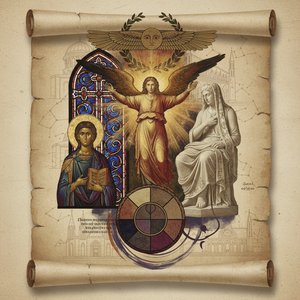
As religions evolved, so too did their visual languages. The development of iconography—the creation of standardized representations of religious figures—became central to many faiths. In Eastern Orthodox Christianity, icons weren’t merely portraits but windows into the divine, believed to possess a spiritual presence. The meticulous detail and specific color palettes used in icon painting were governed by strict traditions intended to facilitate prayer and contemplation. A particularly potent symbol across numerous cultures is the halo—a radiant circle or disk surrounding the head of a holy figure. Originating in ancient Greece as a sign of royalty, the halo was adopted by Christianity to signify sanctity and divine grace. We see it adorning depictions of Christ, the Virgin Mary, and various saints, but its use isn’t exclusive to Western traditions; similar luminous representations appear in Buddhist art surrounding enlightened Buddhas, signifying their spiritual awakening. The halo, whether a simple golden ring or an elaborate burst of light, serves as a universal visual cue for recognizing holiness and transcendence.
Renaissance Reverence: Faith, Emotion, and Artistic Expression
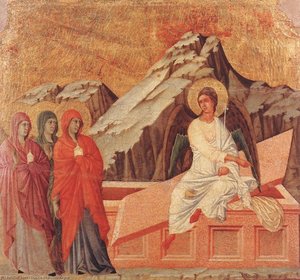
The Renaissance witnessed a remarkable flowering of artistic skill and spiritual fervor. Artists like Duccio di Buoninsegna, in his magnificent Maestà altarpiece, masterfully blended Byzantine iconographic traditions with emerging naturalistic techniques. His depiction of Pontius Pilate washing his hands is not simply a historical scene; it’s a powerful exploration of guilt, responsibility, and the weight of human choice. Viktor Vasnetsov's pencil sketch, Savior in the Crown of Thorns, exemplifies the Renaissance focus on emotional depth and realism within religious subject matter. The raw vulnerability conveyed through Christ’s expression invites viewers to empathize with his suffering. This period saw a shift towards portraying biblical figures as relatable human beings, imbued with both divine grace and earthly emotion. Artists weren't just recreating stories; they were seeking to evoke genuine faith and spiritual connection in their audience.
Modern Visions: Spiritual Exploration Beyond Traditional Forms
The modern era challenged traditional notions of religious representation, but it didn’t extinguish the impulse for spiritual expression. Artists like Paul Klee, with his abstract work Domestic Requiem, explored spirituality through color, form, and symbolism rather than literal depiction. His intricate line work and warm palette evoke a sense of inner contemplation and emotional resonance. Mikhail Nesterov, a key figure in the Russian Symbolist movement, focused on themes of mysticism, solitude, and the search for spiritual truth in his portraits and landscapes. Even artists who rejected organized religion often sought to convey a sense of awe, wonder, and connection with something larger than themselves through their work. Contemporary painters like Ștefan Pelmuș continue this tradition, blending surreal imagery with folklore and Orthodox Christian faith to create deeply personal and evocative works. Mark Luyten’s paintings explore biblical narratives and spiritual themes with a unique visual language.
Conclusion: The Timeless Dialogue Between Art and the Sacred
The history of art is, in many ways, a testament to humanity's enduring quest for the sacred. From ancient symbols to modern abstractions, artists have consistently sought new ways to visualize faith, explore spiritual truths, and connect with the divine. Whether through meticulous iconography, emotional realism, or abstract expression, these artworks offer a powerful reminder of our shared human longing for meaning and transcendence. At ArtsDot.com, we are proud to offer high-quality reproductions of masterpieces from across the ages, allowing you to bring these timeless visions into your own home and continue this ongoing dialogue between art and the sacred.