The Emotional Architecture: How Abstract Art Shapes Guest Experience
Experiential interior design (EID) is the practice of employing experiential or phenomenological values in interior experience design. EID is a human-centered design approach to interior architecture based on modern environmental psychology emphasizi...
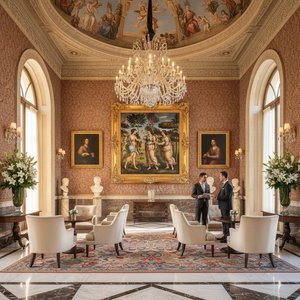
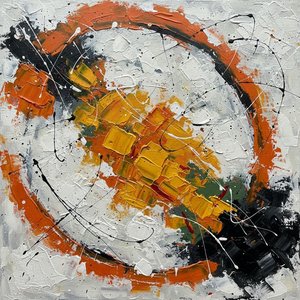
In the realm of luxury hospitality, design is far more than a mere arrangement of fine furniture and exquisite textures; it is the silent orchestrator of human emotion. For the discerning hotel designer, every corridor, lobby, and suite serves as a stage for experiential interior design, where the goal is to trigger profound sensory and psychological responses. Abstract art acts as the vital pulse within this architecture, offering a window into an inner world that transcends the physical boundaries of a room. Unlike representational works that dictate a specific narrative, abstraction invites the guest to participate in the creation of meaning. It provides a sanctuary for contemplation, allowing the mind to wander through landscapes of color and form, effectively transforming a transient space into a memorable destination.
When a guest enters a lobby adorned with a powerful, non-representational masterpiece, they are not merely observing an object; they are entering a dialogue. This phenomenational approach to design utilizes art to influence the total human experience—cognitive, emotional, and social. By integrating works that evoke mystery, tranquility, or energy, a designer can curate a specific atmosphere that resonates with the brand's identity. The true power of abstraction lies in its ability to provide a sense of transcendence, offering a respite from the chaotic external world and grounding the guest in a moment of pure aesthetic joy.
From Geometric Precision to Fluid Expression: Selecting the Right Movement for Your Space
 Geometric Abstraction's 10 Defining Masterpieces | Art for Your Home - ArtsDot
Introduction Imagine a world stripped bare to its essential forms – lines, colors, and shapes resonating with an almost mathematical purity. This is the realm of Geometric Abstraction, a movement that dared to abandon representational art in favor of...
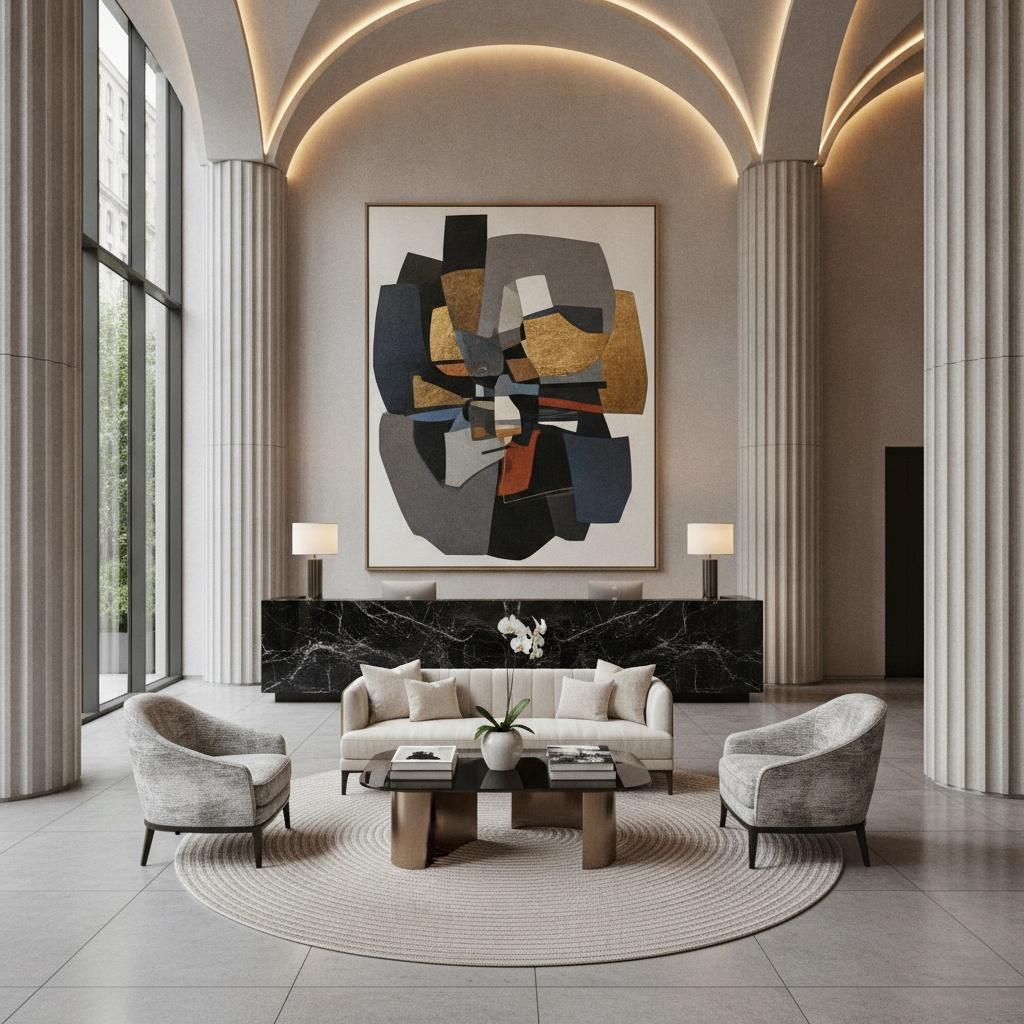
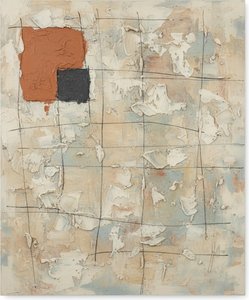
The selection of an abstract movement is a strategic decision that defines the structural integrity of an interior. For spaces characterized by modernism, clean lines, and architectural rigor, Geometric Abstraction offers an unparalleled sense of order and mathematical purity. Drawing inspiration from pioneers like Auguste Herbin, who explored the evolution of form through structured color, this style utilizes lines, shapes, and balanced compositions to create a visual language of stability. In a contemporary hotel setting, geometric works can harmonize with minimalist furniture and sleek, glass-heavy architecture, providing a sophisticated anchor that feels both timeless and intellectually stimulating.
Conversely, for suites or lounges intended to evoke intimacy and movement, the visceral energy of Abstract Expressionism may be more appropriate. This movement, born from the raw emotion of the mid-20th century, celebrates spontaneity and the physical act of creation. The works of artists like Jackson Pollock or the luminous, atmospheric landscapes reminiscent of John Howard Jephcott offer a stark contrast to geometric rigidity. These pieces utilize thick impasto, dynamic brushwork, and organic forms to create a sense of depth and vitality. Whether one seeks the structured elegance of a grid-based composition or the swirling, emotive energy of gestural strokes, the choice of movement dictates the very rhythm of the guest's journey through the property.
Curating Chromatic Harmony: Using Color Theory to Define Interior Moods
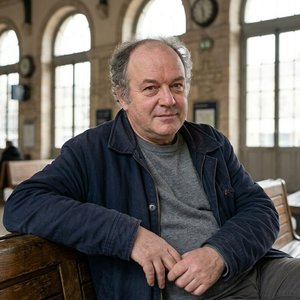 Christian Noiret
The Essence of Abstraction Born in 1964, Christian Noiret has emerged as a profound voice in the contemporary landscape, rooted in the rich cultural heritage of Lyon, France. His practice is defined by a rigorous modern non-representational visual ex...
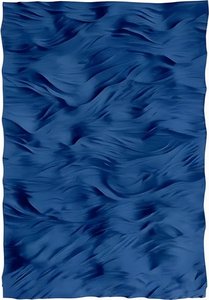
Color is perhaps the most potent tool in a designer’s repertoire, capable of altering the perceived temperature and mood of a room instantaneously. In abstract art, color serves as the primary protagonist, driving the narrative without the need for recognizable figures. A sophisticated palette can be used to achieve chromatic harmony, where carefully selected hues resonate with the existing materials of the interior—be it the warmth of walnut wood or the coolness of polished marble. The study of color in abstraction, much like the spiritual explorations of Wassily Kandinsky, reveals that certain vibrations of pigment can evoke specific psychological states: blues and teals to induce serenity and rest, or vibrant oranges and golds to stimulate social interaction and appetite.
The challenge for the professional designer lies in balancing contrast and cohesion. One might utilize a monochromatic scheme to create a sense of monolithic luxury, or introduce bold, discordant accents through an abstract piece to create a focal point that commands attention. By understanding the interplay between light and pigment, as seen in the works of Christian Noiret, designers can manipulate the perceived dimensions of a space. A well-placed work with deep, layered tones can add weight and importance to a grand hall, while lighter, ethereal compositions can make a compact boutique suite feel expansive and airy.
Scale and Presence: Integrating Large-Format Murals and Multi-Panel Compositions
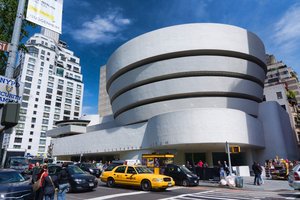 The Solomon R. Guggenheim Museum
A Spiraling Sanctuary of Modern Vision To step into The Solomon R. Guggenheim Museum in New York City is to leave the rigid, rectangular geometry of Manhattan behind and enter a realm where form and movement converge. This is not merely a repository ...
In high-end hospitality, the scale of art must be commensurate with the grandeur of the architecture. Small, scattered works can often feel lost in vast, soaring lobbies; instead, the use of large-format murals and ceiling frescoes creates an immersive environment that envelops the viewer. These monumental works, painted on massive canvas rolls, allow a designer to recreate historical splendor or modern boldness across entire walls, much like the breathtaking experience of the Guggenheim Museum. Such large-scale interventions turn architectural surfaces into living canvases, blurring the line between the building itself and the art it houses.
For more versatile applications, the multi-panel trend—splitting a single, cohesive image across three, four, or five panels—offers a sophisticated way to navigate wide walls or grand staircases. This technique introduces a rhythmic, architectural element to the decor, breaking up the visual weight of a large surface while maintaining the continuity of the artist's vision. These expansive compositions allow for a seamless flow of color and texture across a room, ensuring that the art does not merely sit upon the wall but becomes an integral part of the structural narrative, guiding the eye through the space with grace and intention.
The Tactile Dimension: The Superiority of Hand-Painted Oils in High-End Hospitality
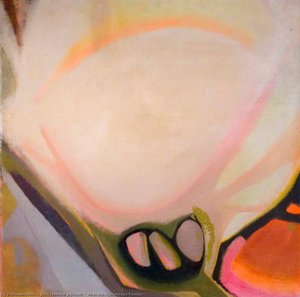 john howard jephcott
Early Life and Artistic Foundations John Howard Jephcott, born in 1910 and passing away in 1984, was a British artist whose work embodies the spirit of mid-20th century abstraction. While biographical details remain somewhat elusive—a characteristic ...
In an era dominated by digital reproduction, the true mark of luxury lies in the tactile dimension—the physical presence of the artist's hand. For a premium hotel, the choice between a flat print and a handmade oil reproduction is the difference between decoration and curation. A high-quality oil painting on cotton canvas possesses a depth that no computer-printed image can replicate. The visible brushstrokes, the subtle ridges of impasto, and the way light interacts with layers of pigment create a three-dimensional experience. This materiality provides a sense of authenticity and heritage that resonates with affluent travelers seeking genuine, high-end experiences.
The longevity and prestige of hand-painted works also serve as a testament to the property's commitment to excellence. Using specialized materials like flexible gesso to prevent cracking and damar varnish for protection ensures that these investments endure for generations. When a designer selects a piece characterized by its physical texture and tonal range, they are providing guests with a sensory encounter that is both profound and permanent. Ultimately, the soul of a luxury interior is found in these authentic details—the weight of the canvas, the richness of the oil, and the unmistakable mark of human creativity.
Discover the Art of Excellence with ArtsDot.com
At ArtsDot.com, we specialize in bringing this level of artistic sophistication to the world's most prestigious interiors. As a global leader in fine art reproductions, we offer an unparalleled collection of hand-painted oil masterpieces, bespoke murals, and custom commissions tailored for the hospitality industry. Whether you are looking to transform a personal photograph into a classical masterpiece or require large-scale multi-panel works for a hotel lobby, our master artists deliver museum-grade quality with a 100% satisfaction guarantee. We invite professional designers and collectors to explore our curated world of color and form, where every brushstroke is a commitment to luxury.