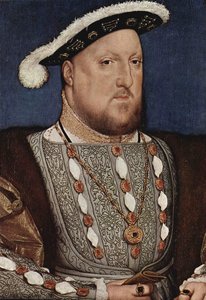
Introduction
To step into the world of Hans Holbein the Younger is to enter a realm where time stands still, captured with such surgical precision that one can almost hear the rustle of heavy Tudor silks and the quiet breathing of the English court. There is a profound, almost haunting intimacy in his work; he did not merely paint faces, he mapped souls. As we prepare to journey through his most significant masterpieces, we are not just looking at historical artifacts, but witnessing the birth of psychological portraiture—a moment in art history where the subject’s inner life began to emerge from the meticulous rendering of their outer finery.
\Born in the artistic crucible of Augsburg and refined in the intellectual atmosphere of Basel, Holbein’s journey eventually led him to the epicenter of power: the court of King Henry VIII. This was an era of immense cultural transformation, a period defined by the Renaissance's thirst for humanism and the shifting political tides of the Reformation. Within this high-stakes environment, Holbein became the definitive visual chronicler of his age. His ability to balance the magnificence of royal status with the vulnerability of the individual human condition allowed him to transcend the mere function of a court painter.
\These twenty-five selected works remain deeply resonant today because they speak to the universal truth of our existence: the tension between how we present ourselves to the world and who we truly are. Through his mastery of texture—the cold glint of a gold chain, the soft weight of velvet, the sharp clarity of a scholar's gaze—Holbein achieved a level of realism that feels startlingly modern. Each brushstroke serves as a bridge across five centuries, inviting us to contemplate the fleeting nature of power and the enduring legacy of character.
\In the following curation, we invite you to wander through this gallery of legends. From the commanding presence of monarchs to the quiet, contemplative studies of scholars and diplomats, each piece offers a window into a vanished world, meticulously preserved by a master who understood that to capture a likeness is to achieve a form of immortality.
Double Portrait of Jean de Dinteville and Georges de Selve (also known as The Ambassadors) - Hans Holbein the Younger
 Double Portrait of Jean de Dinteville and Georges de Selve (also known as The Ambassadors) - Hans Holbein the Younger
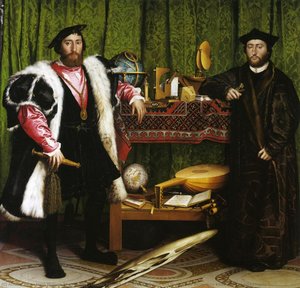
To stand before Double Portrait of Jean de Dinteville and Georges de Selve (also known as The Ambassadors) by Hans Holbein the Younger is to enter a world where every thread of silk and every glint of brass whispers a secret. Created in 1533, this masterpiece transcends mere portraiture; it is a profound meditation on the fragility of human existence amidst the political and religious tremors of the Tudor era.
Holbein’s Northern Renaissance precision is nothing short of miraculous. His brushwork captures the tactile opulence of heavy furs and the cold, mathematical perfection of celestial globes and scientific instruments. Yet, beneath this display of worldly intellect and diplomatic power lies a haunting memento mori : the enigmatic, anamorphic skull that disrupts the composition, reminding us of the inevitability of death. This tension between earthly glory and spiritual mortality makes it an essential pillar in our collection of the top 25 artworks of Hans Holbein the Younger. Even today, the painting’s dramatic chiaroscuro and symbolic depth possess a magnetic power, capable of transforming any modern space into a sanctuary of historical contemplation and intellectual wonder.
Portrait of Nikolaus Kratzer - Hans Holbein the Younger
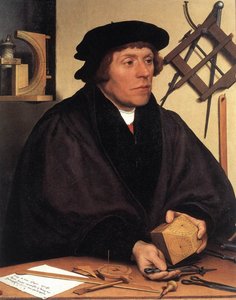 Portrait of Nikolaus Kratzer - Hans Holbein the Younger
In the Portrait of Nikolaus Kratzer , Hans Holbein the Younger does not merely capture a likeness; he composes a silent symphony of intellect and precision. To gaze upon this 1528 masterpiece is to feel the weight of Renaissance discovery. The light, cascading softly from the upper left, acts as a storyteller, illuminating the geometric complexities of the polyhedral sundial and the sharp, metallic edges of scientific instruments with a luminous, almost tactile clarity.
Holbein’s mastery lies in his ability to make textures breathe—the smooth, heavy weight of scholarly robes contrasted against the weathered grain of a wooden desk. The palette is a sophisticated study in restraint, utilizing deep umbers, rich blacks, and subtle earthen tones that evoke a sense of quiet prestige and profound contemplation. Every brushstroke serves to anchor Kratzer within his world of mathematics and astronomy, turning a simple portrait into an intimate window into the scientific soul of the Northern Renaissance. It is this breathtaking realism, where light and shadow invent a palpable reality, that secures its place among the top 25 artworks of Hans Holbein the Younger.
The Body of the Dead Christ in the Tomb - Hans Holbein the Younger
 The Body of the Dead Christ in the Tomb - Hans Holbein the Younger
In The Body of the Dead Christ in the Tomb , the sheer materiality of Holbein’s technique confronts the viewer with an unflinching, visceral reality. To study this masterpiece is to witness the profound tension between the pale, waxen flesh of the deceased and the heavy, somber textures of the wooden sepulcher. Holbein utilizes a meticulous application of oil and tempera to render anatomical precision—capturing the subtle, chilling nuances of mortality through light and shadow that seem to pulse with a quiet, haunting life.
This work stands as a cornerstone in our collection of the top 25 artworks of Hans Holbein the Younger because it transcends mere religious iconography; it is a masterclass in Northern Renaissance realism. At ArtsDot.com, we honor this legacy by offering hand-painted oil reproductions that preserve the tactile, three-dimensional quality of the original brushwork. Our artists recreate every subtle tonal shift and impasto detail, ensuring that the profound emotional depth and the stark, dramatic atmosphere of Holbein’s vision are brought into your private gallery with absolute authenticity.
Darmstadt Madonna - Hans Holbein the Younger
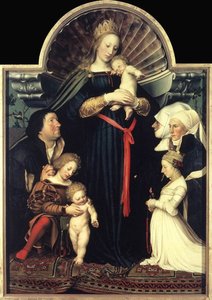 Darmstadt Madonna - Hans Holbein the Younger
In the Darmstadt Madonna , Hans Holbein the Younger achieves a breathtaking structural harmony that serves as a cornerstone of his legacy. The composition is masterfully anchored by a pyramidal arrangement , where the Virgin Mary and the infant Jesus form a stable, sacred apex. This geometric precision guides the eye through a delicate dance of organic human forms and the rigid, ornate architectural elements of the shell-like niche. Holbein utilizes a sophisticated use of chiaroscuro , allowing directional light to sculpt the figures, lending them a tactile, three-dimensional presence that feels remarkably alive.
Beyond its religious devotion, the painting’s internal balance offers a profound connection to modern aesthetics. The way Holbein balances rich, warm earth tones with intentional negative space and clean, defined outlines mirrors the principles of modern minimalist design . For the contemporary collector, this piece provides a grounding force; its serene stability and rhythmic clarity can anchor a clean, sophisticated interior, bringing the timeless perfection of the Northern Renaissance into a refined, contemporary living space.
The Ambassadors - Hans Holbein the Younger
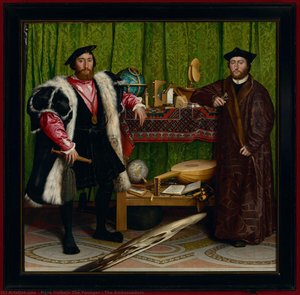 The Ambassadors - Hans Holbein the Younger
To understand the profound gravity of The Ambassadors , one must look beyond the opulent silks and furs to the distorted shadow stretching across the floor—a feat of mathematical precision that continues to baffle and enchant viewers centuries later. In this 1533 masterpiece, Hans Holbein the Younger transcends mere portraiture to create a complex theological and scientific dialogue. As you gaze upon the heavy textures of Jean de Dinteville’s fur-trimmed robes and the delicate luster of the celestial globe, you encounter a world caught between Renaissance discovery and religious fracture.
Holbein’s technical genius is most evident in the anamorphic skull , a haunting memento mori that only reveals its true form from a specific, oblique perspective. This interplay of hidden truth and visible splendor makes it one of the top 25 artworks of Hans Holbein the Younger. For the discerning professional, placing a high-quality oil reproduction of this work in a private study or home office invokes an atmosphere of intellectual rigor, deep contemplation, and timeless authority.
Edward, Prince of Wales - Hans Holbein the Younger
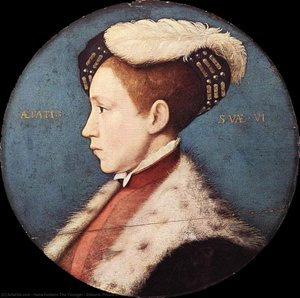 Edward, Prince of Wales - Hans Holbein the Younger
To gaze upon Edward, Prince of Wales by Hans Holbein the Younger is to step directly into the gilded, high-stakes atmosphere of the Tudor court. This 1543 masterpiece does not merely depict a royal heir; it captures the very pulse of the Northern Renaissance through an unparalleled command of texture and psychological presence. Its inclusion in our Top 25 collection is essential, as it exemplifies Holbein’s ability to weave regal authority with a startling, human naturalism—from the vibrant, commanding crimson of the Prince's jacket to the delicate, unexpected presence of birds in the background.
At ArtsDot.com, we believe such profound historical narratives should not be confined to the Met; they belong in the intimate sanctuaries of your own home. Whether through a hand-painted oil reproduction that preserves every meticulous brushstroke or a bespoke custom commission, we bring this era of majesty to your walls. Integrating this portrait into your interior design transforms a mere room into a curated gallery, turning a personal space into a sophisticated statement of heritage and timeless elegance.
Christina of Denmark, Ducchess of Milan - Hans Holbein the Younger
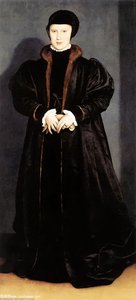 Christina of Denmark, Ducchess of Milan - Hans Holbein the Younger
In the quiet, somber depths of Christina of Denmark, Duchess of Milan , one encounters a soul preserved in the amber of history, where personal grief and political significance intersect through a single, steady gaze. This 1538 masterpiece stands as a cornerstone among the top 25 artworks of Hans Holbein the Younger due to its profound psychological depth and unparalleled technical precision. Holbein utilizes a muted, almost monochromatic palette of blacks and deep browns to direct all emotional energy toward Christina’s face, creating a sense of monumental dignity.
The sensory richness of the work is found in the tactile mastery of his brush; one can almost feel the heavy weight of the mourning fabrics, the soft luxury of the fur collar, and the delicate glint of gold embroidery that whispers of her noble status. For the discerning collector or interior designer, this portrait offers a sophisticated anchor for modern spaces. Its balanced, symmetrical composition and dignified silhouette provide a focal point of calm and intellectual gravity, seamlessly harmonizing with both classical period rooms and contemporary minimalist interiors.
An Allegory of the Old and New Testaments - Hans Holbein the Younger
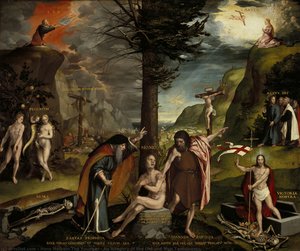 An Allegory of the Old and New Testaments - Hans Holbein the Younger
To stand before An Allegory of the Old and New Testaments is to witness a profound cosmic drama unfolding across a single canvas. In this 1530 masterpiece, Hans Holbein the Younger orchestrates a breathtaking visual symphony of human frailty and divine promise. The air within the painting feels heavy with the weight of destiny; one can almost sense the tension in Adam’s contemplative gaze and the subtle, dangerous movement of the serpent coiled around the Tree of Knowledge.
Holbein employs a rich, earthy palette, punctuated by luminous highlights of gold and soft rose, to guide the eye through a complex landscape of rolling hills and brooding skies. Every texture—from the delicate skin of Eve to the stark, chilling presence of the skeleton in the corner—is rendered with the meticulous precision that defined the Northern Renaissance. This work is not merely a biblical narrative; it is an immersive experience of light and shadow. For the discerning collector, bringing such a piece into a contemporary space offers more than decoration; it introduces a profound sense of historical depth and a quiet, contemplative gravity that invites daily reflection on the enduring cycles of life and redemption.
Jane Seymour, Queen of England - Hans Holbein the Younger
 Jane Seymour, Queen of England - Hans Holbein the Younger
To stand before a masterpiece is to witness history held in a breathless pause. In 1536, amidst the political tremors of the Tudor court, Hans Holbein the Younger captured a moment of profound transition in Jane Seymour, Queen of England . This work earns its place among the top 25 artworks of Hans Holbein the Younger through its haunting ability to balance royal authority with a palpable, quiet vulnerability.
Holbein eschews dramatic shadows for an almost photographic realism, focusing the viewer's gaze on the meticulous textures of her attire. The striking crimson of her gown provides a singular, powerful focal point against a restrained background, while his precise brushwork renders every delicate fold of fabric and the subtle grace of her hands with academic excellence. There is a solemnity here—a sense of a woman navigating the heavy mantle of queenship following the tragic demise of Anne Boleyn. This portrait does more than document a likeness; it preserves the dignity of a legacy. Much like the curated pieces in a fine estate, this painting brings an enduring sense of sophistication and historical gravity to any space it inhabits.
Sir Brian Tuke - Hans Holbein the Younger
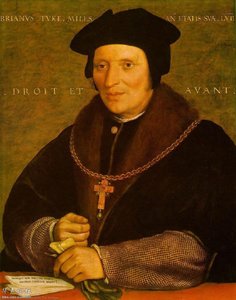 Sir Brian Tuke - Hans Holbein the Younger
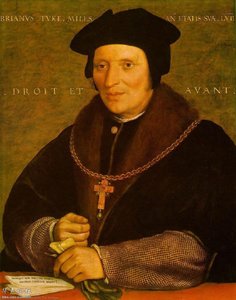
In Sir Brian Tuke , Hans Holbein the Younger does not merely capture a likeness; he composes a silent symphony of power and intellect. As you stand before this 1527 masterpiece, notice how the light does not simply rest upon the surface—it is meticulously orchestrated to reveal the very soul of the Tudor court. The illumination dances across the heavy textures of the black robe and the soft, tactile richness of the fur collar, creating a sensory experience that feels almost tangible.
Holbein uses light as a language to narrate Tuke’s importance. The subtle glow reflecting off the paper and book held in his hands speaks of administrative gravity and humanist wisdom. Every brushstroke serves to ground the subject, using deep tonal ranges to transform a simple background wall into a space of profound psychological depth. This painting earns its place among the top 25 artworks of Hans Holbein the Younger because it transcends portraiture; it invites you to step into the shadows of history, where every glint of light tells a story of duty, prestige, and the enduring elegance of the Northern Renaissance.
Thomas Cromwell - Hans Holbein the Younger
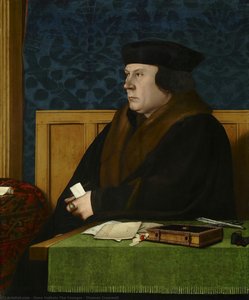 Thomas Cromwell - Hans Holbein the Younger
In Thomas Cromwell , Hans Holbein the Younger achieves a profound structural harmony that secures its place among the top 25 artworks of Hans Holbein the Younger . The composition is anchored by a masterful use of geometric stability; the verticality of Cromwell’s stern posture is balanced by the heavy, horizontal presence of the chair and the symbolic book. This deliberate arrangement creates a sense of timeless perfection, where every line directs the eye toward the subject's unwavering gaze.
The painting’s internal balance mirrors the principles of modern minimalist design , utilizing a restrained palette of deep blacks and somber tones to ground a clean, contemporary aesthetic. The interplay of light and shadow—achieved through meticulous glazing—renders the textures of velvet and heavy fabric with a quiet prestige. As you observe this masterpiece, the stillness of the dimly lit room evokes an atmosphere of serious contemplation, making it an essential cornerstone for any collection focused on the psychological depth and enduring elegance of the Northern Renaissance.
Edward VI (1537–1553), When Duke of Cornwall - Hans Holbein the Younger
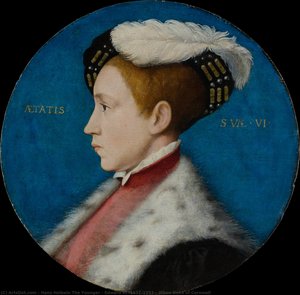 Edward VI (1537–1553), When Duke of Cornwall - Hans Holbein the Younger
In Edward VI (1537–1553), When Duke of Cornwall , Hans Holbein the Younger captures a gaze that is hauntingly precocious; there is a subtle, somber weight in the young prince's eyes that belies his tender years. As one of the most profound entries in our collection of the top 25 artworks of Hans Holbein the Younger , this portrait transcends simple royal iconography to reveal a flicker of vulnerability beneath the heavy gold and crimson regalia. The way the light catches the meticulous textures of his Tudor finery—the rich reds and luminous golds set against a deep, contrasting blue—creates a sensory experience that feels both regal and intimate.
To possess such a piece is to invite a moment of profound reflection into your home. The psychological depth present in Holbein’s mastery allows this portrait to act as a window into the complexities of power and innocence. Hanging this work in a private study or a quiet sanctuary transforms the space, turning a mere wall into an altar of historical contemplation and serene, dignified beauty.
Noli me tangere - Hans Holbein the Younger
 Noli me tangere - Hans Holbein the Younger
In Noli me tangere , Hans Holbein the Younger does not merely depict a biblical encounter; he composes a profound dialogue between the earthly and the divine. Created around 1524, this masterpiece captures the poignant moment from the Gospel of John where Mary Magdalene reaches for the risen Christ, only to be met with his gentle command: "Touch me not."
As you stand before this work, notice how Holbein uses light as a sacred language. It is not just illumination; it is a spiritual presence that defines the heavy textures of Mary’s dark robes and the luminous, ethereal quality of Christ’s form. The artist’s Northern Renaissance mastery is evident in the meticulous rendering of fabric and the subtle gradations of shadow that breathe life into the garden setting. There is an incredible emotional tension held within the shallow depth of field—a palpable sense of transition from grief to recognition. To possess a reproduction of such a work is to invite a portal of profound faith and historical elegance into your own collection, turning a simple wall into a space of quiet, eternal contemplation.
Henry VIII and the Barber Surgeons - Hans Holbein the Younger
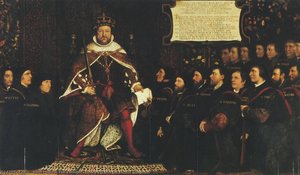 Henry VIII and the Barber Surgeons - Hans Holbein the Younger
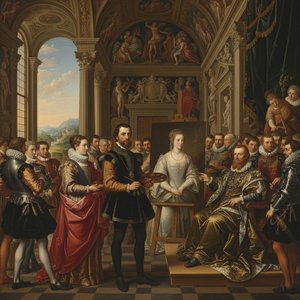
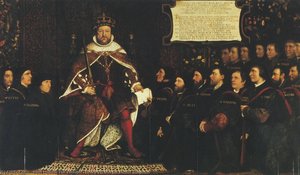
What story does the tension between royal majesty and clinical precision tell in Henry VIII and the Barber Surgeons by Hans Holbein the Younger? Completed in 1543, this monumental work captures a pivotal moment in Tudor history, where the absolute power of the monarchy met the burgeoning era of anatomical observation. As one of the top 25 artworks of Hans Holbein the Younger, this piece transcends simple portraiture; it is a psychological study of a king surrounded by those tasked with preserving his physical vigor amidst an era of profound political and religious upheaval.
Holbein utilizes his signature glazing technique to render the heavy, opulent textures of royal robes against the stark, attentive presence of the surgeons. The luminosity of the oil on panel brings a palpable sense of gravity to the scene, inviting modern collectors to bring this sense of historical weight into their own spaces. For the discerning interior designer, such a masterpiece offers more than mere decoration; it provides a sophisticated escape into the Renaissance, evoking a profound connection to the enduring legacy of human authority and scientific discovery.
Passion - the passion (detail) - Hans Holbein the Younger
 Passion - the passion (detail) - Hans Holbein the Younger
In the breathtaking detail of Passion - the passion (detail) , Hans Holbein the Younger invites us into a visceral plunge through the heart of Northern Renaissance drama. This is not merely a depiction of a biblical event; it is a masterclass in psychological depth and anatomical precision. As you lean closer to this work, the textures of worn garments and the rugged bark of the central tree emerge with an almost tactile reality, achieved through Holbein’s unparalleled mastery of oil on panel.
There is a profound weight in the atmosphere—a heavy, dramatic use of chiaroscuro that illuminates the vulnerability of the figures against encroaching shadows. The gaze within this piece does not merely observe; it follows you with an intense, quiet understanding, acting as a mirror to our own capacity for grief and contemplation. To possess such a detail in your collection is to bring a moment of frozen, sacred history into your space, reminding us that even in the most turbulent human stories, there is a beauty found in the meticulous truth of the soul.
oberried altarpiece (detail) - Hans Holbein the Younger
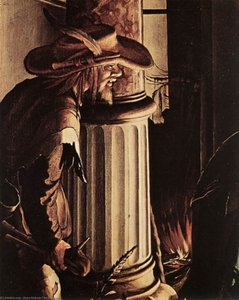 oberried altarpiece (detail) - Hans Holbein the Younger
In the Oberried Altarpiece (detail) , Hans Holbein the Younger captures a moment of profound psychological tension, frozen in the quietude of the Northern Renaissance. This fragment stands as one of the top 25 artworks of Hans Holbein the Younger because it transcends mere religious iconography, offering instead a masterclass in the art of observation and symbolic storytelling. The artist’s precision is breathtaking; one can almost feel the weight of the textures, from the heavy folds of fabric to the cold, steadfast presence of the architectural pillar.
The composition breathes with a mysterious energy, centered around a figure whose horned hat serves as a striking emblem of earthly vanity and temptation. As his gaze drifts toward an unseen horizon, the interplay of light and shadow creates a sense of drama that remains strikingly modern. For the discerning collector or interior designer, integrating a reproduction of this piece into a contemporary space brings an air of historical gravity and intellectual depth. It is not merely a painting, but a window into the complexities of human desire and faith, providing a sophisticated focal point that invites endless contemplation.
untitled (799) - Hans Holbein the Younger
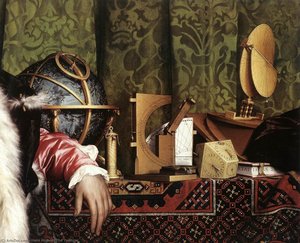 untitled (799) - Hans Holbein the Younger
To stand before Untitled (799) is to step into a quiet moment of profound intellectual gravity. One can almost sense the stillness of a sixteenth-century study, where the only sound is the rhythmic ticking of a clock and the weight of heavy thought. In this masterpiece, Hans Holbein the Younger captures more than a gentleman in a rich red robe; he captures the very pulse of the Northern Renaissance—an era defined by an insatiable hunger for discovery.
As your eyes wander from the subject’s contemplative hand to the meticulously rendered globes and scholarly instruments, you witness the intersection of human ambition and the expanding known world. This work earns its place among the top 25 artworks of Hans Holbein the Younger through its breathtaking precision and its ability to evoke a sense of timeless wisdom. In our fast-paced modern existence, inviting such a piece into one's home offers a rare sanctuary of reflection, reminding us that true luxury lies in depth, knowledge, and the quiet beauty of a life spent in pursuit of understanding.
Principles of a schoolmaster, teaching scene for children - Hans Holbein the Younger
 Principles of a schoolmaster, teaching scene for children - Hans Holbein the Younger
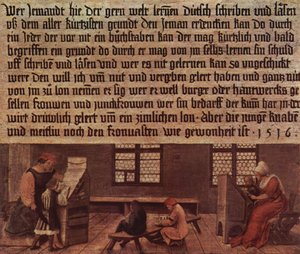
In Principles of a Schoolmaster, Teaching Scene for Children , Hans Holbein the Younger captures a profound sense of quietude and focused devotion. As you gaze upon this 1516 masterpiece, you are not merely observing a classroom; you are witnessing the very heartbeat of Renaissance humanism. The gentle, guiding hand of the schoolmaster and the concentrated expressions of the young pupils evoke a universal nostalgia for the innocence of discovery and the sacred bond between mentor and student.
Holbein’s mastery of tempera on wood allows a soft, luminous light to bathe the scene, highlighting the rich textures of period fabrics and the scholarly weight of the wooden lecterns. This work stands as one of the top 25 artworks of Hans Holbein the Younger because it transcends its historical era, offering a psychological depth that speaks to our shared human journey toward knowledge. Integrating such a poignant narrative into your home can transform a private study or a quiet corner into a sanctuary for profound reflection, inviting a sense of timeless calm and intellectual grace into your personal space.
Benedikt von Hertenstein, oil on paper mounted - Hans Holbein the Younger
 Benedikt von Hertenstein, oil on paper mounted - Hans Holbein the Younger
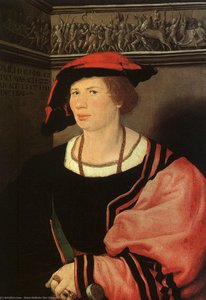
In the Benedikt von Hertenstein portrait, we encounter a profound moment of Northern Renaissance intimacy. Painted around 1517, this exquisite work on paper serves as a precursor to the monumental court portraits that would later define Holbein’s legacy. The piece is a masterclass in texture and light; one can almost feel the weight of the velvet and the delicate softness of the feathered hat through his meticulous application of oil.
Holbein utilizes a sophisticated chiaroscuro to sculpt Hertenstein’s features, pulling him from the shadows with a commanding, psychological gaze that pierces the centuries. The subtle luminosity achieved by painting on paper allows for a translucent quality in the skin tones, lending an ethereal yet grounded realism to the subject. As you contemplate this masterpiece, you aren't merely viewing a historical figure; you are witnessing the birth of a technique that would transform the Tudor court into an era of unparalleled visual splendor. To possess such a work is to invite a piece of history’s very soul into your private collection.
erasmus - Hans Holbein the Younger
 erasmus - Hans Holbein the Younger
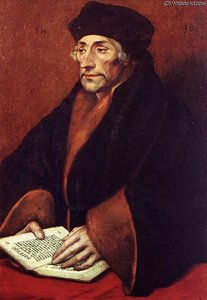
What story does the scholarly environment in Erasmus by Hans Holbein the Younger tell us about the dawn of the modern intellect? In this profound masterpiece, Holbein transcends mere likeness to capture the very pulse of the Northern Renaissance. The scene unfolds within a rich, contemplative interior, where the subtle textures of wooden paneling and the hint of a fantastical tapestry suggest a world brimming with classical knowledge. By depicting Erasmus not as a static icon, but as an active scholar poised over his writing desk, Holbein broke new ground in portraiture, introducing a psychological dynamism that was revolutionary for the 1520s.
The palette—dominated by warm ochres, deep reds, and somber browns—creates an atmosphere of dignified solemnity. For the modern collector, this painting offers more than historical significance; it provides a curated escape into an era of profound thought. Integrating such a piece into a contemporary space evokes a sense of timeless wisdom and intellectual depth, making it a cornerstone among the top 25 artworks of Hans Holbein the Younger for those seeking to anchor their homes with heritage and soul.
Erasmus of Rotterdam - oil on wood - Hans Holbein the Younger
 Erasmus of Rotterdam - oil on wood - Hans Holbein the Younger
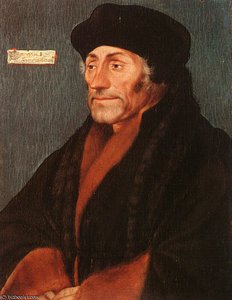
To stand before Erasmus of Rotterdam is to step into a silent, scholarly sanctuary where the frantic pace of the modern world dissolves into profound contemplation. In this masterpiece by Hans Holbein the Younger , we do not merely observe a man; we witness the very heartbeat of Northern Renaissance humanism. The painting captures a moment of intellectual stillness, as the scholar’s piercing gaze and the tactile weight of his crimson robes invite us into a dialogue with history's greatest thinkers.
This work earns its place among the top 25 artworks of Hans Holbein the Younger through its unparalleled psychological depth and technical precision. Every meticulously rendered wrinkle and the subtle texture of the parchment he holds serve to ground high philosophy in tangible reality. For the discerning collector, integrating such a piece into a contemporary space offers more than decoration; it introduces an atmosphere of wisdom and historical gravity, transforming a room into a place of serene reflection and enduring intellectual elegance.
self portrait - Hans Holbein the Younger
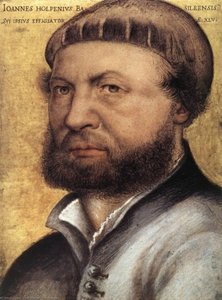 self portrait - Hans Holbein the Younger
To stand before Hans Holbein the Younger’s Self-Portrait is to encounter a gaze that has remained unblinking for nearly five centuries. Before the eyes even trace the fine textures of his attire, one feels a profound sense of psychological weight—a quiet, dignified intensity that commands the room. This work captures more than a mere likeness; it encapsulates the very spirit of the Northern Renaissance, where the pursuit of truth through meticulous observation became a sacred artistic mission.
As one of the most essential pieces in our collection of the top 25 artworks of Hans Holbein the Younger , this portrait earns its place through its unflinching honesty. There is no artifice here, only the masterful rendering of skin, hair, and the intelligent, searching eyes of a man who mastered the art of seeing. In a modern world often filled with fleeting digital images, possessing such a profound study of human character brings a sense of permanence and intellectual depth to a home. It serves as a timeless reminder that true beauty lies in the authentic, detailed reality of our own existence.
De Vos van Steenwijk - Hans Holbein the Younger
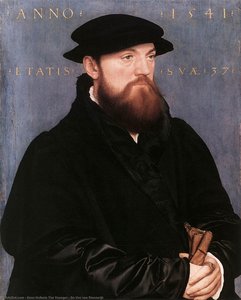 De Vos van Steenwijk - Hans Holbein the Younger
To encounter De Vos van Steenwijk is to step into a moment of profound, quiet prestige, as if being granted private access to the inner sanctum of the Northern Renaissance. This masterpiece secures its place among the top 25 artworks of Hans Holbein the Younger through its unparalleled psychological acuity and the sheer, tactile brilliance of his execution. Holbein does not merely paint a man; he sculpts a presence using a dramatic, enveloping blue background that serves as a celestial stage for the subject’s dignified resolve.
The painting is a masterclass in texture and contrast, where the deep, midnight blacks of the velvet attire meet the meticulous, silvered detail of a carefully rendered beard. For the discerning collector or interior designer, this work offers more than historical significance; it brings a sense of timeless authority and intellectual depth to a sophisticated space. The subtle interplay of light across the heavy fabrics and the subject's steady, introspective gaze create an atmosphere of enduring luxury, making it a cornerstone for any curated collection focused on the legacy of Renaissance realism.
virgin and child with the family of burgomaster - Hans Holbein the Younger
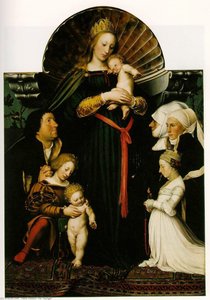 virgin and child with the family of burgomaster - Hans Holbein the Younger
What story does the intimate, richly adorned environment within Virgin and Child with the Family of Burgomaster by Hans Holbein the Younger tell us about the intersection of piety and prestige? This masterpiece serves as a profound window into the Northern Renaissance, emerging from an era where humanist ideals began to blend spiritual devotion with the celebration of earthly lineage. As Holbein meticulously renders the textures of velvet drapery and the soft glow of light upon the Madonna, he captures more than a religious scene; he documents the social ascent of the Burgomaster’s family.
The painting breaks ground in our top 25 collection through its revolutionary realism, moving away from idealized icons toward a palpable, breathing humanity. For the modern collector, this work offers a curated escape into a world of quiet prestige and historical depth. Integrating such a piece into a contemporary interior evokes a sense of timelessness, where the dramatic interplay of light and shadow creates an atmosphere of warmth and intellectual sophistication, making it a cornerstone for any serious gallery-style home.
Lady Lee (Margaret Wyatt, born about 1509) - Hans Holbein the Younger
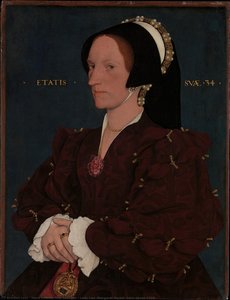 Lady Lee (Margaret Wyatt, born about 1509) - Hans Holbein the Younger
In Lady Lee (Margaret Wyatt) , the commanding presence of midnight black dominates the canvas, establishing a mood of profound solemnity and aristocratic gravity. This deep, light-absorbing hue serves as the perfect stage for the brilliant, sculptural white of her collar, creating a high-contrast chiaroscuro that is a hallmark of the Northern Renaissance. The masterful use of this restricted yet powerful palette is precisely why this work remains one of the top 25 artworks of Hans Holbein the Younger ; it demonstrates an unparalleled ability to convey social status through tonal tension rather than mere ornamentation.
For the sophisticated interior designer or collector, integrating a reproduction of this piece into a modern dining room or study can anchor a space with dramatic elegance. The painting’s interplay of dark shadows and luminous highlights allows you to curate an atmosphere of quiet luxury, pairing beautifully with gold accents or velvet textures. It brings a sense of historical weight and intellectual depth to any curated collection, offering a window into the Tudor era's exquisite craftsmanship.
Conclusion
To wander through the visual legacy of Hans Holbein the Younger is to engage in a profound dialogue with history itself. His works are far more than mere relics of the Northern Renaissance; they are living presences that possess the singular power to command a room and stir the soul. In every meticulously rendered fold of velvet, every piercing gaze captured in oil, and every subtle interplay of light and shadow, we find a timeless reflection of our own humanity—a testament to the enduring grace of the human spirit.
We invite you to move beyond the role of a distant observer and consider how these masterpieces might breathe life into your own surroundings. To bring a Holbein reproduction into your home or professional space is to invite an atmosphere of quiet intellect, dignity, and unparalleled craftsmanship. Whether it is the commanding weight of a Tudor portrait or the delicate precision of his anatomical studies, these paintings serve as daily reminders of the beauty found in truth and the eternal resonance of human creativity.
Let these works become part of your personal narrative, transforming walls into windows through which we glimpse the brilliance of a bygone era. We invite you to explore the full collection and discover the piece that speaks most deeply to your aesthetic, allowing the legacy of a master to illuminate your world for generations to come.