The Scientific Soul: The Legacy of Tibor Farkas
Tibor Farkas (19XX – 2003) stands as a profound testament to the delicate dance between empirical precision and the inquisitive spirit. While his name may resonate most deeply within the specialized halls of biochemistry, his life story is one of intellectual courage and the pursuit of hidden truths. Born in Hungary, Farkas navigated an era defined by the complexities of Soviet-era restrictions, a period where the dissemination of personal and academic information was often shrouded in shadow. Yet, it was precisely within this atmosphere of constraint that his scientific determination flourished, allowing him to bridge the gap between his Hungarian heritage and the global scientific community.
His journey eventually led him to Texas A&M University, a transition that epitomized the era's growing importance of international collaboration. This dual identity—rooted in the academic traditions of Hungary yet flourishing within the expansive research landscape of the United States—allowed Farkas to cultivate a unique perspective on the biological world. He did not merely observe life; he sought to decode its most fundamental, microscopic components, treating the study of lipids not just as a chemical pursuit, but as an exploration of the very essence of cellular existence.
Unraveling the Complexity of Life
The work of Tibor Farkas was characterized by an extraordinary commitment to understanding the intricate role of lipids—the essential fats that serve as the building blocks and messengers of our biological systems. His research was a meticulous investigation into how lipid metabolism acts as a silent conductor in the symphony of human health, influencing everything from cardiovascular stability to the inflammatory responses that define our resilience against disease. There is a certain poetic gravity in his study of these molecules; he looked at the invisible architecture of the cell to find answers to the most visible of human sufferings.
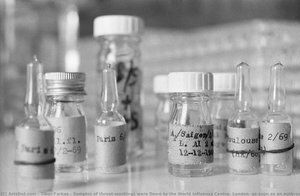
Farkas’s brilliance was perhaps most evident when he applied his biochemical expertise to the urgent, real-world crises of public health. During periods of influenza outbreaks, his pioneering efforts to analyze throat washings demonstrated a profound belief that scientific inquiry must serve a higher social purpose. By facilitating the movement of biological samples to the World Influenza Centre in London, he bridged the distance between local observation and global protection. This ability to translate microscopic data into tangible, life-saving applications remains one of his most enduring contributions to the field of physiology.
A Distinguished Recognition
The significance of Farkas’s career is etched into the honors he received, most notably his affiliation with the Hungarian Academy of Sciences. This recognition was more than a mere accolade; it was a validation of his role as a leading light in Hungarian science, acknowledging that even amidst political and social shifts, fundamental research remains a cornerstone of human progress. His life’s work serves as a reminder that the pursuit of knowledge is a borderless endeavor, driven by a passion for truth that transcends national boundaries.
In reflecting on his legacy, we see a man who mastered the art of looking closer. Whether investigating the neurological implications of lipid disorders or the rapid spread of viral pathogens, Farkas approached every challenge with the rigor of a scientist and the vision of a pioneer. His life remains an inspiring chapter in the history of biochemistry, reminding us that within the smallest molecules lie the secrets to our greatest survival.